Nilamadhab Kar – författare
Visar alla böcker från författaren Nilamadhab Kar. Handla med fri frakt och snabb leverans.
4 produkter
4 produkter
Inbunden, Engelska, 2026
1 561 kr
Skickas inom 5-8 vardagar
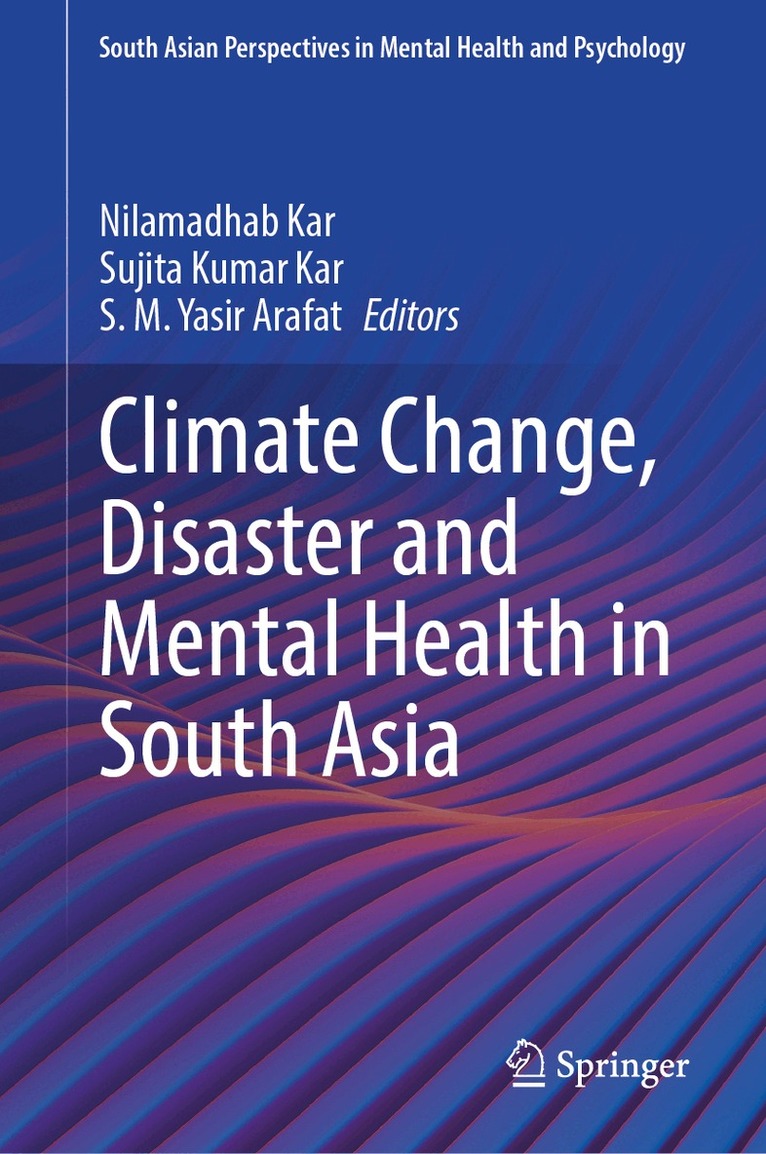
This book discusses disaster psychiatry and the impact of climate change in South Asia. South Asia consists of eight LMICs. As a region, it is one of the most disaster-prone areas of the world. Besides the increased frequency, disasters affect a large number of people in this area, as it is densely populated. Impact of the disasters is also considerably higher considering the scarcity of resources in the area. Recent studies identified that LMICs are more affected by climate change than high-income countries. However, little we know about the mental health impact of frequent disasters like cyclones, river erosions, droughts, floods, tsunamis, and the long-term effects of climate change in South Asian countries.Mental health consequences of the disasters are not contained within the immediate post-disaster period, rather it continues long-term. Ironically, despite the population affected being usually large, the information about the sequelae is really scant. In addition, the support systems and resources for the survivors are not as robust as in the developed world. It appears that the enormity of the concerns is not appreciated by the authorities in these countries, primarily because of a lack of information and inadequate or ineffective professional suggestions. While the challenges continue, many survivors with mental health problems secondary to disasters are not recognized, treated, or rehabilitated appropriately. There is an urgent need to emphasize these aspects, especially in the South Asia region, considering its enhanced vulnerabilities.
E-bok
Engelska, 20261 896 kr
Läs direkt efter köp
This book discusses disaster psychiatry and the impact of climate change in South Asia. South Asia consists of eight LMICs. As a region, it is one of the most disaster-prone areas of the world. Besides the increased frequency, disasters affect a large number of people in this area, as it is densely populated. Impact of the disasters is also considerably higher considering the scarcity of resources in the area. Recent studies identified that LMICs are more affected by climate change than high-income countries. However, little we know about the mental health impact of frequent disasters like cyclones, river erosions, droughts, floods, tsunamis, and the long-term effects of climate change in South Asian countries.Mental health consequences of the disasters are not contained within the immediate post-disaster period, rather it continues long-term. Ironically, despite the population affected being usually large, the information about the sequelae is really scant. In addition, the support systems and resources for the survivors are not as robust as in the developed world. It appears that the enormity of the concerns is not appreciated by the authorities in these countries, primarily because of a lack of information and inadequate or ineffective professional suggestions. While the challenges continue, many survivors with mental health problems secondary to disasters are not recognized, treated, or rehabilitated appropriately. There is an urgent need to emphasize these aspects, especially in the South Asia region, considering its enhanced vulnerabilities.
Inbunden, Engelska, 2025
1 568 kr
Skickas inom 10-15 vardagar
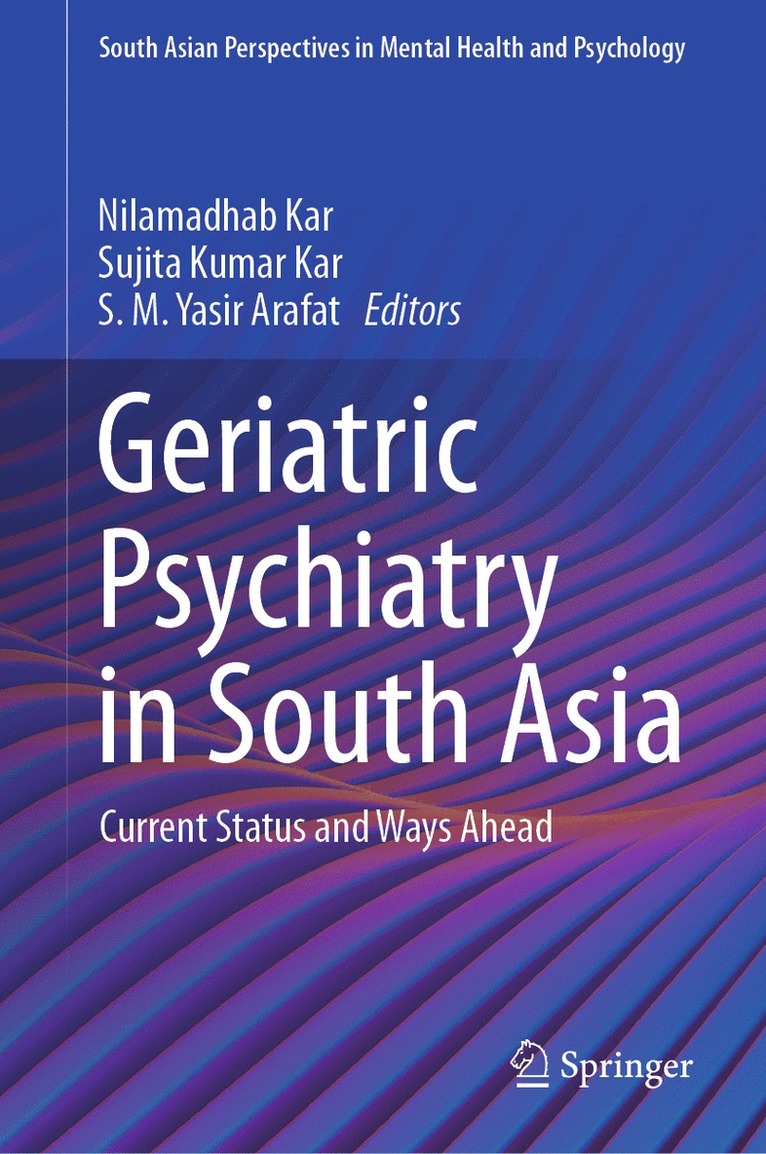
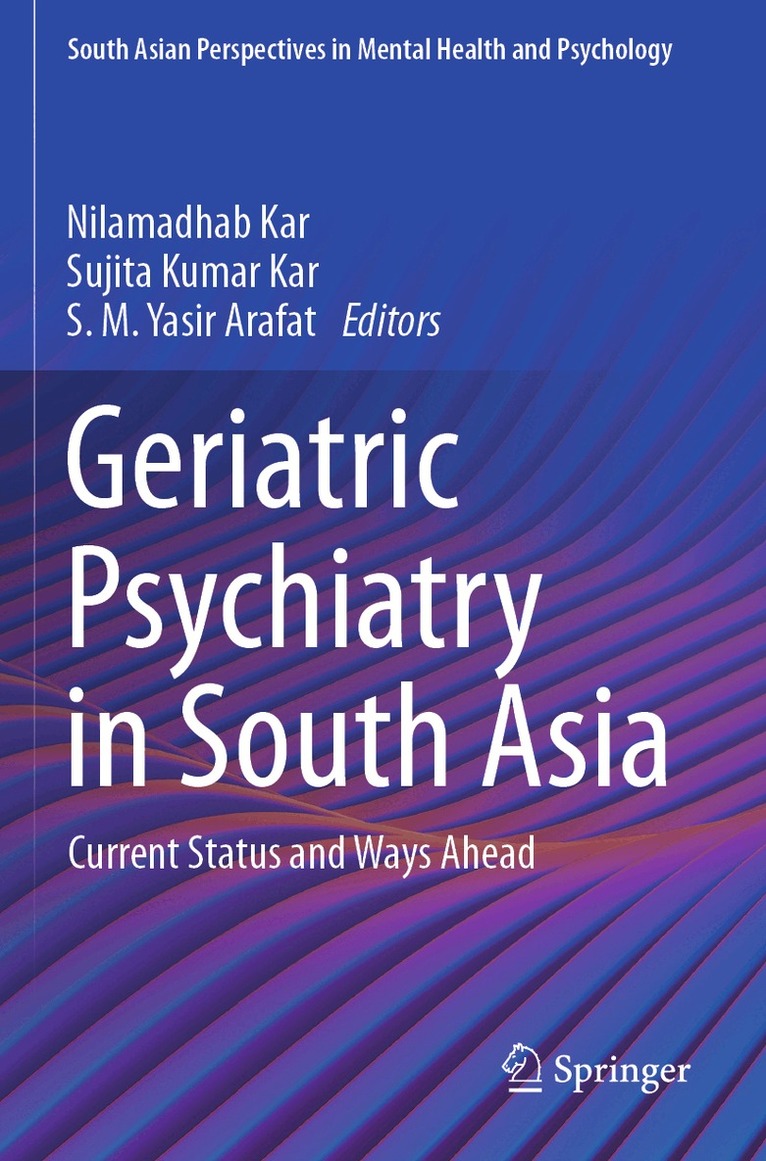
This book is about the current status and ways ahead of geriatric psychiatry in South Asia. South Asia is home to a large proportion of the world’s elderly. With improved longevity, the geriatric population is increasing fast in recent years in South Asian countries. Along with this, the mental health burden of the older adults is increasing. However, mental health care of older adults in South Asia is a neglected area. Little is known about the burden of mental disorders and available mental health services specific for the older adults population in South Asia and other low and middle income countries.It is well known that resources are fewer in this region, and most of the older adults in these areas are not recognized or treated. There is a urgent need to explore the services available, their appropriateness and effectiveness, and to reflect on the region-specific, economically viable solutions that can be adapted soon. The book discusses how these services can be seamlessly integrated to the existing support systems. Besides the interventional aspects, the book also explores the facilitating and impeding factors of implementing evidence-based preventive efforts in these countries.
E-bok
Engelska, 20251 879 kr
Läs direkt efter köp
This book is about the current status and ways ahead of geriatric psychiatry in South Asia. South Asia is home to a large proportion of the world’s elderly. With improved longevity, the geriatric population is increasing fast in recent years in South Asian countries. Along with this, the mental health burden of the older adults is increasing. However, mental health care of older adults in South Asia is a neglected area. Little is known about the burden of mental disorders and available mental health services specific for the older adults population in South Asia and other low and middle income countries.It is well known that resources are fewer in this region, and most of the older adults in these areas are not recognized or treated. There is a urgent need to explore the services available, their appropriateness and effectiveness, and to reflect on the region-specific, economically viable solutions that can be adapted soon. The book discusses how these services can be seamlessly integrated to the existing support systems. Besides the interventional aspects, the book also explores the facilitating and impeding factors of implementing evidence-based preventive efforts in these countries.