Nina Evans – författare
Visar alla böcker från författaren Nina Evans. Handla med fri frakt och snabb leverans.
9 produkter
Information Asset Management
Why You Must Manage Your Data, Information and Knowledge the Way You Manage Your Money
E-bok, 2024
482 kr
Lägg i varukorg
Organisations are using data, information and knowledge as a competitive weapon. Their data, information and knowledge are arguably their most valuable assets. Yet, this fourth asset is managed badly when compared to the other three assets, namely money, people and infrastructure with considerable …
Information Asset Management
Why You Must Manage Your Data, Information and Knowledge the Way You Manage Your Money
E-bok, 2024
482 kr
Lägg i varukorg
Organisations are using data, information and knowledge as a competitive weapon. Their data, information and knowledge are arguably their most valuable assets. Yet, this fourth asset is managed badly when compared to the other three assets, namely money, people and infrastructure with considerable …
Information Asset Management
Why You Must Manage Your Data, Information and Knowledge the Way You Manage Your Money
Häftad, 2024
548 kr
Lägg i varukorg
Organisations are using data, information and knowledge as a competitive weapon. Their data, information and knowledge are arguably their most valuable assets. Yet, this fourth asset is managed badly when compared to the other three assets, namely money, people and infrastructure with considerable …
Information Asset Management
Why You Must Manage Your Data, Information and Knowledge the Way You Manage Your Money
Inbunden, 2024
2591 kr
Lägg i varukorg
Organisations are using data, information and knowledge as a competitive weapon. Their data, information and knowledge are arguably their most valuable assets. Yet, this fourth asset is managed badly when compared to the other three assets, namely money, people and infrastructure with considerable …
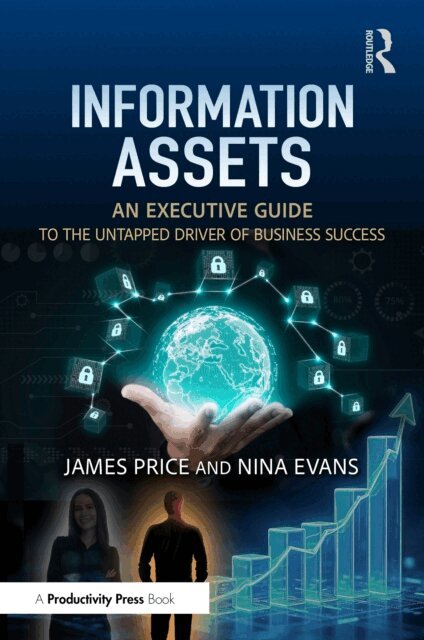
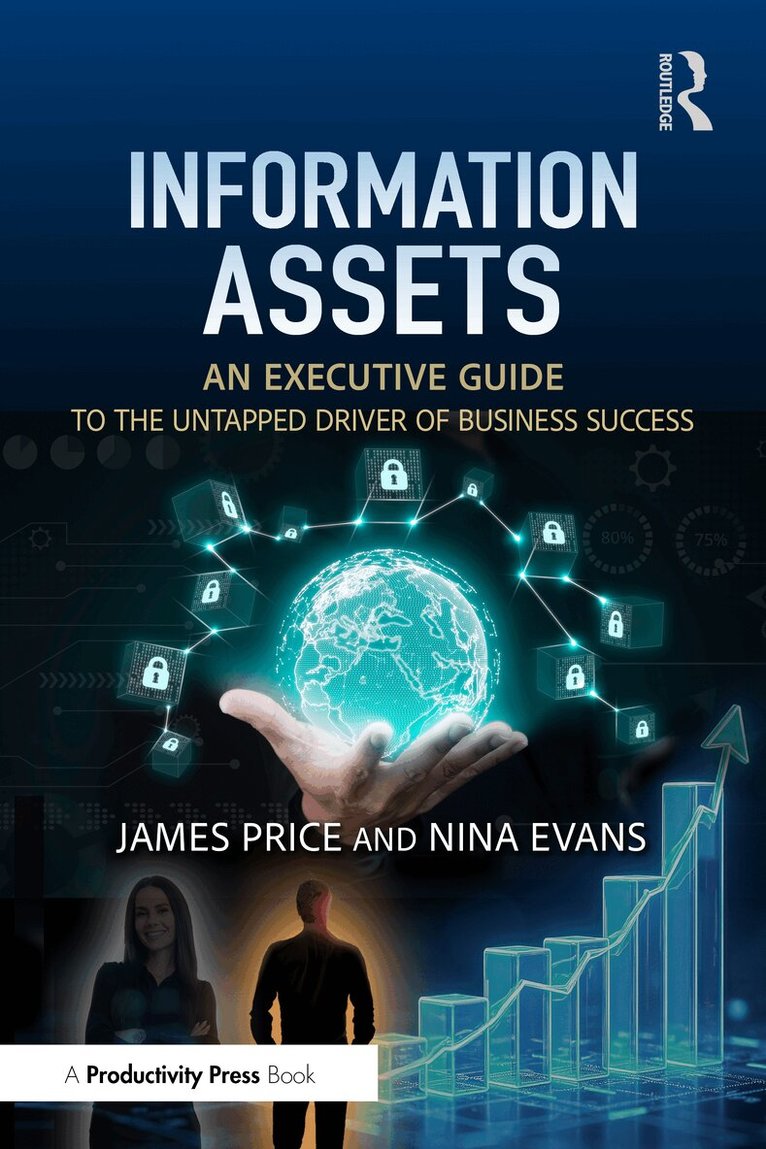
Information Assets
An Executive Guide to the Untapped Driver of Business Success
E-bok, 2026
571 kr
Lägg i varukorg
In the age of Artificial Intelligence, organisations are increasingly using data, information and knowledge as a competitive weapon. Their data, information and knowledge are arguably their most valuable assets. Yet, this fourth asset is managed badly when compared to the other three assets – …
Information Assets
An Executive Guide to the Untapped Driver of Business Success
E-bok, 2026
571 kr
Lägg i varukorg
In the age of Artificial Intelligence, organisations are increasingly using data, information and knowledge as a competitive weapon. Their data, information and knowledge are arguably their most valuable assets. Yet, this fourth asset is managed badly when compared to the other three assets – …
Information Assets
An Executive Guide to the Untapped Driver of Business Success
Häftad, 2026
488 kr
Lägg i varukorg
In the age of Artificial Intelligence, organisations are increasingly using data, information and knowledge as a competitive weapon. Their data, information and knowledge are arguably their most valuable assets. Yet, this fourth asset is managed badly when compared to the other three assets – …
Information Assets
An Executive Guide to the Untapped Driver of Business Success
Inbunden, 2026
2591 kr
Lägg i varukorg
In the age of Artificial Intelligence, organisations are increasingly using data, information and knowledge as a competitive weapon. Their data, information and knowledge are arguably their most valuable assets. Yet, this fourth asset is managed badly when compared to the other three assets – …