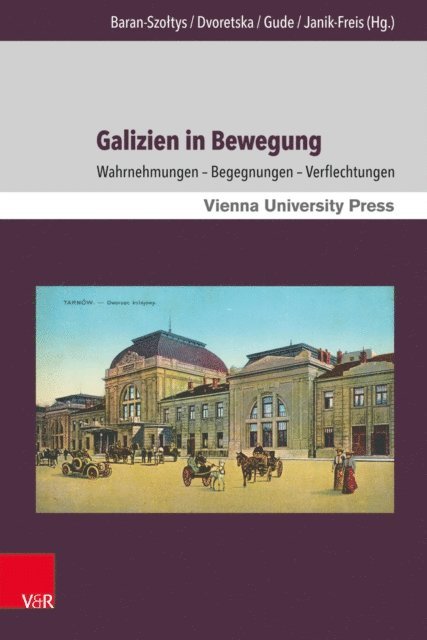
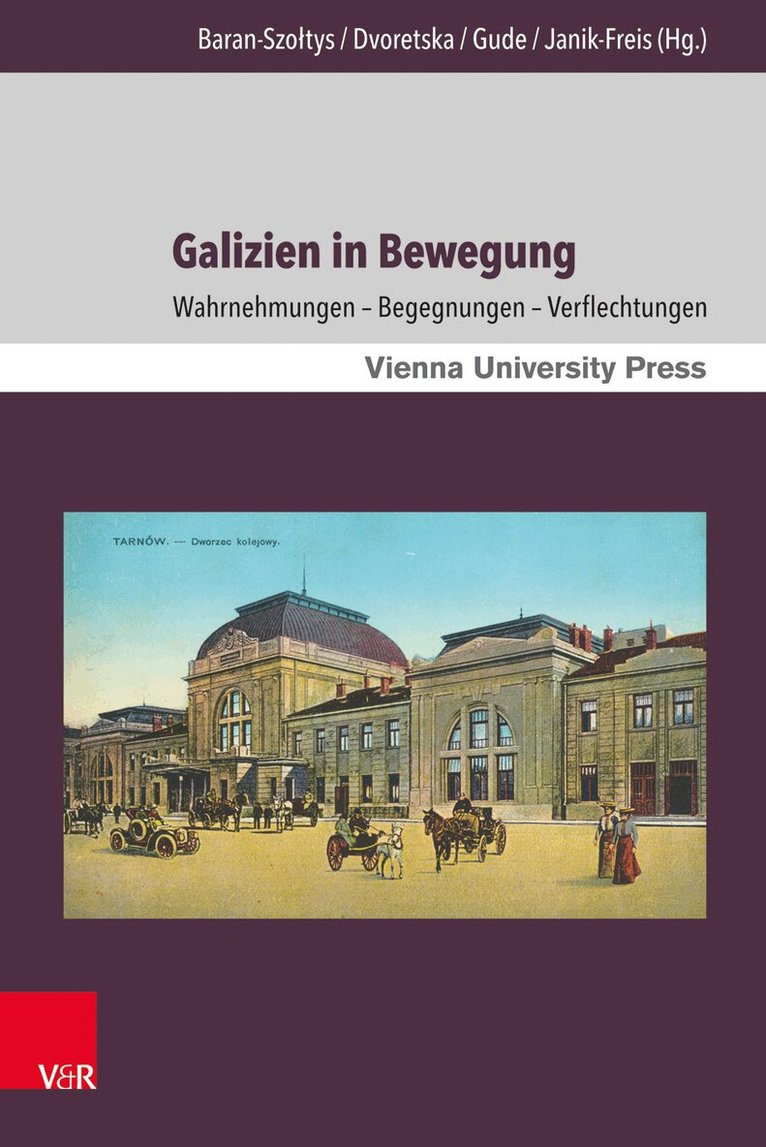
Der Band behandelt den wechselseitigen Austausch des Kronlands Galizien und Lodomerien mit den Nachbarregionen und zeigt seine Bewohner als aktive Akteure soziokultureller und multiethnischer Interaktionen. Zudem beleuchtet er die verschiedenartigen Aneignungen Galiziens: Die Neuordnung Europas nach 1918 sowie die seit dem 19. Jahrhundert bestehende Emigration führten zu seinem Nachleben in unterschiedlichen nationalen Narrativen und machten es zu einem transnationalen Phänomen. Dabei wird die Instrumentalisierung der Provinz sowie die von Anfang an implizite Künstlichkeit und Wandelbarkeit dieses Konstrukts sichtbar: Diese unterscheidet sich je nach nationalem Narrativ und Zeitraum. This volume deals with the reciprocal exchange between the Crown land of Galicia and Lodomeria and its neighbouring regions, presenting its inhabitants as active players in sociocultural and multi-ethnic interactions. It also sheds light upon the various annexations of Galicia: the reformation of Europe after 1918 and the emigration in existence since the 19th Century both led to its afterlife in various national narratives and made Galicia a transnational phenomenon. The instrumentalisation of the province, as well as the implicit artificiality and changeability – present from the outset – of this construct, thereby become apparent: this differs according to national narrative and time period.
Bislang wurde in der Forschung die These vertreten, wonach sich galizische Juden nicht mit der ukrainischen Kultur identifiziert hätten; stattdessen wird die Geschichte von Juden und Ukrainern häufig mit Gewalt und Abgrenzung assoziiert. Nach wie vor fehlen aber umfassende Studien, die sich den alltäglichen Interaktionen der beiden Gruppen in der Mikroperspektive widmen. Ziel dieser Publikation ist es daher, die unbeachtete gemeinsame Alltagsgeschichte von Juden und Ukrainern zu untersuchen. Die Ergebnisse zeigen, dass Juden von den Ukrainern wahlweise deren Lebensweisen, Sprache, Religion, Werte oder Ideen annahmen und sich situativ dem ukrainischen Kulturraum anpassten. Eine jüdisch-ukrainische Identität war somit Ausdruck alltäglicher Begegnungen.For a long time researchers on Jewish-Ukrainian relations put forward the thesis that Jews in Galicia did not identify with Ukrainian culture, instead Galician Jews have been portrayed as assimilating into German and Polish culture. Based on new archival documents, I analyzed those Jews who were willing to adopt elements of Ukrainian culture in the following research fields: education, conversion and military. Overall, I have discovered and examined Jews who interacted in various ways with Ukrainian culture or were even part of it. Although Jews and Ukrainians had bitter quarrels and engaged in physical violence, it cannot be ignored that some Jews found their own ways of positioning themselves within the Ukrainian community.