Magdalena Baran-Szołtys – författare
Visar alla böcker från författaren Magdalena Baran-Szołtys. Handla med fri frakt och snabb leverans.
12 produkter
12 produkter
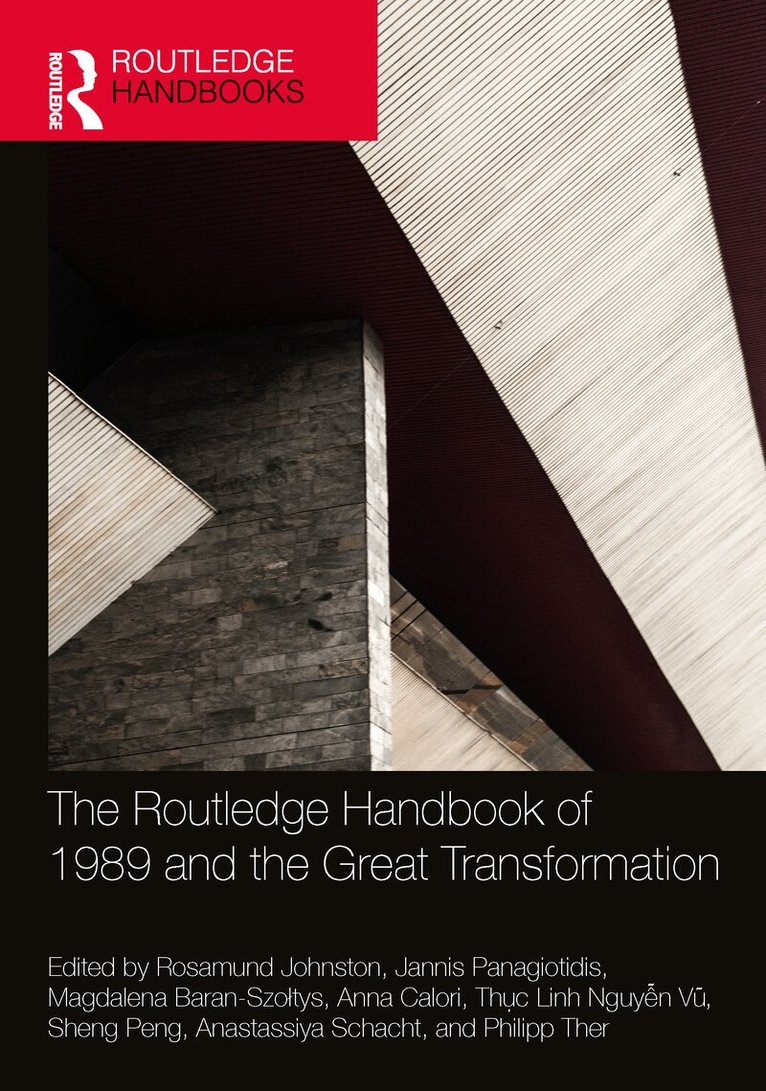
Inbunden, Engelska, 2025
3 439 kr
Skickas inom 10-15 vardagar
This cutting-edge collection of essays analyzes the pivotal year of 1989 and the transformation processes that resulted from a historical perspective. It takes the events of that momentous year as a pivot to explore longer-term processes of economic, social, political, and cultural transformation linked to the rise of neoliberalism and globalization since the 1970s and enduring until now.Referencing the work of Karl Polanyi, the handbook advances four main arguments: that the “great transformation” presented here started earlier than 1989; that its legacies linger in spaces, practices, and objects; that in order to grasp the scale of what happened around 1989, it is important to bring Eastern and Central Europe into conversation with other global regions; and that the former Eastern Bloc served as an important node in a larger, global transformation. Insisting on the “Second World’s” place in the global history of the past five decades, this handbook challenges straightforward core-periphery dichotomies. The contributions to this volume provide different case studies—some national, some comparative, some international or global—each illustrating particular trends and developments.The handbook is directed at students and scholars of contemporary history of East Central Europe, of global and economic history, and at scholars of sociology, anthropology, and political science interested in post-1989 transformation, neoliberalism, and globalization.
E-bok
PDF, Engelska, 2025844 kr
Läs direkt efter köp
This cutting-edge collection of essays analyzes the pivotal year of 1989 and the transformation processes that resulted from a historical perspective. It takes the events of that momentous year as a pivot to explore longer-term processes of economic, social, political, and cultural transformation linked to the rise of neoliberalism and globalization since the 1970s and enduring until now.Referencing the work of Karl Polanyi, the handbook advances four main arguments: that the "e;great transformation"e; presented here started earlier than 1989; that its legacies linger in spaces, practices, and objects; that in order to grasp the scale of what happened around 1989, it is important to bring Eastern and Central Europe into conversation with other global regions; and that the former Eastern Bloc served as an important node in a larger, global transformation. Insisting on the "e;Second World's"e; place in the global history of the past five decades, this handbook challenges straightforward core-periphery dichotomies. The contributions to this volume provide different case studies-some national, some comparative, some international or global-each illustrating particular trends and developments.The handbook is directed at students and scholars of contemporary history of East Central Europe, of global and economic history, and at scholars of sociology, anthropology, and political science interested in post-1989 transformation, neoliberalism, and globalization.
E-bok
Engelska, 2025844 kr
Läs direkt efter köp
This cutting-edge collection of essays analyzes the pivotal year of 1989 and the transformation processes that resulted from a historical perspective. It takes the events of that momentous year as a pivot to explore longer-term processes of economic, social, political, and cultural transformation linked to the rise of neoliberalism and globalization since the 1970s and enduring until now.Referencing the work of Karl Polanyi, the handbook advances four main arguments: that the "e;great transformation"e; presented here started earlier than 1989; that its legacies linger in spaces, practices, and objects; that in order to grasp the scale of what happened around 1989, it is important to bring Eastern and Central Europe into conversation with other global regions; and that the former Eastern Bloc served as an important node in a larger, global transformation. Insisting on the "e;Second World's"e; place in the global history of the past five decades, this handbook challenges straightforward core-periphery dichotomies. The contributions to this volume provide different case studies-some national, some comparative, some international or global-each illustrating particular trends and developments.The handbook is directed at students and scholars of contemporary history of East Central Europe, of global and economic history, and at scholars of sociology, anthropology, and political science interested in post-1989 transformation, neoliberalism, and globalization.
E-bok
Tyska, 2020193 kr
Läs direkt efter köp
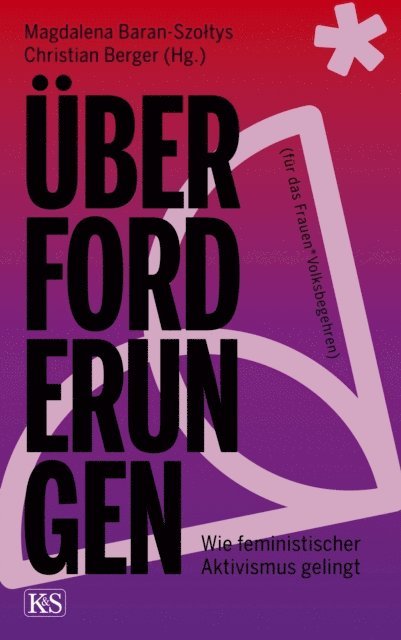
Österreich im Jahr 2018. Knapp 500.000 Menschen unterzeichnen das zweite Frauen*Volksbegehren (F*VB), das vielstimmig und differenziert für Geschlechtergerechtigkeit eintritt. Unter dem Motto #einesfüralle macht die Kampagne dank eines engagierten Teams, unzähligen Mitstreiter*innen sowie vielen prominenten Unterstützer*innen auch weit über die Grenzen Österreichs hinaus Furore.Österreich im Jahr 2020. Es ist nach wie vor viel zu tun. Mit dem vorliegenden Handbuch liefert das F*VB gemeinsam mit internationalen Aktivist*innen und Autor*innen das Know-how für künftige Initiativen und inspiriert zu politischem Handeln. In klarsichtigen Essays entwerfen Expert*innen anhand des F*VB-Forderungskatalogs, neuester Forschungsergebnisse und fundierter Erfahrung Visionen für eine gerechtere Gesellschaft. Flankiert werden sie von Vertreter*innen vieler Einrichtungen und Initiativen wie HeForShe, #keinenmillimeter, dem Schweizer Frauen*streik oder Sorority sowie persönlichen Statements von Aktivist*innen wie Margarete Stokowski, Alexandra Stanić, Nicole Schöndorfer oder Madeleine Darya Alizadeh (dariadaria). Feminists of the world, unite!
Inbunden, Engelska, 2025
653 kr
Skickas inom 3-6 vardagar
Del 17 - Literatur und Kultur im mittleren und östlichen Europa
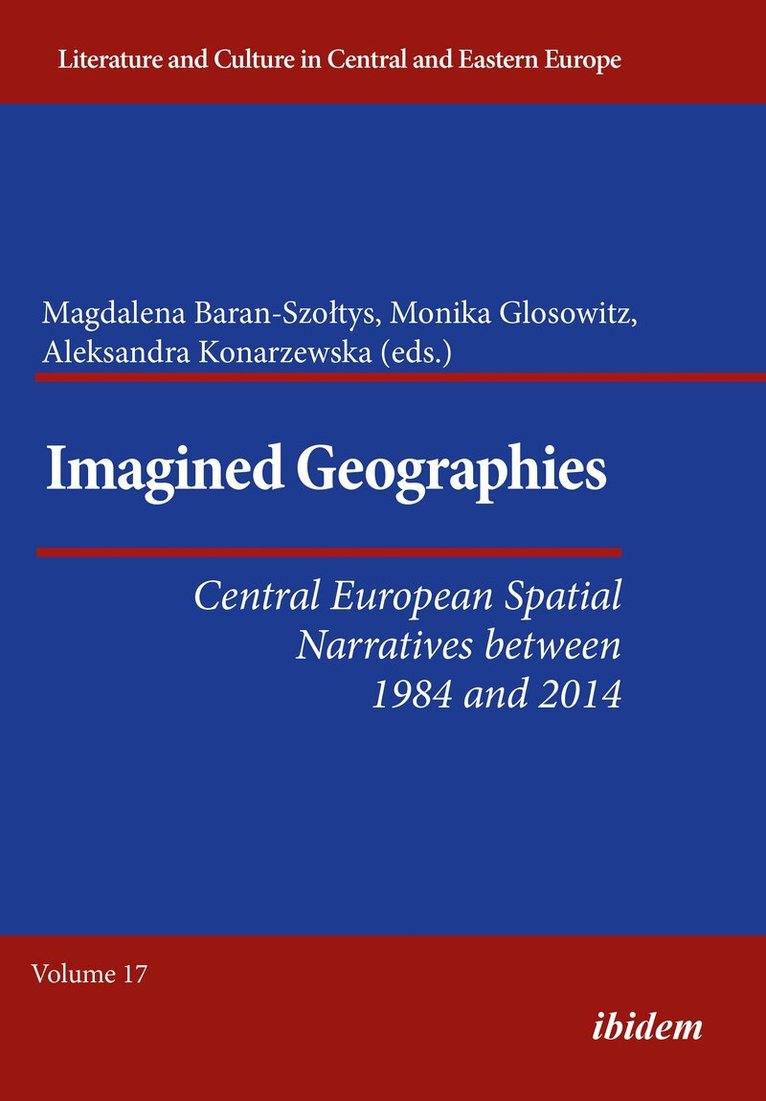
Imagined Geographies
Central European Spatial Narratives between 1984 and 2014
Häftad, Engelska, 2018
711 kr
Skickas inom 5-8 vardagar
E-bok
PDF, Tyska, 2017553 kr
Läs direkt efter köp
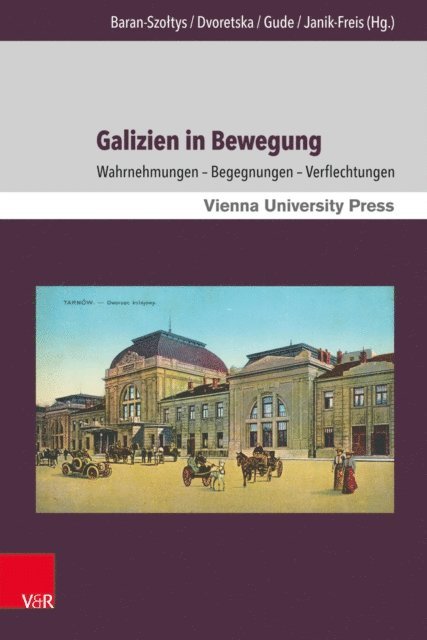
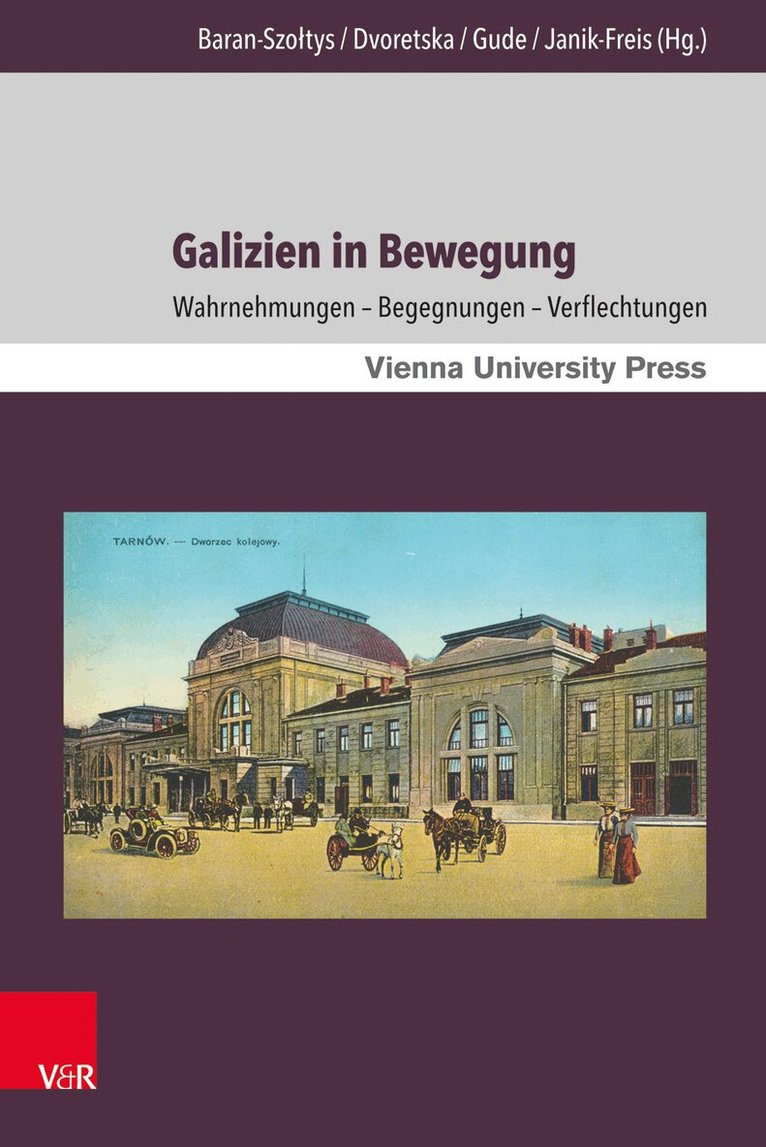
Der Band behandelt den wechselseitigen Austausch des Kronlands Galizien und Lodomerien mit den Nachbarregionen und zeigt seine Bewohner als aktive Akteure soziokultureller und multiethnischer Interaktionen. Zudem beleuchtet er die verschiedenartigen Aneignungen Galiziens: Die Neuordnung Europas nach 1918 sowie die seit dem 19. Jahrhundert bestehende Emigration führten zu seinem Nachleben in unterschiedlichen nationalen Narrativen und machten es zu einem transnationalen Phänomen. Dabei wird die Instrumentalisierung der Provinz sowie die von Anfang an implizite Künstlichkeit und Wandelbarkeit dieses Konstrukts sichtbar: Diese unterscheidet sich je nach nationalem Narrativ und Zeitraum. This volume deals with the reciprocal exchange between the Crown land of Galicia and Lodomeria and its neighbouring regions, presenting its inhabitants as active players in sociocultural and multi-ethnic interactions. It also sheds light upon the various annexations of Galicia: the reformation of Europe after 1918 and the emigration in existence since the 19th Century both led to its afterlife in various national narratives and made Galicia a transnational phenomenon. The instrumentalisation of the province, as well as the implicit artificiality and changeability – present from the outset – of this construct, thereby become apparent: this differs according to national narrative and time period.
E-bok
PDF, Engelska, 2020549 kr
Läs direkt efter köp
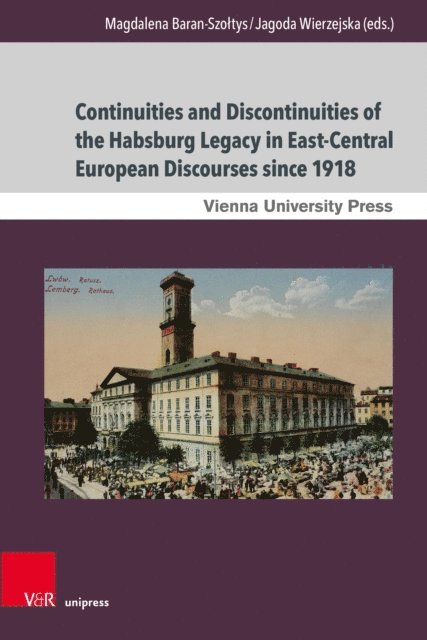
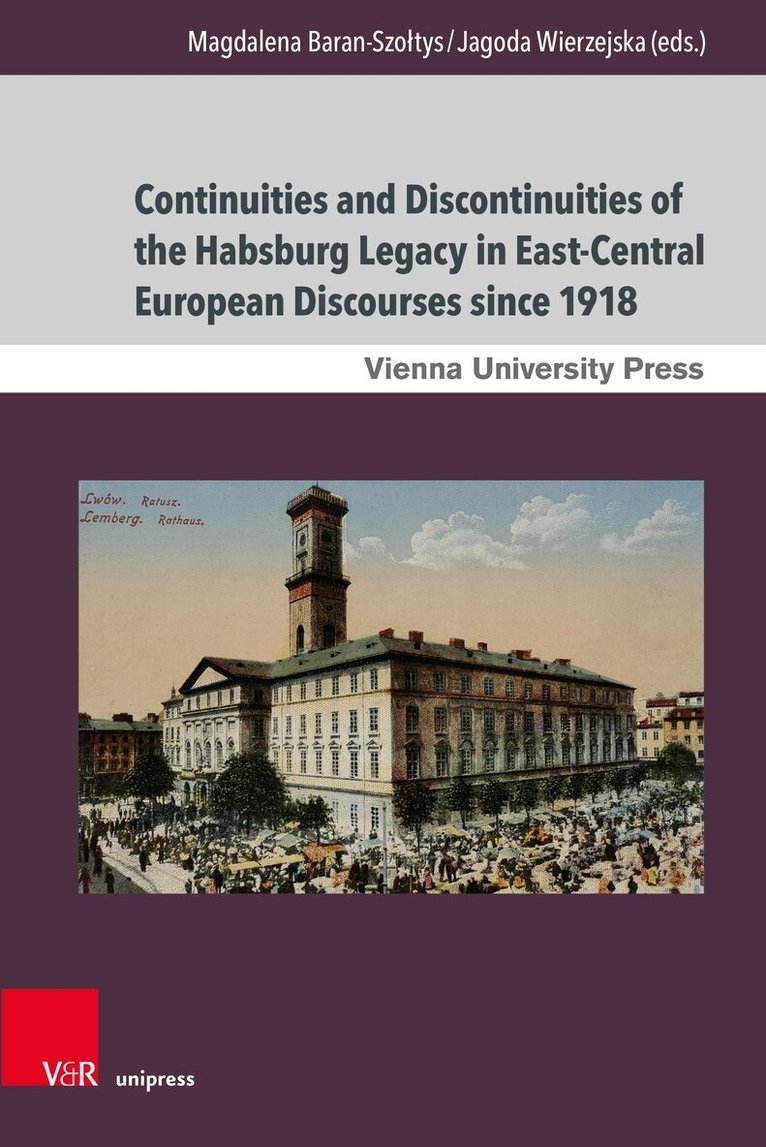
In 1918 the Danube Monarchy ceased to exist and its provinces became parts of the Monarchy''s successor states, which increasingly assumed the character of nation-states. The regimes of these countries were usually oblivious and/or hostile to remnants of the erstwhile Austrian rule due to ideological reasons: they treated them as traces of a superimposed imperial power and an alien – democratic, pluralistic, liberal – tradition. Notwithstanding that fact, erasing the Habsburg Empire from maps of Europe did not entail the entire cancelation of its legacy on the former Habsburg territories. Although officially neglected or suppressed, this legacy made itself felt, overtly or tacitly, in discourses present in the public sphere of the countries that superseded the Monarchy.
E-bok
PDF, Tyska, 2021627 kr
Läs direkt efter köp
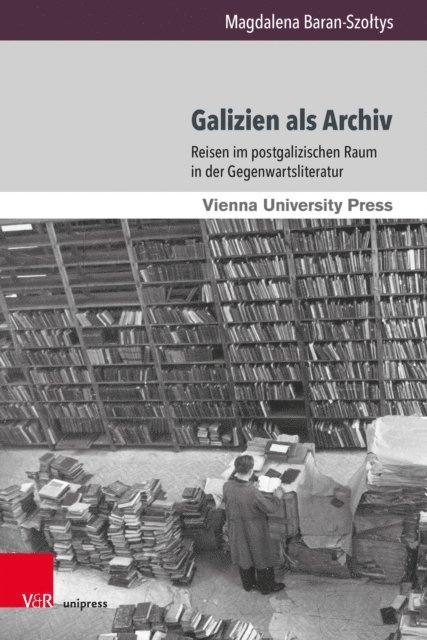
Wie reist man heute in historische Räume wie Galizien und vor allem wozu? Dies beantwortet der vorliegende Band, welcher zeitgenössische Repräsentationen von Galizien in polnischen und deutschsprachigen literarischen und publizistischen Reisetexten analysiert. Magdalena Baran-Szołtys beleuchtet Funktionsweisen von Reisen in historische und geographische Räume und entwickelt daran anschließend die These von Galizien als einem Archiv, in welchem gewisse Themen, Mythen und materielle Relikte aufbewahrt werden. Dabei sichtet sie drei Archivarten: historisch-literarisches, familiäres und idiosynkratisches Archiv. Das entworfene Modell zur Untersuchung solcher Reisen liefert erhellende Erkenntnisse und ist für vergleichbar gelagerte europäische Räume wie Siebenbürgen oder die Bukowina anwendbar.How do people travel to historical spaces like Galicia today and, above all, what for? This book offers answers to those questions by analysing contemporary representations of Galicia in Polish and German-language literary texts and journalistic travel accounts. Magdalena Baran-Szoltys sheds light on the role of travels to historical spaces and then develops the thesis of Galicia as an archive/archival space in which certain themes, myths, material relics etc. are stored. She determines three types of archives: historical-literary, idiosyncratic and family. The model designed for the study of such journeys provides revealing insights and can be applied to other spaces in Europe with similar characteristics, e.g. Bukovina.
Inbunden, Tyska, 2017
715 kr
Skickas inom 11-20 vardagar
Inbunden, Engelska, 2020
556 kr
Skickas inom 3-6 vardagar
Inbunden, Tyska, 2021
1 084 kr
Tillfälligt slut