Philipp Ther – författare
Visar alla böcker från författaren Philipp Ther. Handla med fri frakt och snabb leverans.
21 produkter
21 produkter
Inbunden, Engelska, 2016
298 kr
Skickas inom 5-8 vardagar
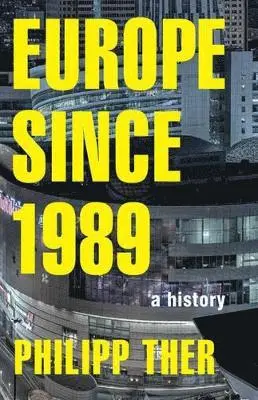
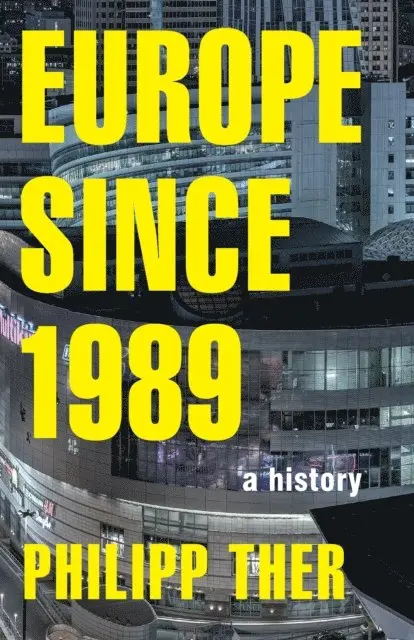
The year 1989 brought the fall of the Berlin Wall and the collapse of communism in Eastern Europe. It was also the year that the economic theories of Reagan, Thatcher, and the Chicago School achieved global dominance. And it was these neoliberal ideas that largely determined the course of the political, economic, and social changes that transformed Europe--both east and west--over the next quarter century. This award-winning book provides the first comprehensive history of post-1989 Europe. Philipp Ther--a firsthand witness to many of the transformations, from Czechoslovakia during the Velvet Revolution to postcommunist Poland and Ukraine--offers a sweeping narrative filled with vivid details and memorable stories. He describes how liberalization, deregulation, and privatization had catastrophic effects on former Soviet Bloc countries. He refutes the idea that this economic "shock therapy" was the basis of later growth, arguing that human capital and the "transformation from below" determined economic success or failure.Most important, he shows how the capitalist West's effort to reshape Eastern Europe in its own likeness ended up reshaping Western Europe as well, in part by accelerating the pace and scope of neoliberal reforms in the West, particularly in reunified Germany. Finally, bringing the story up to the present, Ther compares events in Eastern and Southern Europe leading up to and following the 2008-9 global financial crisis. A compelling and often-surprising account of how the new order of the New Europe was wrought from the chaotic aftermath of the Cold War, this is essential reading for understanding Europe today.
Inbunden, Engelska, 2019
256 kr
Skickas inom 5-8 vardagar
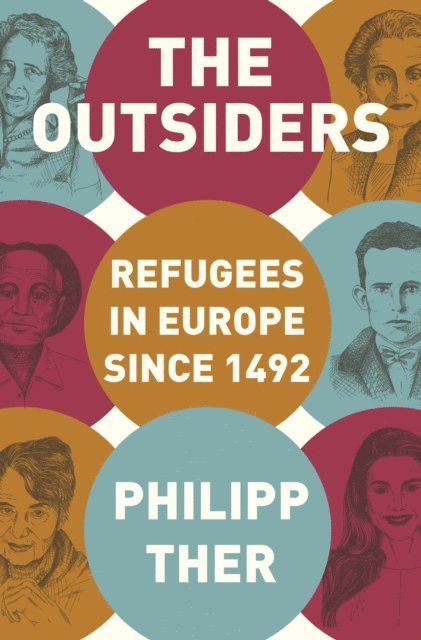
The history of Europe as a continent of refugeesEuropean history has been permeated with refugees. The Outsiders chronicles every major refugee movement since 1492, when the Catholic rulers of Spain set in motion the first mass flight and expulsion in modern European history. Philipp Ther provides needed perspective on today’s “refugee crisis,” demonstrating how Europe has taken in far greater numbers of refugees in earlier periods of its history, in wartime as well as peacetime. His sweeping narrative crosses the Mediterranean and the Atlantic, taking readers from the Middle East to the shores of America.In this compelling book, Ther examines the major causes of mass flight, from religious intolerance and ethnic cleansing to political persecution and war. He describes the perils and traumas of flight and explains why refugees and asylum seekers have been welcomed in some periods—such as during the Cold War—and why they are rejected in times such as our own. He also examines the afterlives of the refugees in the receiving countries, which almost always benefited from admitting them. Tracing the lengthy routes of the refugees, he reconceptualizes Europe as a unit of geography and historiography. Turning to the history of refugees in the United States, Ther also discusses the anti-refugee politics of the Trump administration, explaining why they are un-American and bad for the country.By setting mass flight against fifteen biographical case studies, and drawing on his subjects’ experiences, itineraries, and personal convictions, Ther puts a human face on a global phenomenon that concerns all of us.
Häftad, Engelska, 2018
214 kr
Skickas inom 5-8 vardagar
An award-winning history of the transformation of Europe between 1989 and todayIn this award-winning book, Philipp Ther provides the first comprehensive history of post-1989 Europe, offering a sweeping narrative filled with vivid details and memorable stories. Europe since 1989 shows how liberalization, deregulation, and privatization had catastrophic effects on former Soviet Bloc countries. Ther refutes the idea that this economic “shock therapy” was the basis of later growth, arguing that human capital and the “transformation from below” determined economic success or failure. He also shows how the capitalist West’s effort to reshape Eastern Europe in its own likeness ended up reshaping Western Europe, especially Germany. Bringing the story up to the present, Ther compares Eastern and Southern Europe after the 2008–9 global financial crisis. A compelling account of how the new order of Europe was wrought from the chaotic aftermath of the Cold War, Europe since 1989 is essential reading for understanding post-Brexit Europe and the present dangers for democracy and the European Union.
Häftad, Engelska, 2021
189 kr
Skickas inom 5-8 vardagar
The history of Europe as a continent of refugeesEuropean history has been permeated with refugees. The Outsiders chronicles every major refugee movement since 1492, when the Catholic rulers of Spain set in motion the first mass flight and expulsion in modern European history. Philipp Ther provides needed perspective on today’s “refugee crisis,” demonstrating how Europe has taken in far greater numbers of refugees in earlier periods of its history, in wartime as well as peacetime. His sweeping narrative crosses the Mediterranean and the Atlantic, taking readers from the Middle East to the shores of America.In this compelling book, Ther examines the major causes of mass flight, from religious intolerance and ethnic cleansing to political persecution and war. He describes the perils and traumas of flight and explains why refugees and asylum seekers have been welcomed in some periods—such as during the Cold War—and why they are rejected in times such as our own. He also examines the afterlives of the refugees in the receiving countries, which almost always benefited from admitting them. Tracing the lengthy routes of the refugees, he reconceptualizes Europe as a unit of geography and historiography. Turning to the history of refugees in the United States, Ther also discusses the anti-refugee politics of the Trump administration, explaining why they are un-American and bad for the country.By setting mass flight against fifteen biographical case studies, and drawing on his subjects’ experiences, itineraries, and personal convictions, Ther puts a human face on a global phenomenon that concerns all of us.
Häftad, Engelska, 2001
843 kr
Skickas inom 10-15 vardagar
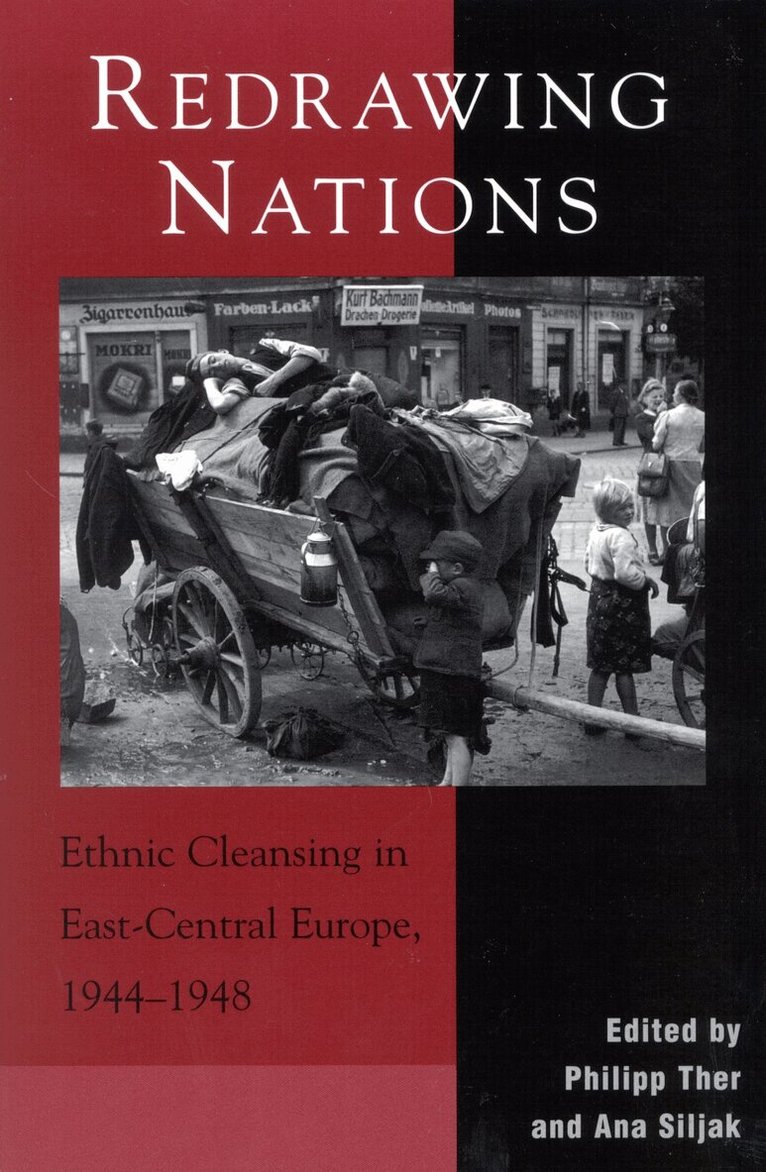
After World War II, some 12 million Germans, 3 million Poles and Ukrainians, and tens of thousands of Hungarians were expelled from their homes and forced to migrate to their supposed countries of origin. Using freshly available materials from Polish, Ukrainian, Russian, Czechoslovak, German, British, and American archives, the contributors to this book provide a sweeping, detailed account of the turmoil caused by the huge wave of forced migration during the nascent Cold War. The book also documents the deep and lasting political, social, and economic consequences of this traumatic time, raising difficult questions about the effect of forced migration on postwar reconstruction, the rise of Communism, and the growing tensions between Western Europe and the Eastern bloc. Those interested in European Cold-War history will find this book indispensable for understanding the profound—but hitherto little known—upheavals caused by the massive ethnic cleansing that took place from 1944 to 1948.
Inbunden, Engelska, 2025
3 375 kr
Skickas inom 10-15 vardagar
This cutting-edge collection of essays analyzes the pivotal year of 1989 and the transformation processes that resulted from a historical perspective. It takes the events of that momentous year as a pivot to explore longer-term processes of economic, social, political, and cultural transformation linked to the rise of neoliberalism and globalization since the 1970s and enduring until now.Referencing the work of Karl Polanyi, the handbook advances four main arguments: that the “great transformation” presented here started earlier than 1989; that its legacies linger in spaces, practices, and objects; that in order to grasp the scale of what happened around 1989, it is important to bring Eastern and Central Europe into conversation with other global regions; and that the former Eastern Bloc served as an important node in a larger, global transformation. Insisting on the “Second World’s” place in the global history of the past five decades, this handbook challenges straightforward core-periphery dichotomies. The contributions to this volume provide different case studies—some national, some comparative, some international or global—each illustrating particular trends and developments.The handbook is directed at students and scholars of contemporary history of East Central Europe, of global and economic history, and at scholars of sociology, anthropology, and political science interested in post-1989 transformation, neoliberalism, and globalization.
Inbunden, Engelska, 2024
735 kr
Skickas inom 5-8 vardagar
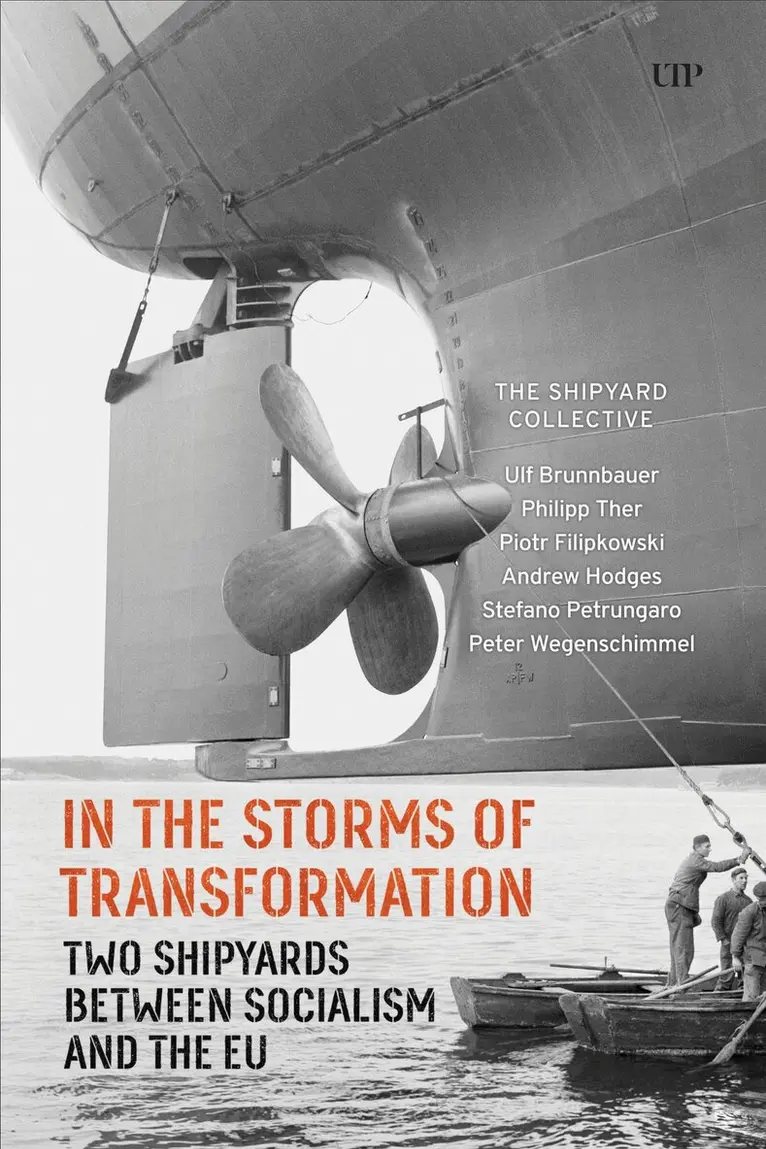
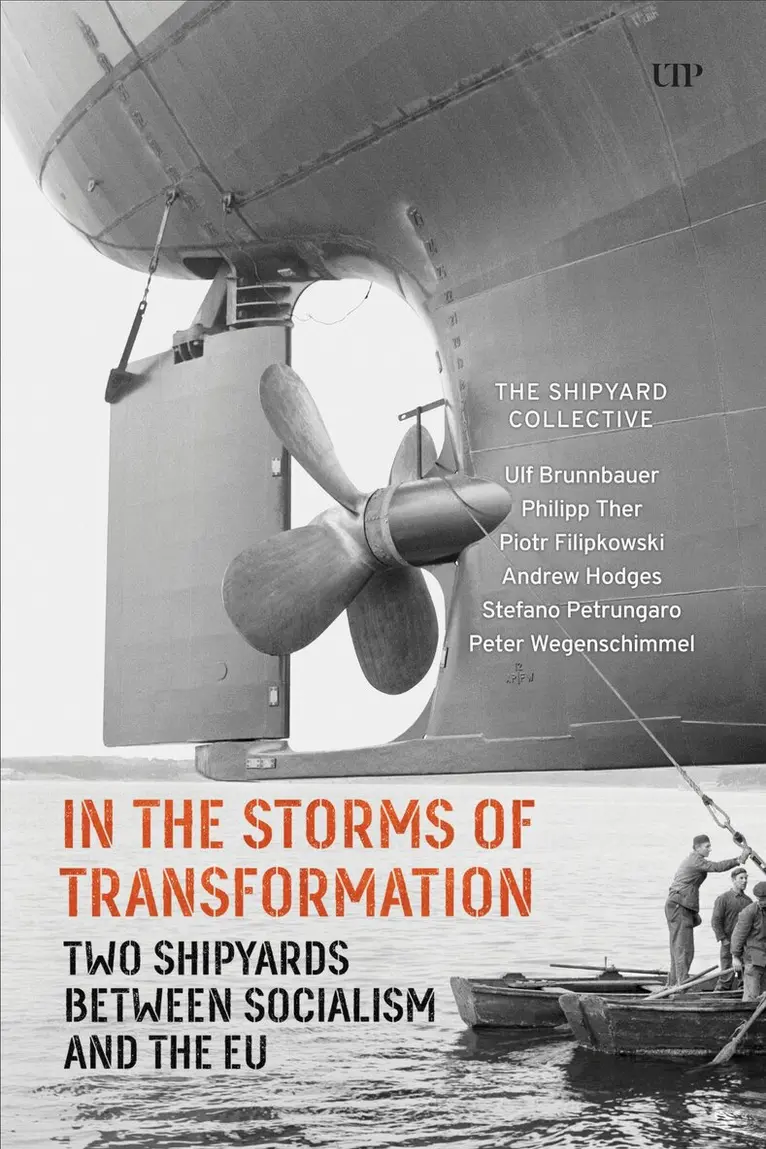
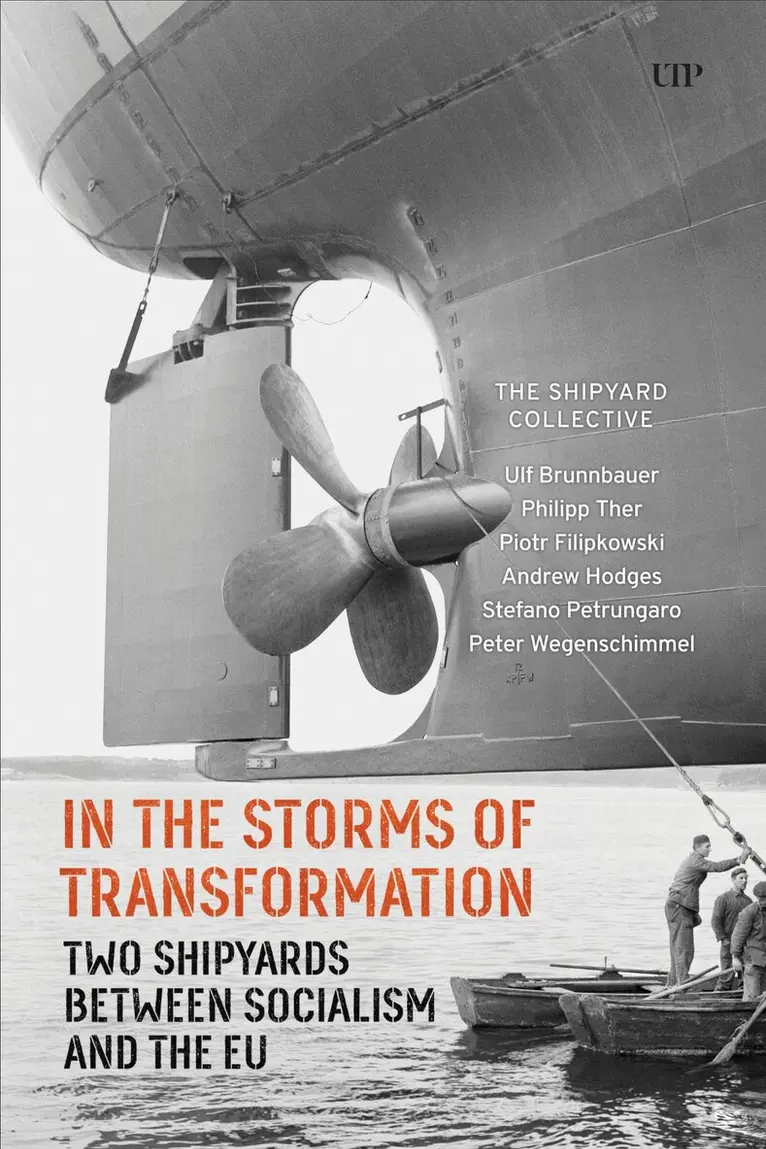
In the 1990s, states in what would become the eastern edge of the European Union transformed their political systems and economies, leaving state socialism behind for liberal democracies and free markets. In the ensuing decades, two shipyards that were once the pride of their cities – in Gdynia, Poland, and Pula, Croatia – went bankrupt, unable to withstand global competition.Through an interdisciplinary study of these two shipyards, In the Storms of Transformation brings together a team of researchers to re-evaluate the shift from state socialism to market capitalism and offer a new periodization. With perspectives from social anthropology, sociology, and business history, the book argues that this transformation began with the oil crisis of the early 1970s and ended with EU accession – in 2004 in Poland and in 2013 in Croatia – highlighting the EU competition laws and global competition that pushed the shipyards into bankruptcy and diminishing the role of the revolutions of 1989.In the Storms of Transformation bridges local labour history with global market forces, going beyond prevalent narratives of loss and nostalgia or successful neoliberal change to offer a novel and nuanced reading of post-communist transformation and its contradictions.
Häftad, Engelska, 2024
351 kr
Skickas inom 5-8 vardagar
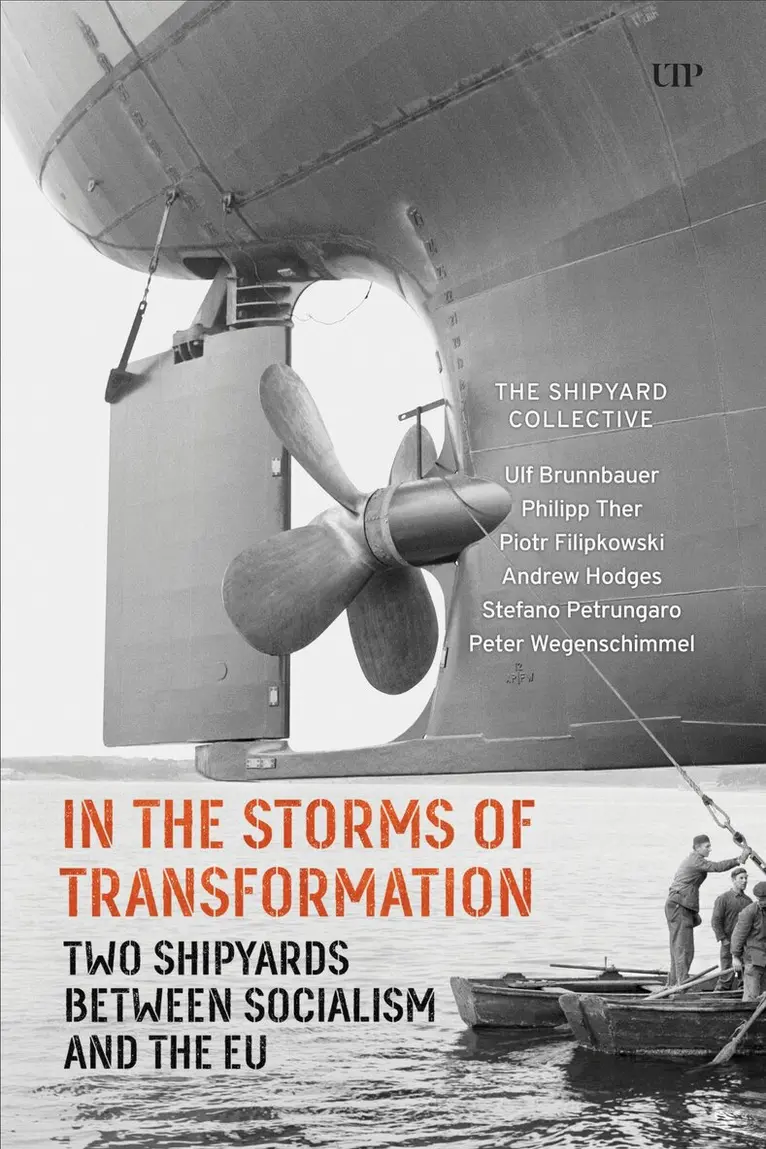
In the 1990s, states in what would become the eastern edge of the European Union transformed their political systems and economies, leaving state socialism behind for liberal democracies and free markets. In the ensuing decades, two shipyards that were once the pride of their cities – in Gdynia, Poland, and Pula, Croatia – went bankrupt, unable to withstand global competition.Through an interdisciplinary study of these two shipyards, In the Storms of Transformation brings together a team of researchers to re-evaluate the shift from state socialism to market capitalism and offer a new periodization. With perspectives from social anthropology, sociology, and business history, the book argues that this transformation began with the oil crisis of the early 1970s and ended with EU accession – in 2004 in Poland and in 2013 in Croatia – highlighting the EU competition laws and global competition that pushed the shipyards into bankruptcy and diminishing the role of the revolutions of 1989.In the Storms of Transformation bridges local labour history with global market forces, going beyond prevalent narratives of loss and nostalgia or successful neoliberal change to offer a novel and nuanced reading of post-communist transformation and its contradictions.
Inbunden, Engelska, 2023
704 kr
Skickas inom 5-8 vardagar
When the Berlin Wall was stormed and the Soviet Union fell apart, the West and above all the United States looked like the sole victors of history. Three decades later, the spirit of triumph rings hollow. What went wrong?In this sequel to his award-winning history of neoliberal Europe, the renowned historian Philipp Ther searches for an answer to this question. He argues that global capitalism created many losers, preparing the ground for the rise of right-wing populists and nationalists. He shows how the promise of prosperity and freedom did not catch on sufficiently in Eastern Europe despite material progress, and how the West lost Russia and alienated Turkey. Neoliberal capitalism also left the world poorly prepared to cope with Covid-19, and the pandemic further weakened the Western hegemony of the post-1989 period, which is now brutally contested by Russia’s war against Ukraine. The double punch of the pandemic and the biggest war in Europe since 1945 has brought to a close the age of transformation that was inaugurated by the end of the Cold War. This penetrating analysis of the disarray of the post-1989 world will be of great interest to anyone who wishes to understand how we got to where we are today and the tremendous challenges we now face.
Häftad, Engelska, 2023
247 kr
Skickas inom 5-8 vardagar
When the Berlin Wall was stormed and the Soviet Union fell apart, the West and above all the United States looked like the sole victors of history. Three decades later, the spirit of triumph rings hollow. What went wrong?In this sequel to his award-winning history of neoliberal Europe, the renowned historian Philipp Ther searches for an answer to this question. He argues that global capitalism created many losers, preparing the ground for the rise of right-wing populists and nationalists. He shows how the promise of prosperity and freedom did not catch on sufficiently in Eastern Europe despite material progress, and how the West lost Russia and alienated Turkey. Neoliberal capitalism also left the world poorly prepared to cope with Covid-19, and the pandemic further weakened the Western hegemony of the post-1989 period, which is now brutally contested by Russia’s war against Ukraine. The double punch of the pandemic and the biggest war in Europe since 1945 has brought to a close the age of transformation that was inaugurated by the end of the Cold War. This penetrating analysis of the disarray of the post-1989 world will be of great interest to anyone who wishes to understand how we got to where we are today and the tremendous challenges we now face.
Häftad, Engelska, 2014
439 kr
Skickas inom 10-15 vardagar
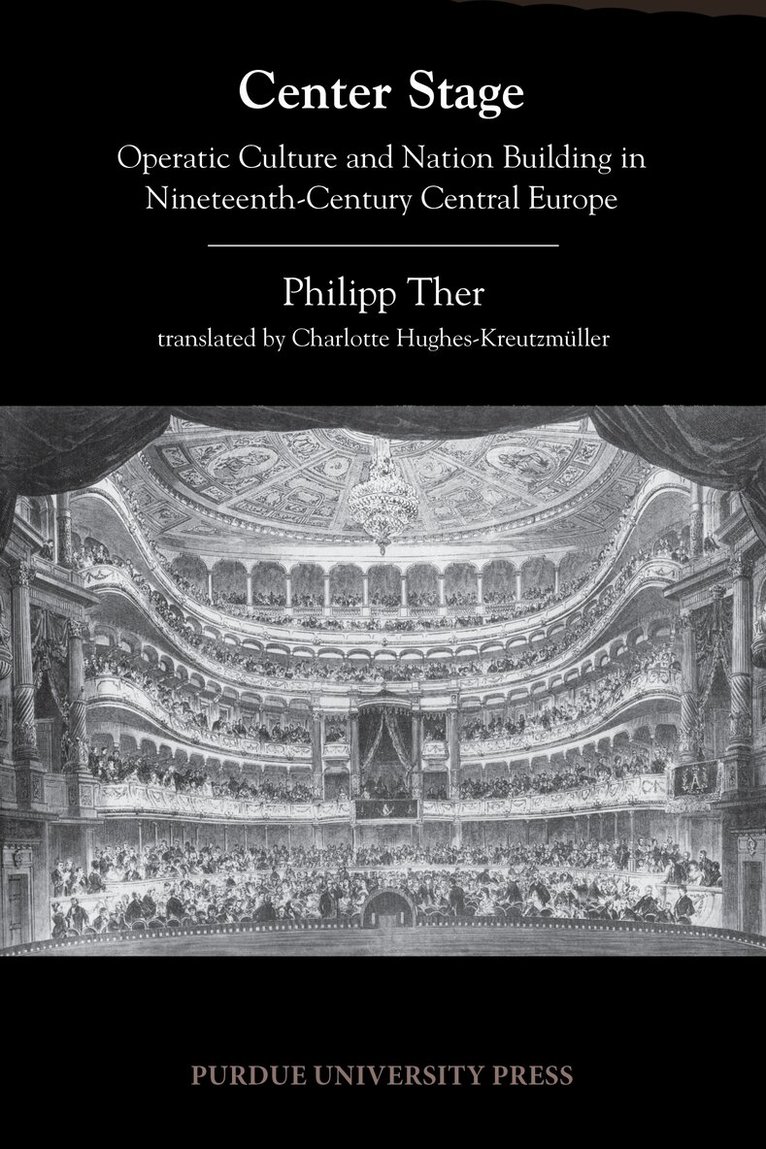
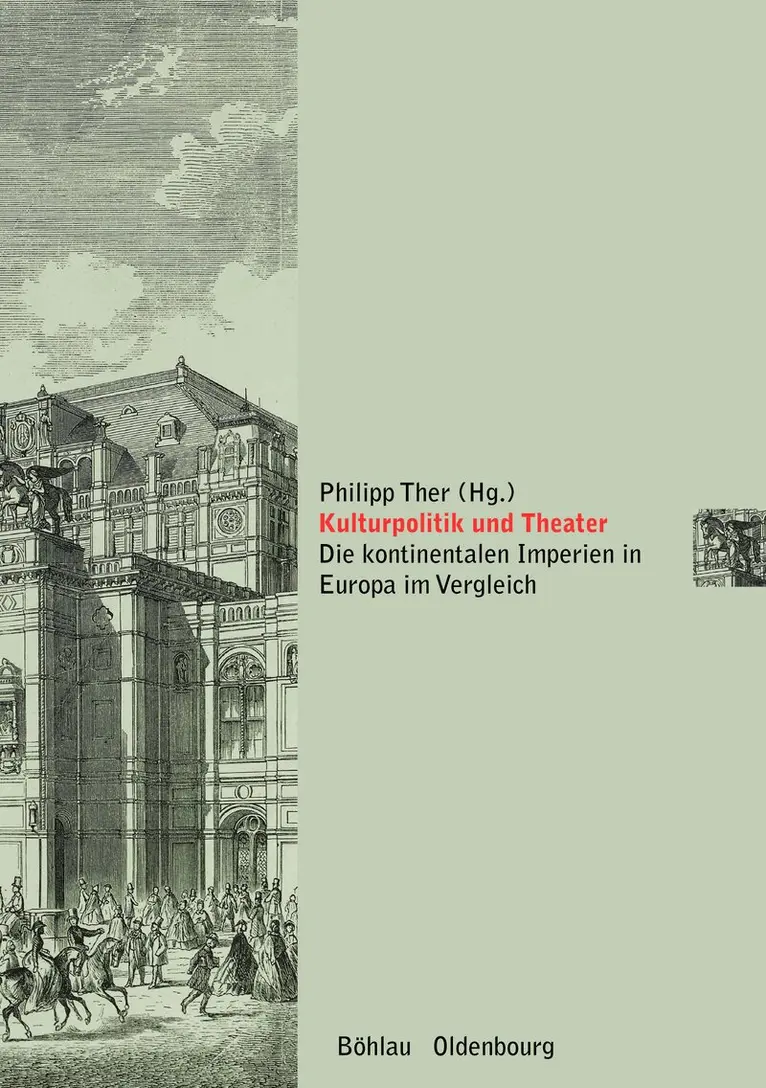
Grand palaces of culture, opera theaters marked the center of European cities like the cathedrals of the Middle Ages. As opera cast its spell, almost every European city and society aspired to have its own opera house, and dozens of new theaters were constructed in the course of the "long" nineteenth century. At the time of the French Revolution in 1789, only a few, mostly royal, opera theaters, existed in Europe. However, by the turn of the nineteenth and twentieth centuries nearly every large town possessed a theater in which operas were performed, especially in Central Europe, the region upon which this book concentrates. This volume, a revised and extended version of two well-reviewed books published in German and Czech, explores the social and political background to this "opera mania" in nineteenth century Central Europe. After tracing the major trends in the opera history of the period, including the emergence of national genres of opera and its various social functions and cultural meanings, the author contrasts the histories of the major houses in Dresden (a court theater), Lemberg (a theater built and sponsored by aristocrats), and Prague (a civic institution). Beyond the operatic institutions and their key stage productions, composers such as Carl Maria von Weber, Richard Wagner, Bed?ich Smetana, Stanis?aw Moniuszko, Antonín Dvo?ák, and Richard Strauss are put in their social and political contexts. The concluding chapter, bringing together the different leitmotifs of social and cultural history explored in the rest of the book, explains the specificities of opera life in Central Europe within a wider European and global framework.
Inbunden, Engelska, 2014
1 960 kr
Skickas inom 3-6 vardagar
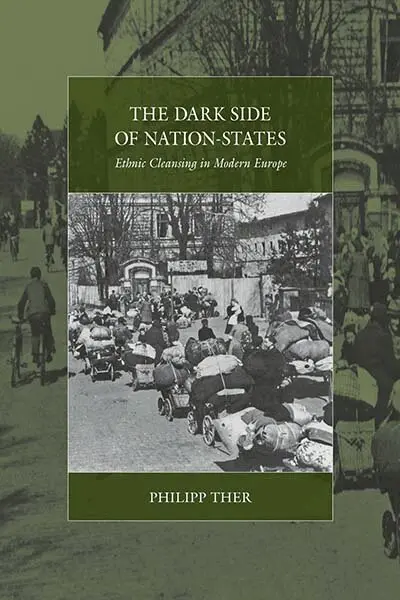
Why was there such a far-reaching consensus concerning the utopian goal of national homogeneity in the first half of the twentieth century? Ethnic cleansing is analyzed here as a result of the formation of democratic nation-states, the international order based on them, and European modernity in general. Almost all mass-scale population removals were rationally and precisely organized and carried out in cold blood, with revenge, hatred and other strong emotions playing only a minor role. This book not only considers the majority of population removals which occurred in Eastern Europe, but is also an encompassing, comparative study including Western Europe, interrogating the motivations of Western statesmen and their involvement in large-scale population removals. It also reaches beyond the European continent and considers the reverberations of colonial rule and ethnic cleansing in the former British colonies.
Häftad, Engelska, 2016
500 kr
Skickas inom 3-6 vardagar
Why was there such a far-reaching consensus concerning the utopian goal of national homogeneity in the first half of the twentieth century? Ethnic cleansing is analyzed here as a result of the formation of democratic nation-states, the international order based on them, and European modernity in general. Almost all mass-scale population removals were rationally and precisely organized and carried out in cold blood, with revenge, hatred and other strong emotions playing only a minor role. This book not only considers the majority of population removals which occurred in Eastern Europe, but is also an encompassing, comparative study including Western Europe, interrogating the motivations of Western statesmen and their involvement in large-scale population removals. It also reaches beyond the European continent and considers the reverberations of colonial rule and ethnic cleansing in the former British colonies.
Inbunden, Engelska, 2007
1 960 kr
Skickas inom 3-6 vardagar
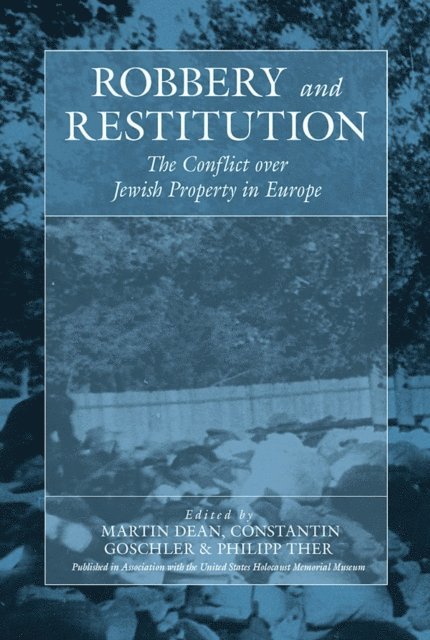
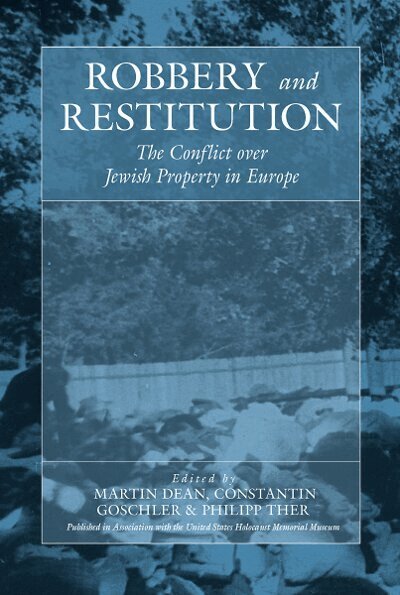
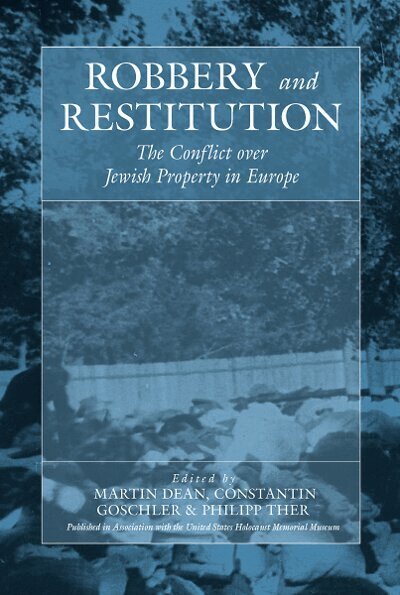
The robbery and restitution of Jewish property are two inextricably linked social processes. It is not possible to understand the lawsuits and international agreements on the restoration of Jewish property of the late 1990s without examining what was robbed and by whom. In this volume distinguished historians first outline the mechanisms and scope of the European-wide program of plunder and then assess the effectiveness and historical implications of post-war restitution efforts. Everywhere the solution of legal and material problems was intertwined with changing national myths about the war and conflicting interpretations of justice. Even those countries that pursued extensive restitution programs using rigorous legal means were unable to compensate or fully comprehend the scale of Jewish loss. Especially in Eastern Europe, it was not until the collapse of communism that the concept of restoring some Jewish property rights even became a viable option. Integrating the abundance of new research on the material effects of the Holocaust and its aftermath, this comparative perspective examines the developments in Germany, Poland, Italy, France, Belgium, Hungary and the Czech Republic.
Häftad, Engelska, 2008
570 kr
Skickas inom 3-6 vardagar
The robbery and restitution of Jewish property are two inextricably linked social processes. It is not possible to understand the lawsuits and international agreements on the restoration of Jewish property of the late 1990s without examining what was robbed and by whom. In this volume distinguished historians first outline the mechanisms and scope of the European-wide program of plunder and then assess the effectiveness and historical implications of post-war restitution efforts. Everywhere the solution of legal and material problems was intertwined with changing national myths about the war and conflicting interpretations of justice. Even those countries that pursued extensive restitution programs using rigorous legal means were unable to compensate or fully comprehend the scale of Jewish loss. Especially in Eastern Europe, it was not until the collapse of communism that the concept of restoring some Jewish property rights even became a viable option. Integrating the abundance of new research on the material effects of the Holocaust and its aftermath, this comparative perspective examines the developments in Germany, Poland, Italy, France, Belgium, Hungary and the Czech Republic.
Häftad, Tyska, 2012
725 kr
Skickas inom 11-20 vardagar
Del 2744 - edition suhrkamp
Das andere Ende der Geschichte
Häftad, Tyska
193 kr
Skickas inom 3-6 vardagar
Inbunden, Tyska, 2025
346 kr
Skickas inom 3-6 vardagar
Häftad, Tyska, 2016
193 kr
Skickas inom 3-6 vardagar
Inbunden, Engelska, 2008
1 743 kr
Skickas inom 10-15 vardagar
A first attempt to present an approach to Ukrainian history which goes beyond the standard 'national narrative' schemes, predominant in the majority of post-Soviet countries after 1991, in the years of implementing 'nation-building projects'. An unrivalled collection of essays by the finest scholars in the field from Ukraine, Russia, USA, Germany, Austria and Canada, superbly written to a high academic standard. The various chapters are methodologically innovative and thought-provoking. The biggest Eastern European country has ancient roots but also the birth pangs of a new autonomous state. Its historiography is characterized by animated debates, in which this book takes a definite stance. The history of Ukraine is not written here as a linear, teleological narrative of ethnic Ukrainians but as a multicultural, multidimensional history of a diversity of cultures, religious denominations, languages, ethical norms, and historical experience. It is not presented as causal explanation of 'what has to have happened' but rather as conjunctures and contingencies, disruptions, and episodes of 'lack of history.'
Häftad, Engelska, 2008
675 kr
Skickas inom 10-15 vardagar
A first attempt to present an approach to Ukrainian history which goes beyond the standard 'national narrative' schemes, predominant in the majority of post-Soviet countries after 1991, in the years of implementing 'nation-building projects'. An unrivalled collection of essays by the finest scholars in the field from Ukraine, Russia, USA, Germany, Austria and Canada, superbly written to a high academic standard. The various chapters are methodologically innovative and thought-provoking. The biggest Eastern European country has ancient roots but also the birth pangs of a new autonomous state. Its historiography is characterized by animated debates, in which this book takes a definite stance. The history of Ukraine is not written here as a linear, teleological narrative of ethnic Ukrainians but as a multicultural, multidimensional history of a diversity of cultures, religious denominations, languages, ethical norms, and historical experience. It is not presented as causal explanation of 'what has to have happened' but rather as conjunctures and contingencies, disruptions, and episodes of 'lack of history.'