Nirmal Kanti Chakrabarti – författare
Visar alla böcker från författaren Nirmal Kanti Chakrabarti. Handla med fri frakt och snabb leverans.
3 produkter
3 produkter
Inbunden, Engelska, 2026
2 427 kr
Kommande
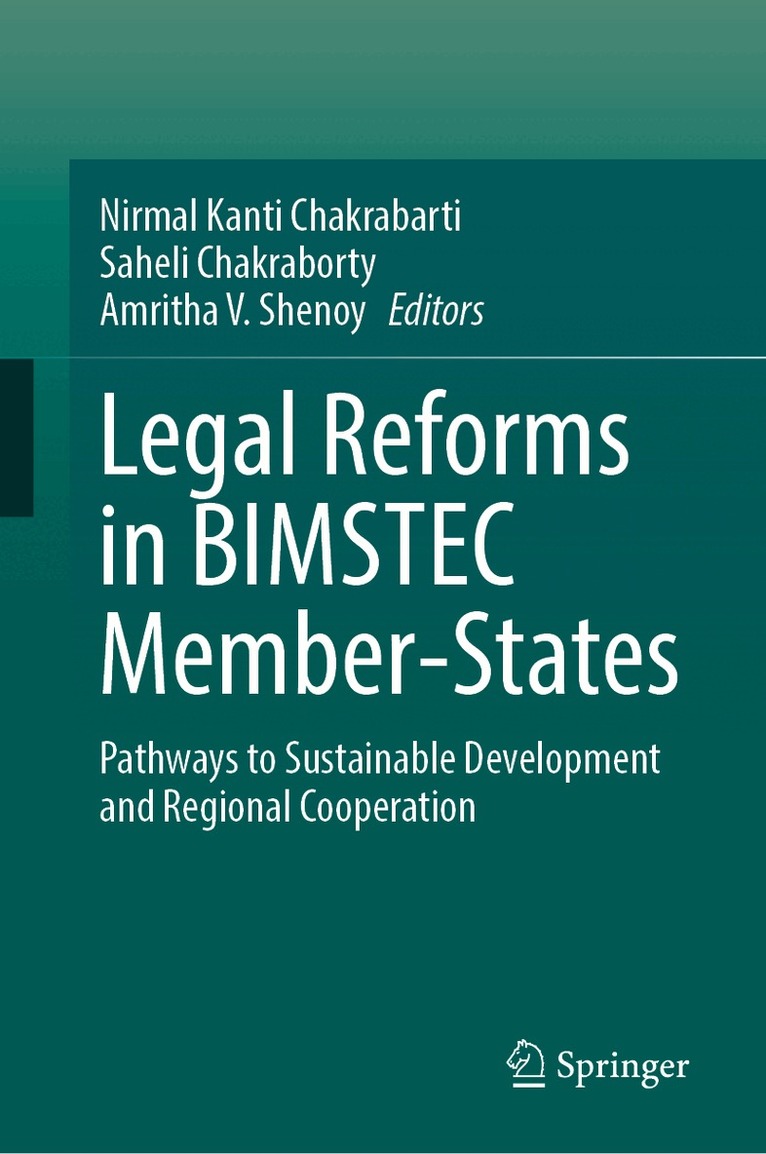
This volume provides a comprehensive legal examination of BIMSTEC’s evolving institutional framework, critically analyzing its role in fostering regional cooperation and partnership in alignment with SDG17. The book explores how legal frameworks can serve as mechanisms for strengthening regional integration, enhancing policy coherence, and promoting multi-stakeholder partnerships across BIMSTEC member states. By engaging with legal scholarship and comparative regional models, it evaluates how BIMSTEC can facilitate cross-border trade, investment, and regulatory harmonisation to create a more interconnected and resilient economic bloc. The chapters collectively address the legal dimensions of SDG 17 by examining BIMSTEC’s potential in fostering public-private partnerships, improving regional governance structures, and establishing inclusive legal frameworks for sustainable development. Key themes include legal mechanisms for trade and investment integration, transnational crime cooperation, refugee governance, environmental stewardship, etc. The volume further delves into sector-specific legal reforms that can enhance institutional collaboration and knowledge-sharing within the BIMSTEC framework, drawing lessons from other regional organizations such as ASEAN and the EU.With contributions from leading legal scholars, policymakers, and jurists, this book is an essential resource for those engaged in international law, regional governance, and sustainable development. By centering its analysis on SDG 17, it offers actionable legal insights into how BIMSTEC can strengthen institutional partnerships, advance collective decision-making, and reinforce the legal infrastructure necessary for achieving long-term regional cooperation.
Inbunden, Engelska, 2026
1 957 kr
Kommande
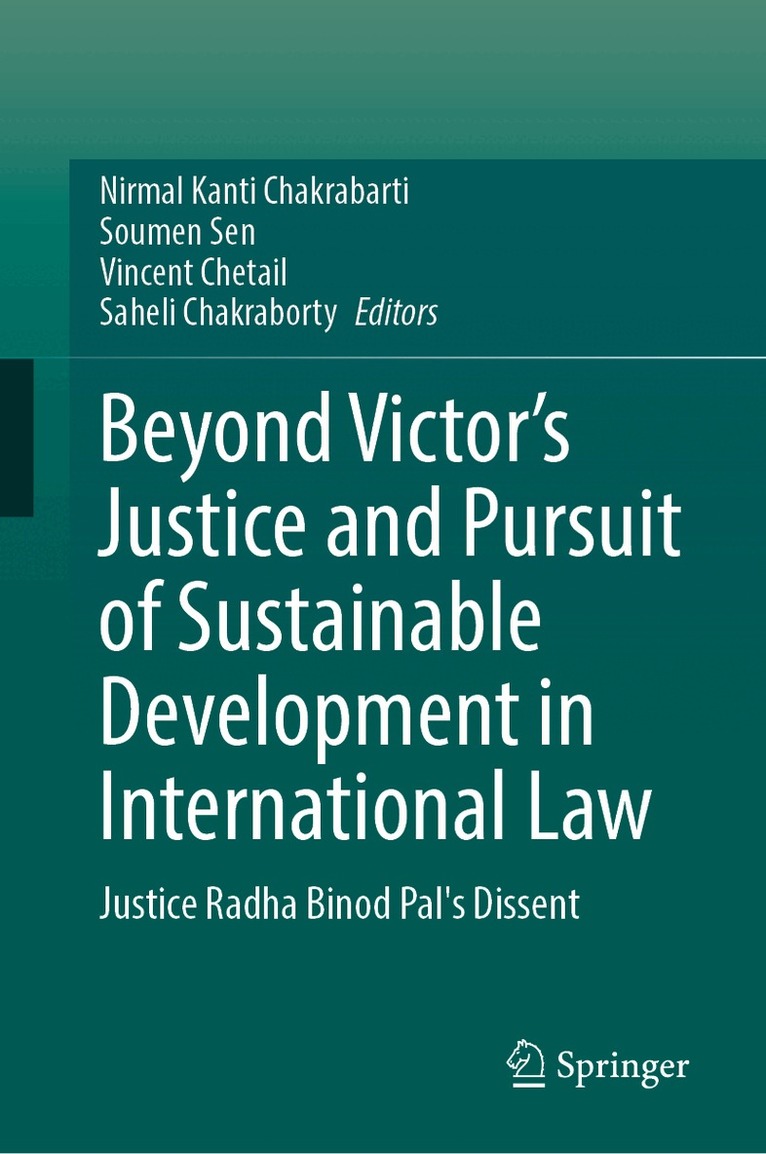
This volume provides a nuanced analysis of the profound impact left by the dissenting opinion in the Tokyo Trial by Justice Radha Binod Pal's ideological stance on modern international criminal law. It consists of a detailed examination of this bold opinion on post-war justice that built the legacy of Justice Radha Binod Pal. Through an interdisciplinary perspective, this collection analyses the contemporary impact of Justice Pal's dissent and his ideologies and how they can impact contemporary dialogue in international law revolving around fairness, justice, accountability and inclusivity in international law and global power dynamics. It explores the intersection of his critique with contemporary concerns such as the decolonisation of international law, the legitimacy of global legal institutions, and the pursuit of a just world order. By engaging with issues such as territorial conflicts, and the role of legal pluralism, this volume aligns with the broader objectives of SDG16 (Peace, Justice, and Strong Institutions), offering a critical lens on how international law can evolve to promote equitable and transparent global governance. With contributions ranging from analysis of historical perspectives to examination of contemporary implications, the edited volume shall be essential for readers interested in international law and scholars established in the research field of international criminal law, international humanitarian law and human rights, fair global order and the evolving role of dissent, inclusivity, cultural and social contextualisation.
Inbunden, Engelska, 2026
2 427 kr
Kommande
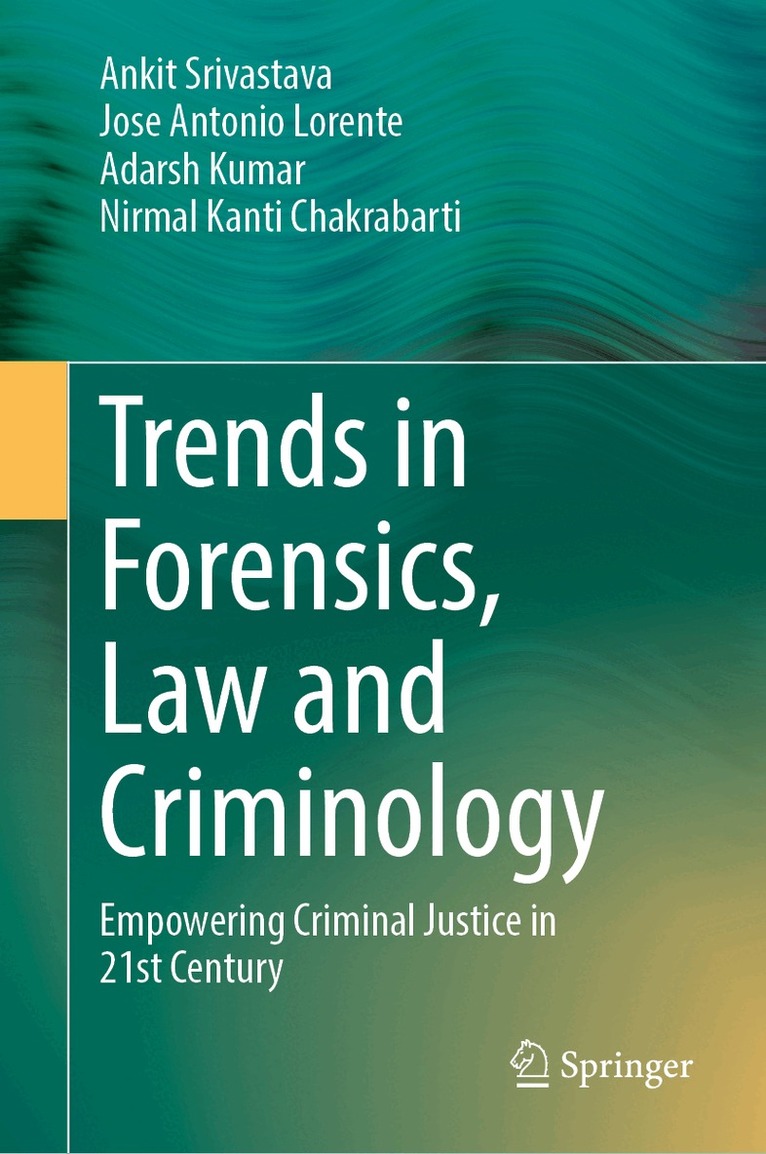
This book brings together studies in forensics, law and criminology, which are all equally essential for a fair criminal justice system. It gives a comprehensive view to a wide variety of readers from the three communities across the globe to connect the dots which link all these three subjects, thus catalyzing interdisciplinary collaborations. The book explores the topics through four themes -- exploring forensic science in the 21st century; looking at law and criminal justice in the new millennium; contemporary trends in criminology; and, medico-legal aspects of human identification.The readers who will find important learnings in the book include scientists, legal and law enforcement practitioners, academicians and students to create a holistic environment for cumulative and collaborative approach towards the criminal justice system.