Nitish Kumar – författare
2 132 kr
Skickas inom 10-15 vardagar
970 kr
Läs direkt efter köp
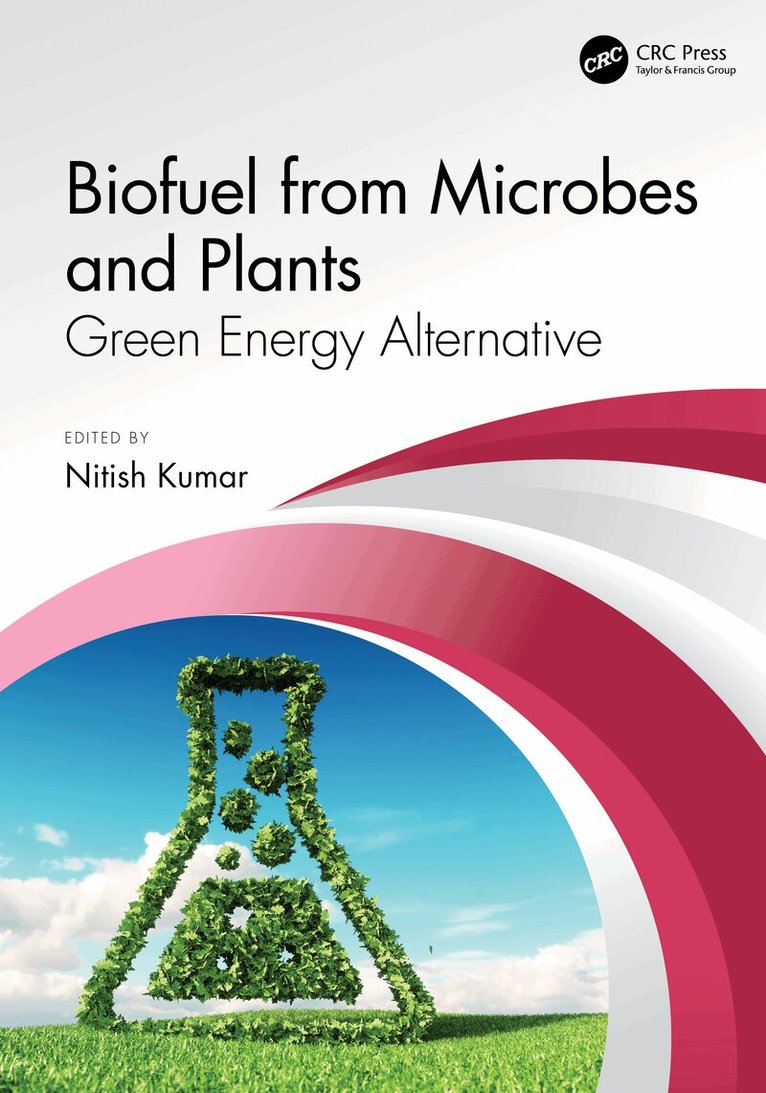
Global concern for energy security and environmental protection has put great emphasis on the search for alternative energy sources, particularly for the transport sector. Biofuels have emerged as a highly promising source of alternative energy, and have drawn global research and development for their production using biomass. With the increasing worldwide demand for energy, along with the depletion of conventional fossil fuel reserves, there has been growing global interest in developing alternative sources of energy. There has also been concern in growing economies regarding energy security. Biofuels offer much promise on these frontiers. In addition to these factors, they also have a reduced environmental impact in comparison to fossil fuels. Biofuels from Microbes and Plants provides state-of-the-art information on the status of biofuel production and related aspects.
Academics, researchers, engineers, and technologists will develop a greater understanding of the relevant concepts and solutions to the global issues related to achieving alternative energy applications for future energy security, as well as environmental sustainability in medium- and large-scale industries.
Key Features
Detailed overview of the alternative energy field and the role of biofuels as new energy sources
Detailed accounts of the production of biodiesel from non-conventional bio-feedstocks such as algae, microbes, and vegetable oils
Recent updates about biotechnological improvements of plant and microbial sources for biofuel production
970 kr
Läs direkt efter köp
Global concern for energy security and environmental protection has put great emphasis on the search for alternative energy sources, particularly for the transport sector. Biofuels have emerged as a highly promising source of alternative energy, and have drawn global research and development for their production using biomass. With the increasing worldwide demand for energy, along with the depletion of conventional fossil fuel reserves, there has been growing global interest in developing alternative sources of energy. There has also been concern in growing economies regarding energy security. Biofuels offer much promise on these frontiers. In addition to these factors, they also have a reduced environmental impact in comparison to fossil fuels. Biofuels from Microbes and Plants provides state-of-the-art information on the status of biofuel production and related aspects.
Academics, researchers, engineers, and technologists will develop a greater understanding of the relevant concepts and solutions to the global issues related to achieving alternative energy applications for future energy security, as well as environmental sustainability in medium- and large-scale industries.
Key Features
Detailed overview of the alternative energy field and the role of biofuels as new energy sources
Detailed accounts of the production of biodiesel from non-conventional bio-feedstocks such as algae, microbes, and vegetable oils
Recent updates about biotechnological improvements of plant and microbial sources for biofuel production
942 kr
Läs direkt efter köp
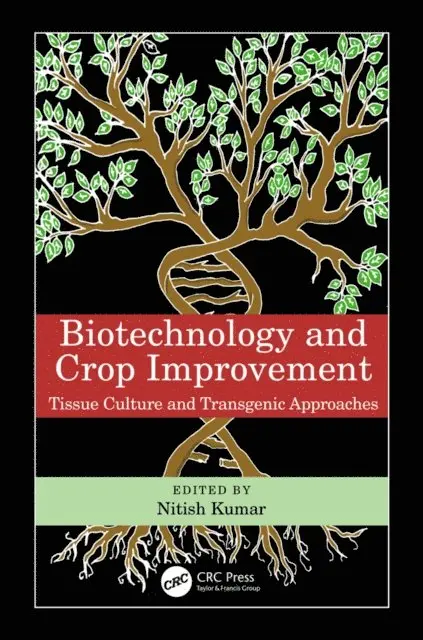
Biotechnology and Crop Improvement
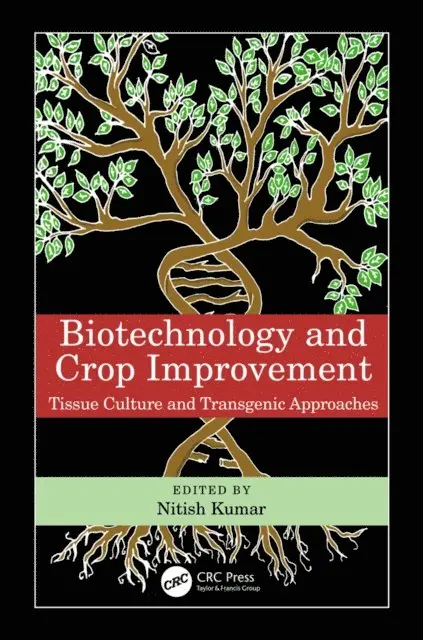
The green revolution led to the development of improved varieties of crops, especially cereals, and since then, classical or molecular breeding has resulted in the creation of economically valuable species. Thanks to recent developments in biotechnology, it has become possible to introduce genes from different sources, such as bacteria, fungi, viruses, mice and humans, to plants. This technology has made the scientific community aware of the critical role of transgenic, not only as a means of producing stress tolerant crops but also as a platform for the production of therapeutics through molecular farming. Biotechnology and Crop Improvement: Tissue Culture and Transgenic Approaches focuses on important field crops to highlight germplasm enhancement for developing resistance to newly emerging diseases, pests, nutrient- and water-use efficiency, root traits and improved tolerance to increasing temperature and introduces significant recent achievements in crop improvement using methods such as micropropagation, somaclonal variation, somatic embryogenesis, anther/pollen/embryo culture, and compressing the breeding cycle for accelerated breeding and early release of crop varieties.
Plant biotechnology has now become an integral part of tissue culture research. The tremendous impact generated by genetic engineering and consequently of transgenic now allows us to manipulate plant genomes at will. There has indeed been a rapid development in this area with major successes in both developed and developing countries. Development of transgenic crop plants, their utilization for improved agriculture, health, ecology and environment and their socio-political impacts are currently important fields in education, research, and industry and also of interest to policy makers, social activists and regulatory and funding agencies. This work prepared with a class-room approach on this multidisciplinary subject will fill an existing gap and meet the requirements of such a broad section of readers. It describes the recent biotechnological advancement and developments in plant tissue culture and transgenic. Plant tissue culture techniques such as such as micropropagation, regeneration, somaclonal variation, somatic embryogenesis, anther/pollen/embryo culture are discussed for genetic improvement of crop plant. Transgenic techniques are discussed for developing resistance to newly emerging diseases, pests, nutrient- and water-use efficiency, root traits, and improved tolerance to increasing temperature.
Key Features
Shows the importance of plant tissue culture and transgenic technology on plant biology research and its application to agricultural production Provides insight into what may lie ahead in this rapidly expanding area of plant research and development Contains contributions from major leaders in the field of plant tissue culture and transgenic technologyThis book is devoted to topics with references at both graduate and postgraduate levels. The book traces the roots of plant biotechnology from the basic sciences to current applications in the biological and agricultural sciences, industry, and medicine. The processes and methods used to genetically engineer plants for agricultural, environmental, and industrial purposes along with bioethical and biosafety issues of the technology are vividly described in the book.
942 kr
Läs direkt efter köp
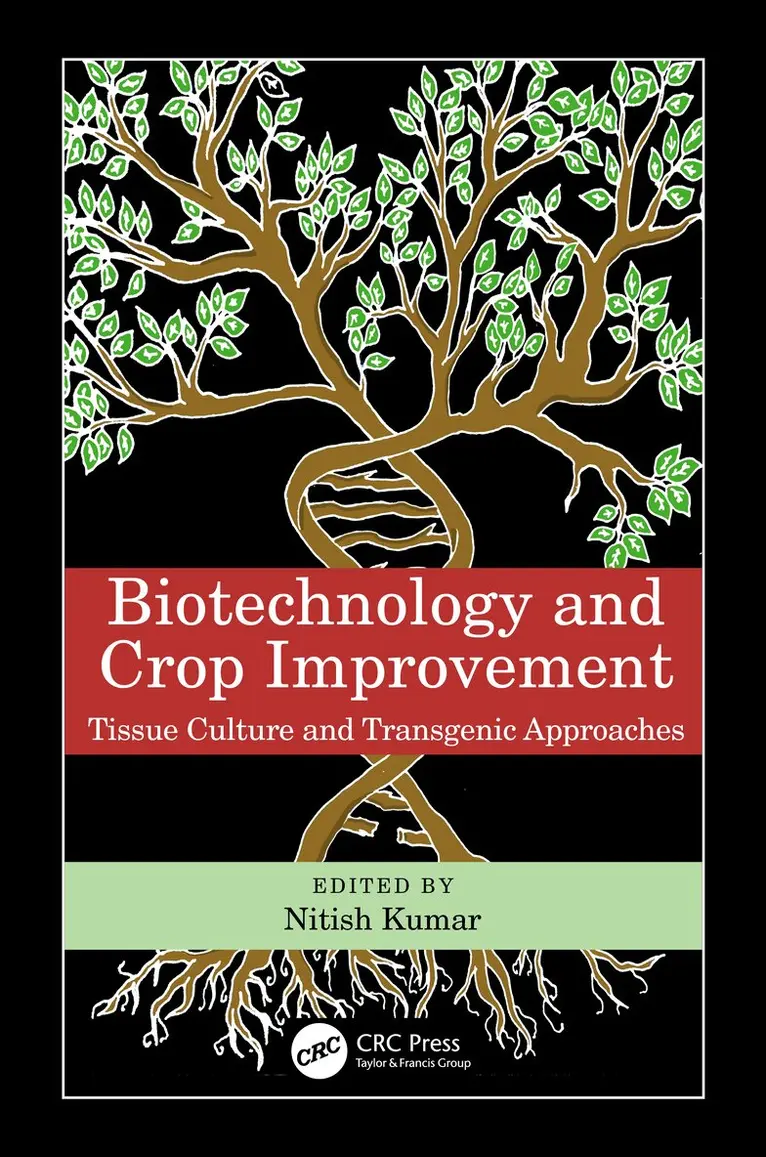
Biotechnology and Crop Improvement
The green revolution led to the development of improved varieties of crops, especially cereals, and since then, classical or molecular breeding has resulted in the creation of economically valuable species. Thanks to recent developments in biotechnology, it has become possible to introduce genes from different sources, such as bacteria, fungi, viruses, mice and humans, to plants. This technology has made the scientific community aware of the critical role of transgenic, not only as a means of producing stress tolerant crops but also as a platform for the production of therapeutics through molecular farming. Biotechnology and Crop Improvement: Tissue Culture and Transgenic Approaches focuses on important field crops to highlight germplasm enhancement for developing resistance to newly emerging diseases, pests, nutrient- and water-use efficiency, root traits and improved tolerance to increasing temperature and introduces significant recent achievements in crop improvement using methods such as micropropagation, somaclonal variation, somatic embryogenesis, anther/pollen/embryo culture, and compressing the breeding cycle for accelerated breeding and early release of crop varieties.
Plant biotechnology has now become an integral part of tissue culture research. The tremendous impact generated by genetic engineering and consequently of transgenic now allows us to manipulate plant genomes at will. There has indeed been a rapid development in this area with major successes in both developed and developing countries. Development of transgenic crop plants, their utilization for improved agriculture, health, ecology and environment and their socio-political impacts are currently important fields in education, research, and industry and also of interest to policy makers, social activists and regulatory and funding agencies. This work prepared with a class-room approach on this multidisciplinary subject will fill an existing gap and meet the requirements of such a broad section of readers. It describes the recent biotechnological advancement and developments in plant tissue culture and transgenic. Plant tissue culture techniques such as such as micropropagation, regeneration, somaclonal variation, somatic embryogenesis, anther/pollen/embryo culture are discussed for genetic improvement of crop plant. Transgenic techniques are discussed for developing resistance to newly emerging diseases, pests, nutrient- and water-use efficiency, root traits, and improved tolerance to increasing temperature.
Key Features
Shows the importance of plant tissue culture and transgenic technology on plant biology research and its application to agricultural production Provides insight into what may lie ahead in this rapidly expanding area of plant research and development Contains contributions from major leaders in the field of plant tissue culture and transgenic technologyThis book is devoted to topics with references at both graduate and postgraduate levels. The book traces the roots of plant biotechnology from the basic sciences to current applications in the biological and agricultural sciences, industry, and medicine. The processes and methods used to genetically engineer plants for agricultural, environmental, and industrial purposes along with bioethical and biosafety issues of the technology are vividly described in the book.
942 kr
Läs direkt efter köp
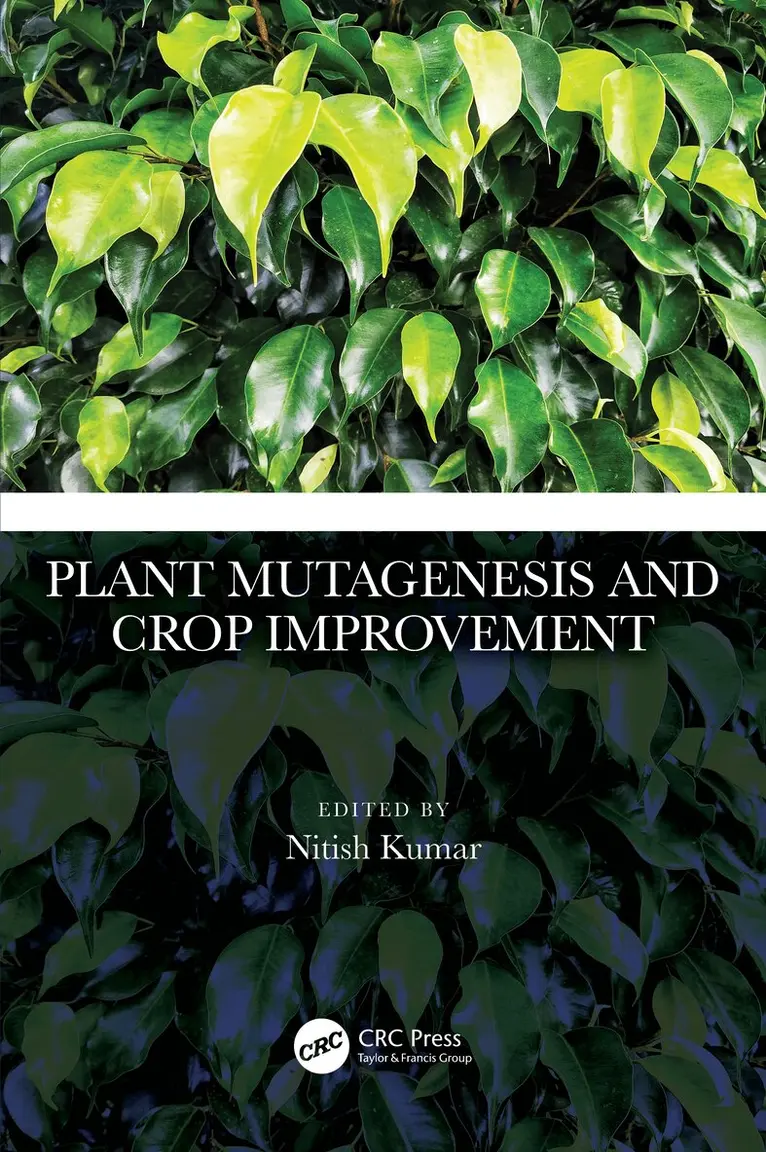
Crop improvement using classically induced mutagenesis is now well standardized. Many new promising varieties of different crops have been successfully developed worldwide using both physical and chemical mutagens. Voluminous literature is now available on basic and applied aspects of mutagenesis. The mutation technique has been refined and holds the promise of generating much wider and more desirable variability than classical breeding. Recent advances in technology combined with classical mutation breeding offer new and exciting challenges for the development of new varieties. A global inventory of induced mutagenesis activities for crop improvement is requried. This book covers both basic and applied aspects of mutation and its impact on various crops: it is extremely well prepared and contains a huge volume of information accumulated using classically induced mutagenesis on different crops in different countries.
Three key features:
Describes the importance of induced mutation in crop plant research and its application to production Highlights new advances in the understanding of plant mutagenesis in crop improvement Contains contributions from major leaders in the field of plant mutation researchThis volume brings together all the important and relevant literature in the field. It provides a complete account of the mutation breeding of crops, presenting conclusions about the value of the method, its possibilities, limitations, and shortcomings, and the possible difficulties of further application in various crops. The initial chapters deal with the interactions between mutagenic treatment and plant material, such as aspects of mutagenic treatment, postirradiation behavior of shoot apices, and adventitious bud techniques. All available literature is then discussed crop by crop and critically evaluated. This will serve as an extremely comprehensive guide for researchers, teachers, students, and individuals who are interested in using induced mutagenesis as a tool for crop improvement.
942 kr
Läs direkt efter köp
Crop improvement using classically induced mutagenesis is now well standardized. Many new promising varieties of different crops have been successfully developed worldwide using both physical and chemical mutagens. Voluminous literature is now available on basic and applied aspects of mutagenesis. The mutation technique has been refined and holds the promise of generating much wider and more desirable variability than classical breeding. Recent advances in technology combined with classical mutation breeding offer new and exciting challenges for the development of new varieties. A global inventory of induced mutagenesis activities for crop improvement is requried. This book covers both basic and applied aspects of mutation and its impact on various crops: it is extremely well prepared and contains a huge volume of information accumulated using classically induced mutagenesis on different crops in different countries.
Three key features:
Describes the importance of induced mutation in crop plant research and its application to production Highlights new advances in the understanding of plant mutagenesis in crop improvement Contains contributions from major leaders in the field of plant mutation researchThis volume brings together all the important and relevant literature in the field. It provides a complete account of the mutation breeding of crops, presenting conclusions about the value of the method, its possibilities, limitations, and shortcomings, and the possible difficulties of further application in various crops. The initial chapters deal with the interactions between mutagenic treatment and plant material, such as aspects of mutagenic treatment, postirradiation behavior of shoot apices, and adventitious bud techniques. All available literature is then discussed crop by crop and critically evaluated. This will serve as an extremely comprehensive guide for researchers, teachers, students, and individuals who are interested in using induced mutagenesis as a tool for crop improvement.
2 071 kr
Skickas inom 10-15 vardagar
1 915 kr
Skickas inom 10-15 vardagar
3 561 kr
Skickas inom 10-15 vardagar
4 430 kr
Läs direkt efter köp
This handbook covers both principal and applications aspects of hydroponics. This reference book shows the state-of-the-art in this area, while offering a clear view of supplying plants with nutrients other than soil. Chapters about hydroponics provides the reader with an understanding of the properties of the various soilless media and how these properties affect plant performance in relation to basic agricultural operations, such as fertilization and irrigation. Chapters explore the drawbacks and advantages of using hydroponics as a soilless crop production system and provide a wider view of science, technology, and economic impact of hydroponics.
This book is a valuable resource to agriculturists, horticulturalists, greenhouse and nursery managers, and professionals involved with the production of plants. The handbook provides chapters about technology and applications of hydroponics. It contains an overview of the relevance of aquaponics in the fulfillment of the SDGs.1 946 kr
Skickas inom 10-15 vardagar
2 524 kr
Läs direkt efter köp
455 kr
Skickas inom 5-8 vardagar
1 623 kr
Skickas inom 10-15 vardagar
2 057 kr
Läs direkt efter köp
Plant bioactive compounds are plant-based natural products that display a variety of pharmacological applications. These bioactive compounds are important as medicines, pigments and flavorings since most of the pharmaceutical industries are highly dependent on medicinal plants and their extraction. The types and concentrations of bioactive compounds produced by plants are determined by the species, genotype, physiology, developmental stage and environmental factors during growth, determining the physiological adaptive responses employed by various plant taxonomic groups in coping with the stress and defensive stimuli. In the past two decades there has been a renewed interest in the study of conventional aspects such as elicitors and biotic and abiotic stress factors that influence secondary metabolism during in vitro and in vivo growth of plants. the application of molecular biology tools and techniques are facilitating increased understanding of the signaling processes and pathwaysinvolved in the bioactive compounds production in subcellular, cellular, organ and whole plant systems during in vivo and in vitro growth, with application in the metabolic engineering of biosynthetic pathways intermediates.
Biosynthesis and Manipulation of Bioactive compounds in Medicinal and Aromatic Plants provides a comprehensive introduction and review of the state-of-the-art biotechnological tools used in enhancement of bioactive compounds in medicinal and aromatic plants. Readers will find a systematic overview of techniques such as Omics, Crisper /Cas9 and RNAi to enhance plant bioactive contents including various in vitro techniques, hairy root culture and transgenic technology to enhance plant bioactive contents using plant tissue culture approaches. The chapters provide an overview of the role of induced mutation, biotic and abiotic stress to increase the bioactive contents in plants, plus the role of endophytes to enhance the contents of plant bioactive compounds and standard operating procedures using hydroponics system of cultivation for significant enhancement of bioactive compounds.
This book serves as a single source for researchers working in plant secondary metabolites and the pharmaceutical industry.
648 kr
Skickas inom 5-8 vardagar
1 623 kr
Skickas inom 10-15 vardagar
2 226 kr
Skickas inom 10-15 vardagar
2 933 kr
Läs direkt efter köp
667 kr
Skickas inom 5-8 vardagar
2 226 kr
Skickas inom 10-15 vardagar
1 671 kr
Skickas inom 10-15 vardagar
2 118 kr
Läs direkt efter köp
Arsenic contamination in drinking water and associated adverse outcomes is one of the major health issues in more than 50 countries worldwide. The scenario is getting even more detrimental with increasing number of affected people and newer sites reported from all over the world. Apart from drinking water, the presence of arsenic has been found in various other dietary sources. Threatening the health of millions of people due to arsenic’s toxicity and carcinogenicity, the major routes of arsenic exposure for humans are either through drinking water or crops. This edited volume brings together a diverse group of environmental science, sustainability, and health researchers to address the challenges posed by global mass poisoning caused by arsenic water contamination. The book sheds light on this global environmental issue and proposes solutions to aquatic contamination through multi-disciplinary sustainable approaches and case studies from different parts of world. This book addresses the problem of arsenic by pursuing a holistic approach. It presents the status quo in different parts of the world and provides essential information on food-related arsenic exposure risks for humans and possible preventive and curative measures for tackling arsenic poisoning. The mechanisms of arsenic uptake, translocation, and distribution in plants and grains are also explained. In closing, the book reviews a variety of prospective sustainable solutions to the problem of arsenic accumulation in soil and water.
The book comprises three sections. First section describes the routes of exposure to environmental arsenic and its transport in soil and aquatic ecosystems including its source and distribution in specific locations. Second section explains the health risks linked to arsenic exposure in food and the environment. Third section addresses sustainable arsenic contamination mitigation strategies using the potential applications of recent biotechnological techniques, bioremediation, phytoremediation, genetic engineering, nanotechnology, and in silico approaches.
The book is intended for a broad audience including researchers, scientists, and readers with diverse backgrounds including agriculture, environmental science, food science, environmental management, and human health. It can also be used as an important reference guide for undergraduate and graduate students, university faculties, and environmentalists.
The book may serve as a reference to environment and sustainability researchers, students, and policy makers.
1 671 kr
Skickas inom 10-15 vardagar
2 004 kr
Skickas inom 10-15 vardagar
2 607 kr
Läs direkt efter köp
This edited book brings together a diverse group of environmental science, sustainability, and health researchers to address the challenges posed by global mass poisoning caused by chromium contamination of soil and plants. In recent years, contamination of the environment by chromium has become a major concern. Chromium is a non-degradable, harmful, and toxic pollutant which negatively affects the environment. It is unique among the heavy metals found in industrial wastewater and sewage and sludge, as it may exist as a trivalent cation and as anion in the hexavalent state in the pH range of agricultural soils. It is used on a large scale in many different industries, including metallurgy, electroplating, production of paints and pigments, tanning, wood preservation, chemical production, and pulp and paper production. These industries are contributing larger amount of chromium, which can ultimately have significant adverse effects on biological and ecological activities of ecosystem. Chromium enters the food chain through consumption of plant material. A high concentration of chromium has been found to be harmful to vegetation. As the chromium concentration in plants increases, it adversely affects several biological parameters and eventually renders the soil barren.
The book sheds light on this global environmental issue and proposes solutions to contamination through multi-disciplinary approaches and case studies from different parts of the world.
This book is a valuable resource to students, academicians, researchers, and environmental professionals who are doing field work on chromium contamination throughout the world.
2 004 kr
Skickas inom 10-15 vardagar
2 377 kr
Skickas inom 10-15 vardagar
3 157 kr
Läs direkt efter köp
This edited book brings together a diverse group of researchers to address the challenges posed by global mass poisoning caused by lead contamination of soil and plants. Lead is among the elements that have been most extensively used by man over time. This has led to extensive pollution of surface soils on the local scale, mainly associated with mining and smelting of the metal and addition of organic lead compounds to petrol. Release of lead to the atmosphere from various high-temperature processes has led to surface contamination on the regional and even global scale. Lead is particularly strongly bound to humic matter in organic-rich soil and to iron oxides in mineral soil and is rather immobile in the soil unless present at very high concentrations. In addition, plants grown on lead-rich soils incorporate lead and thus the concentration of lead in crop plants may be increased. Lead enters in the food chain through consumption of plant material. A high concentration of lead has been found to be harmful to vegetation. As the lead concentration increases, it adversely affects several biological parameters and eventually renders the soil barren. The book sheds light on this global environmental issue and proposes solutions to contamination through multi-disciplinary approaches.
This book contains three sections. First section describes the different sources and distribution of lead in soil and plant ecosystems. Second section explains the health risks linked to lead toxicity. Third section addresses sustainable lead toxicity mitigation strategies using the potential applications of recent biological technology.
This book is a valuable resource to students, academics, researchers, and environmental professionals doing field work on contamination throughout the world.