Noureddine Krichene – författare
541 kr
Skickas inom 10-15 vardagar
783 kr
Skickas inom 5-8 vardagar
1 317 kr
Läs direkt efter köp
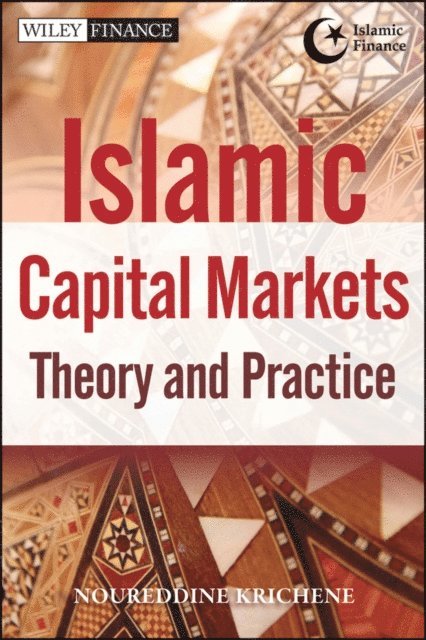
Bringing together theoretical and practical aspects of capital markets, Islamic Capital Markets offers readers a comprehensive insight into the institutions, instruments, and regulatory framework that comprise Islamic capital markets. Also exploring ideas about money, central banking, and economic growth theory and their role in Islamic capital markets, the book provides students and practitioners with essential information about the analytical tools of Islamic capital markets, serves as a guide to investing in Islamic assets, and examines risk management and the structure of Islamic financial products.
Author and Islamic finance expert Noureddine Krichene examines the development of leading Islamic capital markets, including Malaysia, looking at sukuks and stocks in detail and emphasizing valuation, duration, convexity, immunization, yield curves, forward rates, swaps, and risks. Analyzing stock markets, stock valuation, price-earnings ratio, market efficiency hypothesis, and equity premiums, the book addresses uncertainty in capital markets, portfolio diversification theory, risk-return trade-off, pricing of assets, cost of capital, derivatives and their role in hedging and speculation, the principle of arbitrage and replication, Islamic structured products, the financing of large projects, and more.
Emphasizes both theoretical and practical aspects of capital markets, covering analytical concepts such as the theory of arbitrage, pricing of assets, capital market pricing model, Arrow-Debreu state prices, risk-neutral pricing, derivatives markets, hedging and risk management, and structured products Provides students and practitioners of finance with must-have information about the analytical tools employed in Islamic capital markets Examines all the most recent developments in major Islamic capital markets, including MalaysiaDiscussing the advantages of Islamic capital markets and the prospects for their development, Islamic Capital Markets gives readers a fundamental grounding in the subject, with an emphasis on financial theory and real world practice.
1 317 kr
Läs direkt efter köp
Bringing together theoretical and practical aspects of capital markets, Islamic Capital Markets offers readers a comprehensive insight into the institutions, instruments, and regulatory framework that comprise Islamic capital markets. Also exploring ideas about money, central banking, and economic growth theory and their role in Islamic capital markets, the book provides students and practitioners with essential information about the analytical tools of Islamic capital markets, serves as a guide to investing in Islamic assets, and examines risk management and the structure of Islamic financial products.
Author and Islamic finance expert Noureddine Krichene examines the development of leading Islamic capital markets, including Malaysia, looking at sukuks and stocks in detail and emphasizing valuation, duration, convexity, immunization, yield curves, forward rates, swaps, and risks. Analyzing stock markets, stock valuation, price-earnings ratio, market efficiency hypothesis, and equity premiums, the book addresses uncertainty in capital markets, portfolio diversification theory, risk-return trade-off, pricing of assets, cost of capital, derivatives and their role in hedging and speculation, the principle of arbitrage and replication, Islamic structured products, the financing of large projects, and more.
Emphasizes both theoretical and practical aspects of capital markets, covering analytical concepts such as the theory of arbitrage, pricing of assets, capital market pricing model, Arrow-Debreu state prices, risk-neutral pricing, derivatives markets, hedging and risk management, and structured products Provides students and practitioners of finance with must-have information about the analytical tools employed in Islamic capital markets Examines all the most recent developments in major Islamic capital markets, including MalaysiaDiscussing the advantages of Islamic capital markets and the prospects for their development, Islamic Capital Markets gives readers a fundamental grounding in the subject, with an emphasis on financial theory and real world practice.
574 kr
Skickas inom 5-8 vardagar
718 kr
Läs direkt efter köp
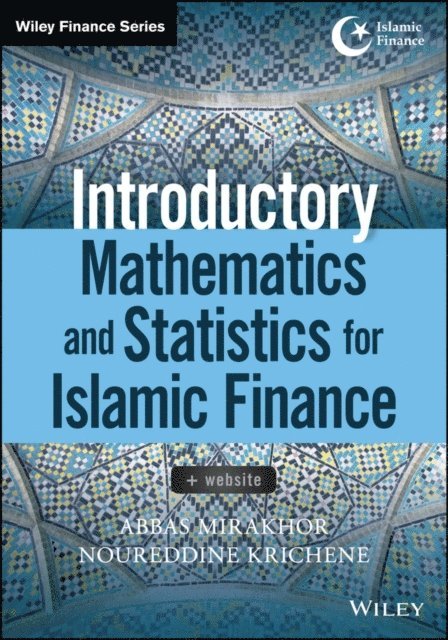
Introductory Mathematics and Statistics for Islamic Finance + Website is a comprehensive guide to quantitative methods, specifically as applied within the realm of Islamic finance. With applications based on research, the book provides readers with the working knowledge of math and statistics required to understand Islamic finance theory and practice. The numerous worked examples give students with various backgrounds a uniform set of common tools for studying Islamic finance.
The in-depth study of finance requires a strong foundation in quantitative methods. Without a good grasp of math, probability, and statistics, published theoretical and applied works in Islamic finance remain out of reach. Unlike a typical math text, this book guides students through only the methods that directly apply to Islamic finance, without wasting time on irrelevant techniques. Each chapter contains a detailed explanation of the topic at hand, followed by an example based on real situations encountered in Islamic finance. Topics include:
Algebra and matrices Calculus and differential equations Probability theory StatisticsWritten by leading experts on the subject, the book serves as a useful primer on the analysis methods and techniques students will encounter in published research, as well as day-to-day operations in finance. Anyone aspiring to be successful in Islamic finance needs these skills, and Introductory Mathematics and Statistics for Islamic Finance + Website is a clear, concise, and highly relevant guide.
718 kr
Läs direkt efter köp
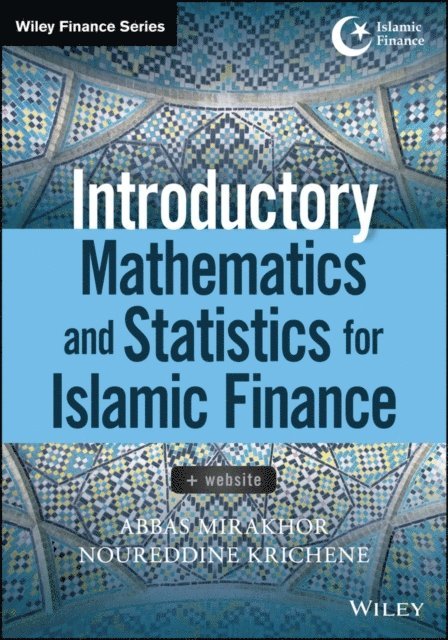
Introductory Mathematics and Statistics for Islamic Finance + Website is a comprehensive guide to quantitative methods, specifically as applied within the realm of Islamic finance. With applications based on research, the book provides readers with the working knowledge of math and statistics required to understand Islamic finance theory and practice. The numerous worked examples give students with various backgrounds a uniform set of common tools for studying Islamic finance.
The in-depth study of finance requires a strong foundation in quantitative methods. Without a good grasp of math, probability, and statistics, published theoretical and applied works in Islamic finance remain out of reach. Unlike a typical math text, this book guides students through only the methods that directly apply to Islamic finance, without wasting time on irrelevant techniques. Each chapter contains a detailed explanation of the topic at hand, followed by an example based on real situations encountered in Islamic finance. Topics include:
Algebra and matrices Calculus and differential equations Probability theory StatisticsWritten by leading experts on the subject, the book serves as a useful primer on the analysis methods and techniques students will encounter in published research, as well as day-to-day operations in finance. Anyone aspiring to be successful in Islamic finance needs these skills, and Introductory Mathematics and Statistics for Islamic Finance + Website is a clear, concise, and highly relevant guide.
1 883 kr
Skickas inom 10-15 vardagar
618 kr
Läs direkt efter köp
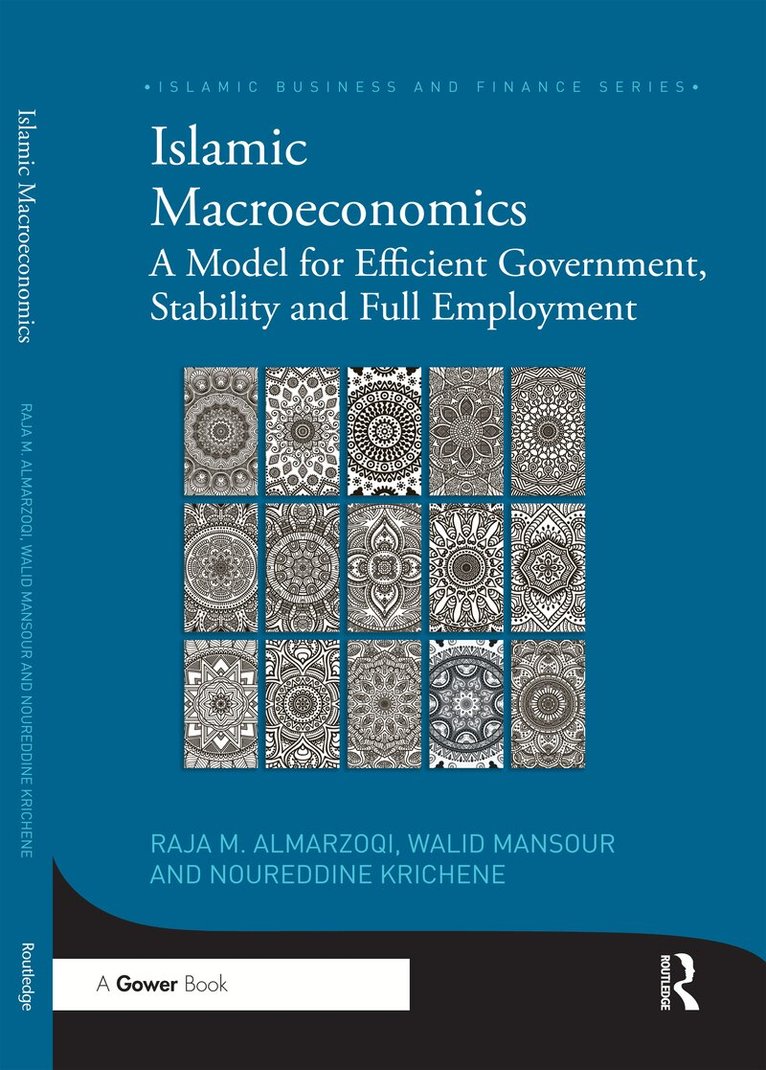
Islamic Macroeconomics proposes an Islamic model that offers significant prospects for economic growth and durable macroeconomic stability, and which is immune to the defects of the economic models prevailing both in developed and developing countries. An Islamic model advocates a limited government confined to its natural duties of defence, justice, education, health, infrastructure, regulation, and welfare of the vulnerable population. It prohibits interest-based debt and money, and requires full liberalization of all markets including labor, financial, commodity, trade, and foreign exchange markets. The government should be Sharia-compliant in its taxation power and regulatory intervention; it ought to reduce unproductive spending in favor of productive spending.
This book is essential reading for students and academics of Islamic economics and finance, economists, practitioners, and researchers.
618 kr
Läs direkt efter köp
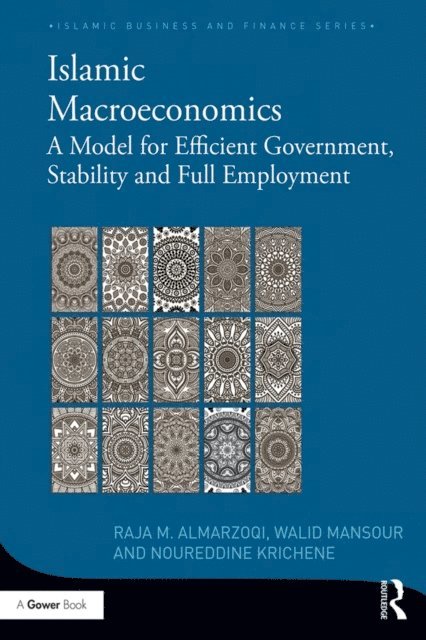
Islamic Macroeconomics proposes an Islamic model that offers significant prospects for economic growth and durable macroeconomic stability, and which is immune to the defects of the economic models prevailing both in developed and developing countries. An Islamic model advocates a limited government confined to its natural duties of defence, justice, education, health, infrastructure, regulation, and welfare of the vulnerable population. It prohibits interest-based debt and money, and requires full liberalization of all markets including labor, financial, commodity, trade, and foreign exchange markets. The government should be Sharia-compliant in its taxation power and regulatory intervention; it ought to reduce unproductive spending in favor of productive spending.
This book is essential reading for students and academics of Islamic economics and finance, economists, practitioners, and researchers.