Nripendra Laskar - Böcker
Visar alla böcker från författaren Nripendra Laskar. Handla med fri frakt och snabb leverans.
4 produkter
4 produkter
1 306 kr
Skickas inom 7-10 vardagar
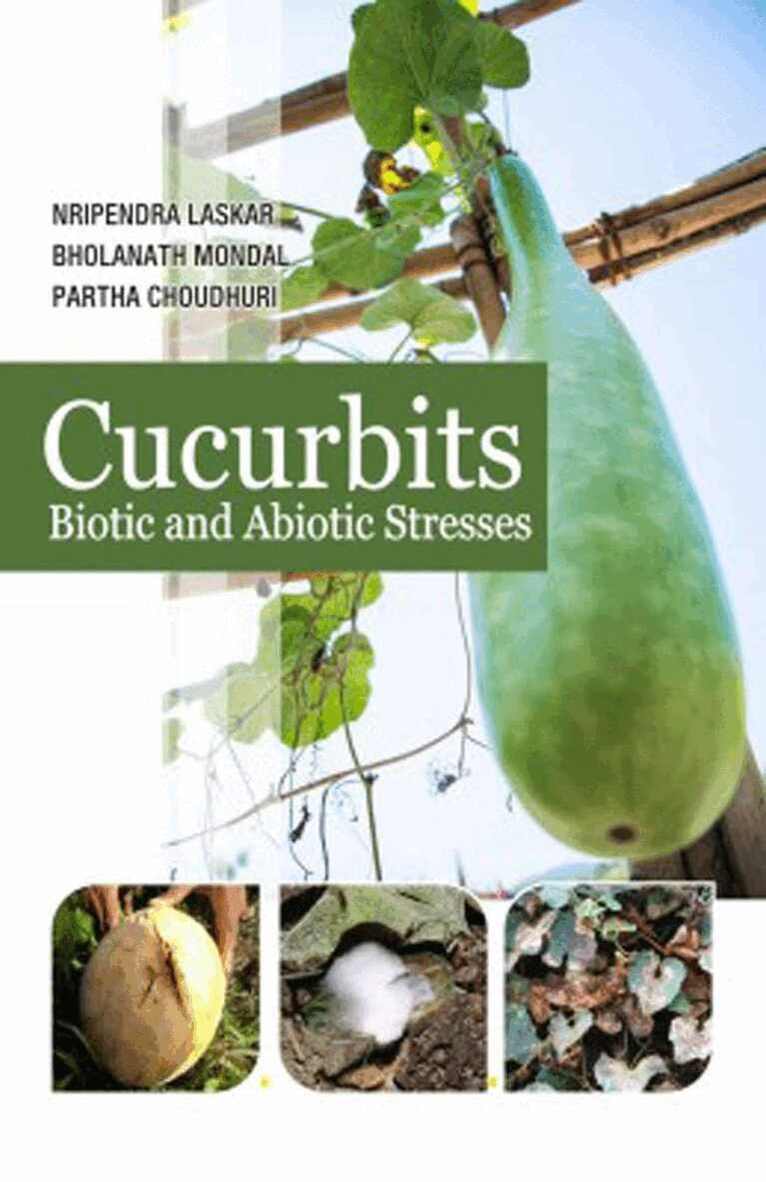
The book comprehensively covers the various challenges faced in the cultivation of cucurbitaceous vegetables, including insect pests, diseases, mites, nematode parasites, weeds, and environmental stresses, while also addressing issues related to nutrients. The text provides detailed, up-to-date information on these subjects, drawing from the latest available literature and research findings. Moreover, the book includes relevant color photographs to enhance understanding. This valuable resource will be of great benefit to students, horticultural experts, extension workers, and policymakers, providing a wealth of knowledge on the management of cucurbitaceous vegetables for improved productivity and profitable cultivation.
2 605 kr
Skickas inom 7-10 vardagar
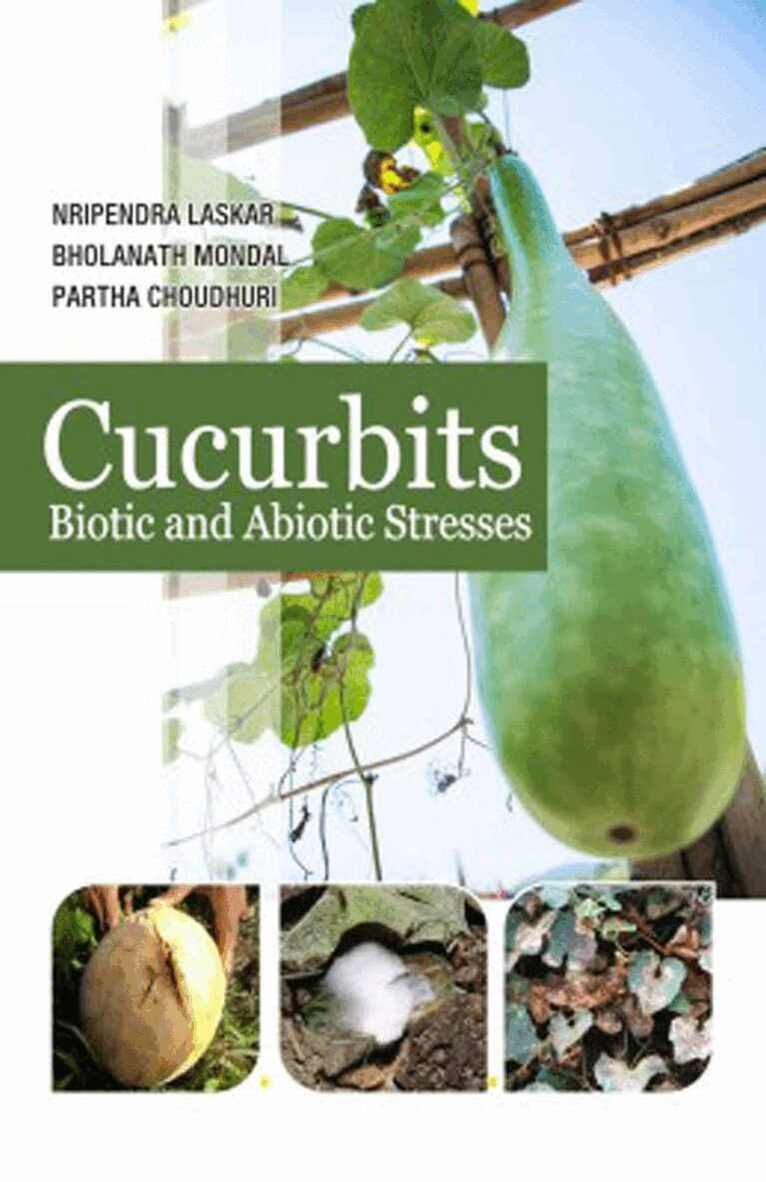
The book addresses comprehensively the various challenges that cucurbitaceous vegetable production faces, such as pests, diseases, mites, nematode parasites, weeds, environmental stresses, and nutrients. It provides the most up-to-date information and findings on these topics, making it a valuable resource for students, horticultural experts, extension workers, and policy makers. In addition, the book includes relevant color photographs, making it a rich source of knowledge for the management of cucurbitaceous vegetables, with the aim of enhancing productivity and ensuring remunerative cultivation.
2 946 kr
Skickas inom 7-10 vardagar
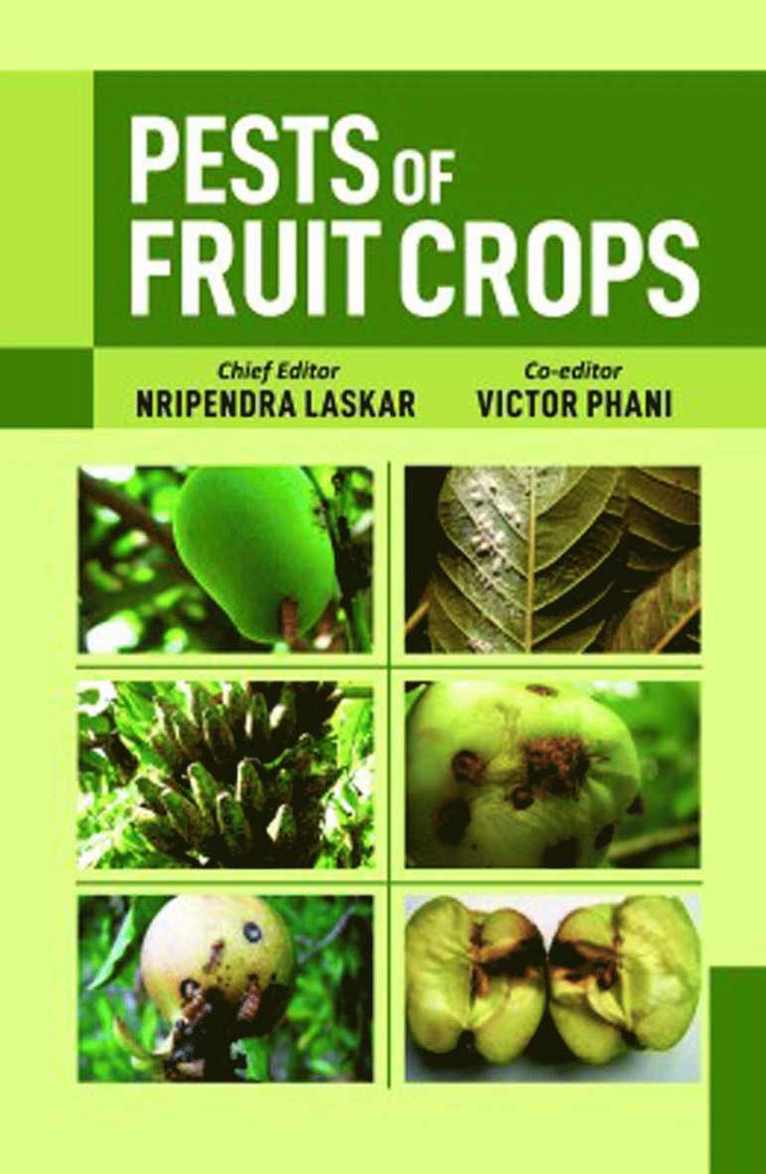
In the realm of global fruit production, India ranks second only to China, and fruits play a vital role in fulfilling the nutritional needs of society while also providing employment opportunities, particularly in rural agricultural economies of developing countries such as India. The advent of Hi-tech Horticulture has led to a paradigm shift in fruit crop cultivation, and climatic changes and increased cropping intensity have resulted in a remarkable and rapid transformation of the fruit ecosystem. Unfortunately, this shift has also led to a rise in biotic stresses, such as those caused by insect, mite, and nematode pests.The use of synthetic, poisonous chemical pesticides to protect fruit crops from insect pest devastation is a quick and easy solution, but it has significant drawbacks. Consequently, integrated approaches that incorporate cultural, mechanical, biological, and ecological management strategies in combination with safe and need-based pesticidal chemicals are necessary to combat this complex and pernicious problem.This compilation represents an exhaustive effort to gather information about banned and withdrawn pesticides, as well as other relevant details such as the host range, distribution, marks of identification, mode of feeding, and symptoms of infestation for various pests. In addition, experts from various reputable institutes across India have contributed their knowledge on the bionomics of the pests, biological control measures, pesticide residue problems, and ways to mitigate these issues.
2 959 kr
Skickas inom 7-10 vardagar
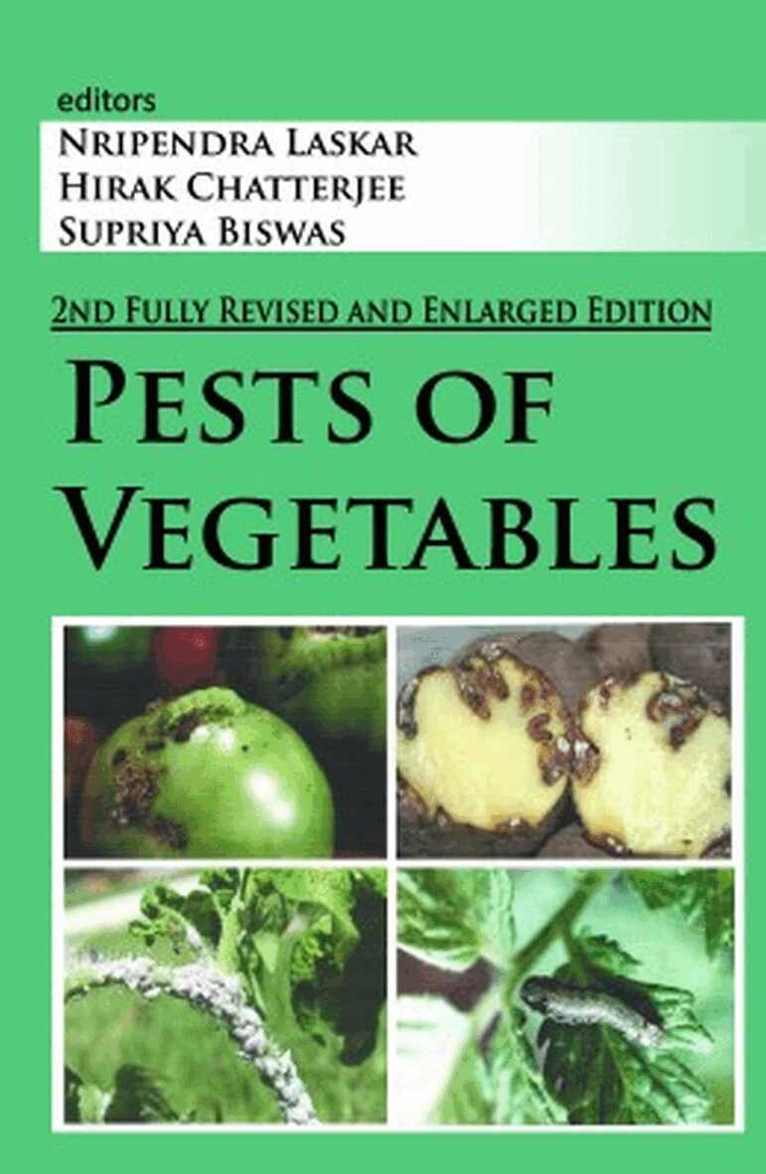
The challenges posed by pests in vegetable cultivation are evolving rapidly in response to changes in cropping systems and environmental conditions. Given the potential negative impacts of synthetic pesticides that are difficult to break down, a comprehensive approach that incorporates host plant resistance, cultural and biological management strategies, and the use of safe pesticidal chemicals is necessary to address this complex and delicate issue.This book presents an extensive examination of the host range, distribution, identification marks, and bionomics of pests, as well as the use of protected cultivation, host plant resistance, biological control, and pesticide residue management strategies. It has been authored by experts from various reputable institutes across India.This book will be of use to students, professors, and teachers of horticulture, plant protection, acarology, and nematology, as well as progressive farmers, extension workers, plant protection specialists, and policy makers. It will serve as a valuable resource and a must-have for every librarys collection.