Nur Azha Putra – författare
Visar alla böcker från författaren Nur Azha Putra. Handla med fri frakt och snabb leverans.
7 produkter
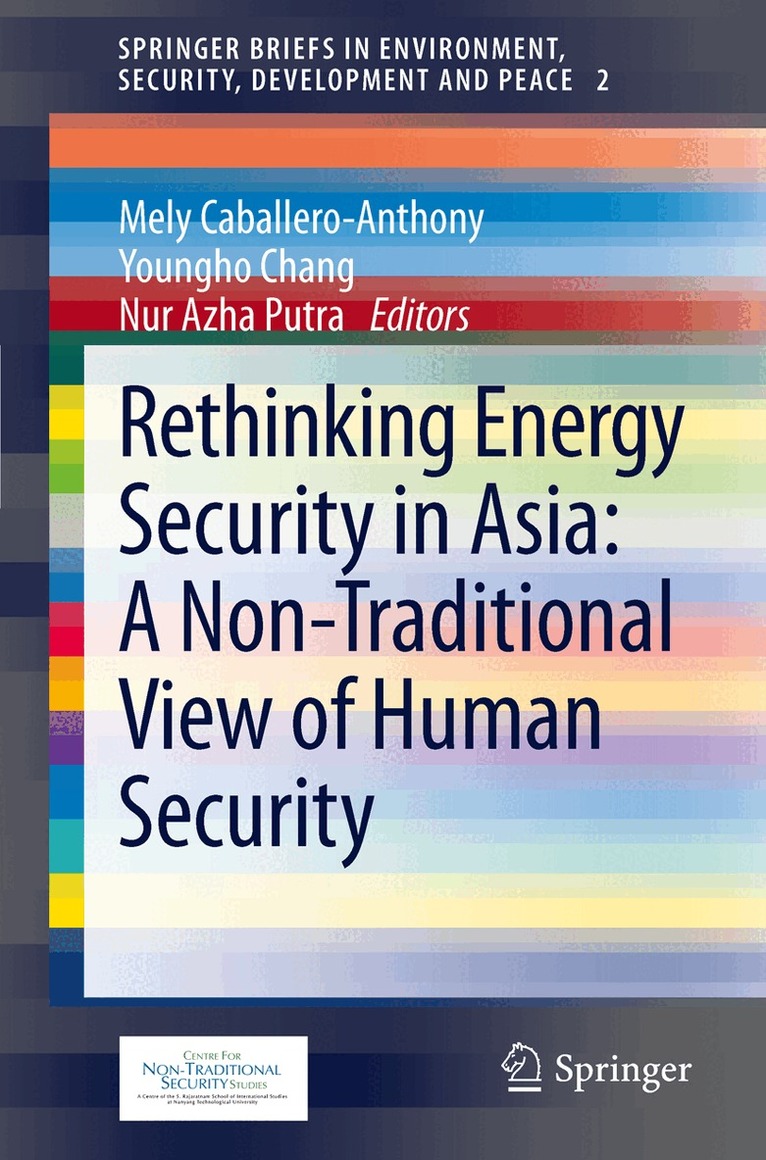
Rethinking Energy Security in Asia: A Non-Traditional View of Human Security
Av Mely Caballero-Anthony, Youngho Chang m. fl.
Häftad, 2012
508 kr
Lägg i varukorg
Traditional notions of security are premised on the primacy of state security. In relation to energy security, traditional policy thinking has focused on ensuring supply without much emphasis on socioeconomic and environmental impacts. Non-traditional security (NTS) scholars argue that threats to …
Rethinking Energy Security in Asia: A Non-Traditional View of Human Security
Av Nur Azha Putra, Youngho Chang m. fl.
E-bok, 2012
675 kr
Lägg i varukorg
Traditional notions of security are premised on the primacy of state security. In relation to energy security, traditional policy thinking has focused on ensuring supply without much emphasis on socioeconomic and environmental impacts. Non-traditional security (NTS) scholars argue that threats to …
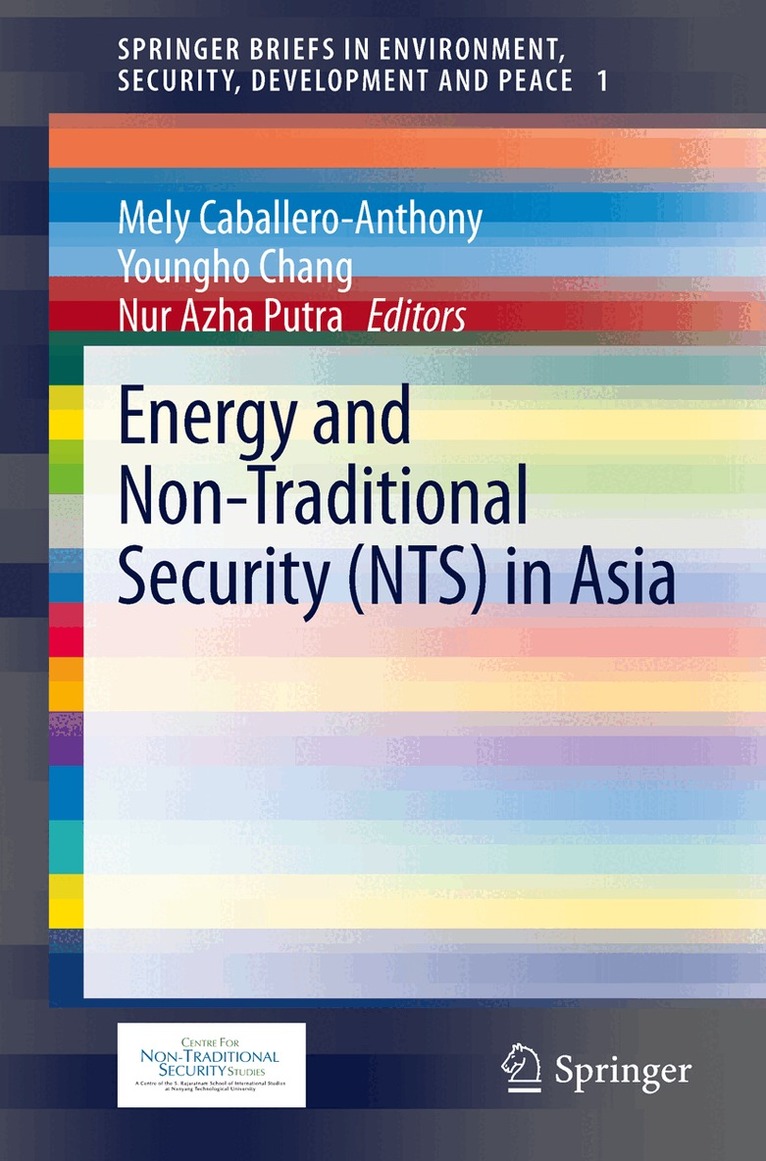
Energy and Non-Traditional Security (NTS) in Asia
Av Mely Caballero-Anthony, Youngho Chang m. fl.
Häftad, 2012
508 kr
Lägg i varukorg
Traditional notions of security are premised on the primacy of state security. In relation to energy security, traditional policy thinking has focused on ensuring supply without much emphasis on socioeconomic and environmental impacts. Non-traditional security (NTS) scholars argue that threats to …
Energy and Non-Traditional Security (NTS) in Asia
Av Nur Azha Putra, Youngho Chang m. fl.
E-bok, 2012
675 kr
Lägg i varukorg
Traditional notions of security are premised on the primacy of state security. In relation to energy security, traditional policy thinking has focused on ensuring supply without much emphasis on socioeconomic and environmental impacts. Non-traditional security (NTS) scholars argue that threats to …
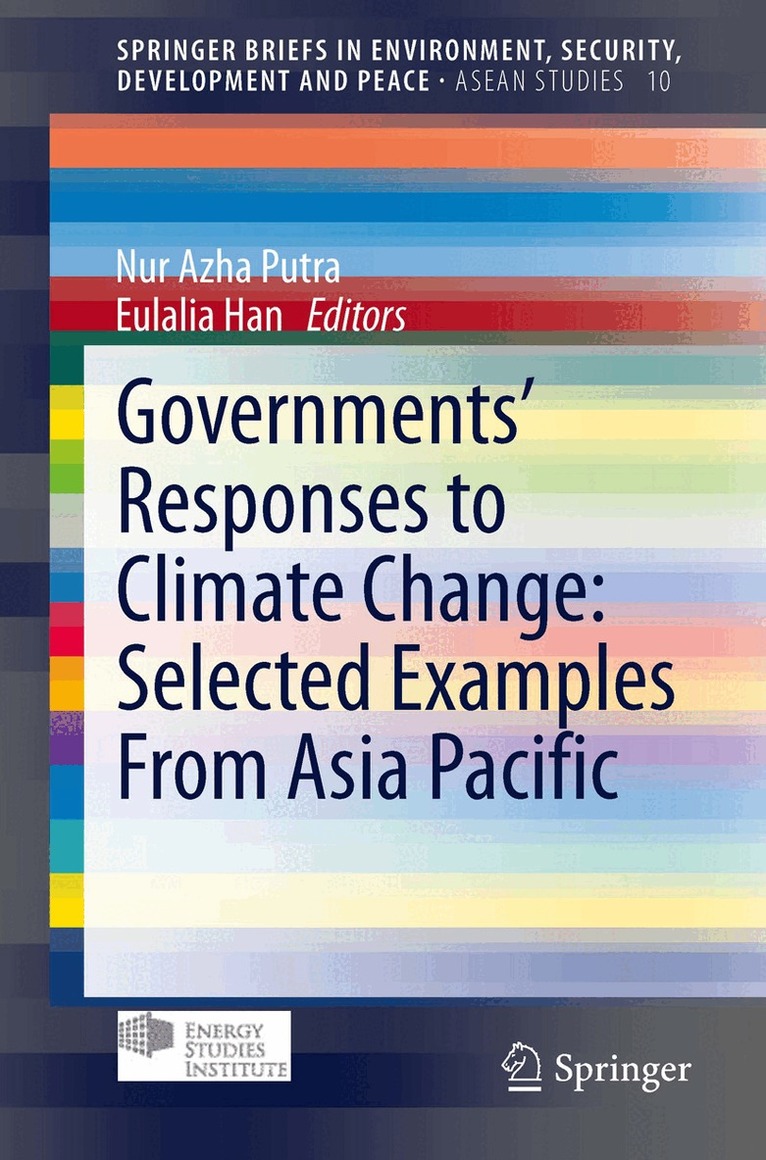
Governments’ Responses to Climate Change: Selected Examples From Asia Pacific
Av Nur Azha Putra, Eulalia Han
Häftad, 2013
508 kr
Lägg i varukorg
This multidisciplinary volume articulates the current and potential public policy discourse between energy security and climate change in the Asia-Pacific region, and the efforts taken to address global warming. This volume is unique as it analyses two important issues climate change and energy …
Governments' Responses to Climate Change: Selected Examples From Asia Pacific
Av Eulalia Han, Nur Azha Putra
E-bok, 2013
734 kr
Lägg i varukorg
This multidisciplinary volume articulates the current and potential public policy discourse between energy security and climate change in the Asia-Pacific region, and the efforts taken to address global warming. This volume is unique as it analyses two important issues climate change and energy …
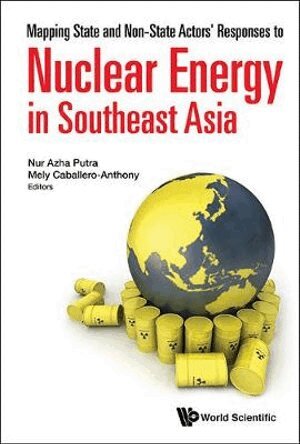
MAPPING STATE AND NON-STATE ACTORS' RESPONSES TO NUCLEAR ENERGY IN SOUTHEAST ASIA
Av Putra Nur Azha, Nur Azha Putra m. fl.
Inbunden, 2016
1040 kr
Lägg i varukorg
This book aims to introduce and discuss the policy issues and challenges surrounding the development of nuclear power energy in Southeast Asia (SEA). Nuclear energy is poised for substantial growth in a region that is in need of more sustainable and clean energy source against the background of …