Oleg Vasiliev – författare
Visar alla böcker från författaren Oleg Vasiliev. Handla med fri frakt och snabb leverans.
3 produkter
3 produkter
Inbunden, Engelska, 1996
3 231 kr
Skickas inom 10-15 vardagar
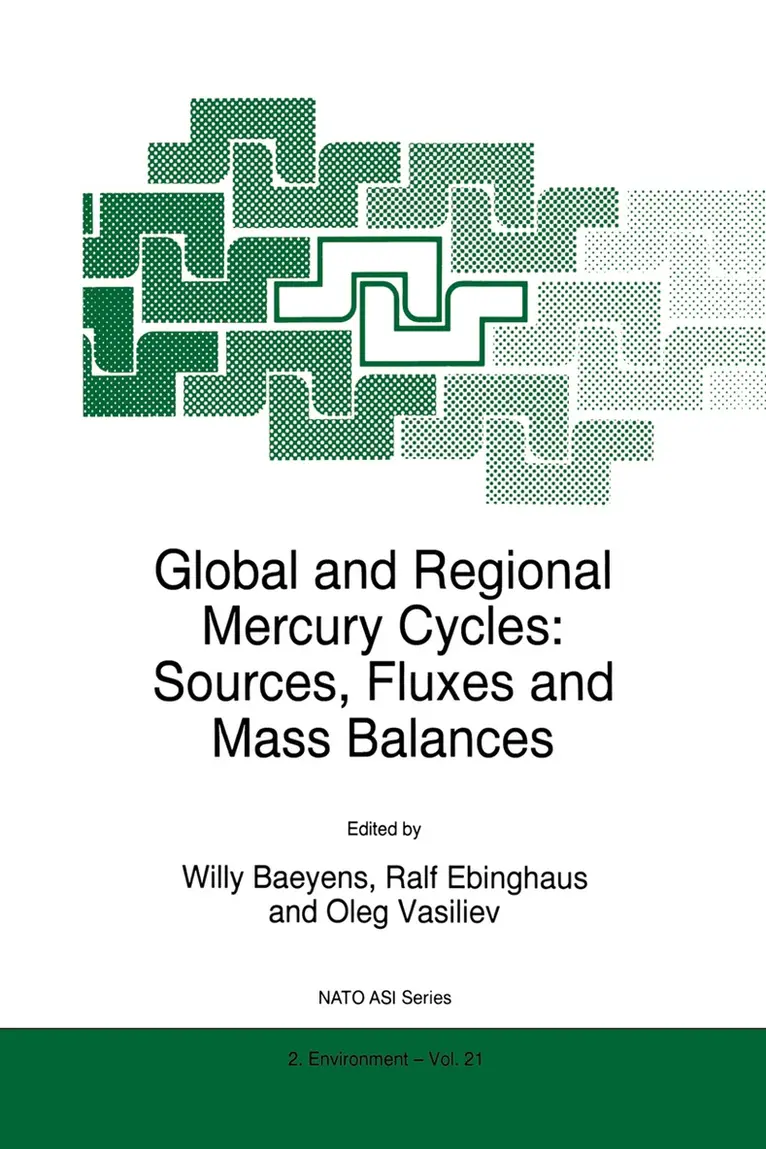
Essential themes in the biochemical cycling of mercury are the relative importance of anthropogenic versus natural sources, transformation and migration processes at the local, regional and global scale, global emission inventories of different mercury sources (both point and diffuse) of both natural and anthropogenic origin. In this regard, Siberia, with its vast territory and variety of natural zones, is of special interest in the global mercury cycle and in terms of the influence of geographical zones on source and sink terms in regional budgets. Siberia contains large areas of mercuriferous belts; natural deposits that emit mercury into the atmosphere and water. Siberian gold has been mined with the use of mercury since the early 1800s. But there, too, huge forest zones and vast areas of tundra and wetland (bogs) can act as efficient sinks for atmospheric mercury. Audience: Environmental scientists, legislators, politicians and the interested citizen wishing to gain a clear picture of the biogeochemical cycling of mercury.
E-bok
PDF, Engelska, 20123 809 kr
Läs direkt efter köp
Essential themes in the biochemical cycling of mercury are the relative importance of anthropogenic versus natural sources, transformation and migration processes at the local, regional and global scale, global emission inventories of different mercury sources (both point and diffuse) of both natural and anthropogenic origin. In this regard, Siberia, with its vast territory and variety of natural zones, is of special interest in the global mercury cycle and in terms of the influence of geographical zones on source and sink terms in regional budgets. Siberia contains large areas of mercuriferous belts; natural deposits that emit mercury into the atmosphere and water. Siberian gold has been mined with the use of mercury since the early 1800s. But there, too, huge forest zones and vast areas of tundra and wetland (bogs) can act as efficient sinks for atmospheric mercury. Audience: Environmental scientists, legislators, politicians and the interested citizen wishing to gain a clear picture of the biogeochemical cycling of mercury.
Häftad, Engelska, 2011
3 204 kr
Skickas inom 10-15 vardagar
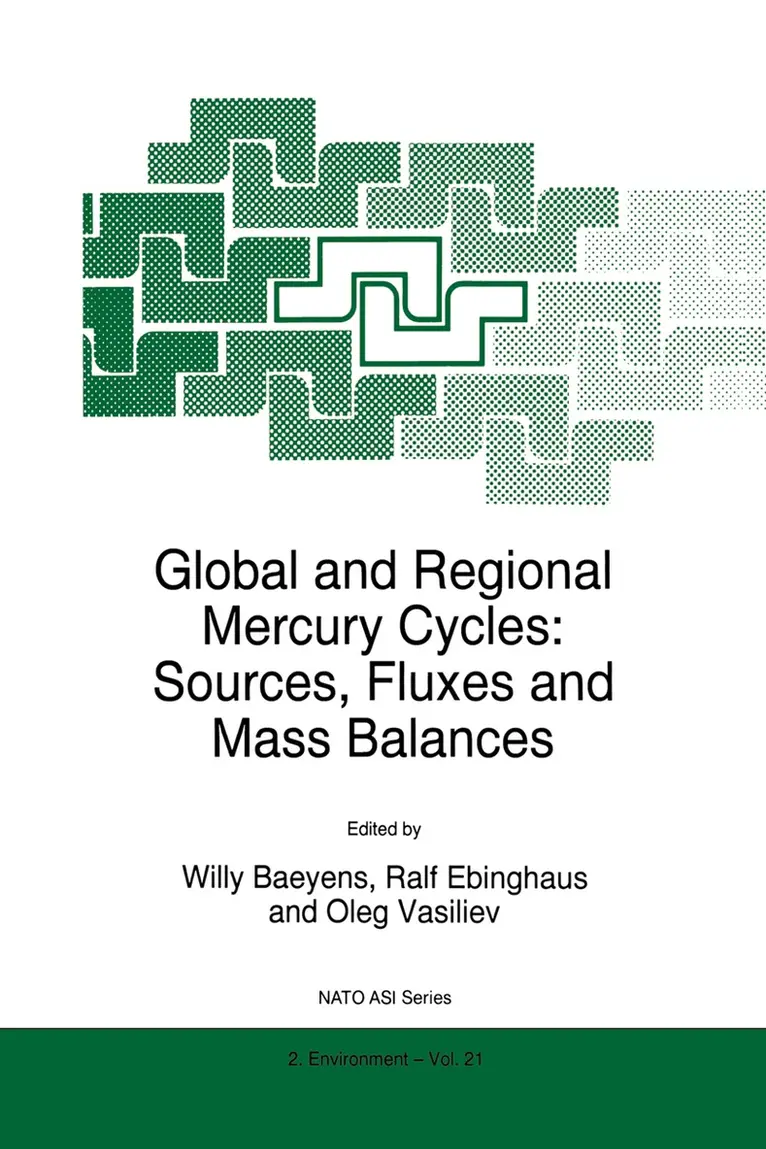
Essential themes in the biochemical cycling of mercury are the relative importance of anthropogenic versus natural sources, transformation and migration processes at the local, regional and global scale, global emission inventories of different mercury sources (both point and diffuse) of both natural and anthropogenic origin. In this regard, Siberia, with its vast territory and variety of natural zones, is of special interest in the global mercury cycle and in terms of the influence of geographical zones on source and sink terms in regional budgets. Siberia contains large areas of mercuriferous belts; natural deposits that emit mercury into the atmosphere and water. Siberian gold has been mined with the use of mercury since the early 1800s. But there, too, huge forest zones and vast areas of tundra and wetland (bogs) can act as efficient sinks for atmospheric mercury. Audience: Environmental scientists, legislators, politicians and the interested citizen wishing to gain a clear picture of the biogeochemical cycling of mercury.