Oliver Freiberger – författare
Visar alla böcker från författaren Oliver Freiberger. Handla med fri frakt och snabb leverans.
12 produkter
12 produkter
E-bok
Engelska, 20191 282 kr
Läs direkt efter köp
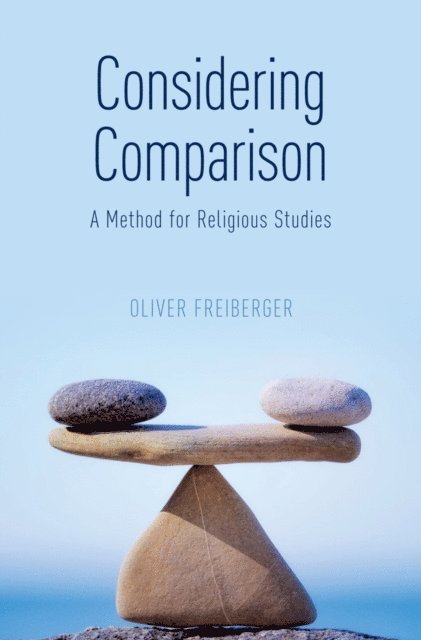
The comparative method is an integral part of religious studies. All the technical terms that scholars of religion use on a daily basis, such as ritual, hagiography, shrine, authority, fundamentalism, hybridity, and, of course, religion, are comparative terms.Yet comparison has been subject to criticism, including postcolonialist and postmodernist critiques. Older approaches are said to have used comparison primarily to confirm preconceptions about religion. More recently, comparison has been criticized as an act of abstraction that does injustice to the particular, neglects differences, and establishes a mostly Western power of definition over the rest of the world.In this book, Oliver Freiberger takes a closer look at how comparison works. Revisiting critical debates and examining reflections in other disciplines, including comparative history, sociology, comparative theology, and anthropology, Freiberger proposes a model of comparison that is based on a thorough epistemological analysis and that takes both the scholar''s situatedness and his or her agency seriously. Examining numerous examples of comparative studies, Considering Comparison develops a methodological framework for conducting and evaluating such studies. Freiberger suggests a comparative approach - which he calls discourse comparison - that confronts the omnipresent risks of decontextualization, essentialization, and universalization.This book makes a case for comparison, arguing that it is indispensable for a deeper analytical understanding of what we call religion. The book is intended to enrich the practice of both aspiring and seasoned comparativists, stimulate much-needed further discussions about comparative methodology, and encourage more scholars to produce responsible comparative studies.
Inbunden, Engelska, 2006
1 670 kr
Skickas inom 5-8 vardagar
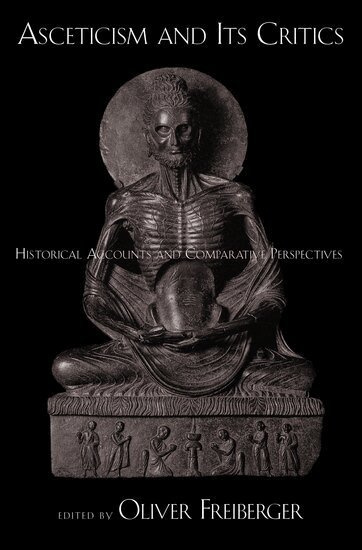
Scholars of religion have always been fascinated by asceticism. Some have even regarded this radical way of life the withdrawal from the world, combined with practices that seriously affect basic bodily needs, up to extreme forms of self-mortification as the ultimate form of a true religious quest. This view is rooted in hagiographic descriptions of prominent ascetics and in other literary accounts that praise the ascetic life-style. Scholars have often overlooked, however, that in the history of religions ascetic beliefs and practices have also been strongly criticized, by followers of the same religious tradition as well as by outsiders. The respective sources provide sufficient evidence of such critical strands but surprisingly as yet no attempt has been made to analyze this criticism of asceticism systematically. This book is a first attempt of filling this gap. Ten studies present cases from both Asian and European traditions: classical and medieval Hinduism, early and contemporary Buddhism in South and East Asia, European antiquity, early and medieval Christianity, and 19th/20th century Aryan religion. Focusing on the critics of asceticism, their motives, their arguments, and the targets of their critique, these studies provide a broad range of issues for comparison. They suggest that the critique of asceticism is based on a worldview differing from and competing with the ascetic worldview, often in one and the same historical context. The book demonstrates that examining the critics of asceticism helps understand better the complexity of religious traditions and their cultural contexts. The comparative analysis, moreover, shows that the criticism of asceticism reflects a religious worldview as significant and widespread in the history of religions as asceticism itself is.
Inbunden, Engelska, 2019
1 635 kr
Skickas inom 5-8 vardagar
The comparative method is an integral part of religious studies. All the technical terms that scholars of religion use on a daily basis, such as ritual, hagiography, shrine, authority, fundamentalism, hybridity, and, of course, religion, are comparative terms. Yet comparison has been subject to criticism, including postcolonialist and postmodernist critiques. Older approaches are said to have used comparison primarily to confirm preconceptions about religion. More recently, comparison has been criticized as an act of abstraction that does injustice to the particular, neglects differences, and establishes a mostly Western power of definition over the rest of the world.In this book, Oliver Freiberger takes a closer look at how comparison works. Revisiting critical debates and examining reflections in other disciplines, including comparative history, sociology, comparative theology, and anthropology, Freiberger proposes a model of comparison that is based on a thorough epistemological analysis and that takes both the scholar's situatedness and his or her agency seriously. Examining numerous examples of comparative studies, Considering Comparison develops a methodological framework for conducting and evaluating such studies. Freiberger suggests a comparative approach - which he calls discourse comparison - that confronts the omnipresent risks of decontextualization, essentialization, and universalization.This book makes a case for comparison, arguing that it is indispensable for a deeper analytical understanding of what we call religion. The book is intended to enrich the practice of both aspiring and seasoned comparativists, stimulate much-needed further discussions about comparative methodology, and encourage more scholars to produce responsible comparative studies.
E-bok
PDF, Engelska, 20191 237 kr
Läs direkt efter köp
The comparative method is an integral part of religious studies. All the technical terms that scholars of religion use on a daily basis, such as ritual, hagiography, shrine, authority, fundamentalism, hybridity, and, of course, religion, are comparative terms.Yet comparison has been subject to criticism, including postcolonialist and postmodernist critiques. Older approaches are said to have used comparison primarily to confirm preconceptions about religion. More recently, comparison has been criticized as an act of abstraction that does injustice to the particular, neglects differences, and establishes a mostly Western power of definition over the rest of the world.In this book, Oliver Freiberger takes a closer look at how comparison works. Revisiting critical debates and examining reflections in other disciplines, including comparative history, sociology, comparative theology, and anthropology, Freiberger proposes a model of comparison that is based on a thorough epistemological analysis and that takes both the scholar''s situatedness and his or her agency seriously. Examining numerous examples of comparative studies, Considering Comparison develops a methodological framework for conducting and evaluating such studies. Freiberger suggests a comparative approach - which he calls discourse comparison - that confronts the omnipresent risks of decontextualization, essentialization, and universalization.This book makes a case for comparison, arguing that it is indispensable for a deeper analytical understanding of what we call religion. The book is intended to enrich the practice of both aspiring and seasoned comparativists, stimulate much-needed further discussions about comparative methodology, and encourage more scholars to produce responsible comparative studies.
Del 17 - Critical Studies in Religion/Religionswissenschaft
Grenzen der Religion
Säkularität in der Asiatischen Religionsgeschichte
Inbunden, Tyska, 2023
1 557 kr
Skickas inom 3-6 vardagar
Ist die Unterscheidung zwischen Religiösem und Säkularem - d. h. Säkularität - wirklich eine Eigenheit der westlichen Moderne, wie oft behauptet wird? Oder gibt es auch in vormodernen Gesellschaften Asiens vergleichbare Unterscheidungen? Dieser Band geht anhand von zehn Beispielen dieser Frage nach. Dabei wird deutlich, dass auch in der asiatischen Religionsgeschichte analoge binäre Unterscheidungen in verschiedenen kulturspezifischen Varianten nachweisbar sind. Diese wirken bis heute nach und begründen eine globale Vielfalt von Säkularitäten, die nicht einfach als Varianten eines europäischen Modells betrachtet werden können.
Inbunden, Engelska, 2013
2 276 kr
Skickas inom 11-20 vardagar
When scholarship presents the histories, belief systems, and ritual patterns of specific religious groups, it often privileges victorious and elite fractions of those communities to the detriment and neglect of alternative, dissonant, and resurgent voices. The contributions in this volume, which include case studies on various religious and academic contexts, illustrate the importance of listening to those alternative voices for the study of religion.
E-bok
PDF, Tyska, 2015841 kr
Läs direkt efter köp
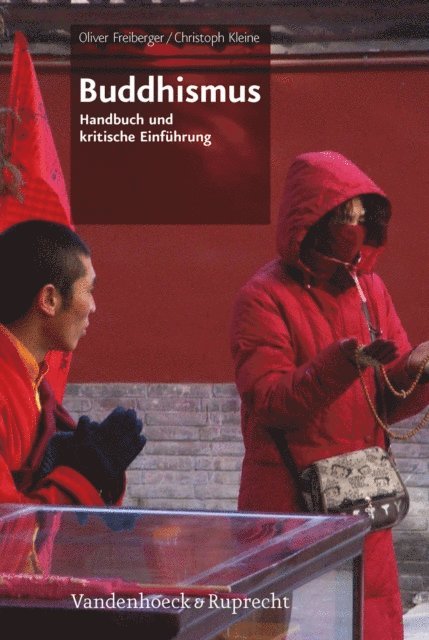
In this volume the authors offer a modern introduction to the history and multilayered teachings and practices of Buddhism. It provides an overview of the historical development of Buddhism in both Asia and the Western hemisphere as well as treating a number of other subjects: the Buddhistic language and texts, its worldview, religious practices, social forms, views of government and politics, economics, art, architecture, modernisation and globalisation as well as its interactions with other religions. Numerous examples serve to illustrate the diversity of Buddhist tenets on matters of history and modern life. The volume shows that the widely held positive attitude in the West twoard Buddhism as teaching a peace-loving, detached and meditative enlightenment ignores many of the major and important areas of this world religion, for example, its large-scale nonmeditative religious practices, its internal conflicts, its economic and political interests, its history of persecuting those who dissent or its religious justification of war and aggression. Oliver Freiberger and Christoph Kleine provide many examples to illustrate the fascinating complexity of Buddhism and to arouse our interest in less popular, but no less important, facets of this religion. This is an easy-to-read introduction to the present state of research.
E-bok
PDF, Tyska, 20231 298 kr
Läs direkt efter köp
Ist die Unterscheidung zwischen Religiösem und Säkularem – d. h. Säkularität – wirklich eine Eigenheit der westlichen Moderne, wie oft behauptet wird? Oder gibt es auch in vormodernen Gesellschaften Asiens vergleichbare Unterscheidungen? Dieser Band geht anhand von zehn Beispielen dieser Frage nach. Dabei wird deutlich, dass auch in der asiatischen Religionsgeschichte analoge binäre Unterscheidungen in verschiedenen kulturspezifischen Varianten nachweisbar sind. Diese wirken bis heute nach und begründen eine globale Vielfalt von Säkularitäten, die nicht einfach als Varianten eines europäischen Modells betrachtet werden können.
E-bok
PDF, Engelska, 20131 545 kr
Läs direkt efter köp
When scholarship presents the histories, belief systems, and ritual patterns of specific religious groups, it often privileges victorious and élite fractions of those communities to the detriment and neglect of alternative, dissonant, and resurgent voices. The contributions in this volume, which include case studies on various religious and academic contexts, illustrate the importance of listening to those alternative voices for the study of religion.
E-bok
PDF, Tyska, 20191 545 kr
Läs direkt efter köp
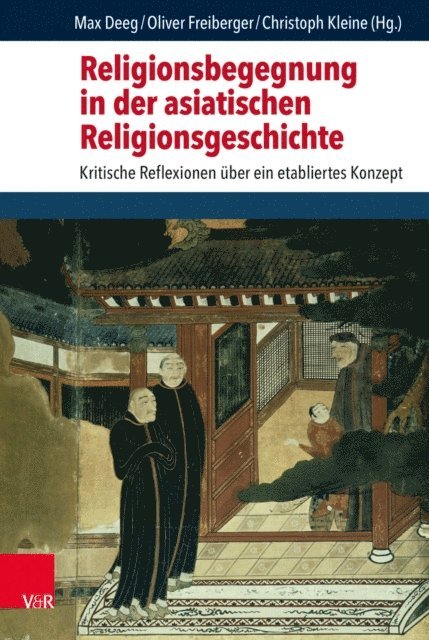
Auf den ersten Blick ist die asiatische Religionsgeschichte reich an Begegnungen von Religionen. Buddhismus, Hinduismus, Daoismus, Konfuzianismus, Shintō und andere Religionen koexistierten in bestimmten Regionen und Epochen, setzten sich miteinander auseinander und beeinflussten sich gegenseitig. Diese Darstellungsweise ist allerdings recht abstrakt und sagt wenig darüber aus, wer oder was sich bei einer "Religionsbegegnung" eigentlich begegnet. Was genau ist in einem spezifischen historischen Kontext mit Religionsbegegnung gemeint? Welche Prozesse sind zu beobachten? Und welche Konsequenzen hat eine genaue Analyse solcher Prozesse für die religionswissenschaftliche Theoretisierung von religiösen Identitäten und sozialer Dynamik? Die Beiträge in diesem Band diskutieren diese Fragen anhand von konkreten historischen Fällen aus verschiedenen geographischen Regionen: Südasien, Südostasien, Zentralasien und Ostasien. Sie zeigen, dass der Begriff "Religionsbegegnung" zwar nicht irrelevant ist, dass aber die jeweiligen Grenzen zwischen Religionen in jedem konkreten historischen Kontext unterschiedlich bestimmt werden können. Es muss daher für jeden Fall genau untersucht werden, was Begegnung für die religiösen Menschen und Traditionen bedeutet.
E-bok
PDF, Tyska, 2022284 kr
Läs direkt efter köp
Was unterscheidet muslimische Gottesvorstellungen von christlichen oder hinduistischen? Was haben sie gemeinsam? Der Vergleich von religiösen Vorstellungen, Praktiken, Gegenständen ist eine alltägliche Praxis der Religionswissenschaft. Aber manche Vergleiche, besonders kulturübergreifende, haben auch zu grundlegenden Zweifeln am Wert dieser Methode geführt. Dieses Buch führt in die Geschichte, Theorie und Praxis des Religionsvergleichs ein. Es stellt die wichtigsten Ansätze vor, erläutert und diskutiert die Kritik an der Methode und demonstriert, wie man heute in der Religionswissenschaft produktiv und verantwortlich vergleichen kann. Das Buch ist didaktisch so konzipiert, dass es als Basislehrbuch für ein einsemestriges Seminar dienen kann.
Häftad, Tyska, 2022
307 kr
Skickas inom 3-6 vardagar