Ong Meng Chuan - Böcker
Visar alla böcker från författaren Ong Meng Chuan. Handla med fri frakt och snabb leverans.
3 produkter
3 produkter
1 483 kr
Skickas inom 10-15 vardagar
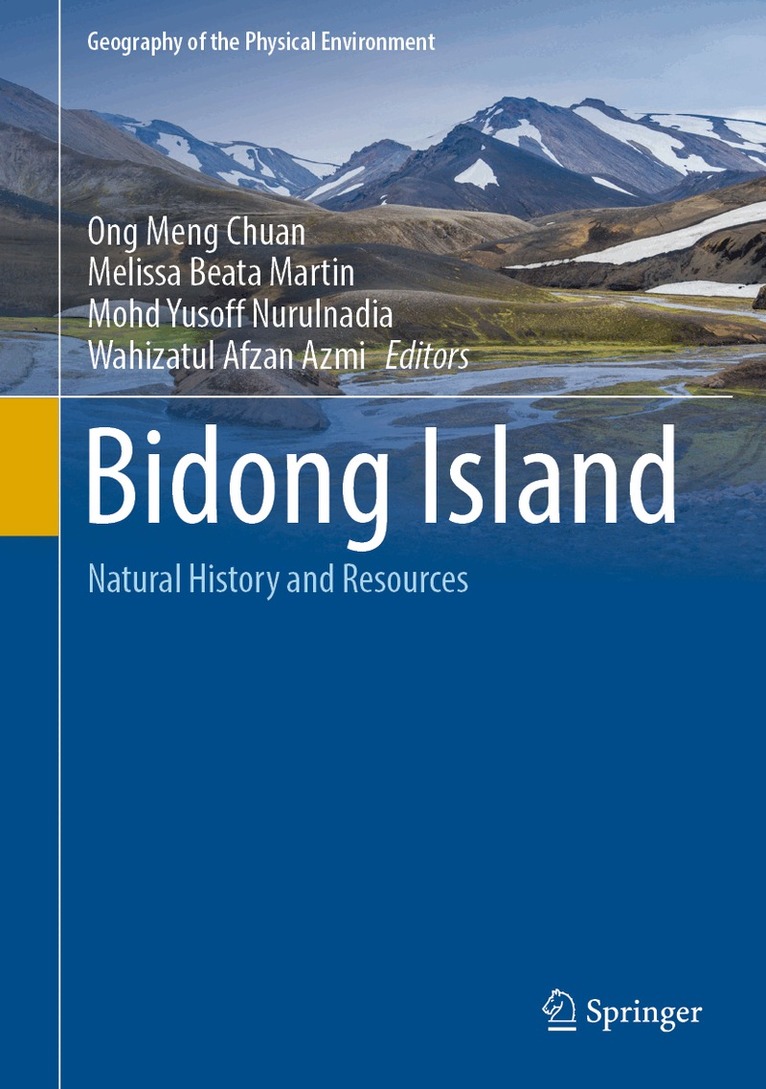
Bidong Island is a small island located in the South China Sea, and is about 14 km from mainland Peninsular Malaysia. The island and the Bidong archipelago boast of its richness in diversity of both terrestrial and marine organisms and its undeniably pristine and thriving ecosystem. In 1975–1990, Bidong Island was formerly a UNHCR refugee camp for a quarter of a million Vietnamese "Boat people" escaping the Vietnam War, and still holds great significance to many of its descendants. Due to its historical significance, the Terengganu State government plans to develop Bidong Island as a heritage tourism site and a new scuba diving destination.This book highlights the uniqueness of Bidong Island and its archipelago, paying particular attention to the biological aspect (which includes marine and terrestrial organisms) and the pollution status surrounding the island. These mainly focus on organisms of the open water and benthic ecosystems such as plankton, fishes, corals reef communities, crustaceans and foraminifera. In addition, we discuss terrene related topics, which includes tree diversity, lichens and also herpetofauna surrounding the Bidong Island. Indisputably an important topic, we also address the pollution status surrounding Bidong Island, with emphasis on heavy metals and its impact.Readers interested in the areas of environmental sciences should find this book appealing. This book can also be used by students and researchers when discussing about tropical environments on island ecosystems. We do hope that stakeholders that would partake in future interest of Bidong Island (particularly in tourism) are equally aware of the current health status of the island and would engage in conserving and sustaining the diversity and heritage of the archipelago for the benefit of the community.
1 483 kr
Skickas inom 10-15 vardagar
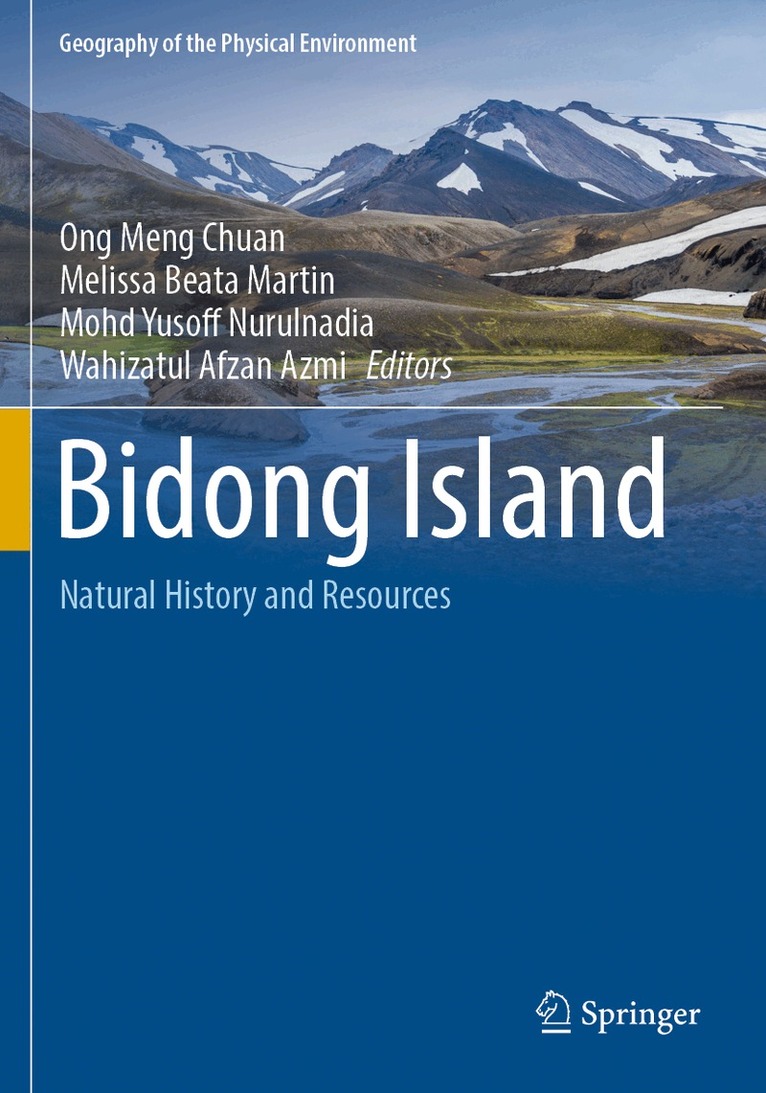
Bidong Island is a small island located in the South China Sea, and is about 14 km from mainland Peninsular Malaysia. The island and the Bidong archipelago boast of its richness in diversity of both terrestrial and marine organisms and its undeniably pristine and thriving ecosystem. In 1975–1990, Bidong Island was formerly a UNHCR refugee camp for a quarter of a million Vietnamese "Boat people" escaping the Vietnam War, and still holds great significance to many of its descendants. Due to its historical significance, the Terengganu State government plans to develop Bidong Island as a heritage tourism site and a new scuba diving destination.This book highlights the uniqueness of Bidong Island and its archipelago, paying particular attention to the biological aspect (which includes marine and terrestrial organisms) and the pollution status surrounding the island. These mainly focus on organisms of the open water and benthic ecosystems such as plankton, fishes, corals reef communities, crustaceans and foraminifera. In addition, we discuss terrene related topics, which includes tree diversity, lichens and also herpetofauna surrounding the Bidong Island. Indisputably an important topic, we also address the pollution status surrounding Bidong Island, with emphasis on heavy metals and its impact.Readers interested in the areas of environmental sciences should find this book appealing. This book can also be used by students and researchers when discussing about tropical environments on island ecosystems. We do hope that stakeholders that would partake in future interest of Bidong Island (particularly in tourism) are equally aware of the current health status of the island and would engage in conserving and sustaining the diversity and heritage of the archipelago for the benefit of the community.
2 179 kr
Skickas inom 10-15 vardagar
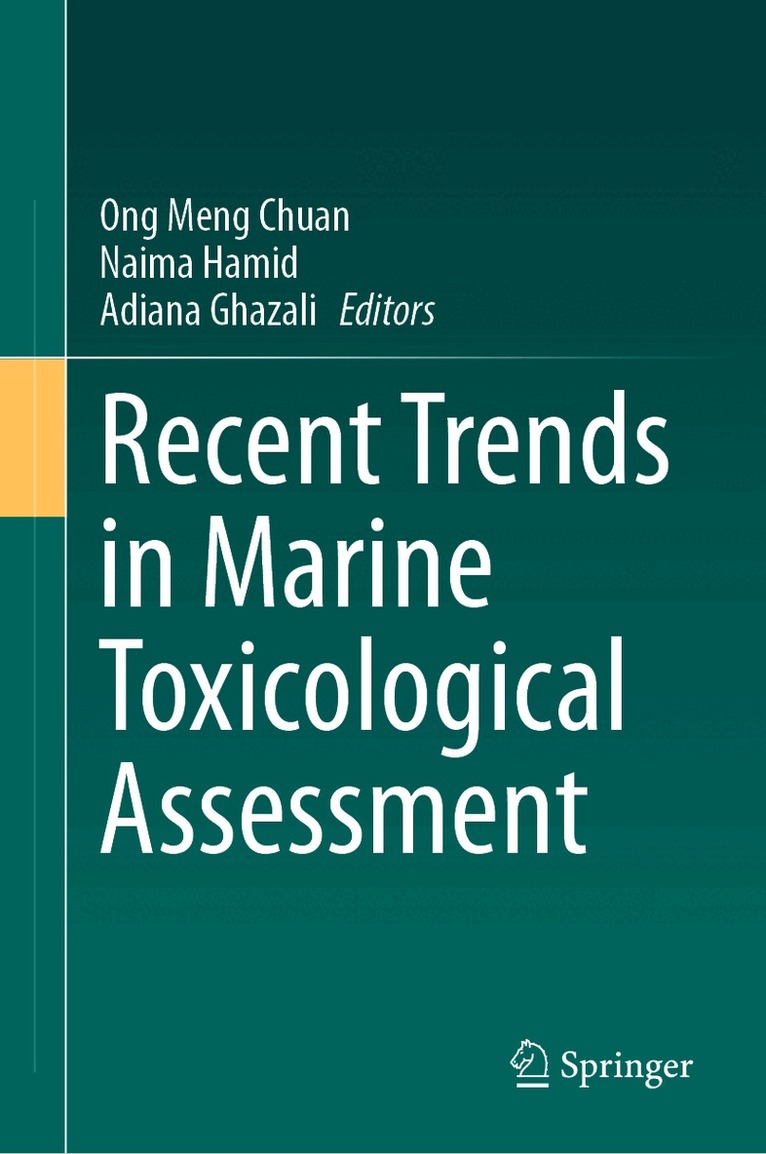
Marine pollution is an escalating global concern, with growing awareness of its severe impact on the world’s oceans. Rapid industrialization and intensified human activities have significantly elevated pollution levels, posing a serious threat to marine ecosystems and biodiversity. This book addresses these critical environmental issues by focusing on advanced methodologies for detecting and assessing marine pollutants. It provides a comprehensive overview of the current state of marine toxicology, emphasizing the importance of innovative approaches to protect ocean health and ensure sustainable marine environments.Combining expert contributions worldwide, this book explores the latest developments in marine toxicological assessment. It begins with discussing the sampling methodologies used for analysing legacy and emerging pollutants in aquatic environments, highlighting the distribution and concentration of these pollutants and their impacts on marine life. The book also introduces the adverse outcome pathway (AOP) framework for microscale toxicity testing, which evaluates the effects of pollutants at various biological levels. In addition, it examines in silico techniques and the Toxicology in the 21st Century (Tox21) concept, which employs a comprehensive approach beyond traditional quantitative structure-activity relationship (QSAR) methods. These advanced techniques are essential for predicting ecotoxicological impacts and ensuring chemical safety in marine ecosystems."Recent Trends in Marine Toxicological Assessment" is designed for a diverse audience, including students, research scholars, and policymakers in environmental science, marine chemistry, marine biology, and biotechnology. It is an invaluable resource for those seeking to enhance their understanding of marine pollution, toxicological assessment, and the latest methods for monitoring and mitigating the impact of pollutants. This book will assist policymakers and environmental managers develop effective strategies to combat marine pollution and protect ocean health. By integrating advanced scientific techniques with practical applications, this book aims to support ongoing efforts to preserve marine ecosystems and promote sustainable practices.