Ornit Shani – författare
Visar alla böcker från författaren Ornit Shani. Handla med fri frakt och snabb leverans.
9 produkter
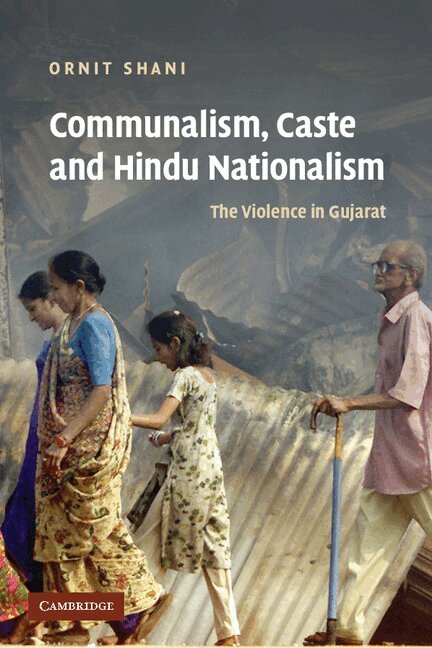
Communalism, Caste and Hindu Nationalism
The Violence in Gujarat
Av Ornit Shani
Häftad, 2007
471 kr
Lägg i varukorg
Belligerent Hindu nationalism, accompanied by recurring communal violence between Hindus and Muslims, has become a compelling force in Indian politics over the last two decades. Ornit Shani's book examines the rise of Hindu nationalism, asking why distinct groups of Hindus, deeply divided by caste, …
Communalism, Caste and Hindu Nationalism
The Violence in Gujarat
Av Ornit Shani
Inbunden, 2007
1351 kr
Lägg i varukorg
Belligerent Hindu nationalism, accompanied by recurring communal violence between Hindus and Muslims, has become a compelling force in Indian politics over the last two decades. Ornit Shani's book examines the rise of Hindu nationalism, asking why distinct groups of Hindus, deeply divided by caste, …
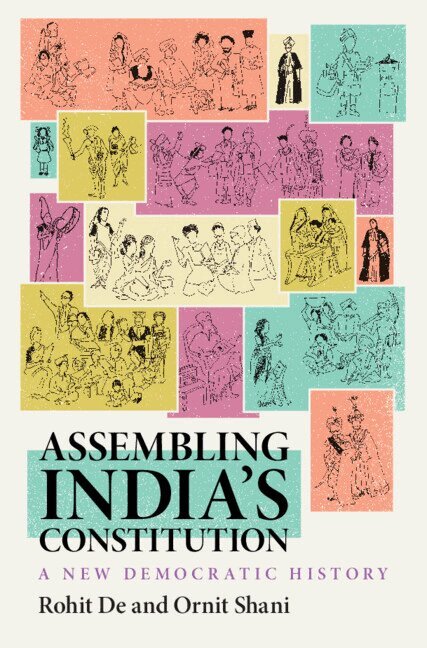
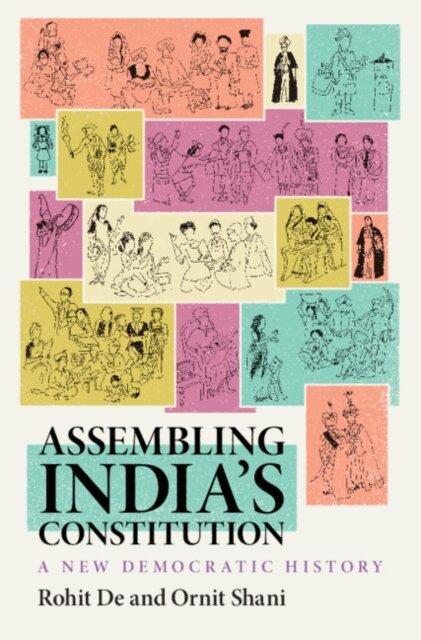
Assembling India's Constitution
A New Democratic History
Av Rohit De, Ornit Shani
Inbunden, 2025
485 kr
Lägg i varukorg
In this paradigm-shifting history, two leading historians of India re-examine the making of the Indian constitution from the perspective of the country's people. In a departure from dominant approaches that foreground the framing of the text within the Constituent Assembly, Ornit Shani and Rohit De …
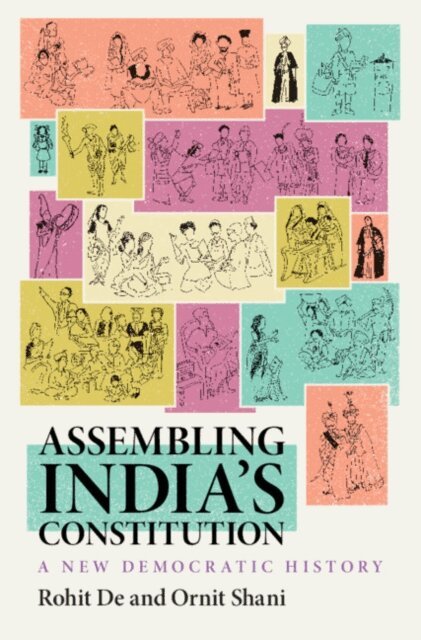
Assembling India's Constitution
A New Democratic History
Av Ornit Shani, Rohit De
E-bok, 2025
588 kr
Lägg i varukorg
Assembling India's Constitution
A New Democratic History
Av Ornit Shani, Rohit De
E-bok, 2025
588 kr
Lägg i varukorg
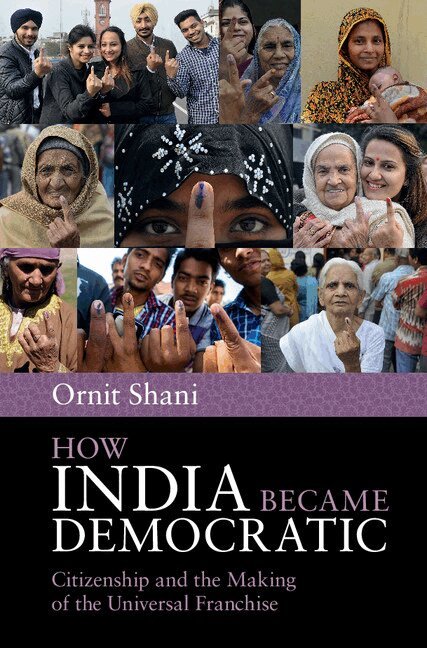
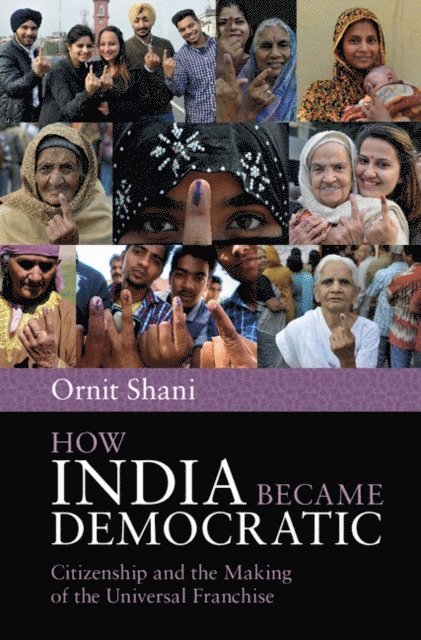
How India Became Democratic
Citizenship and the Making of the Universal Franchise
Av Ornit Shani
Inbunden, 2017
1405 kr
Lägg i varukorg
How India Became Democratic explores the greatest experiment in democratic human history. It tells the untold story of the preparation of the electoral roll on the basis of universal adult franchise in the world's largest democracy. Ornit Shani offers a new view of the institutionalisation of …
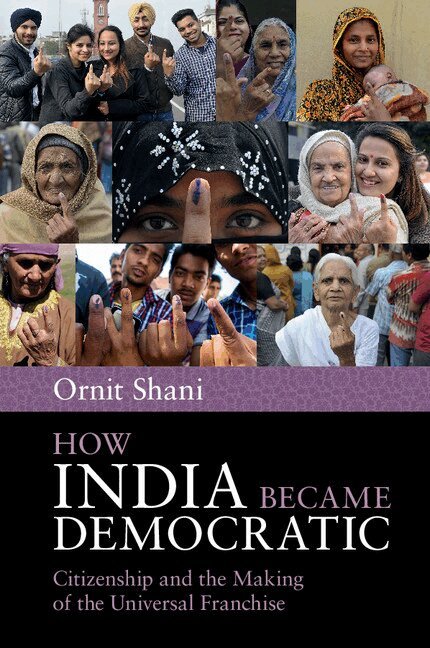
How India Became Democratic
Citizenship and the Making of the Universal Franchise
Av Ornit Shani
Häftad, 2017
636 kr
Lägg i varukorg
How India Became Democratic explores the greatest experiment in democratic human history. It tells the untold story of the preparation of the electoral roll on the basis of universal adult franchise in the world's largest democracy. Ornit Shani offers a new view of the institutionalisation of …
How India Became Democratic
Citizenship and the Making of the Universal Franchise
Av Ornit Shani
E-bok, 2017
621 kr
Lägg i varukorg
How India Became Democratic explores the greatest experiment in democratic human history. It tells the untold story of the preparation of the electoral roll on the basis of universal adult franchise in the world''s largest democracy. Ornit Shani offers a new view of the institutionalisation of …
How India Became Democratic
Citizenship and the Making of the Universal Franchise
Av Ornit Shani
E-bok, 2017
608 kr
Lägg i varukorg
How India Became Democratic explores the greatest experiment in democratic human history. It tells the untold story of the preparation of the electoral roll on the basis of universal adult franchise in the world''s largest democracy. Ornit Shani offers a new view of the institutionalisation of …