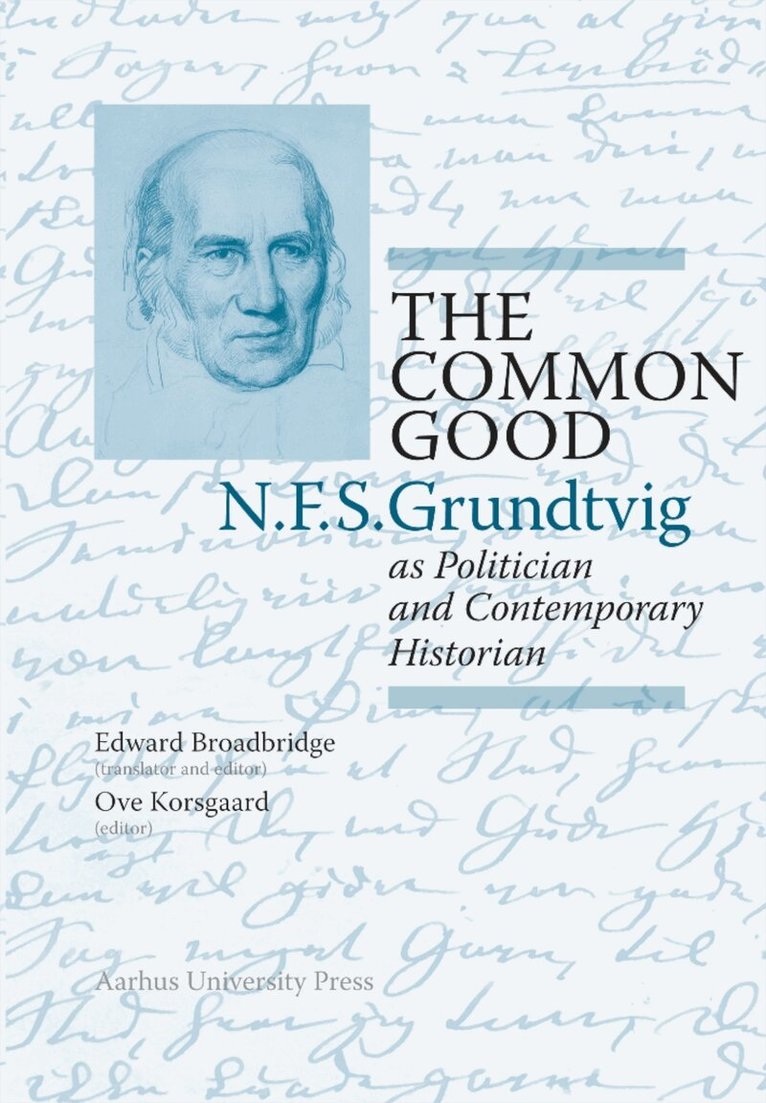
Of the five books in the series 'N.F.S. Grundtvig. Works in English', this fourth volume on Grundtvig as a politician and contemporary historian is perhaps the most surprising. Grundtvig is best known globally as the founding father of the 'People's High School', with his emphasis on lifelong learning and the living word in interactive conversation. In Denmark his next greatest achievement is his hymn-writing and song-writing. Few think of Grundtvig as a politician. In public discourse he is linked to Nordic mythology and church matters, rather than to parliamentary democracy or contemporary history. However, Grundtvig was a historian and a politician. His historical interests were the driving force of his entry into public politics, as is demonstrated by the texts in this volume. The present volume also presents his opposition to slavery and his support for women's amancipation.
What do we mean when we say "the people"? In a Nordic context, the word "people" was historically associated not with members of a sovereign nation but of a household, church, or state. The term remains a battlefield of mixed or even opposing interests and has developed at least three different meanings: a political unit, a cultural entity, and a social multitude. Modern historian Ove Korsgaard focuses on the crucial struggles over who has (or has not) belonged to the people over the past 175 years, and elucidates their implications for state and nation building in Denmark and other Nordic countries.
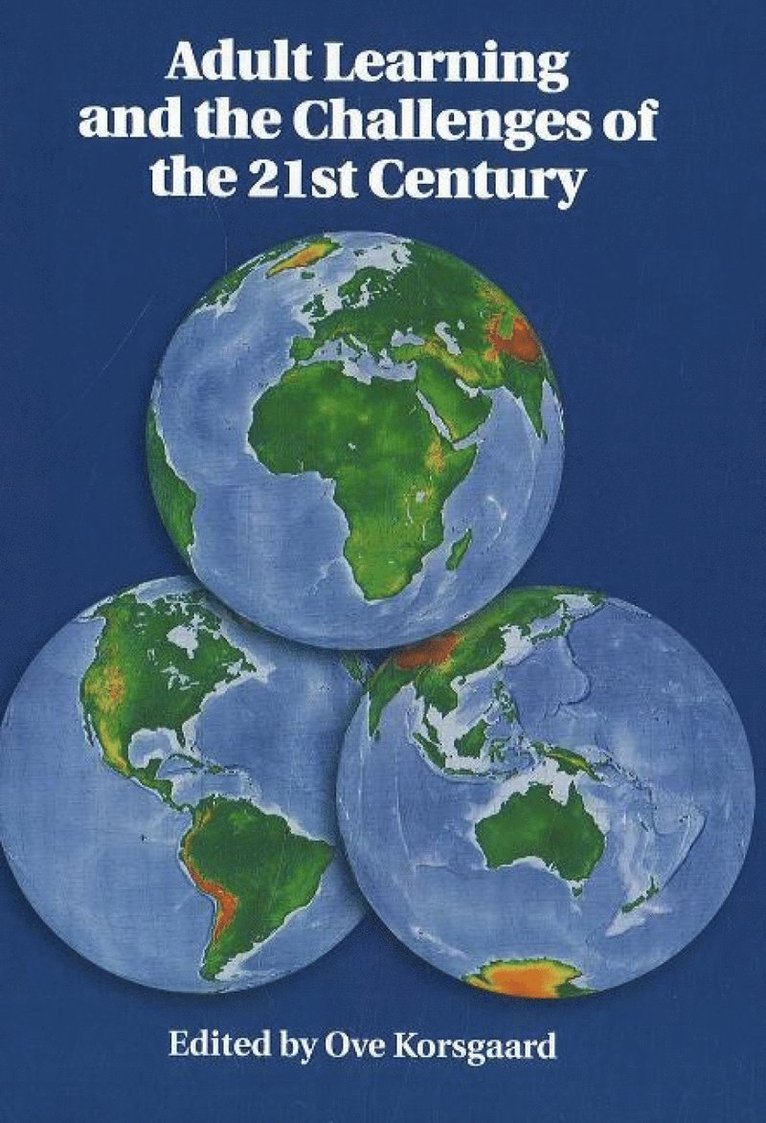
Adult Learning & the Challenges of the 21st Century was the title of Theme One at the fifth UNESCO conference on Adult Education in Hamburg July1997. The theme had the following keywords: Adult learning for democracy and human rights; Promoting a culture of peace; Encouraging active citizenship; The Role of NGOs; Poverty alleviation; Adult learning and gender issues; Cultural diversity/minority issues; Indigenous peoples. The Association for World Education was asked by UNESCO to be responsible for Theme One. This book is based upon lectures on this theme given at various AWE conferences.
Of the five books in the series 'N.F.S. Grundtvig. Works in English', this fourth volume on Grundtvig as a politician and contemporary historian is perhaps the most surprising. Grundtvig is best known globally as the founding father of the 'People's High School', with his emphasis on lifelong learning and the living word in interactive conversation. In Denmark his next greatest achievement is his hymn-writing and song-writing. Few think of Grundtvig as a politician. In public discourse he is linked to Nordic mythology and church matters, rather than to parliamentary democracy or contemporary history. However, Grundtvig was a historian and a politician. His historical interests were the driving force of his entry into public politics, as is demonstrated by the texts in this volume. The present volume also presents his opposition to slavery and his support for women's amancipation.
What do we mean when we say "the people"? In a Nordic context, the word "people" was historically associated not with members of a sovereign nation but of a household, church, or state. The term remains a battlefield of mixed or even opposing interests and has developed at least three different meanings: a political unit, a cultural entity, and a social multitude. Modern historian Ove Korsgaard focuses on the crucial struggles over who has (or has not) belonged to the people over the past 175 years, and elucidates their implications for state and nation building in Denmark and other Nordic countries.
Adult Learning & the Challenges of the 21st Century was the title of Theme One at the fifth UNESCO conference on Adult Education in Hamburg July1997. The theme had the following keywords: Adult learning for democracy and human rights; Promoting a culture of peace; Encouraging active citizenship; The Role of NGOs; Poverty alleviation; Adult learning and gender issues; Cultural diversity/minority issues; Indigenous peoples. The Association for World Education was asked by UNESCO to be responsible for Theme One. This book is based upon lectures on this theme given at various AWE conferences.