P. Högselius – författare
Visar alla böcker från författaren P. Högselius. Handla med fri frakt och snabb leverans.
4 produkter
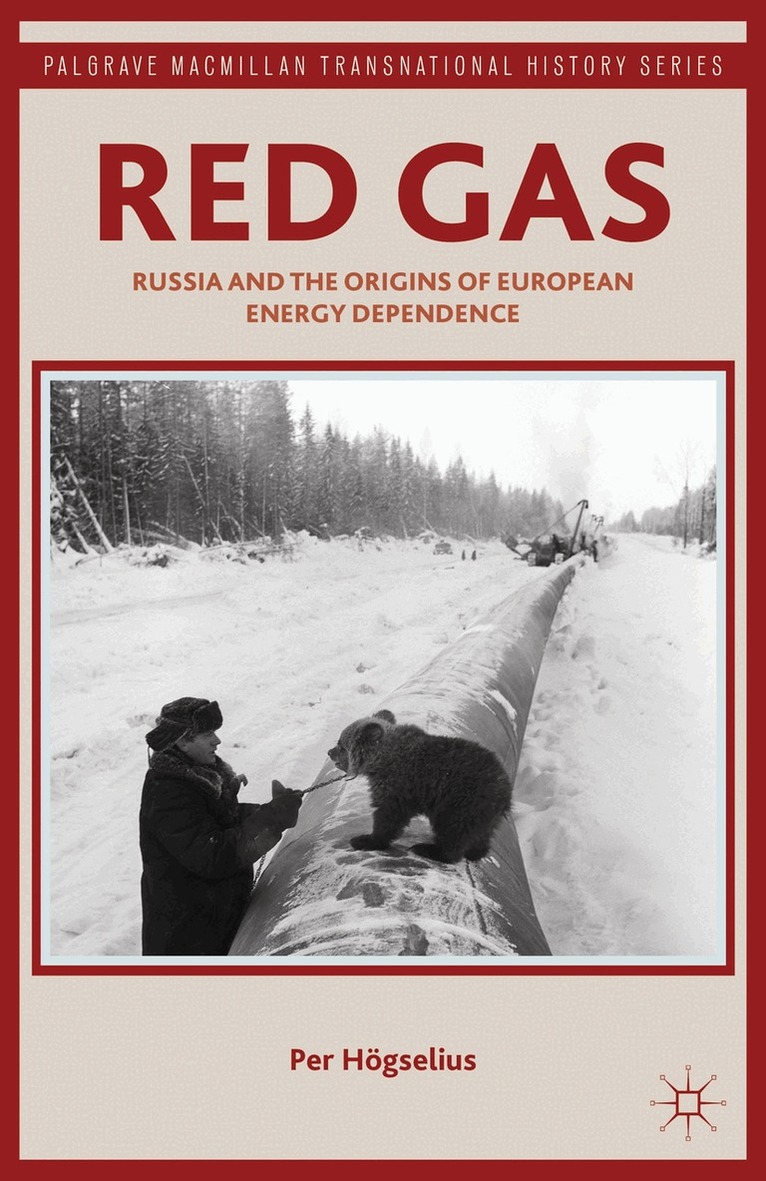
Red Gas
Russia and the Origins of European Energy Dependence
Av P. Högselius
Inbunden, 2012
1465 kr
Lägg i varukorg
This book applies a systems and risk perspective on international energy relations, author Per Högselius investigates how and why governments, businesses, engineers and other actors sought to promote – and oppose– the establishment of an extensive East-West natural gas regime that seemed to …
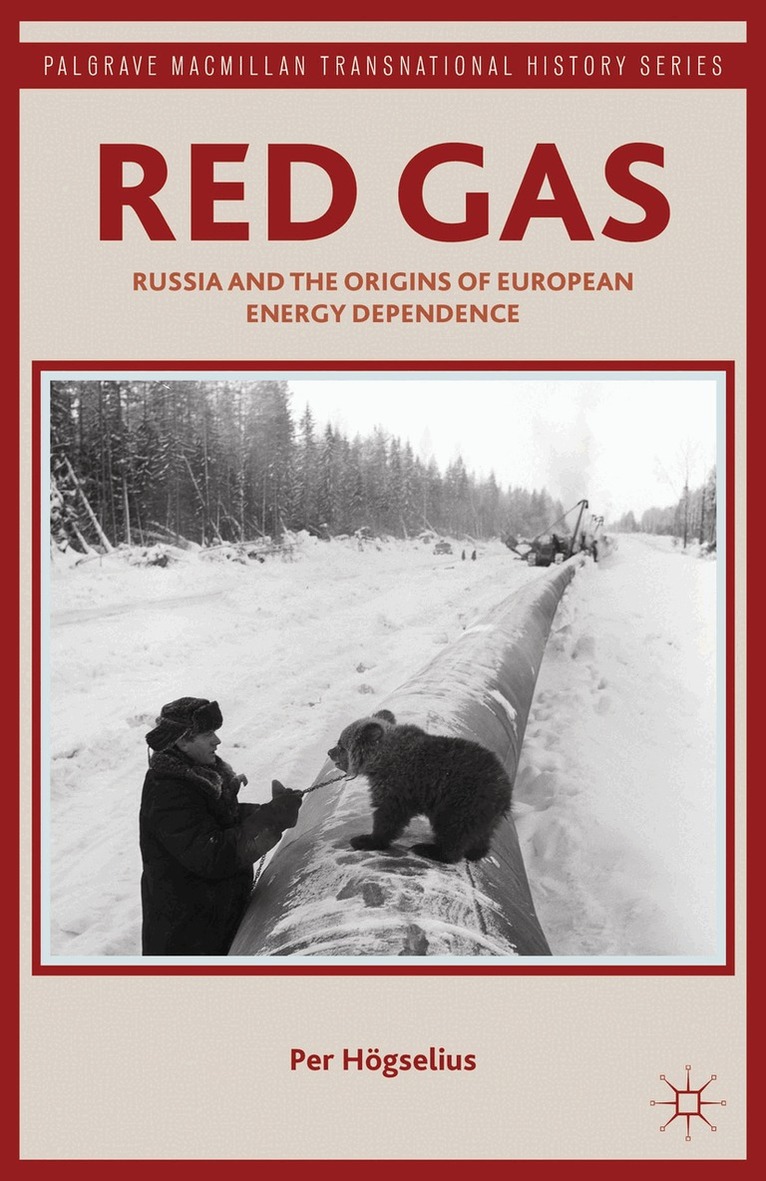
Red Gas
Russia and the Origins of European Energy Dependence
Av P. Högselius
Häftad, 2012
1465 kr
Lägg i varukorg
This book applies a systems and risk perspective on international energy relations, author Per Högselius investigates how and why governments, businesses, engineers and other actors sought to promote – and oppose– the establishment of an extensive East-West natural gas regime that seemed to …
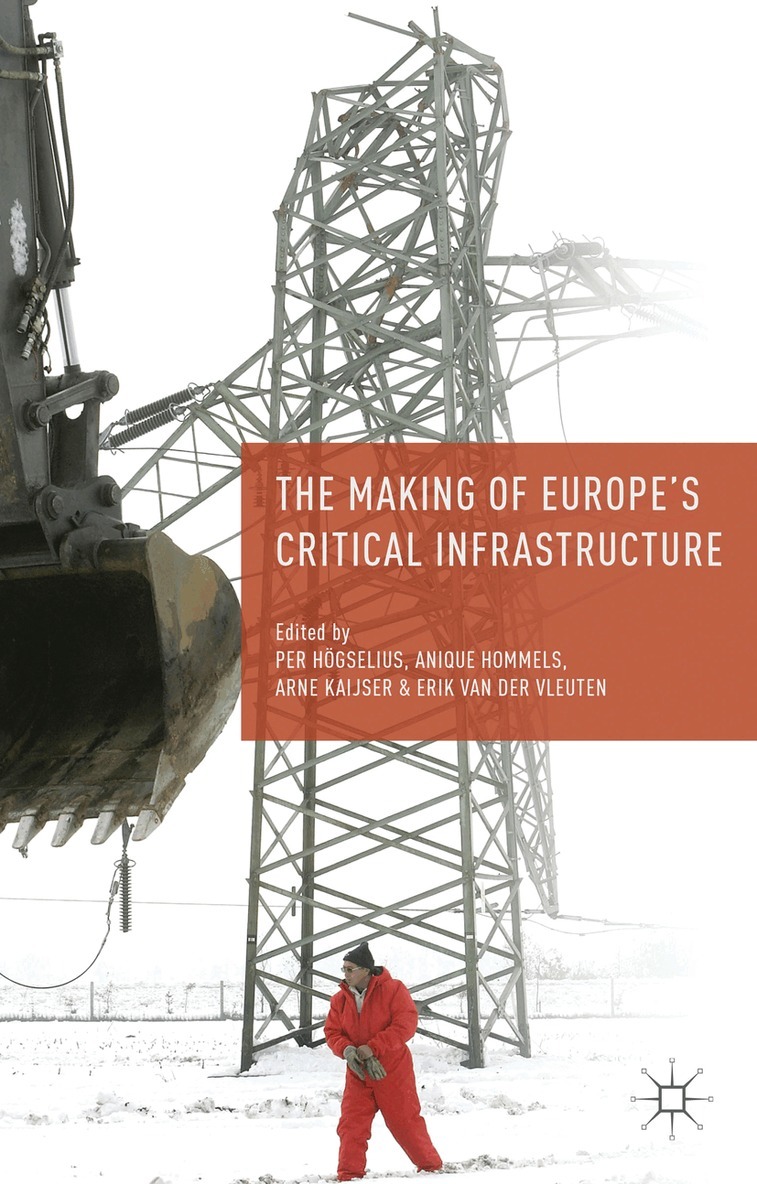
Making of Europe's Critical Infrastructure
Common Connections and Shared Vulnerabilities
Av P. Högselius, A. Hommels m. fl.
Inbunden, 2013
568 kr
Lägg i varukorg
Europe's critical infrastructure is a key concern to policymakers, NGOs, companies, and citizens today. A 2006 power line failure in northern Germany closed lights in Portugal in a matter of seconds. Several Russian-Ukrainian gas crises shocked politicians, entrepreneurs, and citizens thousands of …
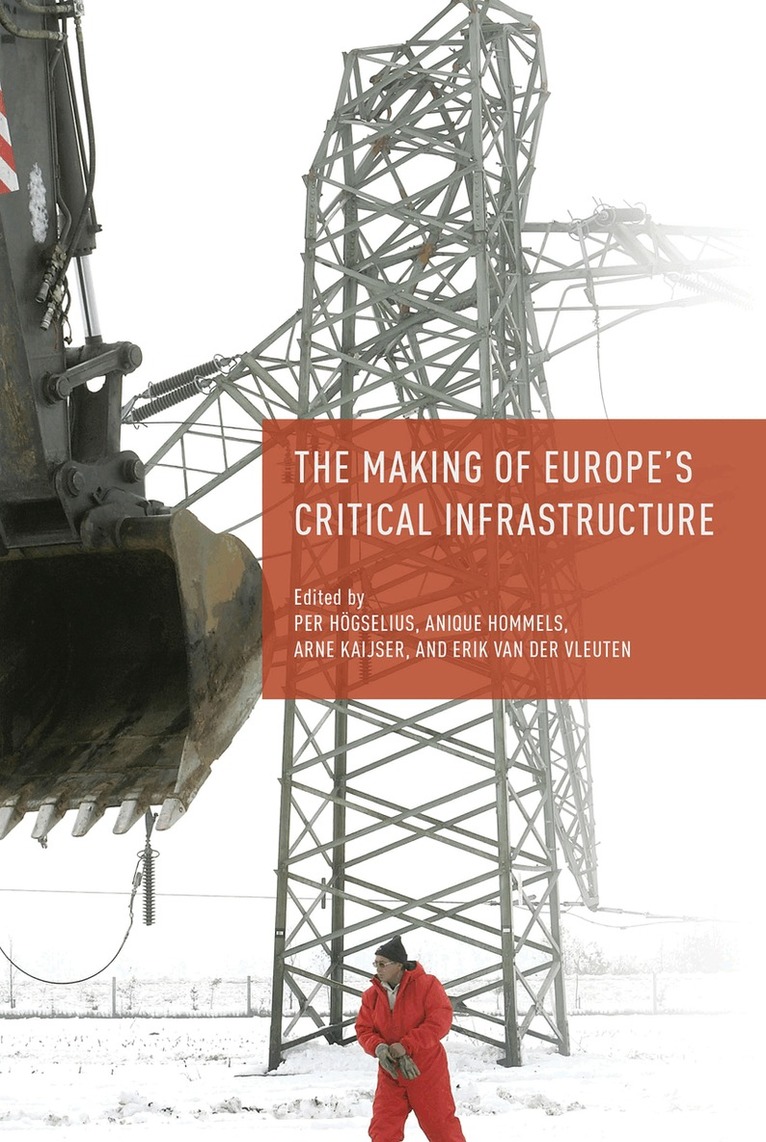
Making of Europe's Critical Infrastructure
Common Connections and Shared Vulnerabilities
Av P. Högselius, A. Hommels m. fl.
Häftad, 2013
568 kr
Lägg i varukorg
Europe's critical infrastructure is a key concern to policymakers, NGOs, companies, and citizens today. A 2006 power line failure in northern Germany closed lights in Portugal in a matter of seconds. Several Russian-Ukrainian gas crises shocked politicians, entrepreneurs, and citizens thousands of …