P. King – författare
Visar alla böcker från författaren P. King. Handla med fri frakt och snabb leverans.
6 produkter
Housing: Who Decides?
Inbunden, 2000
1093 kr
Lägg i varukorg
Housing: Who Decides ? consists of a debate between a political theorist and an economist on decision-making in housing. Each author develops a normative argument linking theoretical and policy analyses to establish the abilities of the state and individuals to determine housing outcomes.
Housing: Who Decides?
E-bok, 2000
1550 kr
Lägg i varukorg
Housing: Who Decides ? consists of a debate between a political theorist and an economist on decision-making in housing. Each author develops a normative argument linking theoretical and policy analyses to establish the abilities of the state and individuals to determine housing outcomes.
Housing: Who Decides?
Häftad, 2000
1093 kr
Lägg i varukorg
Housing: Who Decides ? consists of a debate between a political theorist and an economist on decision-making in housing. Each author develops a normative argument linking theoretical and policy analyses to establish the abilities of the state and individuals to determine housing outcomes.
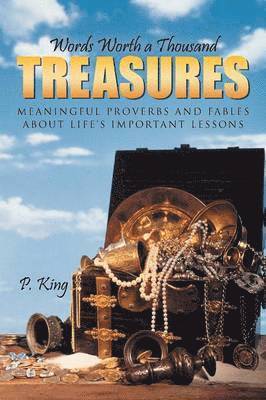
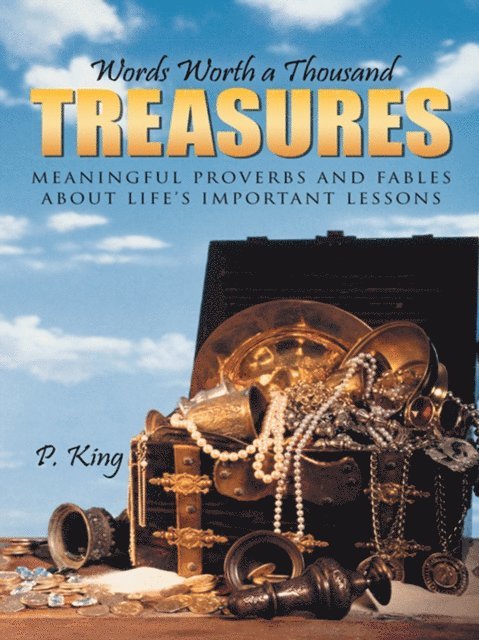
Words Worth a Thousand Treasures
Meaningful Proverbs and Fables about Life's Important Lessons
Av P King
Häftad, 2014
106 kr
Lägg i varukorg
Words Worth a Thousand Treasures
Meaningful Proverbs and Fables About Life’S Important Lessons
Av P. King
E-bok, 2014
53 kr
Lägg i varukorg
When author P. King was growing up, her father frequently told her and her siblings stories teaching them how to be better people and make good decisions in life. He would conclude the message with the words, I have just given you one thousand treasures.In Words Worth a Thousand Treasures, King …
Assessment of Hearing Disability
Guidelines for Medicolegal Practice
Häftad, 1992
800 kr
Lägg i varukorg
This is the report of the Inter-Society Working Group on Hearing Disability, which was founded in 1986 and completed its work in 1991. The report proposes a method for the quantification of hearing disability resulting from hearing impairment for the purposes of description and compensation, with …