
P. Panwar – författare
Visar alla böcker från författaren P. Panwar. Handla med fri frakt och snabb leverans.
2 produkter
2 produkter
Häftad, Engelska, 2012
551 kr
Skickas inom 5-8 vardagar
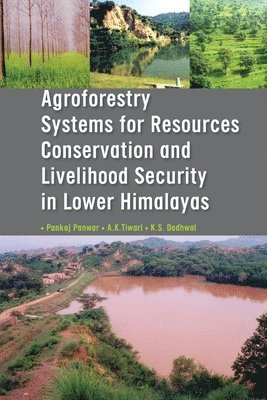
Shivalik ranges span approximately 2.14 million hectares across Himachal Pradesh, Uttarakhand, Jammu and Kashmir, Punjab, and Haryana in northwest India. The excessive exploitation of resources in the region has led to soil erosion, resulting in the rise of riverbeds, siltation of tanks, reservoirs, and other natural water bodies. Soil erosion exceeding 80 t ha-1 yr-1 has been documented in denuded hills at certain locations. Approximately 70% of the population in the region relies on agriculture, but only 18% of the cultivated area is irrigated. Agroforestry, which involves integrating trees and crops, has been recommended globally to mitigate soil erosion and achieve production goals simultaneously. Adopting scientifically proven agroforestry systems in the Shivaliks could reverse the degradation and enhance the economic status of the regions farmers.To date, extensive research has been conducted on the role of agroforestry in resource conservation and livelihood security in the region. This book aims to compile the existing knowledge on the subject, with 20 chapters covering various topics related to agroforestry systems and their impact on soil and water conservation, livelihood security, slope protection through mechanical and vegetative measures, fertility build-up, mine spoil rehabilitation, bamboos, climate change, and carbon sequestration.
Inbunden, Engelska, 2012
1 380 kr
Skickas inom 5-8 vardagar
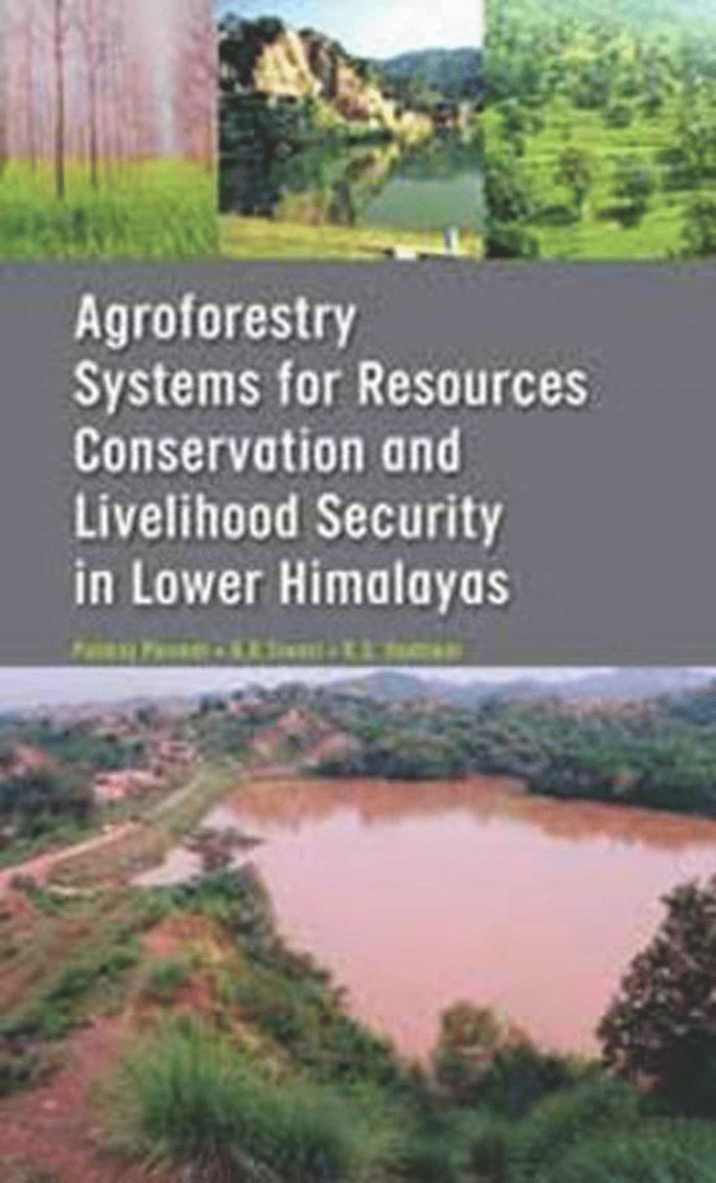
The Shivalik ranges cover a vast area of approximately 2.14 million hectares across the states of Himachal Pradesh, Uttarakhand, Jammu and Kashmir, Punjab, and Haryana in north-west India. Over-exploitation of resources in the region has led to soil erosion, resulting in the rise of riverbeds and siltation of tanks, reservoirs, and other natural water bodies. Soil erosion rates of more than 80 tonnes per hectare per year have been recorded in some denuded hills. In this region, over 70% of the population depends on agriculture, but only 18% of the cultivated area is irrigated.To address this issue, agroforestry, which integrates trees with crops, has been recommended worldwide to check soil erosion and achieve production goals simultaneously. The adoption of scientifically proven agroforestry systems in the Shivalik region has the potential to reverse the degradation and improve the economic status of the farmers in the area.Extensive research has been conducted on the role of agroforestry in resource conservation and livelihood security in the region. This book aims to compile the available knowledge on the subject and contains 20 chapters covering various topics related to agroforestry systems, soil and water conservation, livelihood security, slope protection through mechanical and vegetative measures, fertility build-up, mine spoil rehabilitation, bamboos, climate change, and carbon sequestration.