Palmiro Poltronieri – författare
1 750 kr
Skickas inom 10-15 vardagar
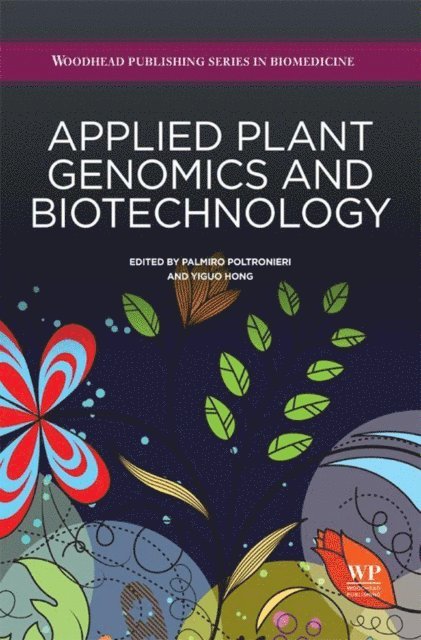
Applied plant genomics and biotechnology reviews the recent advancements in the post-genomic era, discussing how different varieties respond to abiotic and biotic stresses, investigating epigenetic modifications and epigenetic memory through analysis of DNA methylation states, applicative uses of RNA silencing and RNA interference in plant physiology and in experimental transgenics, and plants modified to produce high-value pharmaceutical proteins. The book provides an overview of research advances in application of RNA silencing and RNA interference, through Virus-based transient gene expression systems, Virus induced gene complementation (VIGC), Virus induced gene silencing (Sir VIGS, Mr VIGS) Virus-based microRNA silencing (VbMS) and Virus-based RNA mobility assays (VRMA); RNA based vaccines and expression of virus proteins or RNA, and virus-like particles in plants, the potential of virus vaccines and therapeutics, and exploring plants as factories for useful products and pharmaceuticals are topics wholly deepened. The book reviews and discuss Plant Functional Genomic studies discussing the technologies supporting the genetic improvement of plants and the production of plant varieties more resistant to biotic and abiotic stresses. Several important crops are analysed providing a glimpse on the most up-to-date methods and topics of investigation. The book presents a review on current state of GMO, the cisgenesis-derived plants and novel plant products devoid of transgene elements, discuss their regulation and the production of desired traits such as resistance to viruses and disease also in fruit trees and wood trees with long vegetative periods. Several chapters cover aspects of plant physiology related to plant improvement: cytokinin metabolism and hormone signaling pathways are discussed in barley; PARP-domain proteins involved in Stress-Induced Morphogenetic Response, regulation of NAD signaling and ROS dependent synthesis of anthocyanins. Apple allergen isoforms and the various content in different varieties are discussed and approaches to reduce their presence. Euphorbiaceae, castor bean, cassava and Jathropa are discussed at genomic structure, their diseases and viruses, and methods of transformation. Rice genomics and agricultural traits are discussed, and biotechnology for engineering and improve rice varieties. Mango topics are presented with an overview of molecular methods for variety differentiation, and aspects of fruit improvement by traditional and biotechnology methods. Oilseed rape is presented, discussing the genetic diversity, quality traits, genetic maps, genomic selection and comparative genomics for improvement of varieties. Tomato studies are presented, with an overview on the knowledge of the regulatory networks involved in flowering, methods applied to study the tomato genome-wide DNA methylation, its regulation by small RNAs, microRNA-dependent control of transcription factors expression, the development and ripening processes in tomato, genomic studies and fruit modelling to establish fleshy fruit traits of interest; the gene reprogramming during fruit ripening, and the ethylene dependent and independent DNA methylation changes.
provides an overview on the ongoing projects and activities in the field of applied biotechnology includes examples of different crops and applications to be exploited reviews and discusses Plant Functional Genomic studies and the future developments in the field explores the new technologies supporting the genetic improvement of plants2 211 kr
Läs direkt efter köp
1 666 kr
Skickas inom 10-15 vardagar
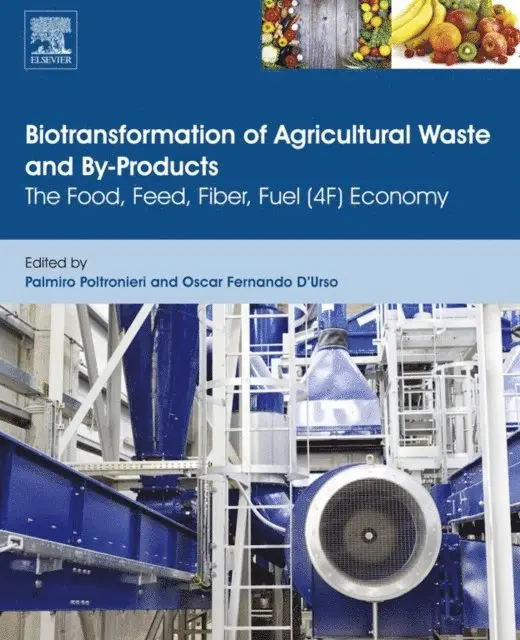
Biotransformation of Agricultural Waste and By-Products in the 4F Economy: The Food, Feed, Fiber, Fuel (4F) Economy presents an evaluation of plant species better exploitable for a particular transformation. As crops are already covering large parts of cultivable soils, is it is not conceivable to try to extend the cultures beyond the limit of available soils, but a further increase in productivity is not easy to obtain.
The book discusses advances in technology and plants design which support the exploitation and valorization of vegetable and fruit by-products through fermentation (feed-batch liquid fermentation, solid-state fermentation) in bio-based bio-chemicals/biofuels production. Pathways in the biosynthesis of fibers, sugars, and metabolites are provided with a focus on the lifecycle of bacteria, yeasts, and even plant species. The text analyzes cellular structures and the organization of cell walls in order to show which polysaccharides offer more favorable fermentative processes and which are detrimental.
Provides an overview of all plant based biosources Includes examples of biochemical/biofuel production from plant waste Discusses the production of enzymes used in the plant fermentation processes Explores the new fermentation technologies and production of chemicals and fuels from various plants2 147 kr
Läs direkt efter köp
1 895 kr
Skickas inom 10-15 vardagar
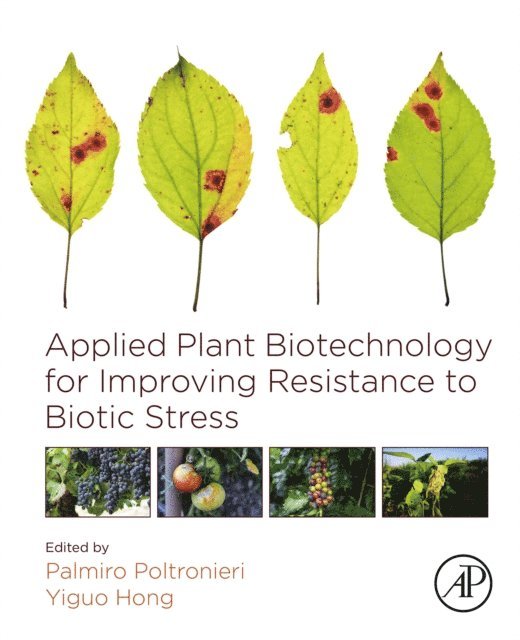
Applied Plant Biotechnology for Improvement of Resistance to Biotic Stress applies biotechnology insights that seek to improve plant genomes, thus helping them achieve higher resistance and optimal hormone signaling to increase crop yield. The book provides an analysis of the current state-of-the-art in plant biotechnology as applied to improving resistance to biotic stress. In recent years, significant progress has been made towards understanding the interplay between plants and their hosts, particularly the role of plant immunity in regulating, attenuating or neutralizing invading pathogens. As a result, there is a great need to integrate these insights with methods from biotechnology.
Applies biotechnology insights towards improving plant genomes, achieving higher resistance and optimizing hormone signaling to increase crop yield Presents the most modern techniques, investigations, diagnostic tools and assays to monitor and detect contaminating agents in crops, such as grape, tomato, coffee and stone fruit Provides encyclopedic coverage of genes, proteins, interaction networks and mechanisms by which plants and hosts seek survival Discusses the methods available to make crops resistant and tolerant to disease without decreased yield or food production Provides insights for policymakers into the difficulties faced by scientific researchers in the use of biotechnology intervention, transgenes and genetically modified sequences2 662 kr
Läs direkt efter köp
2 411 kr
Skickas inom 11-20 vardagar
2 849 kr
Läs direkt efter köp
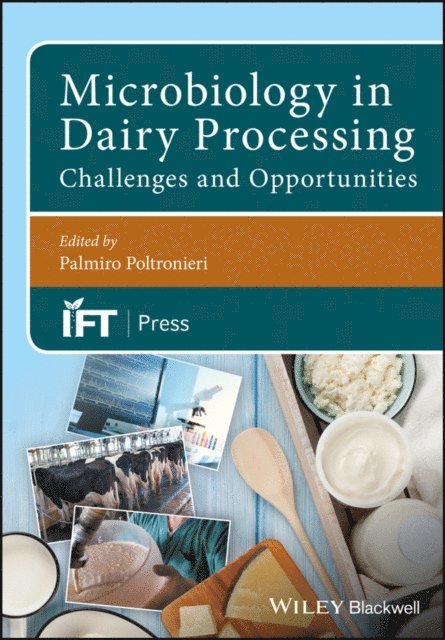
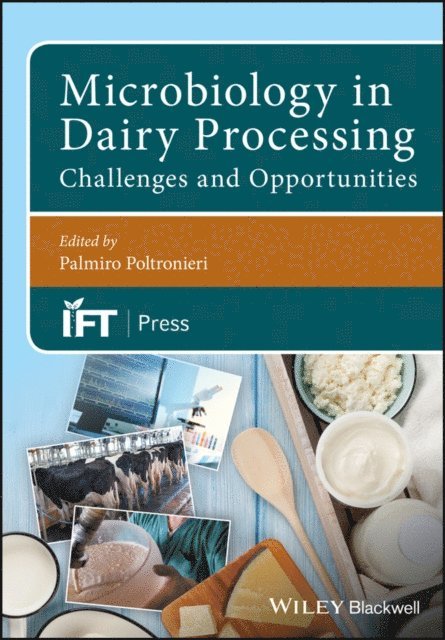
An authoritative guide to microbiological solutions to common challenges encountered in the industrial processing of milk and the production of milk products
Microbiology in Dairy Processing offers a comprehensive introduction to the most current knowledge and research in dairy technologies and lactic acid bacteria (LAB) and dairy associated species in the fermentation of dairy products. The text deals with the industrial processing of milk, the problems solved in the industry, and those still affecting the processes. The authors explore culture methods and species selective growth media, to grow, separate, and characterize LAB and dairy associated species, molecular methods for species identification and strains characterization, Next Generation Sequencing for genome characterization, comparative genomics, phenotyping, and current applications in dairy and non-dairy productions.
In addition, Microbiology in Dairy Processing covers the Lactic Acid Bacteria and dairy associated species (the beneficial microorganisms used in food fermentation processes): culture methods, phenotyping, and proven applications in dairy and non-dairy productions. The text also reviews the potential future exploitation of the culture of novel strains with useful traits such as probiotics, fermentation of sugars, metabolites produced, bacteriocins. This important resource:
Offers solutions both established and novel to the numerous challenges commonly encountered in the industrial processing of milk and the production of milk products Takes a highly practical approach, tackling the problems faced in the workplace by dairy technologists Covers the whole chain of dairy processing from milk collection and storage though processing and the production of various cheese typesWritten for laboratory technicians and researchers, students learning the protocols for LAB isolation and characterisation, Microbiology in Dairy Processing is the authoritative reference for professionals and students.
2 824 kr
Läs direkt efter köp
An authoritative guide to microbiological solutions to common challenges encountered in the industrial processing of milk and the production of milk products
Microbiology in Dairy Processing offers a comprehensive introduction to the most current knowledge and research in dairy technologies and lactic acid bacteria (LAB) and dairy associated species in the fermentation of dairy products. The text deals with the industrial processing of milk, the problems solved in the industry, and those still affecting the processes. The authors explore culture methods and species selective growth media, to grow, separate, and characterize LAB and dairy associated species, molecular methods for species identification and strains characterization, Next Generation Sequencing for genome characterization, comparative genomics, phenotyping, and current applications in dairy and non-dairy productions.
In addition, Microbiology in Dairy Processing covers the Lactic Acid Bacteria and dairy associated species (the beneficial microorganisms used in food fermentation processes): culture methods, phenotyping, and proven applications in dairy and non-dairy productions. The text also reviews the potential future exploitation of the culture of novel strains with useful traits such as probiotics, fermentation of sugars, metabolites produced, bacteriocins. This important resource:
Offers solutions both established and novel to the numerous challenges commonly encountered in the industrial processing of milk and the production of milk products Takes a highly practical approach, tackling the problems faced in the workplace by dairy technologists Covers the whole chain of dairy processing from milk collection and storage though processing and the production of various cheese typesWritten for laboratory technicians and researchers, students learning the protocols for LAB isolation and characterisation, Microbiology in Dairy Processing is the authoritative reference for professionals and students.
1 798 kr
Skickas inom 10-15 vardagar
1 985 kr
Läs direkt efter köp