Paloma Checa-Gismero – författare
Visar alla böcker från författaren Paloma Checa-Gismero. Handla med fri frakt och snabb leverans.
4 produkter
4 produkter
Inbunden, Engelska, 2024
1 222 kr
Skickas inom 5-8 vardagar
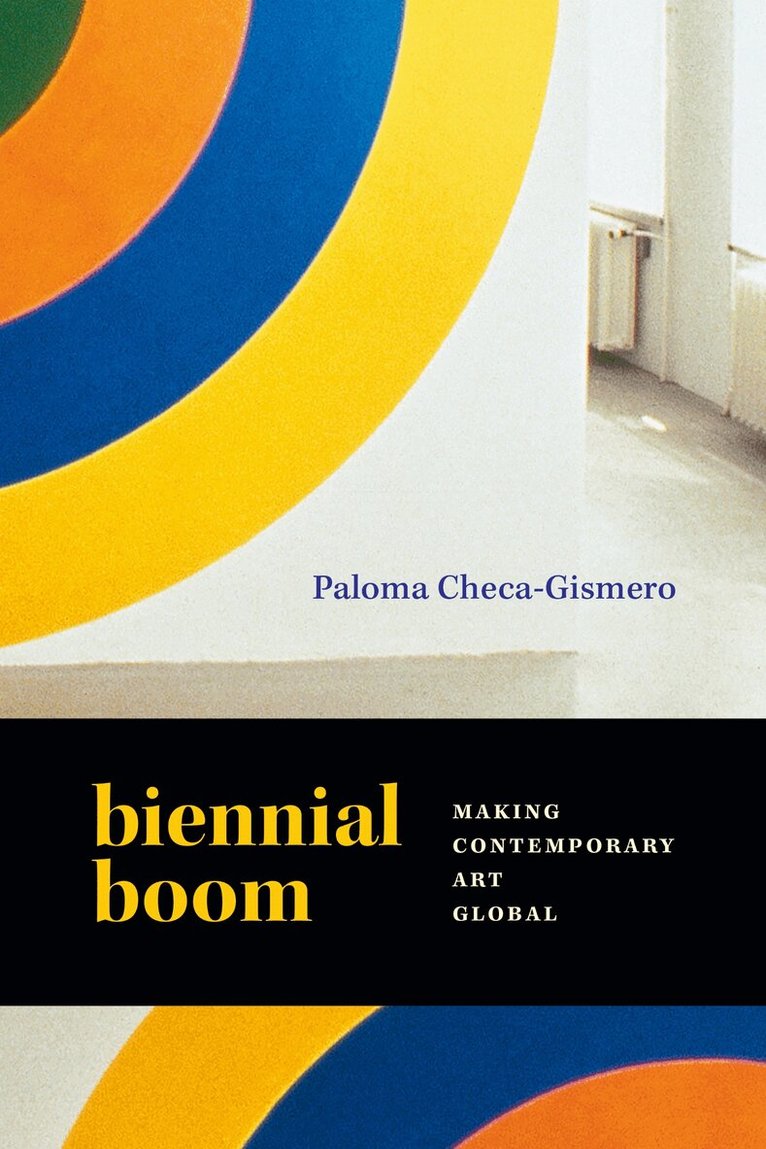
In Biennial Boom, Paloma Checa-Gismero traces an archeology of contemporary art biennials to uncover the processes that prompted these exhibitions to become the global art world’s defining events at the end of the twentieth century. Returning to the early post-Cold War years, Checa-Gismero examines the early iterations of three well-known biennials at the borders of North Atlantic liberalism: the Bienal de La Habana, inSITE, and Manifesta. She draws on archival and oral history fieldwork in Cuba, Mexico, the US/Mexico borderlands, and the Netherlands, showing how these biennials reflected a post-Cold War optimism for a pacified world by which artistic and knowledge production would help mend social, political, and cultural divisions. Checa-Gismero argues that, in reflecting this optimism, biennials facilitated the conversion of subaltern aesthetic genealogies into forms that were legible to a nascent cosmopolitan global elite-all under the pretense of cultural exchange. By outlining how early biennials set the basis for what is now recognized as “global contemporary art,” Checa-Gismero intervenes in previous accounts of the contemporary art world in order to better understand how it became the exclusionary, rarified institution of today.
Häftad, Engelska, 2024
318 kr
Skickas inom 5-8 vardagar
In Biennial Boom, Paloma Checa-Gismero traces an archeology of contemporary art biennials to uncover the processes that prompted these exhibitions to become the global art world’s defining events at the end of the twentieth century. Returning to the early post-Cold War years, Checa-Gismero examines the early iterations of three well-known biennials at the borders of North Atlantic liberalism: the Bienal de La Habana, inSITE, and Manifesta. She draws on archival and oral history fieldwork in Cuba, Mexico, the US/Mexico borderlands, and the Netherlands, showing how these biennials reflected a post-Cold War optimism for a pacified world by which artistic and knowledge production would help mend social, political, and cultural divisions. Checa-Gismero argues that, in reflecting this optimism, biennials facilitated the conversion of subaltern aesthetic genealogies into forms that were legible to a nascent cosmopolitan global elite-all under the pretense of cultural exchange. By outlining how early biennials set the basis for what is now recognized as “global contemporary art,” Checa-Gismero intervenes in previous accounts of the contemporary art world in order to better understand how it became the exclusionary, rarified institution of today.
E-bok
PDF, Engelska, 2024456 kr
Läs direkt efter köp
In Biennial Boom, Paloma Checa-Gismero traces an archeology of contemporary art biennials to uncover the processes that prompted these exhibitions to become the global art world’s defining events at the end of the twentieth century. Returning to the early post-Cold War years, Checa-Gismero examines the early iterations of three well-known biennials at the borders of North Atlantic liberalism: the Bienal de La Habana, inSITE, and Manifesta. She draws on archival and oral history fieldwork in Cuba, Mexico, the US/Mexico borderlands, and the Netherlands, showing how these biennials reflected a post-Cold War optimism for a pacified world by which artistic and knowledge production would help mend social, political, and cultural divisions. Checa-Gismero argues that, in reflecting this optimism, biennials facilitated the conversion of subaltern aesthetic genealogies into forms that were legible to a nascent cosmopolitan global elite—all under the pretense of cultural exchange. By outlining how early biennials set the basis for what is now recognized as “global contemporary art,” Checa-Gismero intervenes in previous accounts of the contemporary art world in order to better understand how it became the exclusionary, rarified institution of today.
E-bok
Spanska, 2016149 kr
Läs direkt efter köp
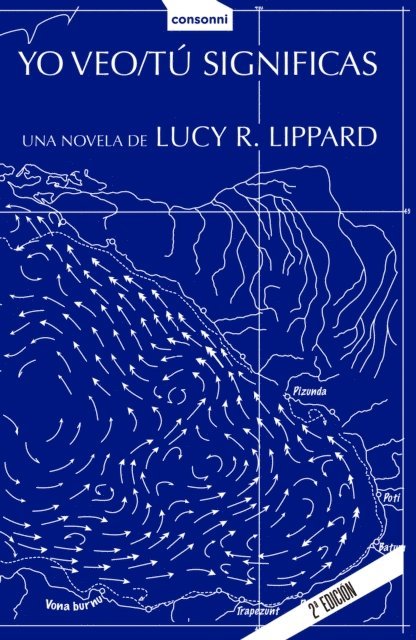
Yo veo / Tú significas es una novela experimental sobre espejos, mapas, relaciones personales, sobre el océano, el éxito esquivo y la felicidad como posibilidad. A través de un collage de fotografías verbales, diálogos, encuentros sexuales, material encontrado y dispositivos de auto-identificación (astrología, el I Ching, quiromancia, Tarot) narra de pasado a futuro la cambiante relación entre dos hombres y dos mujeres. Entre líneas suceden muchas cosas.La crítica de arte Lucy Lippard escribió esta novela en 1970 y se convirtió feminista en el proceso: "Empecé escribiendo y me di cuenta que estaba avergonzada de ser una mujer. Entonces tuve que saber por qué. Luego me enfadé. La forma fragmentada y visual del texto bebe del arte contemporáneo y las emociones conflictivas de las confrontaciones políticas de los 60; todo esto sugirió una nueva forma de recolocar las cosas, de forma abierta, de una manera femenina que no pretende conclusiones".Esta primera edición en castellano sucede cuarenta años después de su publicación en inglés y recuerda la actualidad del legado de su autora en la crítica y la práctica del arte contemporáneo. Esta edición cuenta con una introducción de la crítica de arte e investigadora Paloma Checa-Gismero responsable de su traducción.