Pamela Bianchi – författare
Visar alla böcker från författaren Pamela Bianchi. Handla med fri frakt och snabb leverans.
15 produkter
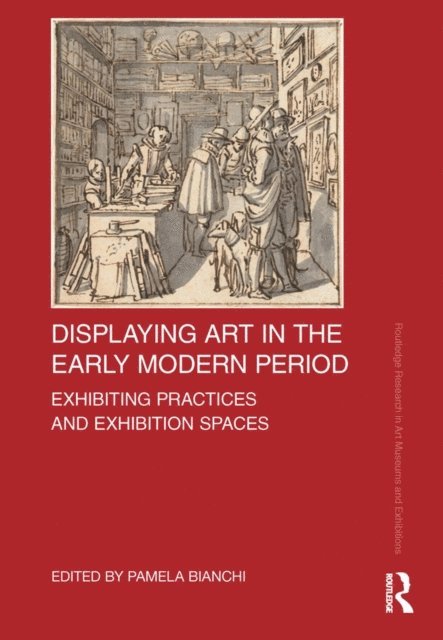
Displaying Art in the Early Modern Period
Exhibiting Practices and Exhibition Spaces
E-bok, 2022
785 kr
Lägg i varukorg
From aesthetic promenades in noble palaces to the performativity of religious apparatus, this edited volume reconsiders some of the events, habits and spaces that contributed to defining exhibition practices and shaping the imagery of the exhibition space in the early modern period. The …
Displaying Art in the Early Modern Period
Exhibiting Practices and Exhibition Spaces
E-bok, 2022
785 kr
Lägg i varukorg
From aesthetic promenades in noble palaces to the performativity of religious apparatus, this edited volume reconsiders some of the events, habits and spaces that contributed to defining exhibition practices and shaping the imagery of the exhibition space in the early modern period. The …
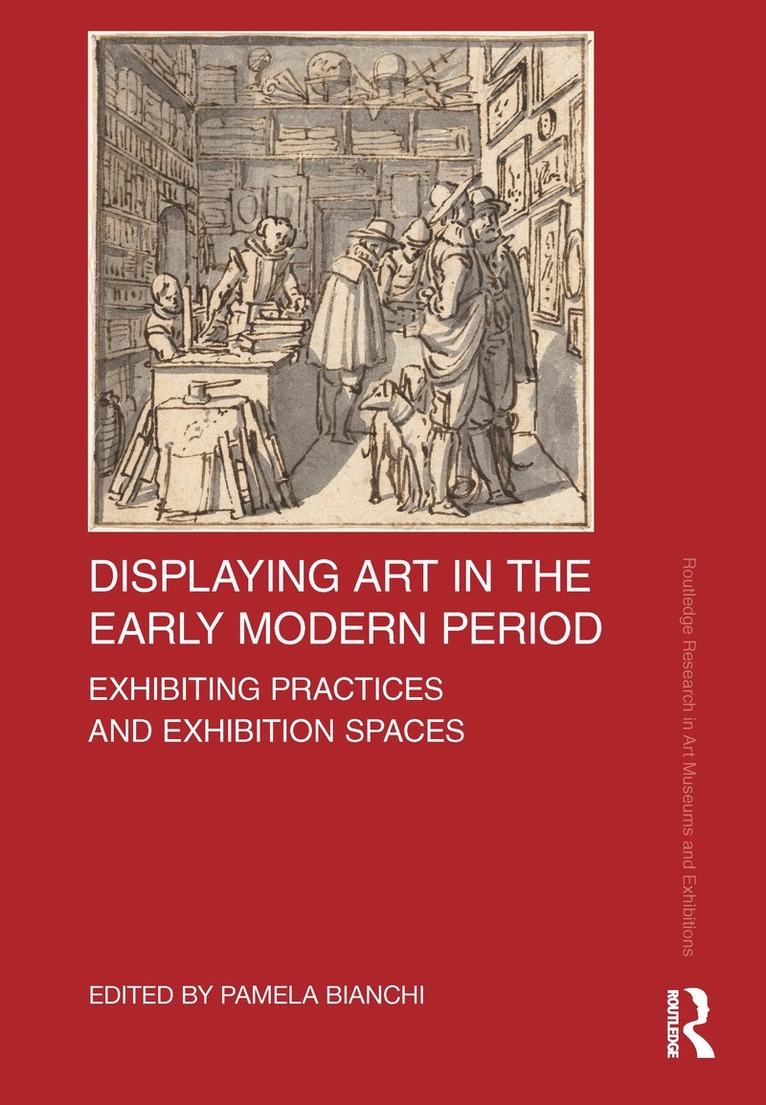
Displaying Art in the Early Modern Period
Exhibiting Practices and Exhibition Spaces
Inbunden, 2022
2585 kr
Lägg i varukorg
From aesthetic promenades in noble palaces to the performativity of religious apparatus, this edited volume reconsiders some of the events, habits and spaces that contributed to defining exhibition practices and shaping the imagery of the exhibition space in the early modern period. The …
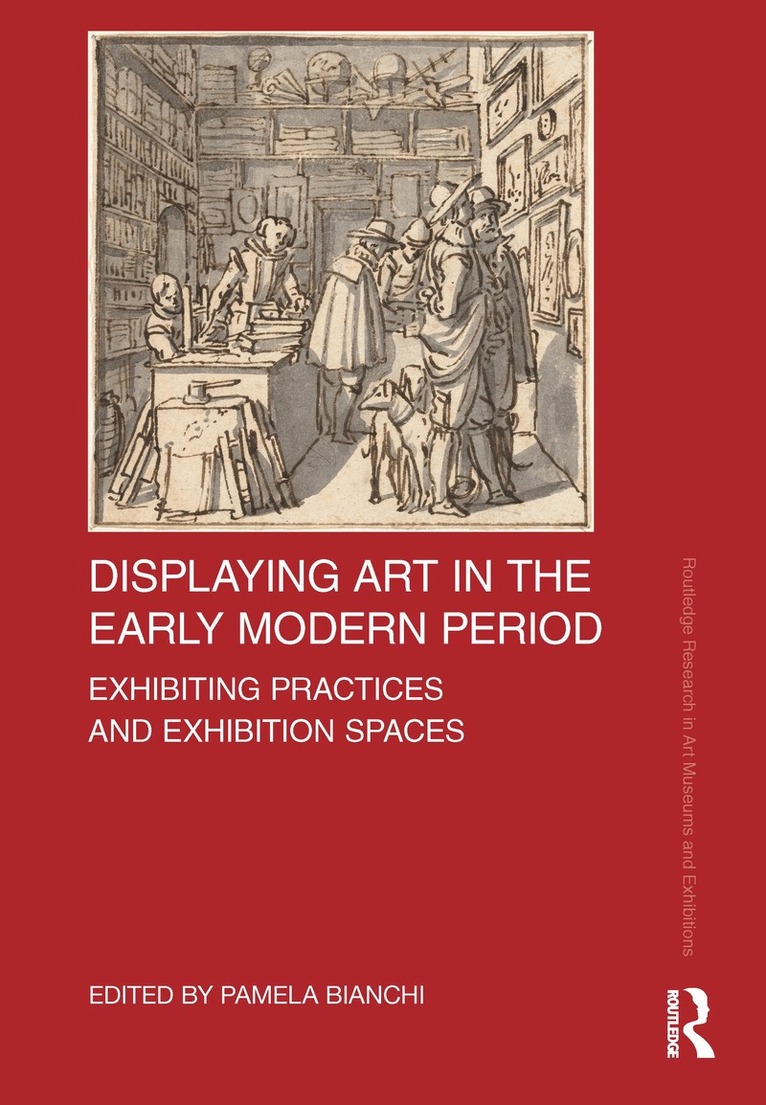
Displaying Art in the Early Modern Period
Exhibiting Practices and Exhibition Spaces
Häftad, 2024
667 kr
Lägg i varukorg
From aesthetic promenades in noble palaces to the performativity of religious apparatus, this edited volume reconsiders some of the events, habits and spaces that contributed to defining exhibition practices and shaping the imagery of the exhibition space in the early modern period. The …
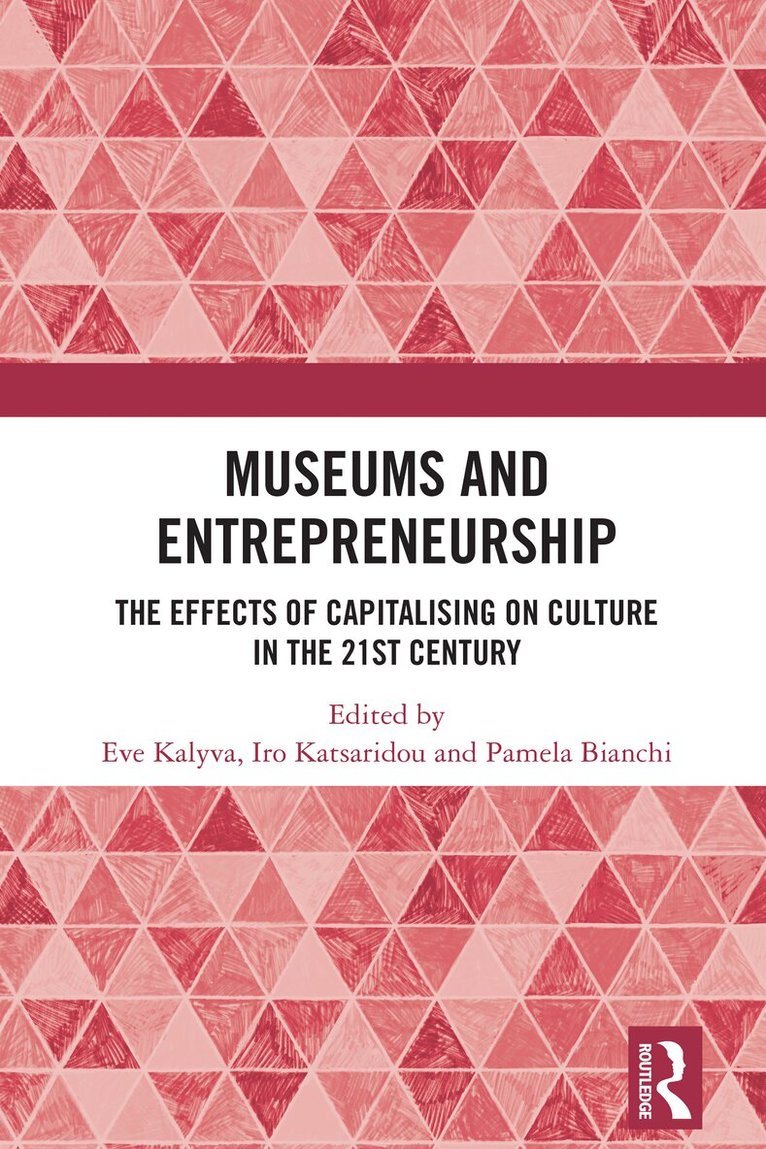
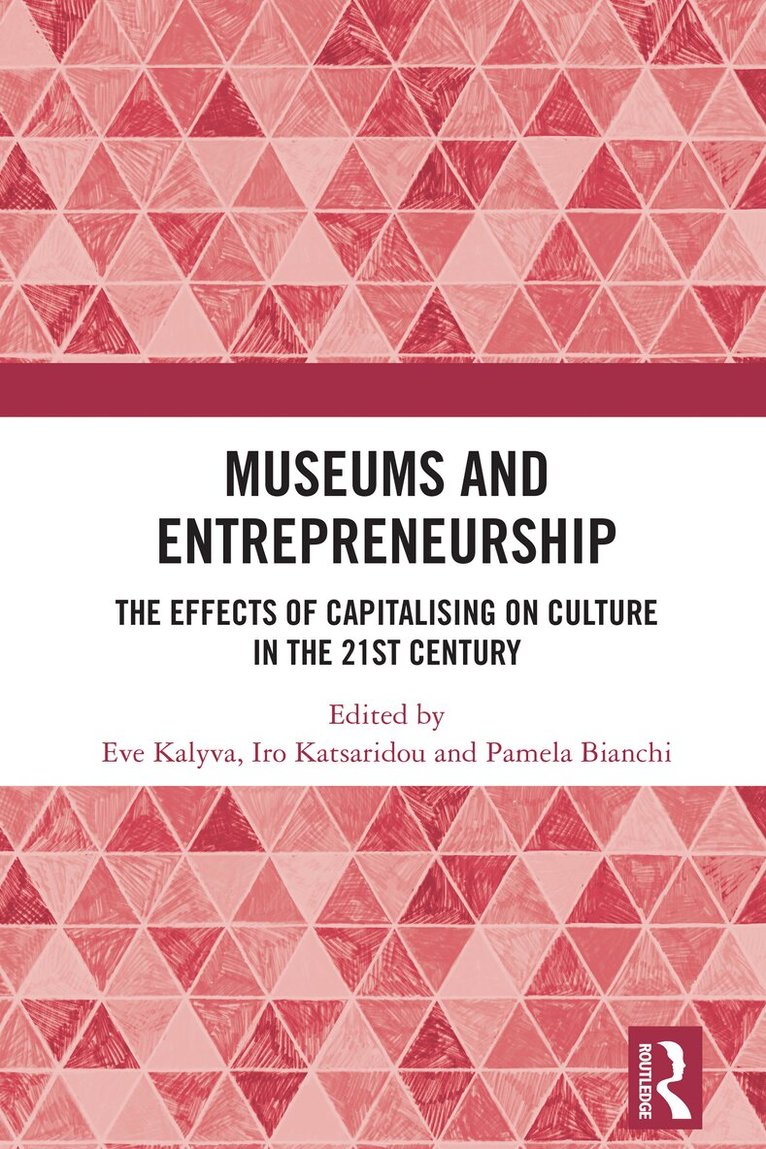
Museums and Entrepreneurship
The Effects of Capitalising on Culture in the 21st Century
Av Eve Kalyva, Iro Katsaridou m. fl.
Inbunden, 2024
2585 kr
Lägg i varukorg
Museums and Entrepreneurship: The Effects of Capitalising on Culture in the 21st Century addresses the largely under-examined impact that different entrepreneurial endeavours have on museum practices today.It identifies an entrepreneurial turn in today’s neoliberal context and critically evaluates …
Museums and Entrepreneurship
The Effects of Capitalising on Culture in the 21st Century
Av Eve Kalyva, Iro Katsaridou m. fl.
Häftad, 2025
706 kr
Lägg i varukorg
Museums and Entrepreneurship: The Effects of Capitalising on Culture in the 21st Century addresses the largely under-examined impact that different entrepreneurial endeavours have on museum practices today.It identifies an entrepreneurial turn in today’s neoliberal context and critically evaluates …
Museums and Entrepreneurship
The Effects of Capitalising on Culture in the 21st Century
Av Pamela Bianchi, Iro Katsaridou m. fl.
E-bok, 2024
813 kr
Lägg i varukorg
Museums and Entrepreneurship: The Effects of Capitalising on Culture in the 21st Century addresses the largely under-examined impact that different entrepreneurial endeavours have on museum practices today. It identifies an entrepreneurial turn in today’s neoliberal context and critically evaluates …
Museums and Entrepreneurship
The Effects of Capitalising on Culture in the 21st Century
Av Pamela Bianchi, Iro Katsaridou m. fl.
E-bok, 2024
831 kr
Lägg i varukorg
Museums and Entrepreneurship: The Effects of Capitalising on Culture in the 21st Century addresses the largely under-examined impact that different entrepreneurial endeavours have on museum practices today. It identifies an entrepreneurial turn in today’s neoliberal context and critically evaluates …
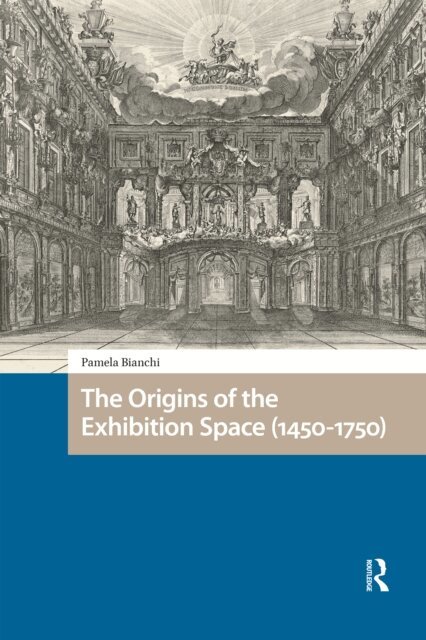
Origins of the Exhibition Space (1450-1750)
E-bok, 2025
856 kr
Lägg i varukorg
Before the first purpose-designed exhibition spaces and painting exhibitions emerged, showing art was mainly related to the habit of dressing up spaces for political commemorations, religious festivals, and marketing strategies. Palaces, cloisters, façades, squares, and shops became temporary and …
Origins of the Exhibition Space (1450-1750)
E-bok, 2025
856 kr
Lägg i varukorg
Before the first purpose-designed exhibition spaces and painting exhibitions emerged, showing art was mainly related to the habit of dressing up spaces for political commemorations, religious festivals, and marketing strategies. Palaces, cloisters, façades, squares, and shops became temporary and …
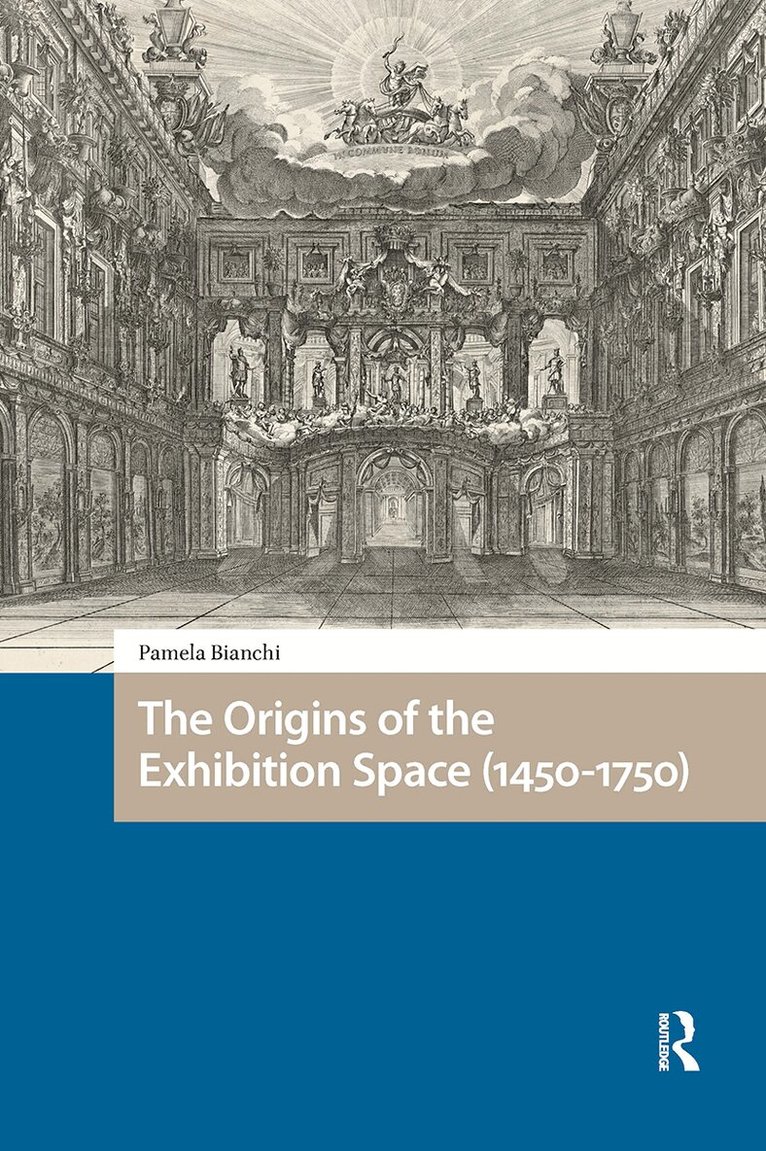
Origins of the Exhibition Space (1450-1750)
Häftad, 2025
727 kr
Lägg i varukorg
Before the first purpose-designed exhibition spaces and painting exhibitions emerged, showing art was mainly related to the habit of dressing up spaces for political commemorations, religious festivals, and marketing strategies. Palaces, cloisters, façades, squares, and shops became temporary and …
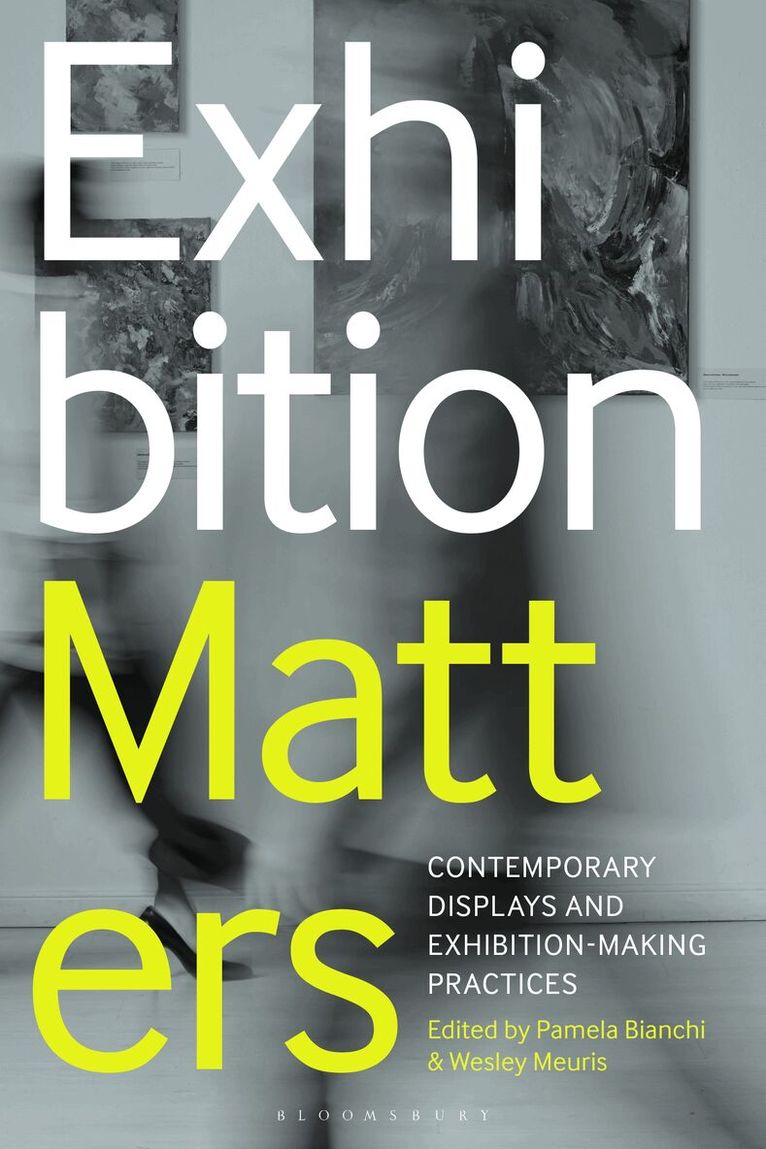
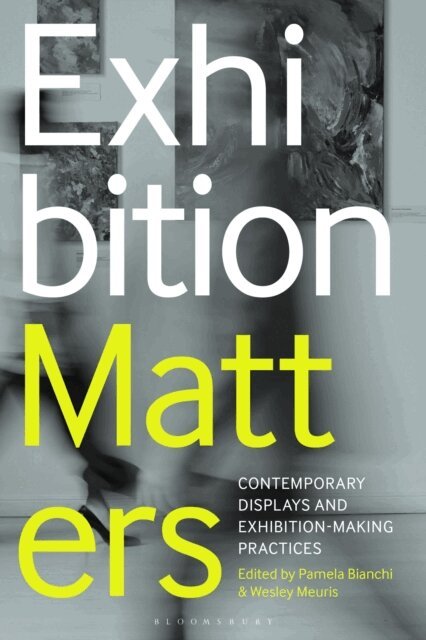
Exhibition Matters
Contemporary Displays and Exhibition-Making Practices
Av Pamela Bianchi, Wesley Meuris
Inbunden, 2026
1232 kr
Lägg i varukorg
‘The artwork is no longer the integral part of the exhibition; to curate an exhibition is to curate an experience.’Bridging the gap between curatorial practices and spatial display methods, this book considers the impact of exhibition design not only on the material structure of the exhibition but …
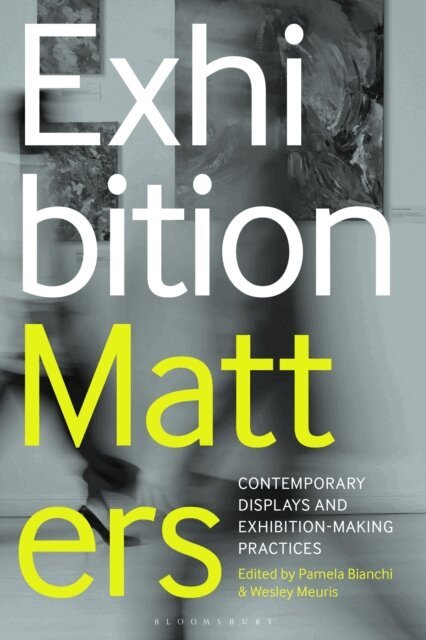
Exhibition Matters
Contemporary Displays and Exhibition-Making Practices
Av Pamela Bianchi, Wesley Meuris
E-bok, 2026
1364 kr
Lägg i varukorg
'The artwork is no longer the integral part of the exhibition; to curate an exhibition is to curate an experience.'Bridging the gap between curatorial practices and spatial display methods, this book considers the impact of exhibition design not only on the material structure of the exhibition but …
Exhibition Matters
Contemporary Displays and Exhibition-Making Practices
Av Pamela Bianchi, Wesley Meuris
E-bok, 2026
1364 kr
Lägg i varukorg
'The artwork is no longer the integral part of the exhibition; to curate an exhibition is to curate an experience.'Bridging the gap between curatorial practices and spatial display methods, this book considers the impact of exhibition design not only on the material structure of the exhibition but …
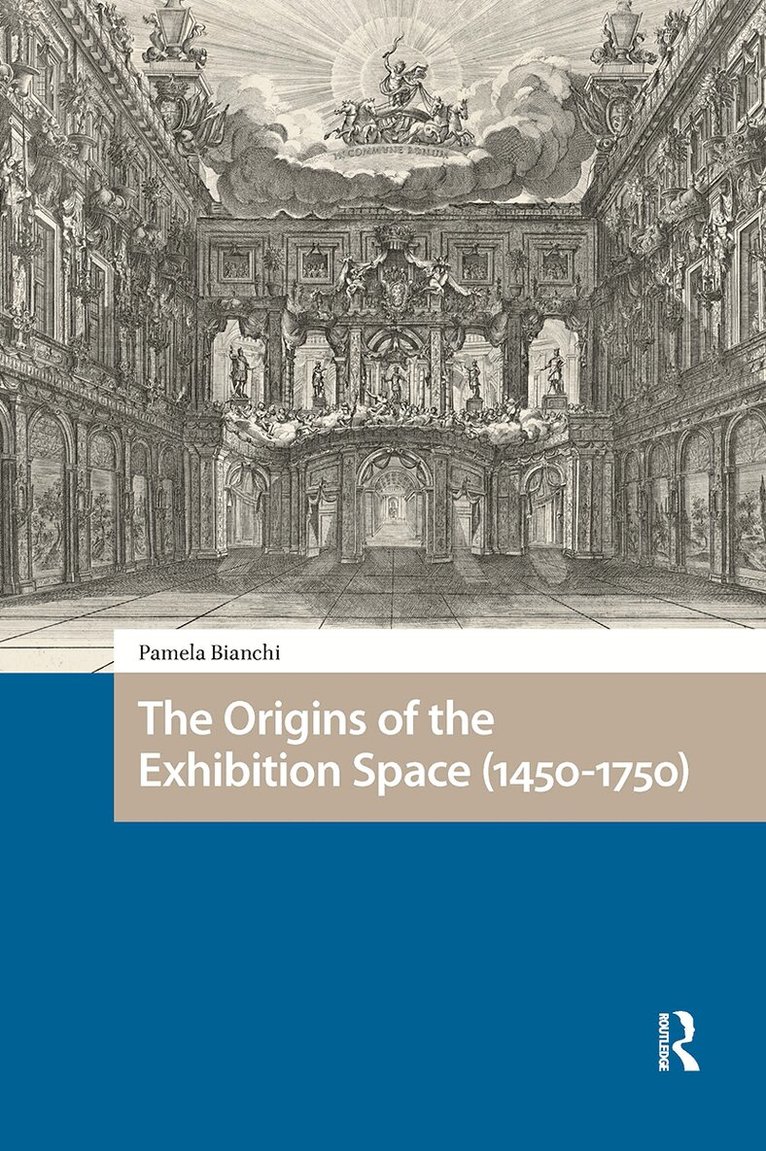
Origins of the Exhibition Space (1450-1750)
Inbunden, 2023
2195 kr
Lägg i varukorg
This book traces the origins of the exhibition space by studying its visual and written imagery in the early modern period.