167 kr
Skickas
167 kr
Skickas
153 kr
Läs direkt efter köp
156 kr
Skickas
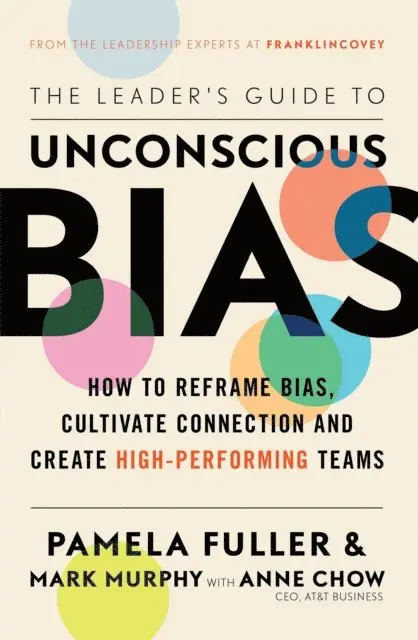
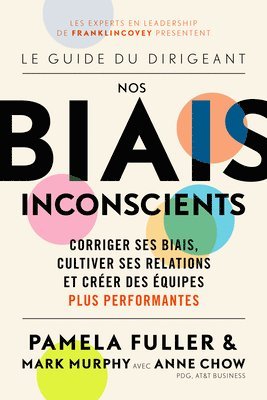
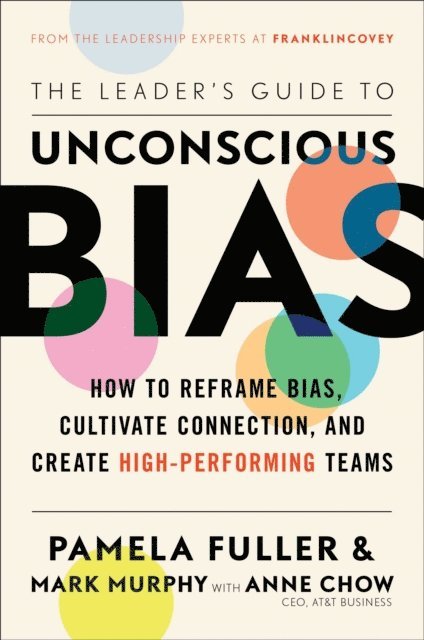
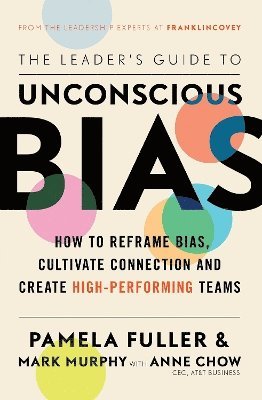
Évitez les biais cognitifs et améliorez vos performances au travail
Le biais cognitif est un mécanisme de pensée affectant tout individu. Cela se traduit par une altération du jugement, affectant ainsi nos prises de décision. Au niveau professionnel, celles-ci peuvent entraîner de graves conséquences, aussi bien sur le plan humain que stratégique.
Prenez les bonnes décisions. Avec plus de 30 techniques et outils vous permettant d’identifier les biais cognitifs et d’éviter les distorsions, vous apprendrez à prendre des décisions stratégiques justes et non basées sur le jugement et l’intuition.
Devenez un manager performant. Ce guide changera votre façon de manager et vous livrera de précieux conseils en ressources humaines pour recruter les bonnes personnes, inspirer vos collaborateurs, et développer vos compétences managériales. Grâce aux conseils d’experts, faciles à mettre en place, devenez un leader inspirant!
Dans ce livre, apprenez à:
Identifier les biais cognitifs et comprendre la neuroscienceCultiver votre curiosité et votre empathieDévelopper le potentiel de vos collaborateursAugmenter la performance de vos équipes et obtenir des résultats concretsSi vous êtes à la recherche d’un livre sur le management et la stratégie d’entreprise tels que Vous allez commettre une terrible erreur! ou Dream Team et que vous vous intéressez à la neuroscience, alors vous devez lire Le Guide du dirigeant : Nos biais inconscients.
271 kr
Lyssna direkt efter köp
227 kr
Skickas inom 3-6 vardagar
182 kr
Läs direkt efter köp
428 kr
Skickas inom 10-15 vardagar
575 kr
Läs direkt efter köp
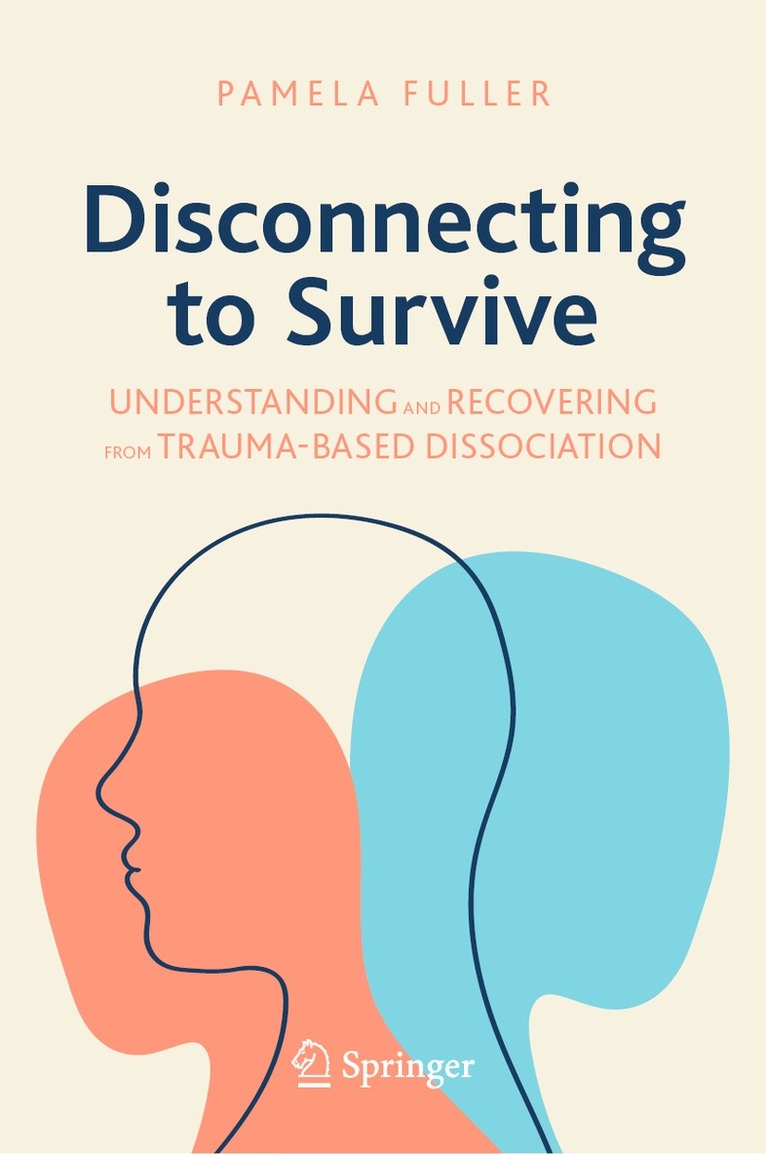
This book provides up-to-date guidance on how to recognize and reduce trauma-based dissociation. Through a therapist-guided approach, readers will increase their awareness of their own experiences of dissociation and develop strategies for reducing these responses, with an overall goal of feeling more connected within themselves and with others.
Trauma-based dissociation usually first occurs during a very threatening situation from which there is no physical escape. The dissociative response happens automatically for protection outside of awareness, so the person doesn’t realize what they were doing. This protective response can happen again when other concerning situations occur, and eventually develop into an automatic response to perceived threats.
Disconnecting to Survive: Understanding and Recovering from Trauma-based Dissociation is a guide for individuals who experience dissociation or wonder if they do, and for their family, friends, and professionals who want to help them. Several unique features of this book make it valuable as a therapeutic experience for trauma survivors as well as a useful resource for professionals. "Check-ins” throughout the book provide an in-the-moment experience of self-monitoring and pacing while reading. Frequent case examples enhance understanding of the ideas described and validate the experiences of readers who have persevered through traumatic life situations. A section at the end of each chapter provides opportunity to explore how the concepts apply to the reader. Readers also will learn about a three-phase model for determining their present needs and their readiness for different interventions based on their phase of trauma recovery. In addition to physical, emotional, and sexual abuse, other types of interpersonal trauma are delineated, including race-based trauma, religious trauma, medical trauma, emotional neglect, military-related trauma, and mistreatment dueto sexual orientation. In addition, a chapter is devoted to each of the important topics of dissociation in children and the relationship between trauma, dissociation, and psychosis.
420 kr
Skickas inom 5-8 vardagar
159 kr
Läs direkt efter köp