Pamela Sugiman – författare
Visar alla böcker från författaren Pamela Sugiman. Handla med fri frakt och snabb leverans.
4 produkter
4 produkter
Häftad, Engelska, 2017
385 kr
Skickas inom 5-8 vardagar
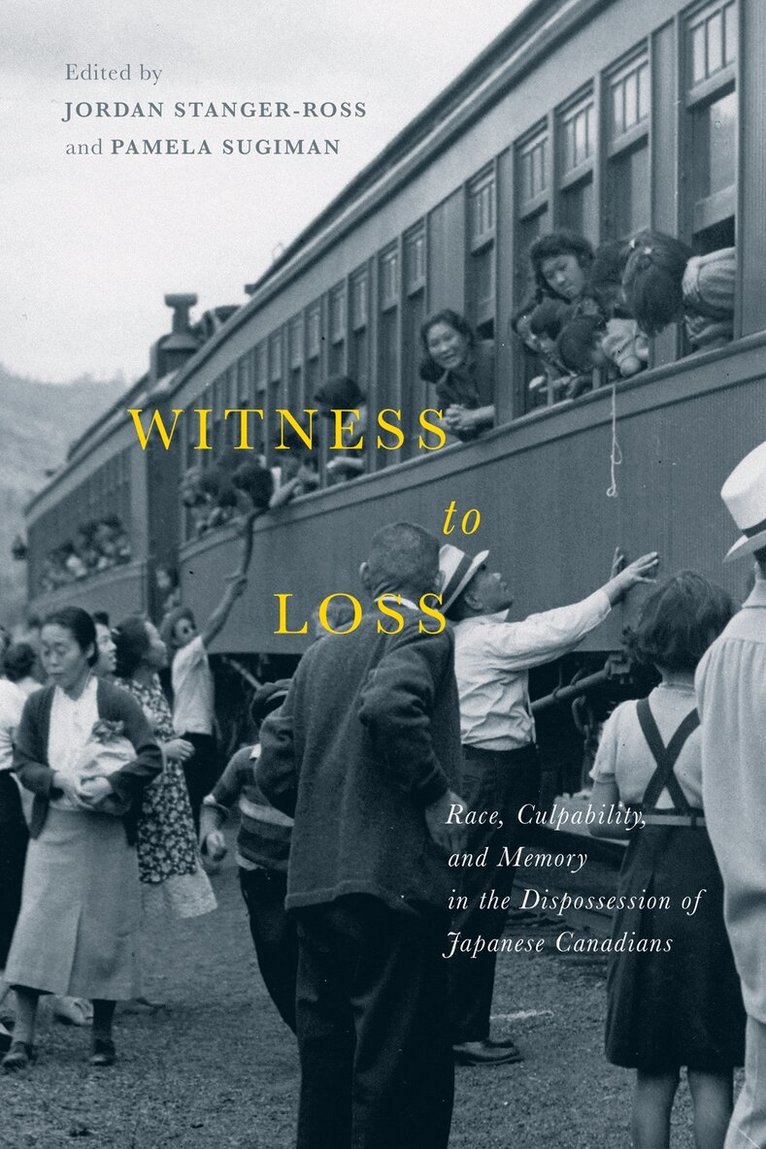
When the federal government uprooted and interned Japanese Canadians en masse in 1942, Kishizo Kimura saw his life upended along with tens of thousands of others. But his story is also unique: as a member of two controversial committees that oversaw the forced sale of the property of Japanese Canadians in Vancouver during the Second World War, Kimura participated in the dispossession of his own community. In Witness to Loss Kimura's previously unknown memoir – written in the last years of his life – is translated from Japanese to English and published for the first time. This remarkable document chronicles a history of racism in British Columbia, describes the activities of the committees on which Kimura served, and seeks to defend his actions. Diverse reflections of leading historians, sociologists, and a community activist and educator who lived through this history give context to the memoir, inviting readers to grapple with a rich and contentious past. More complex than just hero or villain, oppressor or victim, Kimura raises important questions about the meaning of resistance and collaboration and the constraints faced by an entire generation. Illuminating the difficult, even impossible, circumstances that confronted the victims of racist state action in the mid-twentieth century, Witness to Loss reminds us that the challenge of understanding is greater than that of judgment.
E-bok
PDF, Engelska, 2017331 kr
Läs direkt efter köp
When the federal government uprooted and interned Japanese Canadians en masse in 1942, Kishizo Kimura saw his life upended along with tens of thousands of others. But his story is also unique: as a member of two controversial committees that oversaw the forced sale of the property of Japanese Canadians in Vancouver during the Second World War, Kimura participated in the dispossession of his own community. In Witness to Loss Kimura''s previously unknown memoir – written in the last years of his life – is translated from Japanese to English and published for the first time. This remarkable document chronicles a history of racism in British Columbia, describes the activities of the committees on which Kimura served, and seeks to defend his actions. Diverse reflections of leading historians, sociologists, and a community activist and educator who lived through this history give context to the memoir, inviting readers to grapple with a rich and contentious past. More complex than just hero or villain, oppressor or victim, Kimura raises important questions about the meaning of resistance and collaboration and the constraints faced by an entire generation. Illuminating the difficult, even impossible, circumstances that confronted the victims of racist state action in the mid-twentieth century, Witness to Loss reminds us that the challenge of understanding is greater than that of judgment.
E-bok
Engelska, 2017331 kr
Läs direkt efter köp
When the federal government uprooted and interned Japanese Canadians en masse in 1942, Kishizo Kimura saw his life upended along with tens of thousands of others. But his story is also unique: as a member of two controversial committees that oversaw the forced sale of the property of Japanese Canadians in Vancouver during the Second World War, Kimura participated in the dispossession of his own community. In Witness to Loss Kimura''s previously unknown memoir – written in the last years of his life – is translated from Japanese to English and published for the first time. This remarkable document chronicles a history of racism in British Columbia, describes the activities of the committees on which Kimura served, and seeks to defend his actions. Diverse reflections of leading historians, sociologists, and a community activist and educator who lived through this history give context to the memoir, inviting readers to grapple with a rich and contentious past. More complex than just hero or villain, oppressor or victim, Kimura raises important questions about the meaning of resistance and collaboration and the constraints faced by an entire generation. Illuminating the difficult, even impossible, circumstances that confronted the victims of racist state action in the mid-twentieth century, Witness to Loss reminds us that the challenge of understanding is greater than that of judgment.
E-bok
PDF, Engelska, 1996581 kr
Läs direkt efter köp
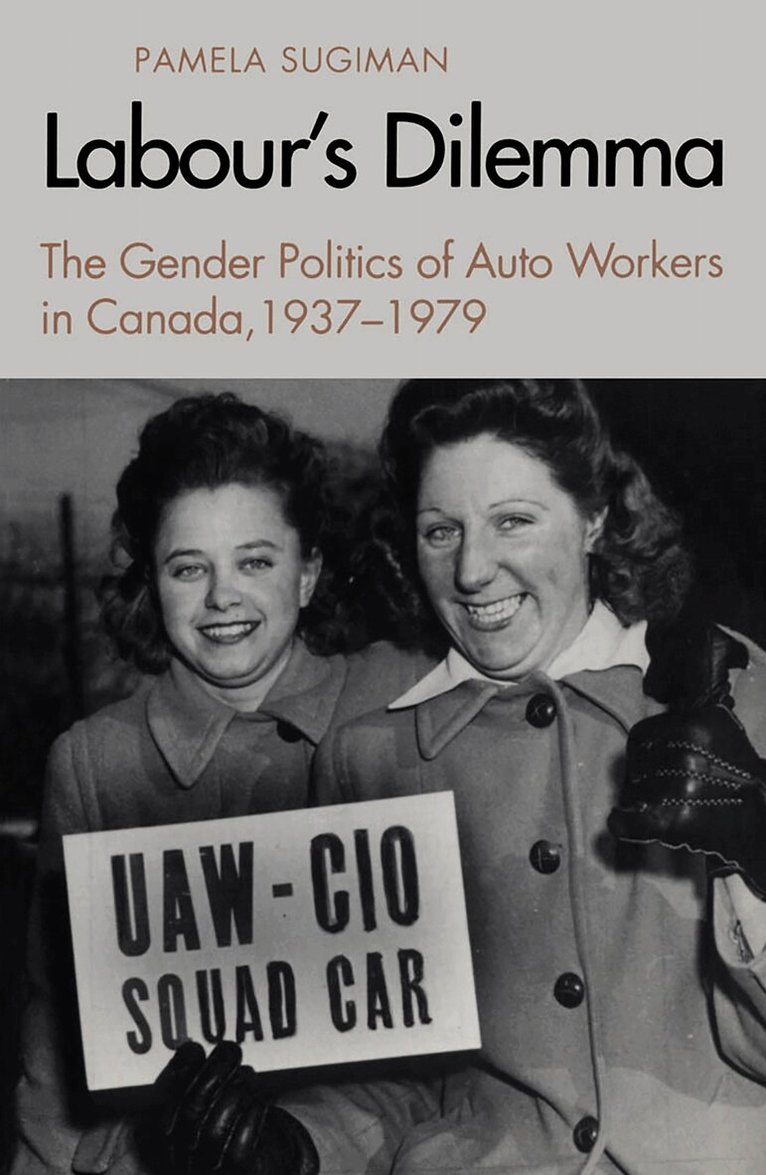
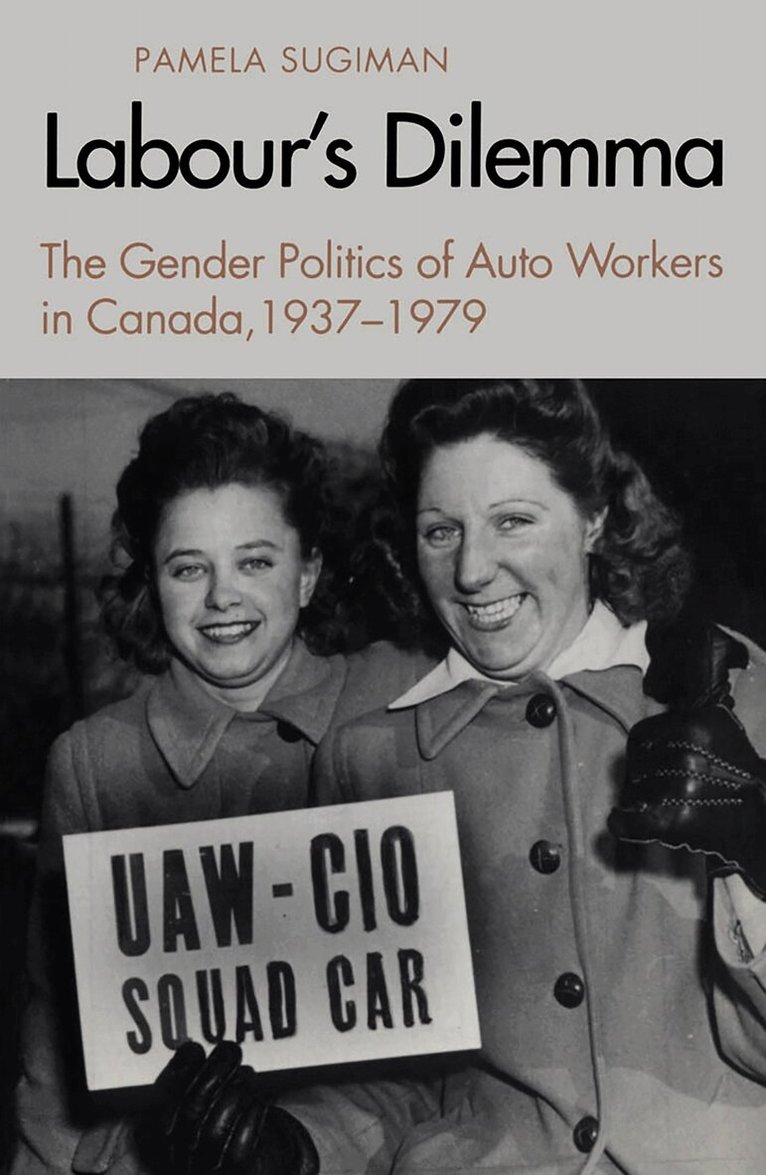
The growth of the United Auto Workers in Canada dramatically improved the lives of thousands of workers. Not only did it achieve impressive bargaining gains, but the UAW was regarded as one of the most democratic and socially progressive of the major industrial unions in North America. However, workers in the automotive sector, who constituted the largest segment of the UAW membership, witnessed blatant gender inequalities. From 1937 to 1979, UAW leaders did little to challenge these inequalities. Both the union and the workplace remained highly masculine settings in which male workers and bosses played out the gender politics of the times.Pamela Sugiman draws on archival materials and in-depth interviews with workers and union representatives to explore the ways in which the small groups of women in southern Ontario auto plants fought for dignity, respect, and rights within this restrictive context. During the Second World War, women auto workers formed close bonds with one another - bonds that rested largely around their identification as a sex. By the late 1960s, they were drawing on a growing union consciousness, the modern women's movement, and their gender identity, to launch an organized collective struggle for sexual equality.In describing the women's experiences, Sugiman employs the concept of a `gendered strategy.' A gendered strategy incorporates both reasoned decisions and emotional responses, calculated interests and compromises. Within a context of gender and class divisions, workers developed strategies of coping, resistance, and control. Labour's Dilemma reveals how people may be simultaneously agents and victims, compliant and resistant.