Paolo Farah – författare
Visar alla böcker från författaren Paolo Farah. Handla med fri frakt och snabb leverans.
13 produkter
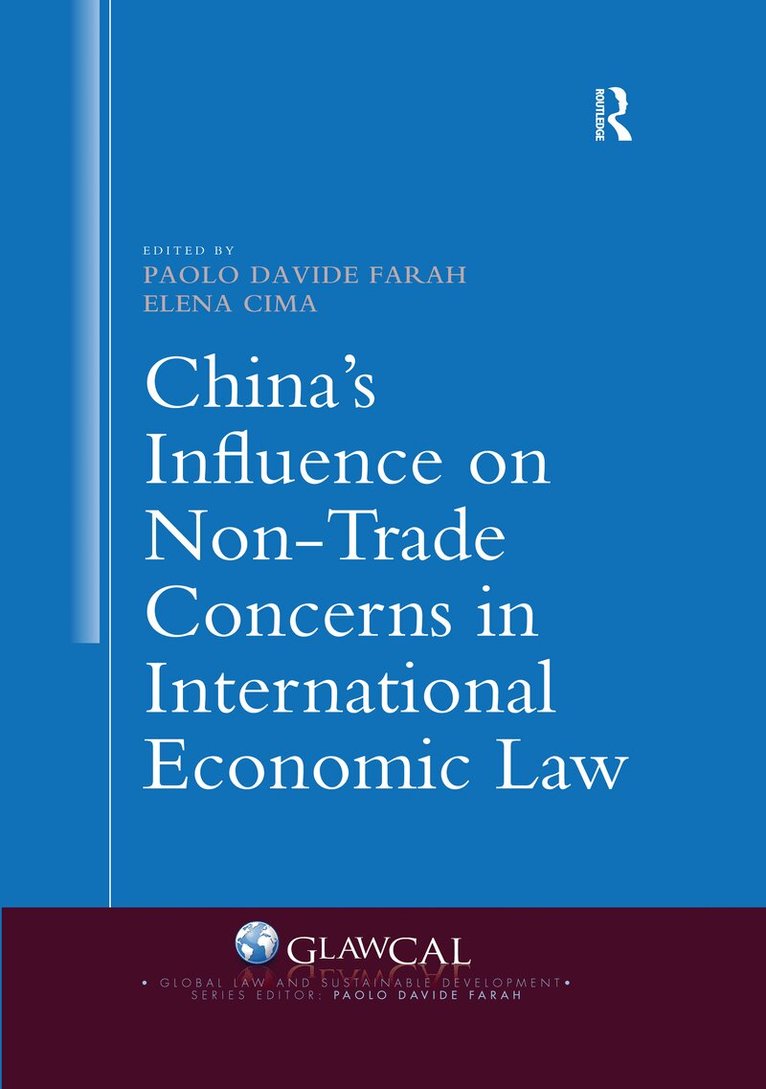
China's Influence on Non-Trade Concerns in International Economic Law
Häftad, 2019
636 kr
Lägg i varukorg
This volume examines the range of Non-Trade Concerns (NTCs) that may conflict with international economic rules and proposes ways to protect them within international law and international economic law. Globalization without local concerns can endanger relevant issues such as good governance, human …
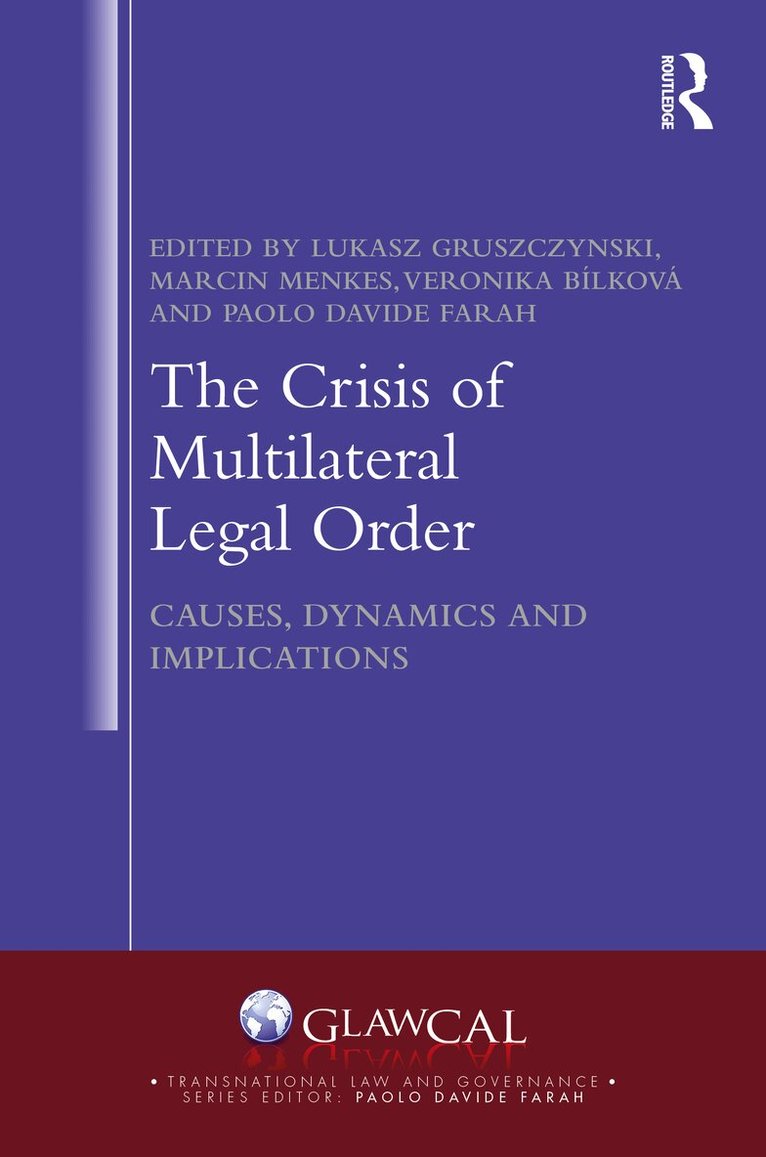
Crisis of Multilateral Legal Order
Causes, Dynamics and Implications
Av Paolo Farah, Veronika Bilkova m. fl.
E-bok, 2022
701 kr
Lägg i varukorg
Multilateralism has served as a foundation for international cooperation over the past several decades. Championed after the Second World War by the United States and Western Europe, it expanded into a broader global system of governance with the end of the Cold War. Lately, an increasing number of …
Crisis of Multilateral Legal Order
Causes, Dynamics and Implications
Av Paolo Farah, Veronika Bilkova m. fl.
E-bok, 2022
701 kr
Lägg i varukorg
Multilateralism has served as a foundation for international cooperation over the past several decades. Championed after the Second World War by the United States and Western Europe, it expanded into a broader global system of governance with the end of the Cold War. Lately, an increasing number of …
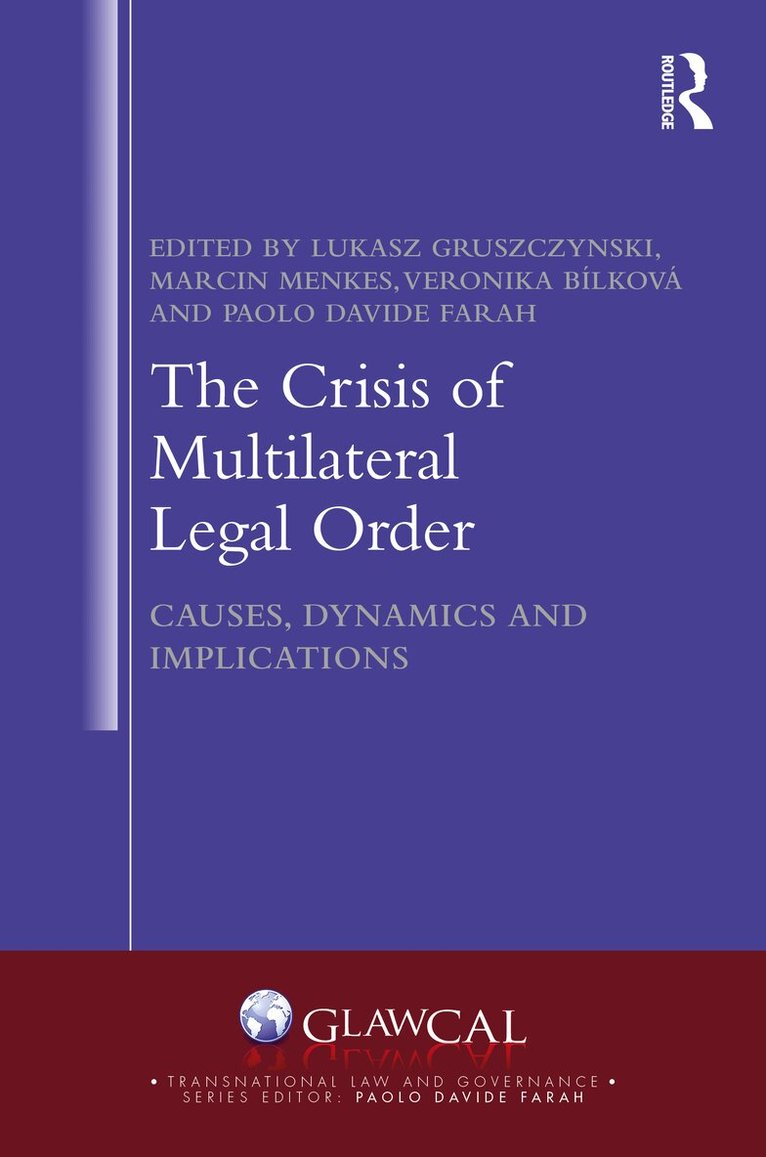
Crisis of Multilateral Legal Order
Causes, Dynamics and Implications
Av Lukasz Gruszczynski, Marcin Menkes m. fl.
Inbunden, 2022
2309 kr
Lägg i varukorg
Multilateralism has served as a foundation for international cooperation over the past several decades. Championed after the Second World War by the United States and Western Europe, it expanded into a broader global system of governance with the end of the Cold War. Lately, an increasing number of …
Crisis of Multilateral Legal Order
Causes, Dynamics and Implications
Av Lukasz Gruszczynski, Marcin Menkes m. fl.
Häftad, 2024
595 kr
Lägg i varukorg
Multilateralism has served as a foundation for international cooperation over the past several decades. Championed after the Second World War by the United States and Western Europe, it expanded into a broader global system of governance with the end of the Cold War. Lately, an increasing number of …
China's Influence on Non-Trade Concerns in International Economic Law
E-bok, 2016
749 kr
Lägg i varukorg
This volume examines the range of Non-Trade Concerns (NTCs) that may conflict with international economic rules and proposes ways to protect them within international law and international economic law. Globalization without local concerns can endanger relevant issues such as good governance, human …
China's Influence on Non-Trade Concerns in International Economic Law
E-bok, 2016
749 kr
Lägg i varukorg
This volume examines the range of Non-Trade Concerns (NTCs) that may conflict with international economic rules and proposes ways to protect them within international law and international economic law. Globalization without local concerns can endanger relevant issues such as good governance, human …
China's Influence on Non-Trade Concerns in International Economic Law
Inbunden, 2016
2523 kr
Lägg i varukorg
This volume examines the range of Non-Trade Concerns (NTCs) that may conflict with international economic rules and proposes ways to protect them within international law and international economic law. Globalization without local concerns can endanger relevant issues such as good governance, human …
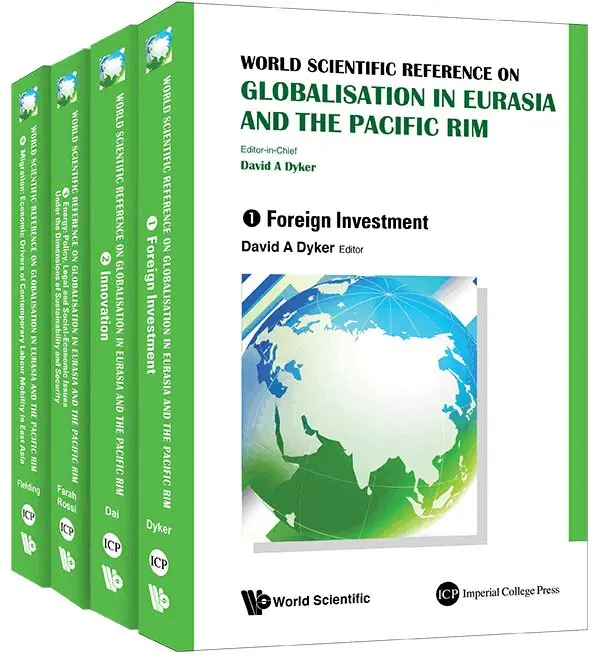
WORLD SCIENTIFIC REFERENCE ON GLOBALISATION IN EURASIA AND THE PACIFIC RIM (IN 4 VOLUMES)
Av DYKER DAVID A, David A Dyker m. fl.
Inbunden, 2015
9338 kr
Lägg i varukorg
This multi-volume set focuses on a key region of the world which contains four of the biggest emerging economies, a large number of highly dynamic small- and medium-sized emerging economies, and one of the leading advanced industrial countries. It is a region which contains some of the biggest …
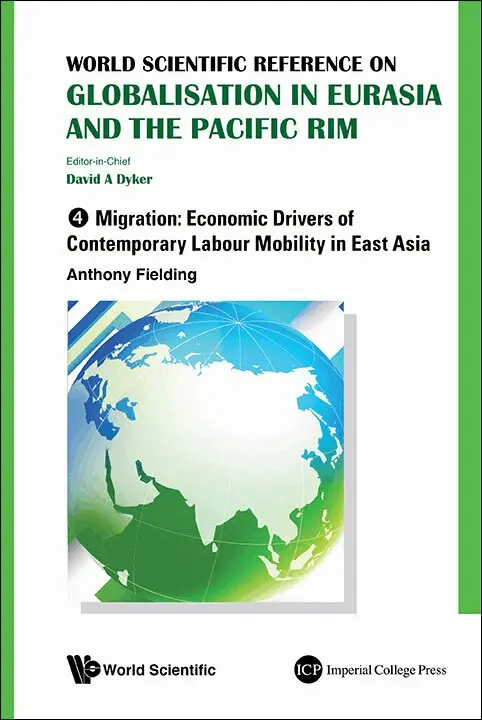
WORLD SCIENTIFIC REFERENCE ON GLOBALISATION IN EURASIA AND THE PACIFIC RIM - VOLUME 4: MIGRATION: ECONOMIC DRIVERS OF CONTEMPORARY LABOUR MOBILITY IN EAST ASIA
Av Anthony Fielding, David A Dyker m. fl.
Inbunden, 2015
3057 kr
Lägg i varukorg
This multi-volume set focuses on a key region of the world which contains four of the biggest emerging economies, a large number of highly dynamic small- and medium-sized emerging economies, and one of the leading advanced industrial countries. It is a region which contains some of the biggest …
WORLD SCIENTIFIC REFERENCE ON GLOBALISATION IN EURASIA AND THE PACIFIC RIM - VOLUME 1: FOREIGN INVESTMENT
Av DYKER DAVID A, David A Dyker m. fl.
Inbunden, 2015
3562 kr
Tillfälligt slut
This multi-volume set focuses on a key region of the world which contains four of the biggest emerging economies, a large number of highly dynamic small- and medium-sized emerging economies, and one of the leading advanced industrial countries. It is a region which contains some of the biggest …
WORLD SCIENTIFIC REFERENCE ON GLOBALISATION IN EURASIA AND THE PACIFIC RIM - VOLUME 2: INNOVATION
Av DAI XIUDIAN, David A Dyker m. fl.
Inbunden, 2015
3486 kr
Tillfälligt slut
This multi-volume set focuses on a key region of the world which contains four of the biggest emerging economies, a large number of highly dynamic small- and medium-sized emerging economies, and one of the leading advanced industrial countries. It is a region which contains some of the biggest …
WORLD SCIENTIFIC REFERENCE ON GLOBALISATION IN EURASIA AND THE PACIFIC RIM - VOLUME 3: ENERGY: POLICY, LEGAL AND SOCIAL-ECONOMIC ISSUES UNDER THE DIMENSIONS OF SUSTAINABILITY AND SECURITY
Av FARAH PAOLO, David A Dyker m. fl.
Inbunden, 2015
3562 kr
Tillfälligt slut
This multi-volume set focuses on a key region of the world which contains four of the biggest emerging economies, a large number of highly dynamic small- and medium-sized emerging economies, and one of the leading advanced industrial countries. It is a region which contains some of the biggest …