Pascal Bruckner – författare
Visar alla böcker från författaren Pascal Bruckner. Handla med fri frakt och snabb leverans.
38 produkter
En liberal kanon för tjugohundratalet
Av Johan Norberg, Andreas Johansson Heniö m. fl.
Häftad, 2026
239 kr
Lägg i varukorg
Ett kvartssekel har gått sedan millennieskiftet, en tid som har inneburit alltifrån finans- och migrationskriser och kriget mot terrorismen till arabiska våren och högerpopulismens återtåg. Det har förts debatter om identitetspolitik och tolerans. Världen har sett makalösa innovationer, stora …
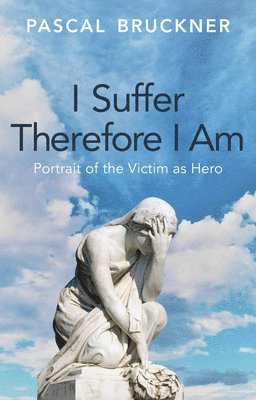
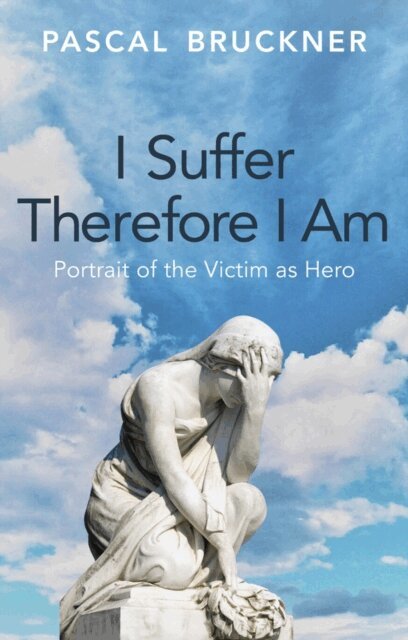
I Suffer Therefore I Am
Portrait of the Victim as Hero
Inbunden, 2025
227 kr
Lägg i varukorg
In the West today, suffering has become a new sacred cow. Once a common feature of the human condition, it is now a special trait you can use to impress your contemporaries. It provides you with a borrowed identity, transforming you into an exceptional being who can show off on the public stage at …
Paradox of Love
Inbunden, 2012
383 kr
Lägg i varukorg
The sexual revolution is justly celebrated for the freedoms it brought--birth control, the decriminalization of abortion, the liberalization of divorce, greater equality between the sexes, women's massive entry into the workforce, and more tolerance of homosexuality. But as Pascal Bruckner, one of …
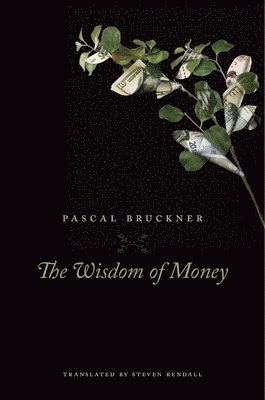
Wisdom of Money
Inbunden, 2017
416 kr
Lägg i varukorg
Money is an evil that does good, and a good that does evil. It inspires hymns to the prosperity it enables, manifestos about the poor it leaves behind, and diatribes for its corrosion of morality. In The Wisdom of Money, one of the world’s great essayists guides us through the rich commentary that …
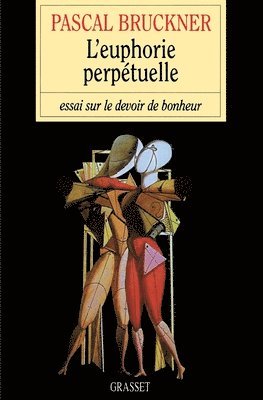
Perpetual Euphoria
On the Duty to Be Happy
Inbunden, 2011
263 kr
Lägg i varukorg
Happiness today is not just a possibility or an option but a requirement and a duty. To fail to be happy is to fail utterly. Happiness has become a religion--one whose smiley-faced god looks down in rebuke upon everyone who hasn't yet attained the blessed state of perpetual euphoria. How has a …
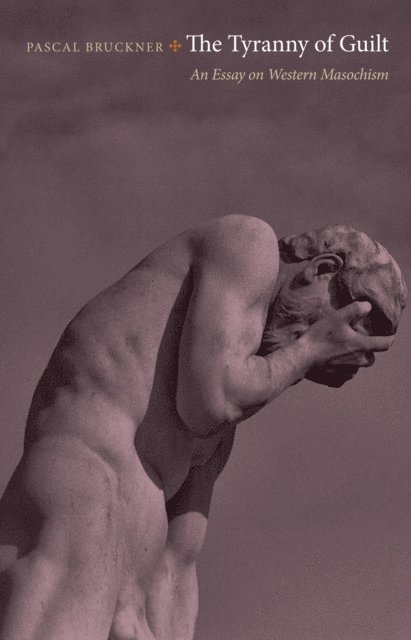
Tyranny of Guilt
An Essay on Western Masochism
Häftad, 2012
5,0 utav 5 stjärnor. Totalt antal röster: (3)
237 kr
Lägg i varukorg
Fascism, communism, genocide, slavery, racism, imperialism--the West has no shortage of reasons for guilt. And, indeed, since the Holocaust and the end of World War II, Europeans in particular have been consumed by remorse. But Pascal Bruckner argues that guilt has now gone too far. It has become a …
Perpetual Euphoria
On the Duty to Be Happy
Häftad, 2020
281 kr
Lägg i varukorg
How happiness became mandatory—and why we should reject the demand to "be happy"Happiness today is not just a possibility or an option but a requirement and a duty. To fail to be happy is to fail utterly. Happiness has become a religion—one whose smiley-faced god looks down in rebuke upon everyone …
Fanaticism of the Apocalypse
Save the Earth, Punish Human Beings
Inbunden, 2013
272 kr
Lägg i varukorg
The planet is sick. Human beings are guilty of damaging it. We have to pay. Today, that is the orthodoxy throughout the Western world. Distrust of progress and science, calls for individual and collective self-sacrifice to ‘save the planet’ and cultivation of fear: behind the carbon commissars, a …
Fanaticism of the Apocalypse
Save the Earth, Punish Human Beings
Häftad, 2014
165 kr
Lägg i varukorg
The planet is sick. Human beings are guilty of damaging it. We have to pay. Today, that is the orthodoxy throughout the Western world. Distrust of progress and science, calls for individual and collective self-sacrifice to ‘save the planet’ and cultivation of fear: behind the carbon commissars, a …
Has Marriage for Love Failed?
Inbunden, 2013
110 kr
Lägg i varukorg
Today we like to think that marriage is a free choice based on love: that we freely choose whom to marry and that we do so, not so much for survival or social advantage, but for love. The invention of marriage for love inverted the old relationship between love and marriage. In the past, marriage …
Fanaticism of the Apocalypse
Save the Earth, Punish Human Beings
E-bok, 2013
208 kr
Lägg i varukorg
The planet is sick. Human beings are guilty of damaging it. We have to pay. Today, that is the orthodoxy throughout the Western world. Distrust of progress and science, calls for individual and collective self-sacrifice to ‘save the planet’ and cultivation of fear: behind the carbon commissars, a …
Has Marriage for Love Failed?
E-bok, 2013
159 kr
Lägg i varukorg
Today we like to think that marriage is a free choice based on love: that we freely choose whom to marry and that we do so, not so much for survival or social advantage, but for love. The invention of marriage for love inverted the old relationship between love and marriage. In the past, marriage …
Tyranny of Guilt
An Essay on Western Masochism
E-bok, 2010
307 kr
Lägg i varukorg
Why the West must overcome its guilty conscience to foster a better global future Fascism, communism, genocide, slavery, racism, imperialism—the West has no shortage of reasons for guilt. And, indeed, since the Holocaust and the end of World War II, Europeans in particular have been consumed by …
Perpetual Euphoria
On the Duty to Be Happy
E-bok, 2011
400 kr
Lägg i varukorg
How happiness became mandatory—and why we should reject the demand to "be happy" Happiness today is not just a possibility or an option but a requirement and a duty. To fail to be happy is to fail utterly. Happiness has become a religion—one whose smiley-faced god looks down in rebuke upon everyone …
Paradox of Love
E-bok, 2012
500 kr
Lägg i varukorg
A provocative reflection on the dilemmas of modern love The sexual revolution is justly celebrated for the freedoms it brought—birth control, the decriminalization of abortion, the liberalization of divorce, greater equality between the sexes, women''s massive entry into the workforce, and more …
Imaginary Racism
Islamophobia and Guilt
Inbunden, 2018
490 kr
Lägg i varukorg
‘Islamophobia’ is a term that has existed since the nineteenth century. But in recent decades, argues Pascal Bruckner in his controversial new book, it has become a weapon used to silence criticism of Islam. The term allows those who brandish it in the name of Islam to ‘freeze’ the latter, making …
Imaginary Racism
Islamophobia and Guilt
E-bok, 2018
212 kr
Lägg i varukorg
‘Islamophobia’ is a term that has existed since the nineteenth century. But in recent decades, argues Pascal Bruckner in his controversial new book, it has become a weapon used to silence criticism of Islam. The term allows those who brandish it in the name of Islam to ‘freeze’ the latter, making …
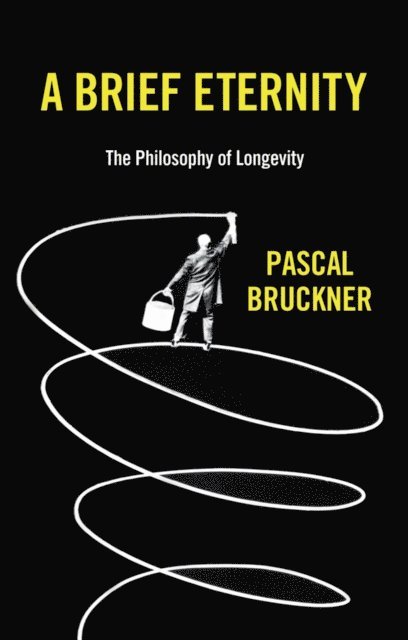
Brief Eternity
The Philosophy of Longevity
Inbunden, 2020
117 kr
Lägg i varukorg
There is one fundamental thing that has changed in our societies since 1950: life has got longer. Over the last few generations, 20 or 30 years have been added to the duration of our lives. But after the age of 50, human beings experience a kind of suspension: no longer young, not really old, they …
Brief Eternity
The Philosophy of Longevity
E-bok, 2021
212 kr
Lägg i varukorg
There is one fundamental thing that has changed in our societies since 1950: life has got longer. Over the last few generations, 20 or 30 years have been added to the duration of our lives. But after the age of 50, human beings experience a kind of suspension: no longer young, not really old, they …
Imaginary Racism
Islamophobia and Guilt
Häftad, 2022
133 kr
Lägg i varukorg
‘Islamophobia’ is a term that has existed since the nineteenth century. But in recent decades, argues Pascal Bruckner in his controversial new book, it has become a weapon used to silence criticism of Islam. The term allows those who brandish it in the name of Islam to ‘freeze’ the latter, making …
Friendship of a Mountain
A Brief Treatise on Elevation
Inbunden, 2023
117 kr
Lägg i varukorg
Why are we fascinated by mountains? These outcrops of rock were once considered unsightly, something to be avoided at all costs, but, since Rousseau, they have been contrasted with our corrupt cities and viewed as serene enclaves of beauty and relaxation.But why climb to the summit only to come …
Friendship of a Mountain
A Brief Treatise on Elevation
E-bok, 2023
212 kr
Lägg i varukorg
Why are we fascinated by mountains? These outcrops of rock were once considered unsightly, something to be avoided at all costs, but, since Rousseau, they have been contrasted with our corrupt cities and viewed as serene enclaves of beauty and relaxation. But why climb to the summit only to come …
Triumph of the Slippers
On the Withdrawal from the World
Inbunden, 2024
117 kr
Lägg i varukorg
Since the beginning of the 21st century, global warming, terrorism, the pandemic and now the war in Ukraine have created a widespread feeling that the world is an increasingly dangerous place. In response to this situation, it is understandable that many people are inclined to retreat to the safety …
Triumph of the Slippers
On the Withdrawal from the World
E-bok, 2024
212 kr
Lägg i varukorg
Since the beginning of the 21st century, global warming, terrorism, the pandemic and now the war in Ukraine have created a widespread feeling that the world is an increasingly dangerous place. In response to this situation, it is understandable that many people are inclined to retreat to the safety …
I Suffer Therefore I Am
Portrait of the Victim as Hero
E-bok, 2025
408 kr
Lägg i varukorg
In the West today, suffering has become a new sacred cow. Once a common feature of the human condition, it is now a special trait you can use to impress your contemporaries. It provides you with a borrowed identity, transforming you into an exceptional being who can show off on the public stage at …