Pat Dugard - Böcker
Visar alla böcker från författaren Pat Dugard. Handla med fri frakt och snabb leverans.
4 produkter
4 produkter
2 088 kr
Skickas inom 10-15 vardagar
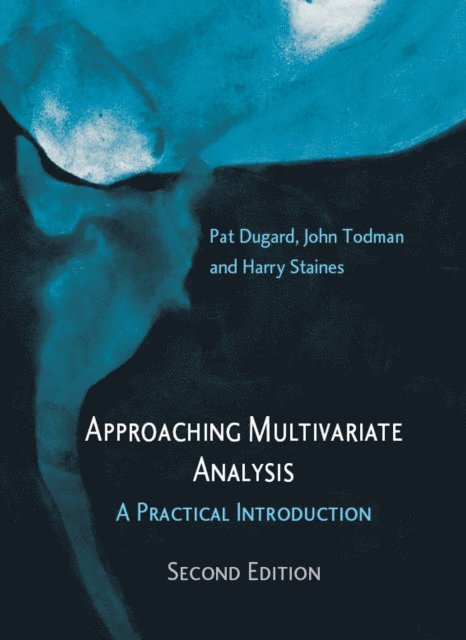
This fully updated new edition not only provides an introduction to a range of advanced statistical techniques that are used in psychology, but has been expanded to include new chapters describing methods and examples of particular interest to medical researchers. It takes a very practical approach, aimed at enabling readers to begin using the methods to tackle their own problems.This book provides a non-mathematical introduction to multivariate methods, with an emphasis on helping the reader gain an intuitive understanding of what each method is for, what it does and how it does it. The first chapter briefly reviews the main concepts of univariate and bivariate methods and provides an overview of the multivariate methods that will be discussed, bringing out the relationships among them, and summarising how to recognise what types of problem each of them may be appropriate for tackling. In the remaining chapters, introductions to the methods and important conceptual points are followed by the presentation of typical applications from psychology and medicine, using examples with fabricated data.Instructions on how to do the analyses and how to make sense of the results are fully illustrated with dialogue boxes and output tables from SPSS, as well as details of how to interpret and report the output, and extracts of SPSS syntax and code from relevant SAS procedures.This book gets students started, and prepares them to approach more comprehensive treatments with confidence. This makes it an ideal text for psychology students, medical students and students or academics in any discipline that uses multivariate methods.
807 kr
Skickas inom 10-15 vardagar
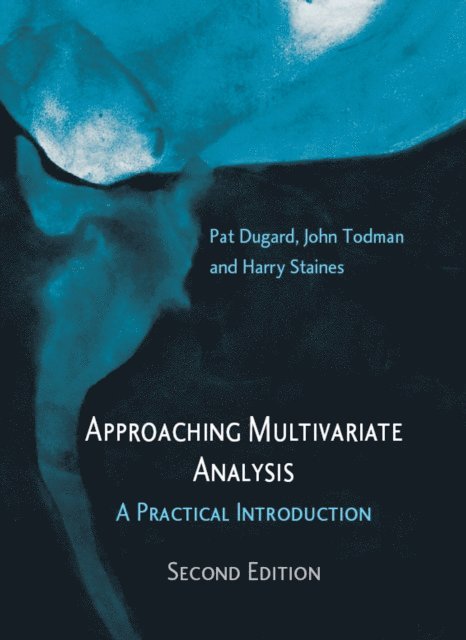
This fully updated new edition not only provides an introduction to a range of advanced statistical techniques that are used in psychology, but has been expanded to include new chapters describing methods and examples of particular interest to medical researchers. It takes a very practical approach, aimed at enabling readers to begin using the methods to tackle their own problems.This book provides a non-mathematical introduction to multivariate methods, with an emphasis on helping the reader gain an intuitive understanding of what each method is for, what it does and how it does it. The first chapter briefly reviews the main concepts of univariate and bivariate methods and provides an overview of the multivariate methods that will be discussed, bringing out the relationships among them, and summarising how to recognise what types of problem each of them may be appropriate for tackling. In the remaining chapters, introductions to the methods and important conceptual points are followed by the presentation of typical applications from psychology and medicine, using examples with fabricated data.Instructions on how to do the analyses and how to make sense of the results are fully illustrated with dialogue boxes and output tables from SPSS, as well as details of how to interpret and report the output, and extracts of SPSS syntax and code from relevant SAS procedures.This book gets students started, and prepares them to approach more comprehensive treatments with confidence. This makes it an ideal text for psychology students, medical students and students or academics in any discipline that uses multivariate methods.
Single-case and Small-n Experimental Designs
A Practical Guide To Randomization Tests, Second Edition
Inbunden, Engelska, 2011
2 470 kr
Skickas inom 5-8 vardagar
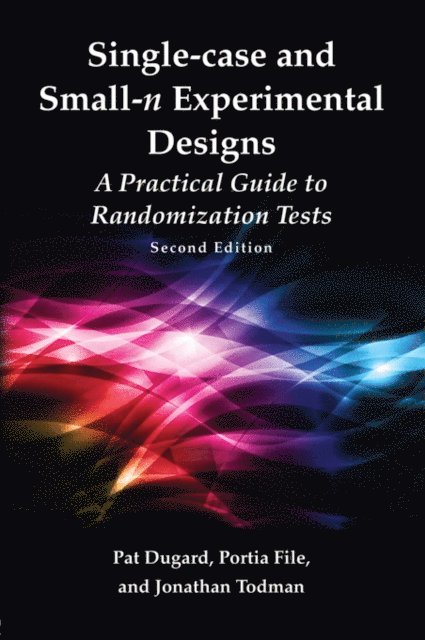
This practical guide explains the use of randomization tests and provides example designs and macros for implementation in IBM SPSS and Excel. It reviews the theory and practice of single-case and small-n designs so readers can draw valid causal inferences from small-scale clinical studies. The macros and example data are provided on the book’s website so that users can run analyses of the text data as well as data from their own studies.The new edition features:More explanation as to why randomization tests are useful and how to apply them.More varied and expanded examples that demonstrate the use of these tests in education, clinical work and psychology.A website with the macros and datasets for all of the text examples in IBM SPSS and Excel.Exercises at the end of most chapters that help readers test their understanding of the material.A new glossary that defines the key words that appear in italics when they are first introduced.A new appendix that reviews the basic skills needed to do randomization tests.New appendices that provide annotated SPSS and Excel macros to help readers write their own or tinker with the ones provided in the book.The book opens with an overview of single case and small n designs -- why they are needed and how they differ from descriptive case studies. Chapter 2 focuses on the basic concepts of randoization tests. Next how to choose and implement a randomization design is reviewed including material on how to perform the randomizations, how to select the number of observations, and how to record the data. Chapter 5 focuses on how to analyze the data including how to use the macros and understand the results. Chapter 6 shows how randomization tests fit into the body of statistical inference. Chapter 7 discusses size and power. The book concludes with a demonstration of how to edit or modify the macros or use parts of them to write your own.Ideal as a text for courses on single-case, small n design, and/or randomization tests taught at the graduate level in psychology (especially clinical, counseling, educational, and school), education, human development, nursing, and other social and health sciences, this inexpensive book also serves as a supplement in statistics or research methods courses. Practitioners and researchers with an applied clinical focus also appreciate this book’s accessible approach. An introduction to basic statistics, SPSS, and Excel is assumed.
Single-case and Small-n Experimental Designs
A Practical Guide To Randomization Tests, Second Edition
Häftad, Engelska, 2011
652 kr
Skickas inom 10-15 vardagar
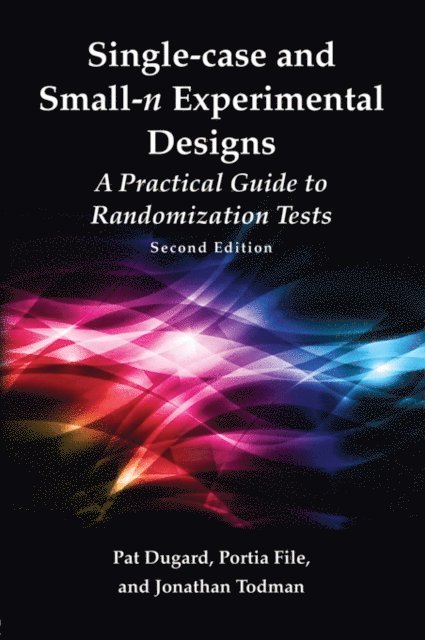
This practical guide explains the use of randomization tests and provides example designs and macros for implementation in IBM SPSS and Excel. It reviews the theory and practice of single-case and small-n designs so readers can draw valid causal inferences from small-scale clinical studies. The macros and example data are provided on the book’s website so that users can run analyses of the text data as well as data from their own studies.The new edition features:More explanation as to why randomization tests are useful and how to apply them.More varied and expanded examples that demonstrate the use of these tests in education, clinical work and psychology.A website with the macros and datasets for all of the text examples in IBM SPSS and Excel.Exercises at the end of most chapters that help readers test their understanding of the material.A new glossary that defines the key words that appear in italics when they are first introduced.A new appendix that reviews the basic skills needed to do randomization tests.New appendices that provide annotated SPSS and Excel macros to help readers write their own or tinker with the ones provided in the book.The book opens with an overview of single case and small n designs -- why they are needed and how they differ from descriptive case studies. Chapter 2 focuses on the basic concepts of randoization tests. Next how to choose and implement a randomization design is reviewed including material on how to perform the randomizations, how to select the number of observations, and how to record the data. Chapter 5 focuses on how to analyze the data including how to use the macros and understand the results. Chapter 6 shows how randomization tests fit into the body of statistical inference. Chapter 7 discusses size and power. The book concludes with a demonstration of how to edit or modify the macros or use parts of them to write your own.Ideal as a text for courses on single-case, small n design, and/or randomization tests taught at the graduate level in psychology (especially clinical, counseling, educational, and school), education, human development, nursing, and other social and health sciences, this inexpensive book also serves as a supplement in statistics or research methods courses. Practitioners and researchers with an applied clinical focus also appreciate this book’s accessible approach. An introduction to basic statistics, SPSS, and Excel is assumed.