Patrici Calvo – författare
Visar alla böcker från författaren Patrici Calvo. Handla med fri frakt och snabb leverans.
9 produkter
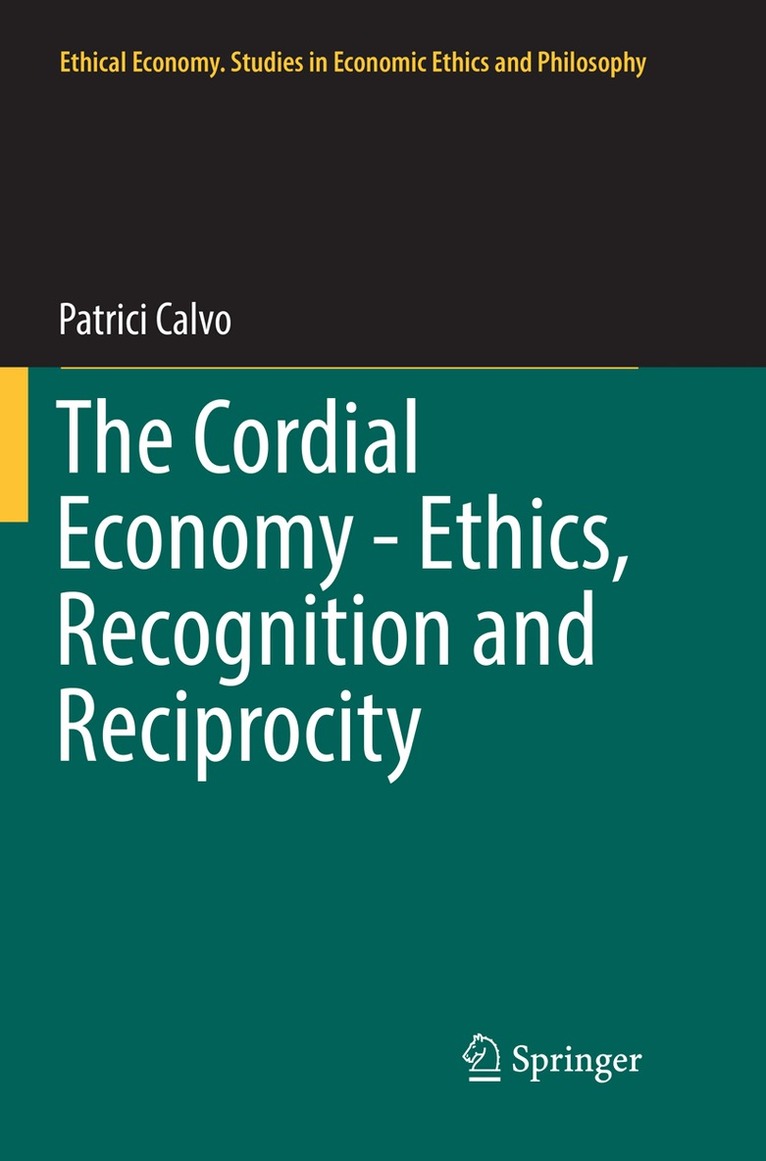
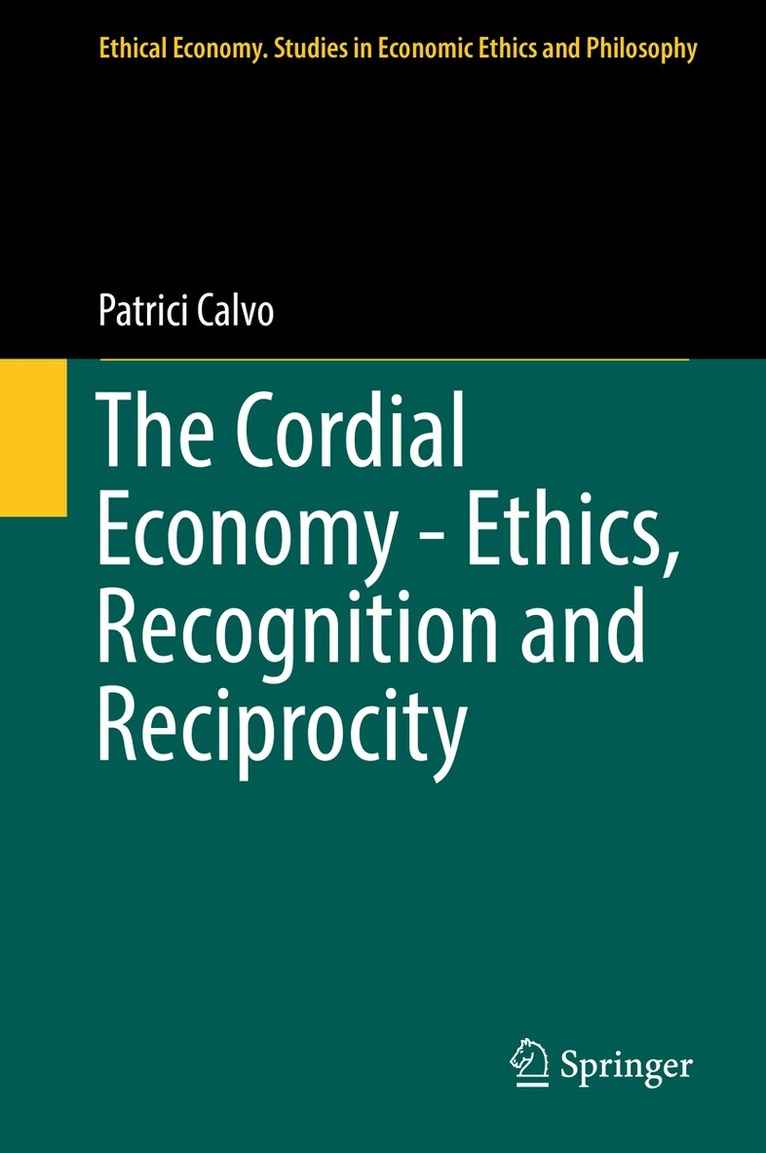
Cordial Economy - Ethics, Recognition and Reciprocity
Häftad, 2019
937 kr
Lägg i varukorg
This book proposes, from a civil perspective —such as that developed by Stefano Zamagni— and a cordial perspective —such as that developed by Adela Cortina—, orientations to design an economy in tune with what the historical moment demands. Among other things, this comes from encouraging …
Moral Neuroeducation for a Democratic and Pluralistic Society
Av Patrici Calvo, Javier Gracia-Calandín
Inbunden, 2020
1102 kr
Lägg i varukorg
This book brings together a group of top scholars on ethics and moral neuroeducation to cover the specific field of moral learning. Although there are many studies on neural bases of human learning and the application processes in different fields of human activity, such as education, economics or …
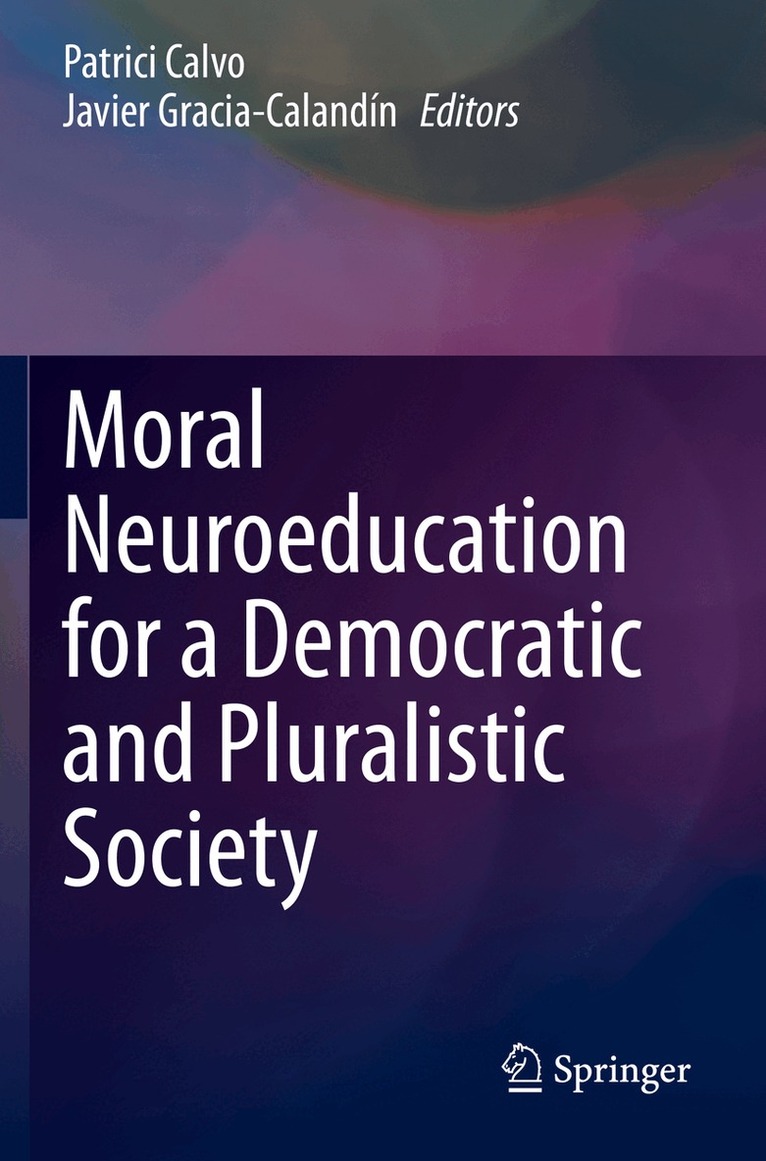
Moral Neuroeducation for a Democratic and Pluralistic Society
Av Javier Gracia-Calandin, Patrici Calvo
E-bok, 2020
1413 kr
Lägg i varukorg
This book brings together a group of top scholars on ethics and moral neuroeducation to cover the specific field of moral learning. Although there are many studies on neural bases of human learning and the application processes in different fields of human activity, such as education, economics or …
Moral Neuroeducation for a Democratic and Pluralistic Society
Av Patrici Calvo, Javier Gracia-Calandín
Häftad, 2021
1102 kr
Lägg i varukorg
This book brings together a group of top scholars on ethics and moral neuroeducation to cover the specific field of moral learning. Although there are many studies on neural bases of human learning and the application processes in different fields of human activity, such as education, economics or …
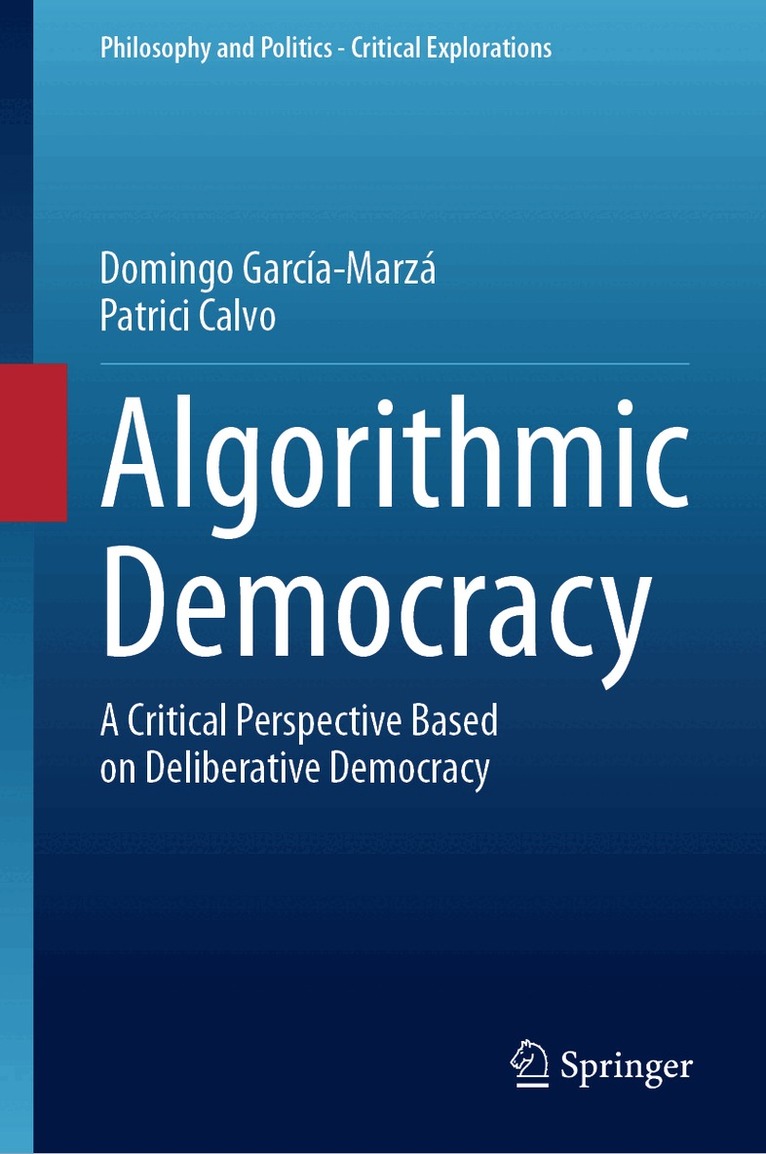
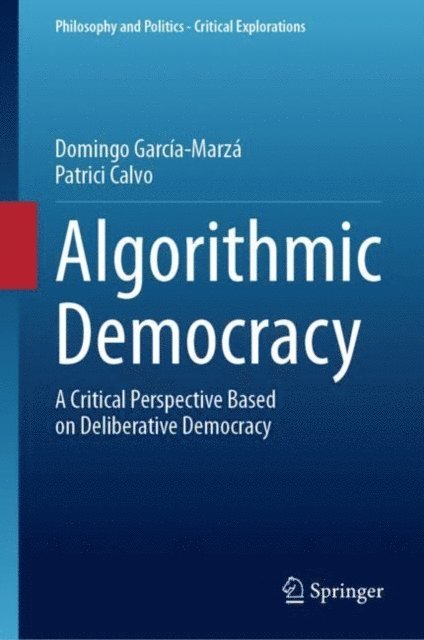
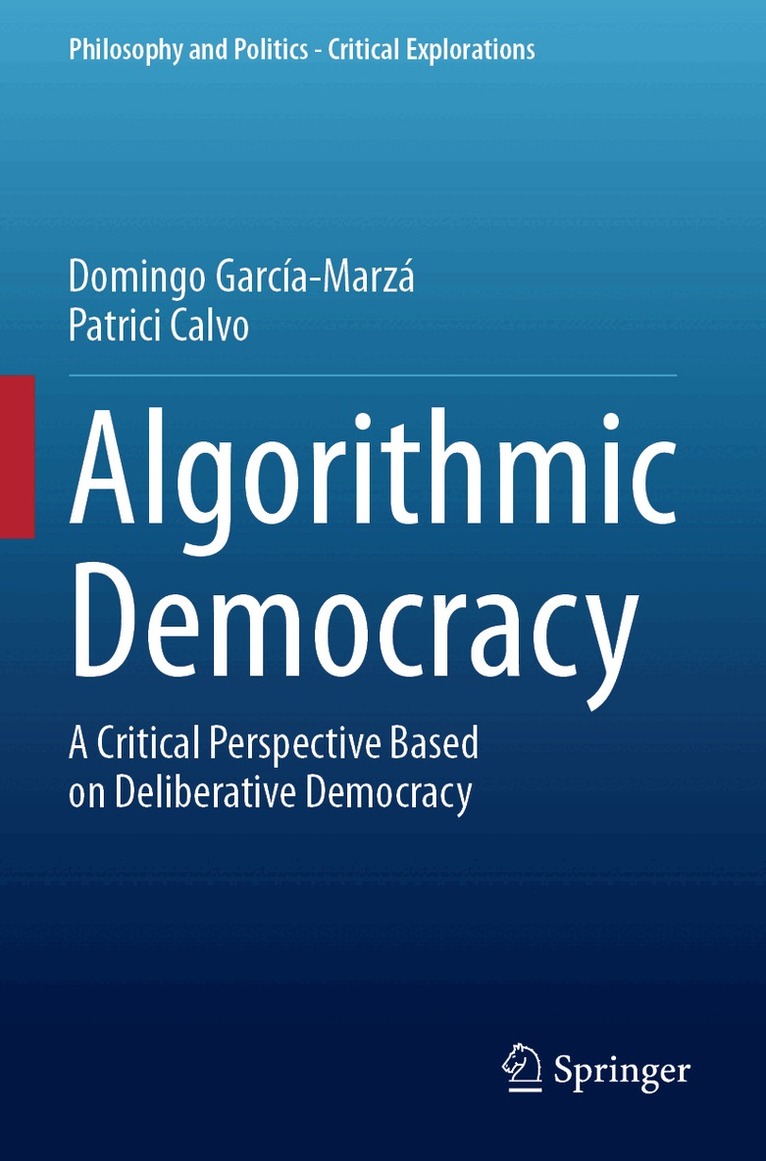
Algorithmic Democracy
A Critical Perspective Based on Deliberative Democracy
Av Domingo García-Marzá, Patrici Calvo
Inbunden, 2024
1212 kr
Lägg i varukorg
Based on a deliberative democracy, this book uses a hermeneutic-critical methodology to study bibliographical sources and practical issues in order to analyse the possibilities, limits and consequences of the digital transformation of democracy. Drawing on a two-way democracy, the aim of this book …
Algorithmic Democracy
A Critical Perspective Based on Deliberative Democracy
Av Patrici Calvo, Domingo Garcia-Marza
E-bok, 2024
1622 kr
Lägg i varukorg
Based on a deliberative democracy, this book uses a hermeneutic-critical methodology to study bibliographical sources and practical issues in order to analyse the possibilities, limits and consequences of the digital transformation of democracy. Drawing on a two-way democracy, the aim of this book …
Algorithmic Democracy
A Critical Perspective Based on Deliberative Democracy
Av Domingo García-Marzá, Patrici Calvo
Häftad, 2025
1212 kr
Lägg i varukorg
Based on a deliberative democracy, this book uses a hermeneutic-critical methodology to study bibliographical sources and practical issues in order to analyse the possibilities, limits and consequences of the digital transformation of democracy. Drawing on a two-way democracy, the aim of this book …
Cordial Economy - Ethics, Recognition and Reciprocity
Inbunden, 2018
938 kr
Lägg i varukorg
This book proposes, from a civil perspective —such as that developed by Stefano Zamagni— and a cordial perspective —such as that developed by Adela Cortina—, orientations to design an economy in tune with what the historical moment demands. Among other things, this comes from encouraging …
Cordial Economy - Ethics, Recognition and Reciprocity
E-bok, 2018
1214 kr
Lägg i varukorg
This book proposes, from a civil perspective —such as that developed by Stefano Zamagni— and a cordial perspective —such as that developed by Adela Cortina—, orientations to design an economy in tune with what the historical moment demands. Among other things, this comes from encouraging …