Patrick M. Green – författare
588 kr
Läs direkt efter köp
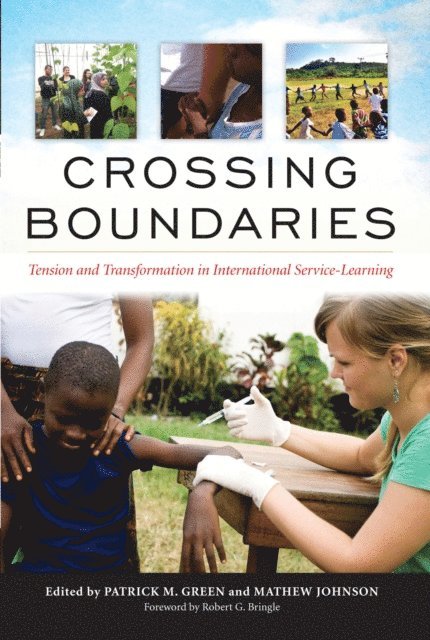
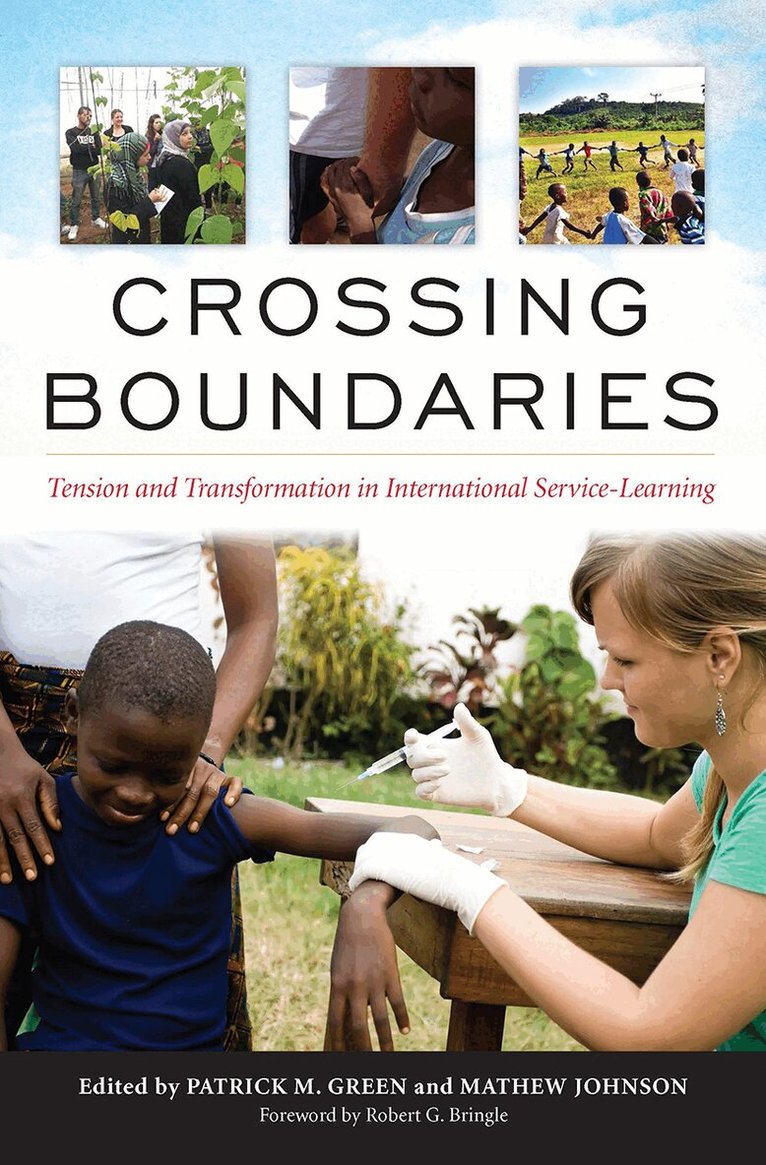
Are there better ways to address community challenges than expending funds on international service-learning?In attempting to wed learning and service, are we are exploiting the “other†for new, or recycled, aims?As these questions attest, of all types of service-learning, international service-learning (ISL) most starkly illuminates the tensions between the liberatory and oppressive potentials of practice.This book explores the ramifications of realizing a new age of service-learning that pushes beyond single episodic course-based projects to rebalance student learning and community outcome priorities, and provides insight into what it looks like in its execution. In describing eleven international programs designed to achieve reciprocal, sustained relationships in which learning is co-created, the contributors reveal their struggles to change the balance of power relationships and move to a more transformative practice. Common themes are the developmental nature of this work; the recognition that it takes multiple attempts, often over years, for an individual or an institution to get this work even nearly right; that resolving the challenges of unequal resources, power, and privilege can never be completely erased; and that attention has to be given to the micro-level details.What emerge are seven guiding principles that define the nature of partnerships in liberatory practice, and that apply to all forms of service learning. They must be: strategic--linked to the mission and expertise of the institution; long-term; multifaceted--allowing both partners to play a multiplicity of roles; developmental in building capacities; contextualized in historic and cultural understanding; fully reciprocal; and create the potential for community-driven change.In addressing the problematic nature of ISL, and of service-learning in general, this book interrogates whether its experiences create the necessary conditions for the formation of individual values, convictions, and action; and whether their pivotal teaching and learning moments are indeed replicable and transferable across individual, institutional and even cultural contexts. Its conclusions and insights will be of intense interest to administrators and practitioners alike.
621 kr
Läs direkt efter köp
The role of educational developer in the realm of service-learning and community engagement (S-LCE) is multidimensional. Given the potentially transformational nature--for both faculty and students--of the experiences and courses in whose design they may be directly or indirectly involved, as well as their responsibility to the communities served by these initiatives, they have to be particularly attentive to issues of identity, values, and roles. As both practitioners and facilitators, they are often positioned as third-space professionals.This edited volume provides educational developers and community engagement professionals an analysis of approaches to faculty development around service-learning and community engagement. Using an openly self-reflective approach, the contributors to this volume offer an array of examples and models, as well as realistic strategies, to empower readers to evolve their faculty development efforts in service-learning and community engagement on their respective campuses. It is also a call for recognition that the practice of S-LCE needs to be institutionalized and improved. The book further addresses the field’s potential contributions to scholarship, such as the scholarship of teaching and learning (SoTL), publicly engaged scholarship, and collaborative inquiry, among others.The case studies provide an outline of program models and promising practices, including an authentic analysis of the institutional context within which they operate, the positionality of the practitioner-scholars overseeing them, the resources required, and the evidence related to both successes and challenges of these approaches.The contributed chapters are organized under four themes: the landscape of faculty development and community engagement; models of faculty development in S-LCE; challenges and opportunities in pedagogy and partnerships; and engendering change in educational development.
588 kr
Läs direkt efter köp
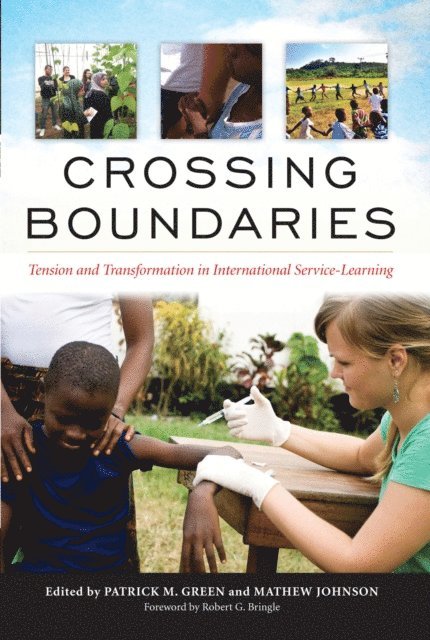
Are there better ways to address community challenges than expending funds on international service-learning?In attempting to wed learning and service, are we are exploiting the “other†for new, or recycled, aims?As these questions attest, of all types of service-learning, international service-learning (ISL) most starkly illuminates the tensions between the liberatory and oppressive potentials of practice.This book explores the ramifications of realizing a new age of service-learning that pushes beyond single episodic course-based projects to rebalance student learning and community outcome priorities, and provides insight into what it looks like in its execution. In describing eleven international programs designed to achieve reciprocal, sustained relationships in which learning is co-created, the contributors reveal their struggles to change the balance of power relationships and move to a more transformative practice. Common themes are the developmental nature of this work; the recognition that it takes multiple attempts, often over years, for an individual or an institution to get this work even nearly right; that resolving the challenges of unequal resources, power, and privilege can never be completely erased; and that attention has to be given to the micro-level details.What emerge are seven guiding principles that define the nature of partnerships in liberatory practice, and that apply to all forms of service learning. They must be: strategic--linked to the mission and expertise of the institution; long-term; multifaceted--allowing both partners to play a multiplicity of roles; developmental in building capacities; contextualized in historic and cultural understanding; fully reciprocal; and create the potential for community-driven change.In addressing the problematic nature of ISL, and of service-learning in general, this book interrogates whether its experiences create the necessary conditions for the formation of individual values, convictions, and action; and whether their pivotal teaching and learning moments are indeed replicable and transferable across individual, institutional and even cultural contexts. Its conclusions and insights will be of intense interest to administrators and practitioners alike.
621 kr
Läs direkt efter köp
The role of educational developer in the realm of service-learning and community engagement (S-LCE) is multidimensional. Given the potentially transformational nature--for both faculty and students--of the experiences and courses in whose design they may be directly or indirectly involved, as well as their responsibility to the communities served by these initiatives, they have to be particularly attentive to issues of identity, values, and roles. As both practitioners and facilitators, they are often positioned as third-space professionals.This edited volume provides educational developers and community engagement professionals an analysis of approaches to faculty development around service-learning and community engagement. Using an openly self-reflective approach, the contributors to this volume offer an array of examples and models, as well as realistic strategies, to empower readers to evolve their faculty development efforts in service-learning and community engagement on their respective campuses. It is also a call for recognition that the practice of S-LCE needs to be institutionalized and improved. The book further addresses the field’s potential contributions to scholarship, such as the scholarship of teaching and learning (SoTL), publicly engaged scholarship, and collaborative inquiry, among others.The case studies provide an outline of program models and promising practices, including an authentic analysis of the institutional context within which they operate, the positionality of the practitioner-scholars overseeing them, the resources required, and the evidence related to both successes and challenges of these approaches.The contributed chapters are organized under four themes: the landscape of faculty development and community engagement; models of faculty development in S-LCE; challenges and opportunities in pedagogy and partnerships; and engendering change in educational development.
2 338 kr
Skickas inom 10-15 vardagar
495 kr
Skickas inom 10-15 vardagar
2 338 kr
Skickas inom 10-15 vardagar
522 kr
Skickas inom 10-15 vardagar