Patrick Riordan - Böcker
Visar alla böcker från författaren Patrick Riordan. Handla med fri frakt och snabb leverans.
7 produkter
7 produkter
2 103 kr
Skickas inom 10-15 vardagar
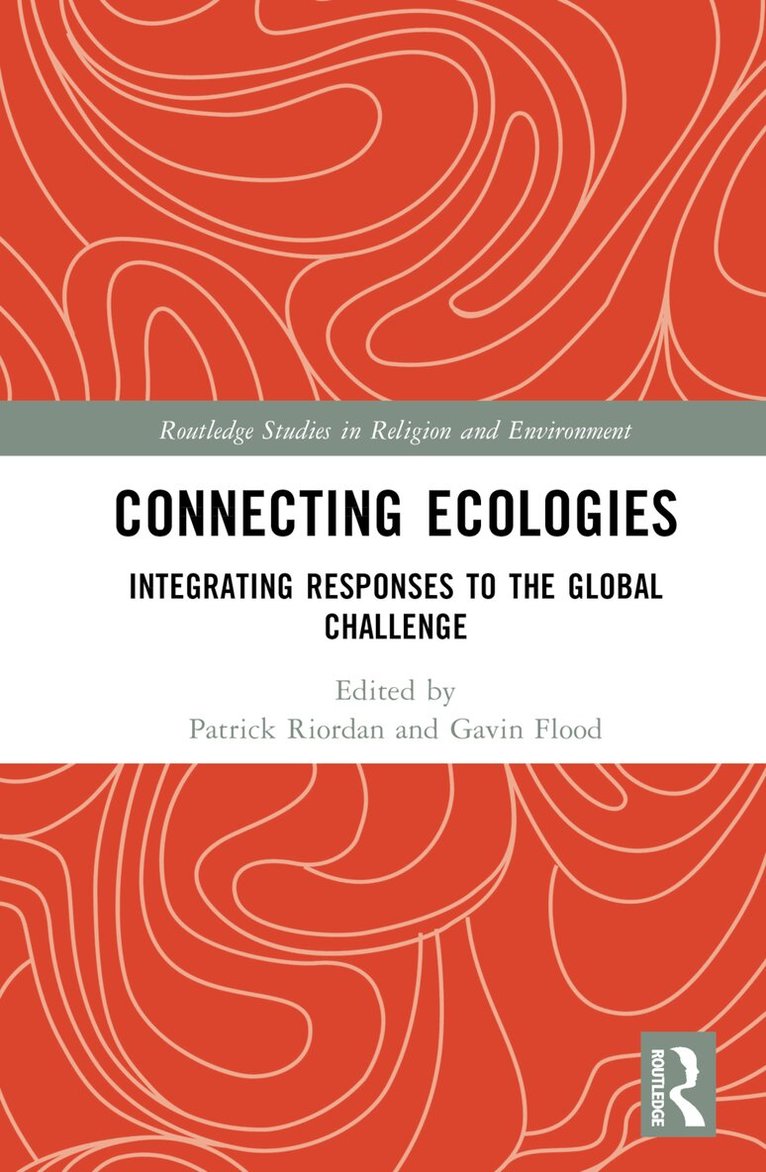
Connecting Ecologies focuses on the environmental aspects of Pope Francis’ encyclical Laudato Si’ and the challenge to care for our common home. It considers how best to devise and implement the new societal models needed to tackle the ecological problems facing the world today. The book addresses the need for and complexity of an integral ecology, one that looks not only at physical and biological processes but also allows for the contributions of theology, philosophy, spirituality, and psychology, including the implications for the human and social sciences. The contributions document four categories of resonances, resources, requirements, and responses evoked by a reading of Laudato Si’ and include consideration of other faith traditions. They reflect on how care for our common home motivates people in different places, cultures, and professions to cooperate for myriad goods in common. The volume is particularly relevant for scholars working in religious studies and theology with an interest in ecology, the environment, and the Anthropocene.
635 kr
Skickas inom 10-15 vardagar
Connecting Ecologies focuses on the environmental aspects of Pope Francis’ encyclical Laudato Si’ and the challenge to care for our common home. It considers how best to devise and implement the new societal models needed to tackle the ecological problems facing the world today. The book addresses the need for and complexity of an integral ecology, one that looks not only at physical and biological processes but also allows for the contributions of theology, philosophy, spirituality, and psychology, including the implications for the human and social sciences. The contributions document four categories of resonances, resources, requirements, and responses evoked by a reading of Laudato Si’ and include consideration of other faith traditions. They reflect on how care for our common home motivates people in different places, cultures, and professions to cooperate for myriad goods in common. The volume is particularly relevant for scholars working in religious studies and theology with an interest in ecology, the environment, and the Anthropocene.
1 833 kr
Skickas inom 10-15 vardagar
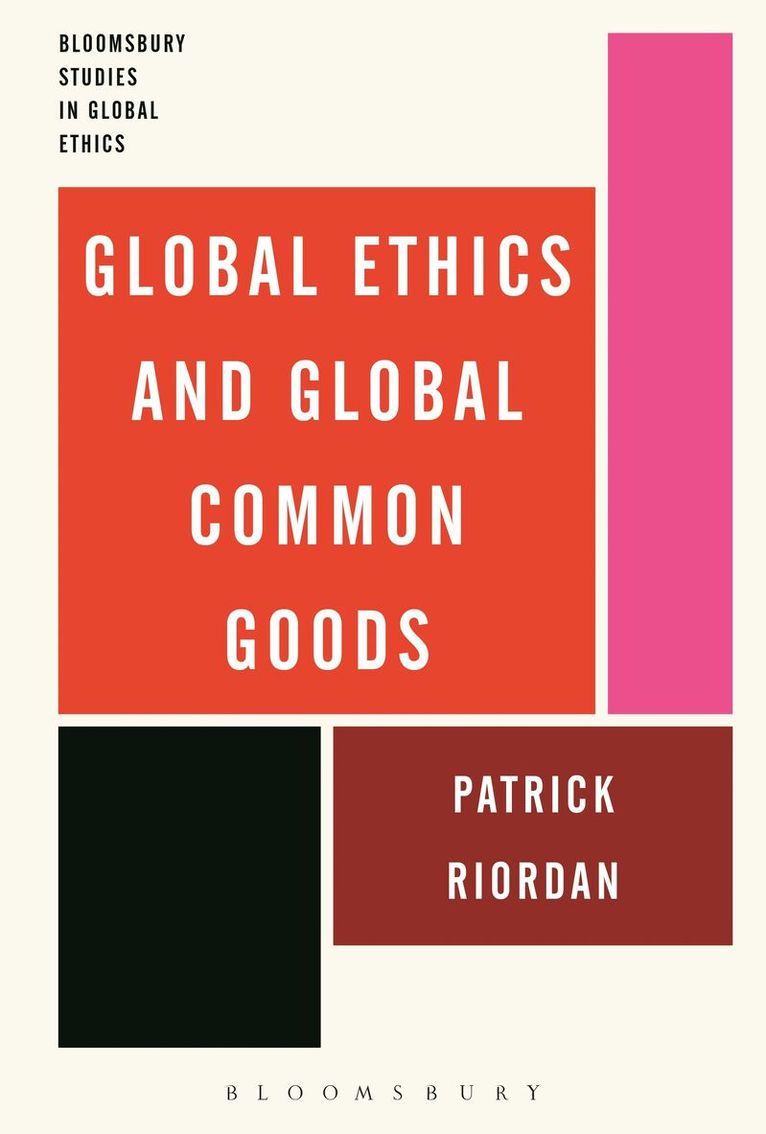
Patrick Riordan takes a different approach to the questions of global ethics by following the direction of questioning initially pioneered by Aristotle; for him the most basic question of ethics is ‘what is the good life’? So in the context of contemporary global ethics the Aristotelian questioner wonders about the good life on a global scale. Global Ethics and Global Common Goods fills the gap in existing literature caused by the neglect of the topic of the good in global ethics.Beginning by outlining answers to questions such as ‘what is good?’ and ‘is there a highest good?’ Riordan demonstrates the value of a common good perspective in matters of universal human rights and their institutions and practices, the study of international relations and the construction of global institutions, and debates about global justice between cosmopolitanism, nationalism and economic globalization. Philosophical questions provoked by these debates are identified and pursued, such as the question of a common human nature which seems presupposed by the language of universal rights. For experienced students of political philosophy and international relations this is a crucial text in the literature exploring the possibilities for politics on a world scale, while the perspective of the common good adds a new and distinctive dimension to current debates on global security and the challenges of managing conflict.
528 kr
Skickas inom 10-15 vardagar
Patrick Riordan takes a different approach to the questions of global ethics by following the direction of questioning initially pioneered by Aristotle; for him the most basic question of ethics is ‘what is the good life’? So in the context of contemporary global ethics the Aristotelian questioner wonders about the good life on a global scale. Global Ethics and Global Common Goods fills the gap in existing literature caused by the neglect of the topic of the good in global ethics.Beginning by outlining answers to questions such as ‘what is good?’ and ‘is there a highest good?’ Riordan demonstrates the value of a common good perspective in matters of universal human rights and their institutions and practices, the study of international relations and the construction of global institutions, and debates about global justice between cosmopolitanism, nationalism and economic globalization. Philosophical questions provoked by these debates are identified and pursued, such as the question of a common human nature which seems presupposed by the language of universal rights. For experienced students of political philosophy and international relations this is a crucial text in the literature exploring the possibilities for politics on a world scale, while the perspective of the common good adds a new and distinctive dimension to current debates on global security and the challenges of managing conflict.
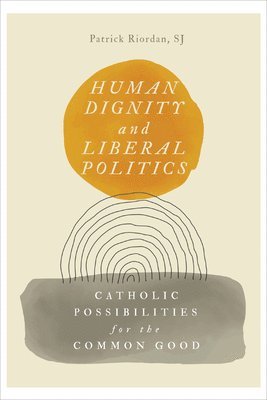
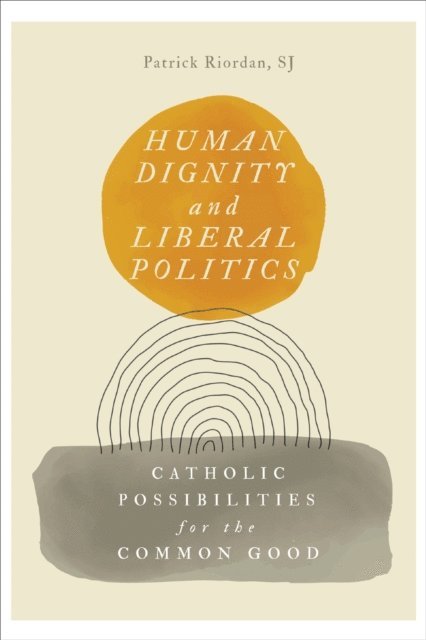
Human Dignity and Liberal Politics
Catholic Possibilities for the Common Good
Inbunden, Engelska, 2023
1 316 kr
Skickas inom 5-8 vardagar
A deeply considered examination of the “common good” reconciling Catholic Social Thought with secular politics and philosophyThe Second Vatican Council invites dialogue about the common good as the set of economic, political, legal, and cultural conditions for human flourishing, whether as individuals or as communities. However, some contemporary Catholic authors jeopardize this dialogue by polarizing liberalism and the common good, interpreting the commitment to individual liberty as incompatible with commitment to the common good. Human Dignity and Liberal Politics clarifies the meaning of the common good through the three lenses of Aristotelian practical philosophy, twentieth-century Catholic Social Thought, and political liberalism. It makes the case that embracing the common good does not entail a rejection of liberalism, but that a commitment to liberal politics is compatible with faithful adherence to the Catholic tradition. The book argues that liberal political philosophy is not only compatible with Catholic Social Teaching but may also be the most appropriate framework for communicating the richness of the Church’s tradition today. Furthermore, accepting political liberalism can facilitate collaboration in political life between those who hold different worldviews and foster an enriched discussion of democracy, human rights, and religious liberty.Students and scholars of Christian ethics and political philosophy will benefit from this response to the challenges of dialogue about the “common good” in the context of the resurgence of this topic.
400 kr
Skickas
A deeply considered examination of the “common good” reconciling Catholic Social Thought with secular politics and philosophyThe Second Vatican Council invites dialogue about the common good as the set of economic, political, legal, and cultural conditions for human flourishing, whether as individuals or as communities. However, some contemporary Catholic authors jeopardize this dialogue by polarizing liberalism and the common good, interpreting the commitment to individual liberty as incompatible with commitment to the common good. Human Dignity and Liberal Politics clarifies the meaning of the common good through the three lenses of Aristotelian practical philosophy, twentieth-century Catholic Social Thought, and political liberalism. It makes the case that embracing the common good does not entail a rejection of liberalism, but that a commitment to liberal politics is compatible with faithful adherence to the Catholic tradition. The book argues that liberal political philosophy is not only compatible with Catholic Social Teaching but may also be the most appropriate framework for communicating the richness of the Church’s tradition today. Furthermore, accepting political liberalism can facilitate collaboration in political life between those who hold different worldviews and foster an enriched discussion of democracy, human rights, and religious liberty.Students and scholars of Christian ethics and political philosophy will benefit from this response to the challenges of dialogue about the “common good” in the context of the resurgence of this topic.
1 964 kr
Skickas inom 10-15 vardagar
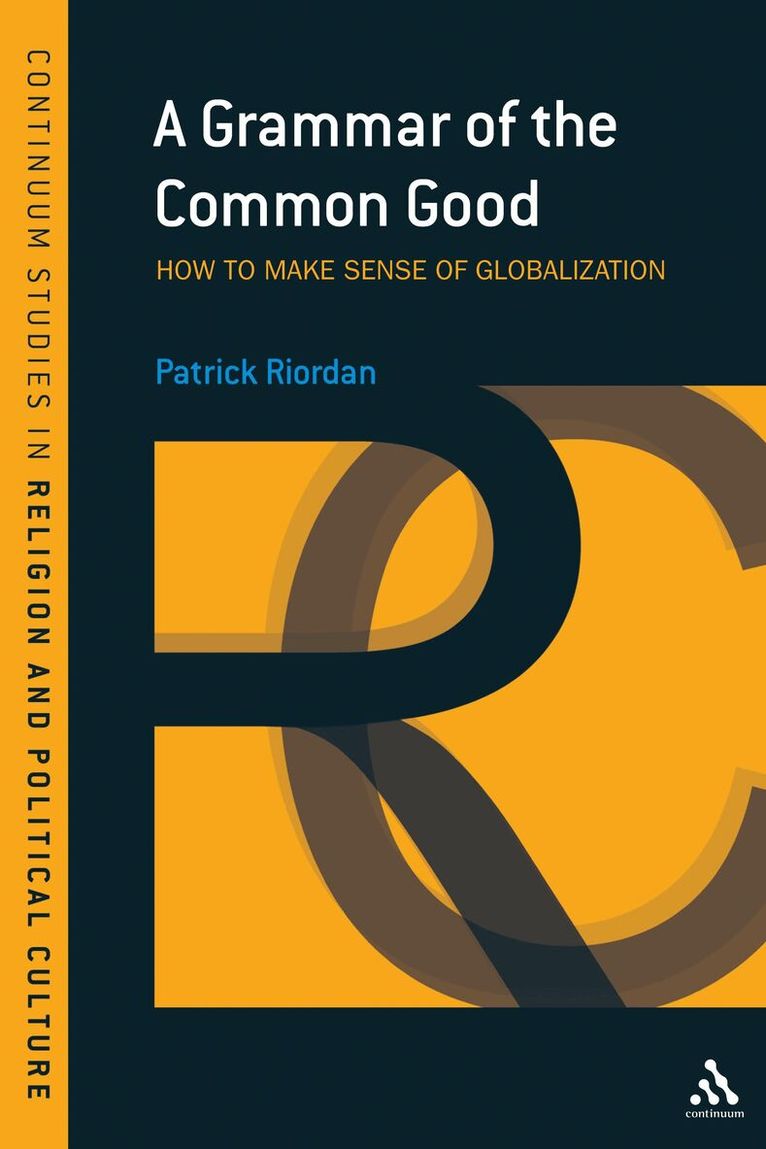
Patrick Riordan's timely study analyzes the concept of the common good in light of recent heightened interest in globalization.Globalization: the catch-all term used to refer to a complex reality whereby humanity faces global challenges to do with a shared environment - global warming, a global economic order in the absence of significant global governance, international institutions which lack independence from the member states which comprise them, and the possibility of violence, whether using a car- or plane-bomb or nuclear weapons, in the name of whatever cause. Such realities raise major questions about the intellectual and moral resources available to humanity to deal with the challenges posed, and the topic of the common good has enjoyed an explosion of interest recently in various disciplines and in different areas of life.Patrick Riordan's timely study analyzes the concept of the common good as it is used in debates within political philosophy, economics, theology and most recently globalization, clarifying distinctions in definition and offering clarity and precision for a common language appropriate to debates on globalization.In recent years the study of the nature and function of religion with respect to politics has seen enormous changes.This important series provides a range of books devoted to furthering this study, and aimed at those studying and researching in this area across both disciplines.Titles in this series look specifically at the relationship between religion and political culture. Drawing upon a broad range of religious perspectives the series is open for studies of historical as well as current phenomena in political culture. It seeks not only to inform but to provoke debate at a time when religion is gaining increasing prominence in the public realm.