313 kr
Paul E. Flaxman – författare
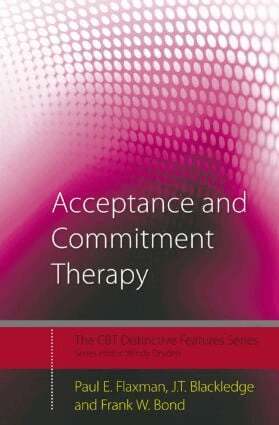
- Häftad, Engelska, 2010What are the distinctive theoretical and practical features of acceptance and commitment therapy?Acceptance and commitment therapy (ACT) is a modern behaviour therapy that uses acceptance and mindfulness interventions alongside commitment and behaviour change strategies to enhance psychological flexibility. Psychological flexibility refers to the ability to contact the present moment and change or persist in behaviour that serves one’s personally chosen values. Divided into two sections, The Distinctive Theoretical Features of ACT and The Distinctive Practical Features of ACT, this book summarises the key features of ACT in 30 concise points and explains how this approach differs from traditional cognitive behaviour therapy.Acceptance and Commitment Therapy provides an excellent guide to ACT. Its straightforward format will appeal to those who are new to the field and provide a handy reference tool for more experienced clinicians.
- E-bokEngelska, 2010
380 kr
Läs direkt efter köp
What are the distinctive theoretical and practical features of acceptance and commitment therapy?
Acceptance and commitment therapy (ACT) is a modern behaviour therapy that uses acceptance and mindfulness interventions alongside commitment and behaviour change strategies to enhance psychological flexibility. Psychological flexibility refers to the ability to contact the present moment and change or persist in behaviour that serves one’s personally chosen values.
Divided into two sections, The Distinctive Theoretical Features of ACT and The Distinctive Practical Features of ACT, this book summarises the key features of ACT in 30 concise points and explains how this approach differs from traditional cognitive behaviour therapy.
Acceptance and Commitment Therapy provides an excellent guide to ACT. Its straightforward format will appeal to those who are new to the field and provide a handy reference tool for more experienced clinicians.
- E-bokPDF, Engelska, 2010
384 kr
Läs direkt efter köp
What are the distinctive theoretical and practical features of acceptance and commitment therapy?
Acceptance and commitment therapy (ACT) is a modern behaviour therapy that uses acceptance and mindfulness interventions alongside commitment and behaviour change strategies to enhance psychological flexibility. Psychological flexibility refers to the ability to contact the present moment and change or persist in behaviour that serves one’s personally chosen values.
Divided into two sections, The Distinctive Theoretical Features of ACT and The Distinctive Practical Features of ACT, this book summarises the key features of ACT in 30 concise points and explains how this approach differs from traditional cognitive behaviour therapy.
Acceptance and Commitment Therapy provides an excellent guide to ACT. Its straightforward format will appeal to those who are new to the field and provide a handy reference tool for more experienced clinicians.
- E-bokTyska, 2014
254 kr
Läs direkt efter köp
Grundlagen der Akzeptanz- und Commitment-TherapieDie Akzeptanz- & Commitment-Therapie, kurz ACT, ist eine moderne Verhaltenstherapie. Im Gegensatz zu eher traditionellen kognitiven Verhaltenstherapien zielt die ACT nicht darauf ab, unerwünschte Gedanken oder Emotionen zu reduzieren oder zu eliminieren. Die Klienten lernen stattdessen, ihre Energie auf ein zufriedenstellendes Leben zu fokussieren, und zwar trotz negativer Gedanken und Empfindungen. Dieses Buch demonstriert übersichtlich und einprägsam, wie das gelingen kann. Wie hat sich die ACT entwickelt? Was sind ihre typischen Kennzeichnen? Und wie grenzt sie sich von anderen Therapien ab? Hier erhalten Sie eine fundierte Einführung.Das Buch ist ein weiterer Band aus der Reihe "Therapeutische Skills kompakt", in der Theorie und Praxis einzelner Therapieformen fundiert und kurzweilig vorgestellt werden. - E-bokTyska, 2014
348 kr
Läs direkt efter köp
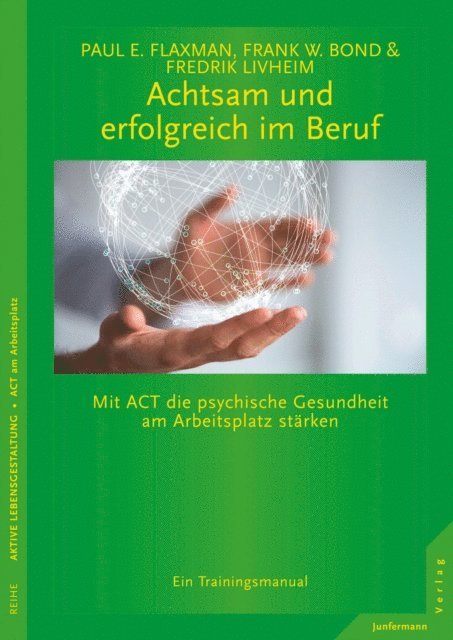
Wie Sie Klienten und Mitarbeiter mit ACT stark für die Arbeitswelt machenDas Ziel der Akzeptanz- und Commitmenttherapie (ACT) ist die psychische Flexibilität eines Menschen – ein Merkmal, das in jedem Bereich des Lebens wichtig ist. Doch nirgendwo sonst verbringen Menschen so viel Zeit wie an ihrem Arbeitsplatz. Die Arbeit schafft Zufriedenheit, Rückhalt und Gemeinschaft, verursacht aber oftmals auch Stress, Konflikte und Hoffnungslosigkeit. Ein flexibler Mitarbeiter kann sich an einem flexiblen Arbeitsplatz voll und ganz entfalten. Daher können sowohl Arbeitgeber und Führungskräfte als auch Arbeitnehmer eine Menge von ACT lernen.Dieses Buch ist der erste Ratgeber zum Einsatz der ACT im betrieblichen Kontext. Es richtet sich an Interessierte mit und ohne Vorwissen, die andere in den ACT-Prinzipien schulen wollen. Neben der Einführung in das Modell und die Forschungslage bietet es vor allem ein schrittweise angelegtes Konzept, um achtsame und wertegeleitete Beschäftigte auszubilden. - E-bokPDF, Tyska, 2014
254 kr
Läs direkt efter köp
Grundlagen der Akzeptanz- und Commitment-TherapieDie Akzeptanz- & Commitment-Therapie, kurz ACT, ist eine moderne Verhaltenstherapie. Im Gegensatz zu eher traditionellen kognitiven Verhaltenstherapien zielt die ACT nicht darauf ab, unerwünschte Gedanken oder Emotionen zu reduzieren oder zu eliminieren. Die Klienten lernen stattdessen, ihre Energie auf ein zufriedenstellendes Leben zu fokussieren, und zwar trotz negativer Gedanken und Empfindungen. Dieses Buch demonstriert übersichtlich und einprägsam, wie das gelingen kann. Wie hat sich die ACT entwickelt? Was sind ihre typischen Kennzeichnen? Und wie grenzt sie sich von anderen Therapien ab? Hier erhalten Sie eine fundierte Einführung.Das Buch ist ein weiterer Band aus der Reihe "Therapeutische Skills kompakt", in der Theorie und Praxis einzelner Therapieformen fundiert und kurzweilig vorgestellt werden. - E-bokPDF, Tyska, 2014
348 kr
Läs direkt efter köp
Wie Sie Klienten und Mitarbeiter mit ACT stark für die Arbeitswelt machenDas Ziel der Akzeptanz- und Commitmenttherapie (ACT) ist die psychische Flexibilität eines Menschen – ein Merkmal, das in jedem Bereich des Lebens wichtig ist. Doch nirgendwo sonst verbringen Menschen so viel Zeit wie an ihrem Arbeitsplatz. Die Arbeit schafft Zufriedenheit, Rückhalt und Gemeinschaft, verursacht aber oftmals auch Stress, Konflikte und Hoffnungslosigkeit. Ein flexibler Mitarbeiter kann sich an einem flexiblen Arbeitsplatz voll und ganz entfalten. Daher können sowohl Arbeitgeber und Führungskräfte als auch Arbeitnehmer eine Menge von ACT lernen.Dieses Buch ist der erste Ratgeber zum Einsatz der ACT im betrieblichen Kontext. Es richtet sich an Interessierte mit und ohne Vorwissen, die andere in den ACT-Prinzipien schulen wollen. Neben der Einführung in das Modell und die Forschungslage bietet es vor allem ein schrittweise angelegtes Konzept, um achtsame und wertegeleitete Beschäftigte auszubilden. - Inbunden, Engelska, 2010
1 148 kr
Tillfälligt slut
What are the distinctive theoretical and practical features of acceptance and commitment therapy?Acceptance and commitment therapy (ACT) is a modern behaviour therapy that uses acceptance and mindfulness interventions alongside commitment and behaviour change strategies to enhance psychological flexibility. Psychological flexibility refers to the ability to contact the present moment and change or persist in behaviour that serves one’s personally chosen values. Divided into two sections, The Distinctive Theoretical Features of ACT and The Distinctive Practical Features of ACT, this book summarises the key features of ACT in 30 concise points and explains how this approach differs from traditional cognitive behaviour therapy.Acceptance and Commitment Therapy provides an excellent guide to ACT. Its straightforward format will appeal to those who are new to the field and provide a handy reference tool for more experienced clinicians.