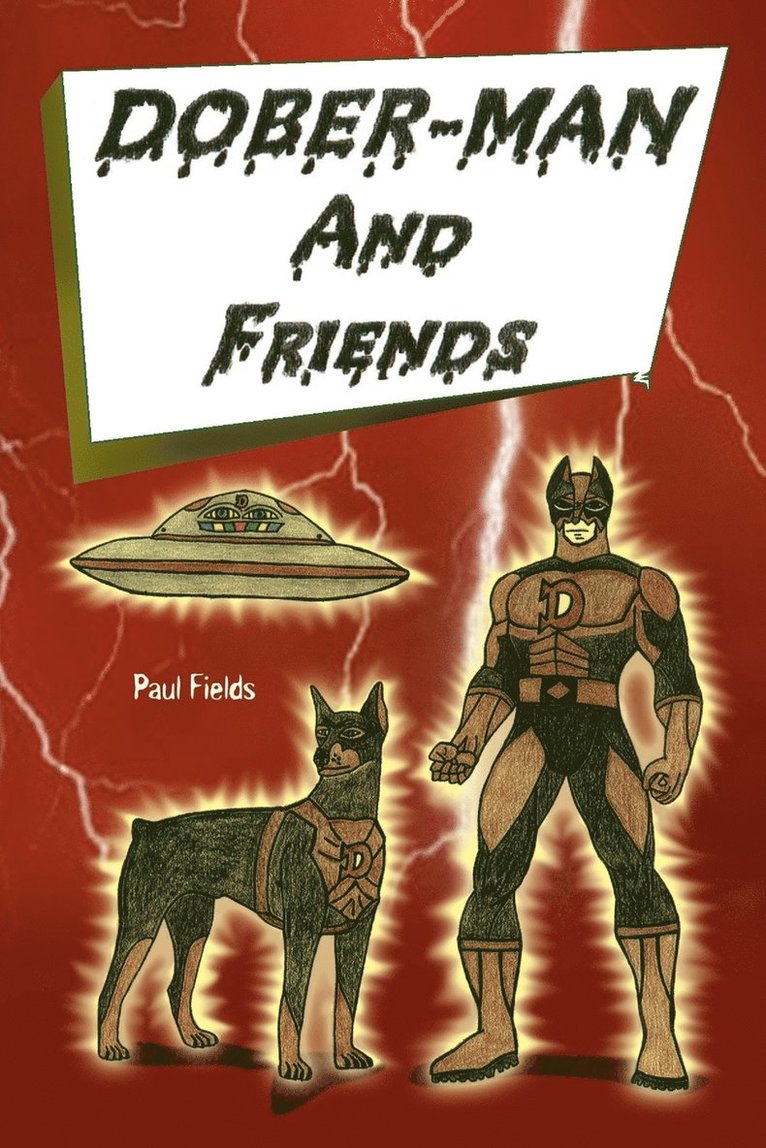
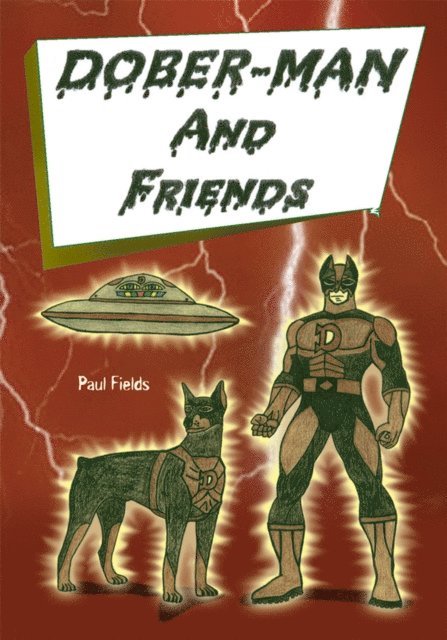
Lee Austin is a rich business man who is trying to save hisbest friend his Doberman Pinscher, Duke from his illnessand ultimately from dying. Out of Lees passion for scienceand his love for animals, Lee Austin and Dr. Nick Nelsoncome up with a super genetics formula to save Duke. AndLee Austin, Duke and Dizmo end up with Super Powersand they end up in the battle of their lives trying to savethe city of Darsidius.----------------------
Bad Religion and Philosophy, Politics and Pedagogy contextualizes the influence of Bad Religion and their impact on punk and broader culture across a forty-five-year career. Bringing together a range of interdisciplinary perspectives and methodological approaches, the collection examines the band not simply as a defining force within punk music, but as a uniquely durable intellectual and cultural formation within contemporary popular culture.Across the volume, Bad Religion’s work emerges simultaneously as political critique, philosophical inquiry, pedagogical practice, and global cultural transmission. Chapters explore subjects including the band’s collaboration with Noam Chomsky, lyrical and musical analysis, atheism and science, critiques of late capitalism, emotional expression, global punk circulation, and the relationship between Bad Religion’s music and wider political and cultural debates.Rather than treating punk solely as subculture or musical style, the collection positions Bad Religion as a key site for understanding how punk functions as an intellectual infrastructure — one capable of shaping political thought, ethical reflection, education, identity, and cultural resistance across multiple generations and international contexts.