Paul M. Heywood – författare
Visar alla böcker från författaren Paul M. Heywood. Handla med fri frakt och snabb leverans.
16 produkter
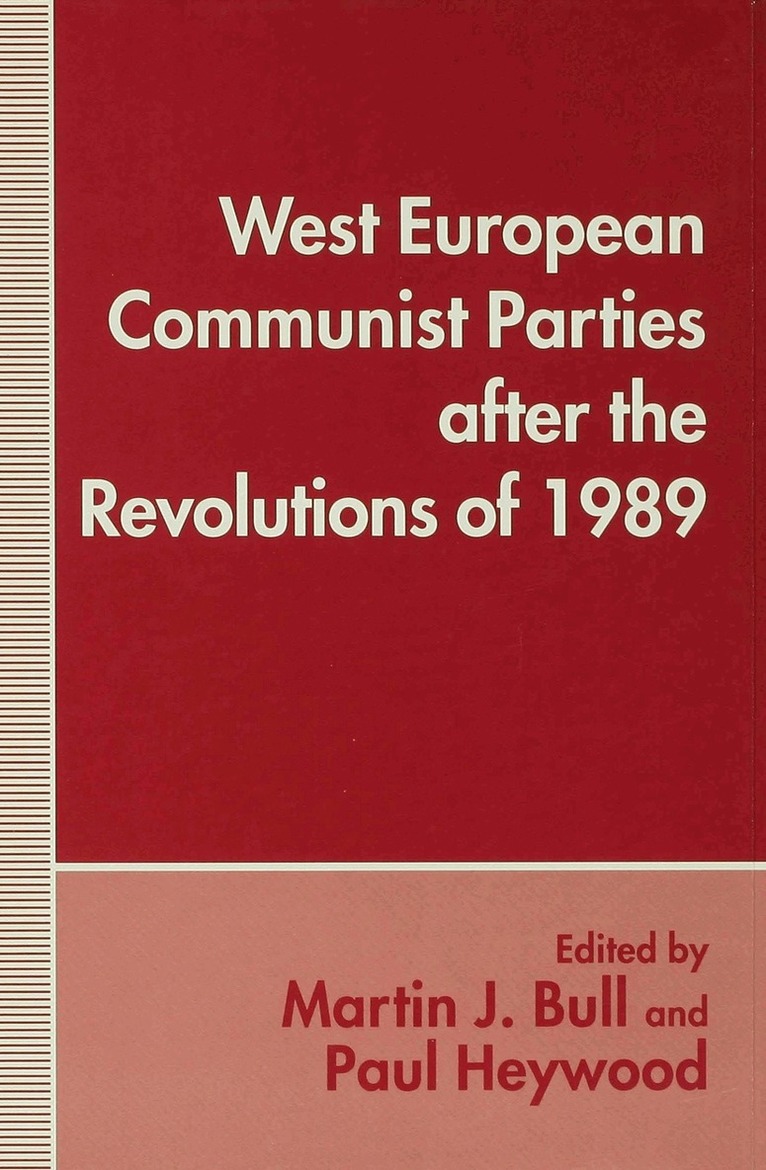
West European Communist Parties after the Revolutions of 1989
Av Martin J. Bull, Paul M. Heywood
Inbunden, 1995
1130 kr
Lägg i varukorg
This book analyses the impact of the collapse of communism in Eastern Europe and the former Soviet Union on the Communist Parties of Western Europe. Seven case-studies, covering the Italian, French, Spanish, Portuguese, Belgian, British and German parties, provide a tightly-argued comparative …
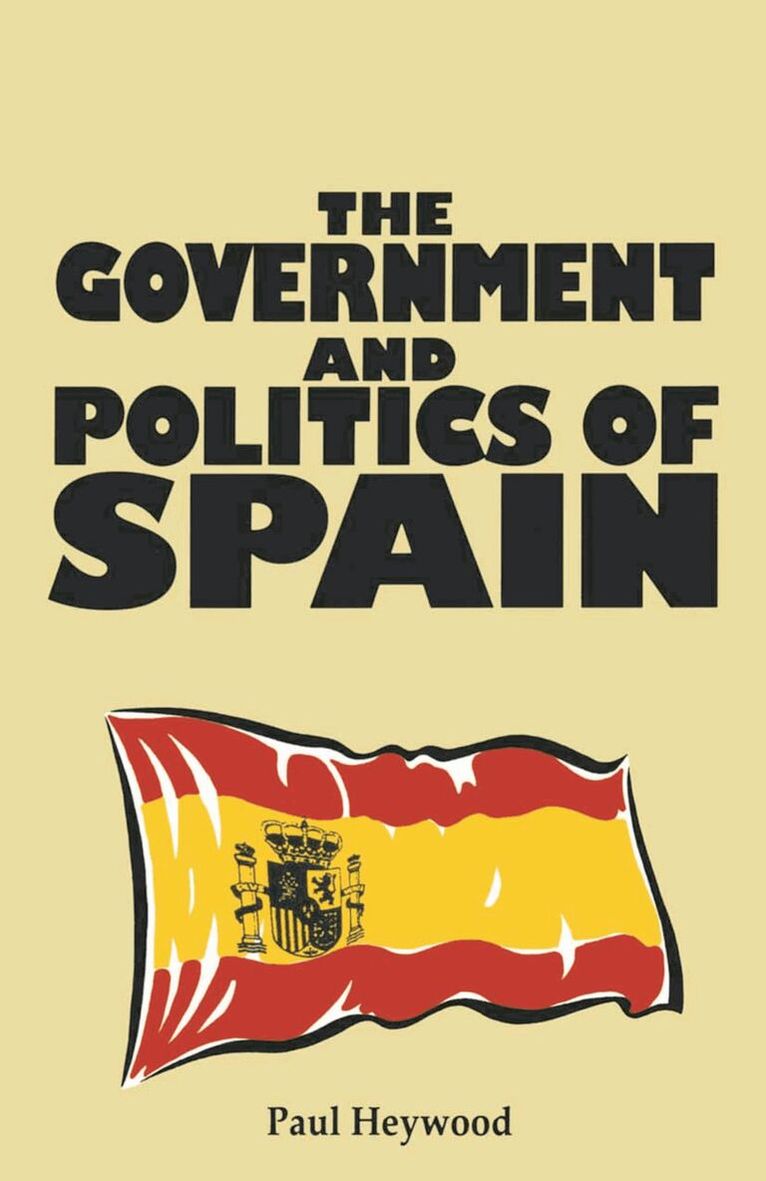
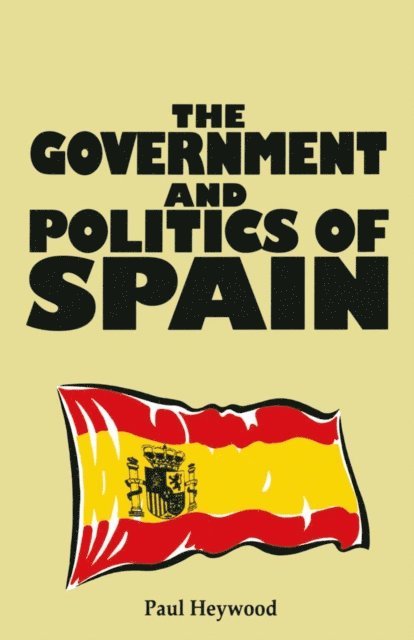
Government and Politics of Spain
Häftad, 1995
629 kr
Lägg i varukorg
Despite the widespread attention attracted by Spain's remarkable transition from General Franco's repressive dictatorship to a dynamic democracy, this is the first comprehensive study in English of the new Spanish political system. The book introduces the main institutions and features of the …
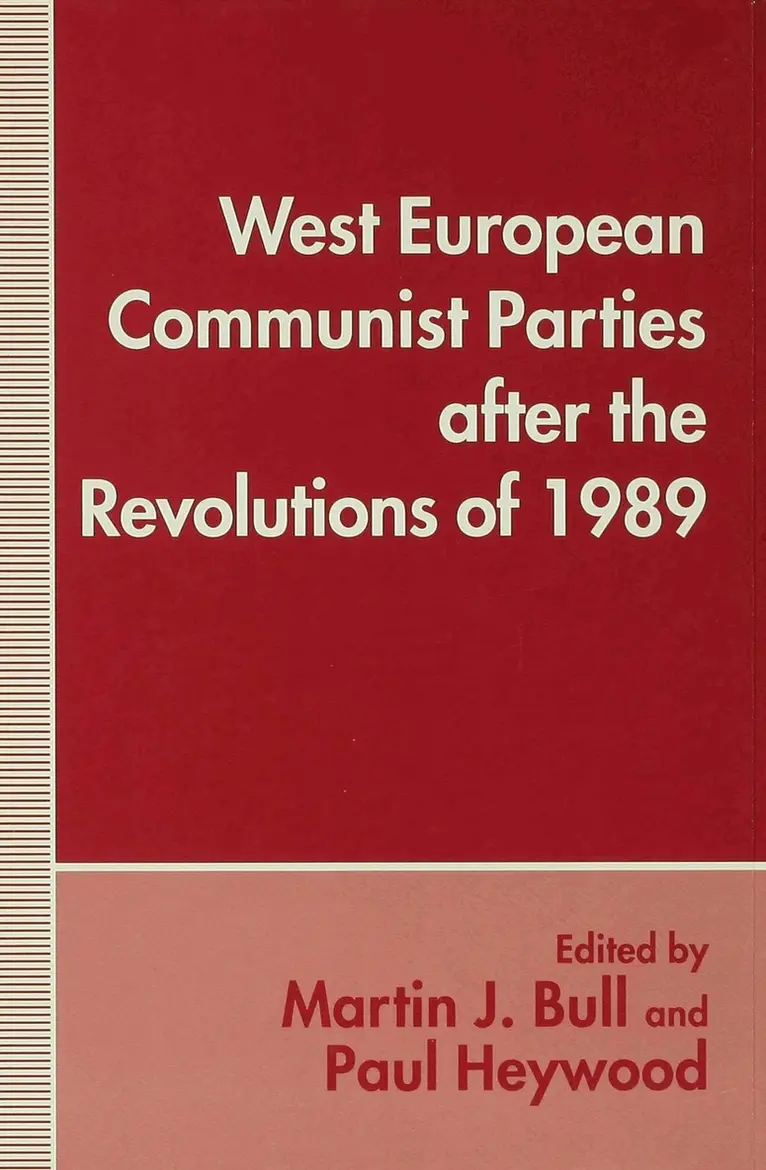
West European Communist Parties after the Revolutions of 1989
Av Martin J. Bull, Paul M. Heywood
Inbunden, 1994
1098 kr
Lägg i varukorg
This book analyses the impact of the collapse of communism in Eastern Europe and the former Soviet Union on the Communist Parties of Western Europe. Seven case-studies, covering the Italian, French, Spanish, Portuguese, Belgian, British and German parties, provide a tightly-argued comparative …
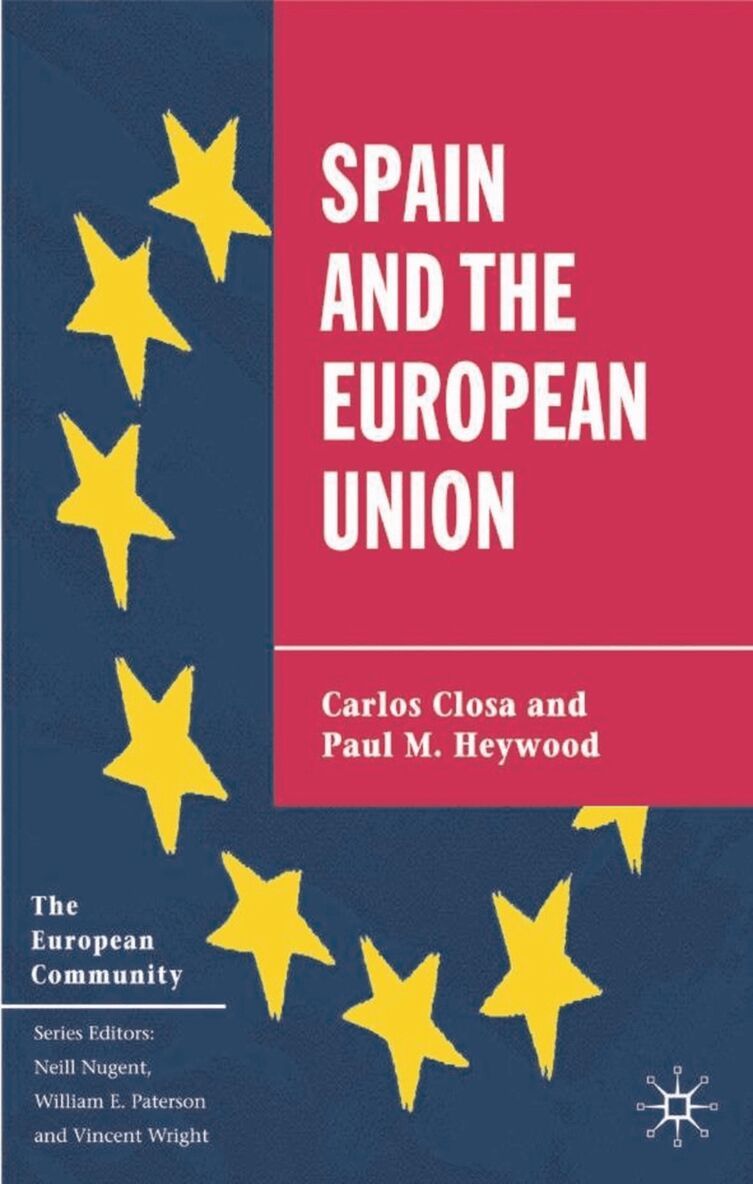
Spain and the European Union
Av Carlos Closa, Paul M. Heywood
Inbunden, 2004
784 kr
Lägg i varukorg
Spain's membership of the European Union since 1986 has had a major impact. Driven primarily by political concerns to secure democracy, membership has also served as a catalyst to dynamic economic development in Spain. This book analyzes how the EU has helped shape the political process in Spain, …
Routledge Handbook of Political Corruption
Inbunden, 2015
4509 kr
Lägg i varukorg
Since the early 1990s, a series of major scandals in both the financial and most especially the political world has resulted in close attention being paid to the issue of corruption and its links to political legitimacy and stability. Indeed, in many countries – in both the developed as well as the …
Routledge Handbook of Political Corruption
Av Paul M. Heywood, Ina Kubbe m. fl.
Inbunden, 2026
3793 kr
Lägg i varukorg
The second edition of The Routledge Handbook of Political Corruption showcases the most innovative research being conducted globally in the field of political corruption and provides a new point of reference for all interested in the topic.In presenting current research trends, the handbook …
Routledge Handbook of Political Corruption
Av Anna K. Schwickerath, Ina Kubbe m. fl.
E-bok, 2026
915 kr
Lägg i varukorg
The second edition of The Routledge Handbook of Political Corruption showcases the most innovative research being conducted globally in the field of political corruption and provides a new point of reference for all interested in the topic.In presenting current research trends, the handbook …
Routledge Handbook of Political Corruption
Av Anna K. Schwickerath, Ina Kubbe m. fl.
E-bok, 2026
935 kr
Lägg i varukorg
The second edition of The Routledge Handbook of Political Corruption showcases the most innovative research being conducted globally in the field of political corruption and provides a new point of reference for all interested in the topic.In presenting current research trends, the handbook …
Routledge Handbook of Political Corruption
Häftad, 2018
851 kr
Lägg i varukorg
Since the early 1990s, a series of major scandals in both the financial and most especially the political world has resulted in close attention being paid to the issue of corruption and its links to political legitimacy and stability. Indeed, in many countries – in both the developed as well as the …
West European Communist Parties after the Revolutions of 1989
Av Paul M. Heywood, Martin J. Bull
E-bok, 2016
1596 kr
Lägg i varukorg
This book analyses the impact of the collapse of communism in Eastern Europe and the former Soviet Union on the Communist Parties of Western Europe. Seven case-studies, covering the Italian, French, Spanish, Portuguese, Belgian, British and German parties, provide a tightly-argued comparative …
West European Communist Parties after the Revolutions of 1989
Av Martin J. Bull, Paul M. Heywood
Häftad, 1994
1128 kr
Lägg i varukorg
This book analyses the impact of the collapse of communism in Eastern Europe and the former Soviet Union on the Communist Parties of Western Europe. Seven case-studies, covering the Italian, French, Spanish, Portuguese, Belgian, British and German parties, provide a tightly-argued comparative …
Government and Politics of Spain
E-bok, 1995
686 kr
Lägg i varukorg
Despite the widespread attention attracted by Spain''s remarkable transition from General Franco''s repressive dictatorship to a dynamic democracy, this is the first comprehensive study in English of the new Spanish political system. The book introduces the main institutions and features of the …
Research Agenda for Studies of Corruption
Av Alina Mungiu-Pippidi, Paul M. Heywood
Inbunden, 2020
1810 kr
Lägg i varukorg
Elgar Research Agendas outline the future of research in a given area. Leading scholars are given the space to explore their subject in provocative ways, and map out the potential directions of travel. They are relevant but also visionary.Linked to declining levels of trust in core state actors and …
Research Agenda for Studies of Corruption
Av Paul M. Heywood, Alina Mungiu-Pippidi
E-bok, 2020
459 kr
Lägg i varukorg
Elgar Research Agendas outline the future of research in a given area. Leading scholars are given the space to explore their subject in provocative ways, and map out the potential directions of travel. They are relevant but also visionary. Linked to declining levels of trust in core state actors …
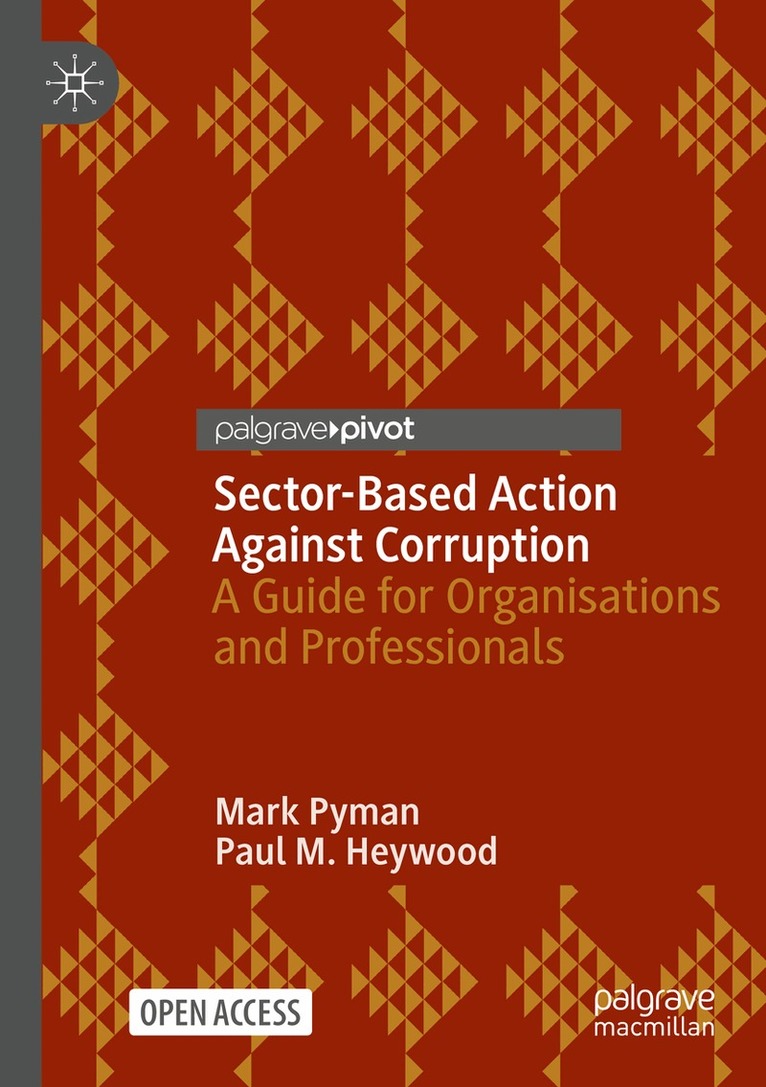
Sector-Based Action Against Corruption
A Guide for Organisations and Professionals
Av Mark Pyman, Paul M. Heywood
Inbunden, 2024
537 kr
Lägg i varukorg
This open access book provides an accessible insight into how to tackle corruption in organisations and institutions. It explains how to recognise and analyse corruption issues, together with knowledge and advice on how they can be avoided, prevented, or minimised. It also provides a framework …
Sector-Based Action Against Corruption
A Guide for Organisations and Professionals
Av Mark Pyman, Paul M. Heywood
Häftad, 2025
431 kr
Lägg i varukorg
This open access book provides an accessible insight into how to tackle corruption in organisations and institutions. It explains how to recognise and analyse corruption issues, together with knowledge and advice on how they can be avoided, prevented, or minimised. It also provides a framework …