Paul V. M. Flesher - Böcker
Visar alla böcker från författaren Paul V. M. Flesher. Handla med fri frakt och snabb leverans.
5 produkter
5 produkter
280 kr
Skickas inom 5-8 vardagar
565 kr
Skickas inom 10-15 vardagar
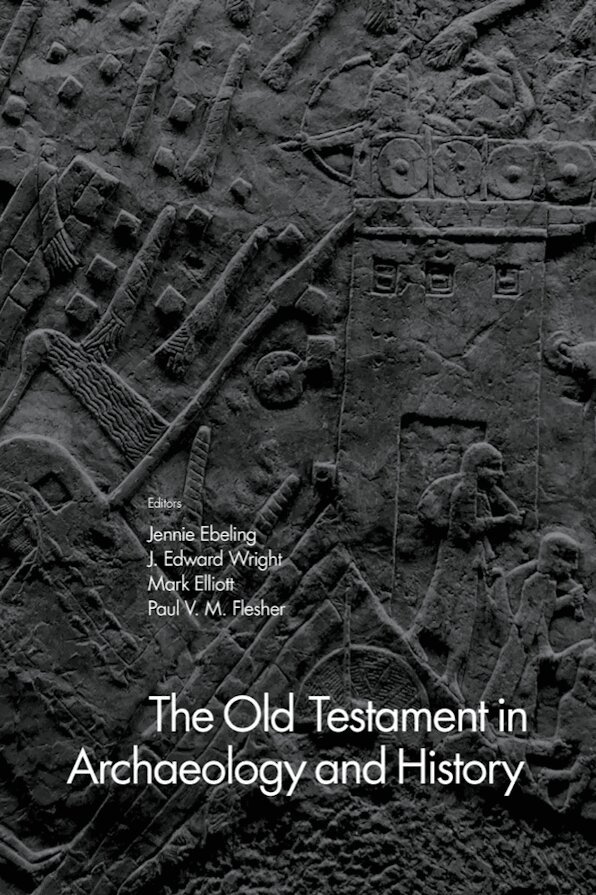
One hundred and fifty years of sustained archaeological investigation has yielded a more complete picture of the ancient Near East. The Old Testament in Archaeology and History combines the most significant of these archaeological findings with those of modern historical and literary analysis of the Bible to recount the history of ancient Israel and its neighboring nations and empires. Eighteen international authorities contribute chapters to this introductory volume. After exploring the history of modern archaeological research in the Near East and the evolution of ""biblical archaeology"" as a discipline, this textbook follows the Old Testament's general chronological order, covering such key aspects as the exodus from Egypt, Israel's settlement in Canaan, the rise of the monarchy under David and Solomon, the period of the two kingdoms and their encounters with Assyrian power, the kingdoms' ultimate demise, the exile of Judahites to Babylonia, and the Judahites' return to Jerusalem under the Persians along with the advent of ""Jewish"" identity. Each chapter is tailored for an audience new to the history of ancient Israel in its biblical and ancient Near Eastern setting. The end result is an introduction to ancient Israel combined with and illuminated by more than a century of archaeological research. The volume brings together the strongest results of modern research into the biblical text and narrative with archaeological and historical analysis to create an understanding of ancient Israel as a political and religious entity based on the broadest foundation of evidence. This combination of literary and archaeological data provides new insights into the complex reality experienced by the peoples reflected in the biblical narratives.
964 kr
Skickas inom 10-15 vardagar
One hundred and fifty years of sustained archaeological investigation has yielded a more complete picture of the ancient Near East. The Old Testament in Archaeology and History combines the most significant of these archaeological findings with those of modern historical and literary analysis of the Bible to recount the history of ancient Israel and its neighboring nations and empires. Eighteen international authorities contribute chapters to this introductory volume. After exploring the history of modern archaeological research in the Near East and the evolution of ""biblical archaeology"" as a discipline, this textbook follows the Old Testament's general chronological order, covering such key aspects as the exodus from Egypt, Israel's settlement in Canaan, the rise of the monarchy under David and Solomon, the period of the two kingdoms and their encounters with Assyrian power, the kingdoms' ultimate demise, the exile of Judahites to Babylonia, and the Judahites' return to Jerusalem under the Persians along with the advent of ""Jewish"" identity. Each chapter is tailored for an audience new to the history of ancient Israel in its biblical and ancient Near Eastern setting. The end result is an introduction to ancient Israel combined with and illuminated by more than a century of archaeological research. The volume brings together the strongest results of modern research into the biblical text and narrative with archaeological and historical analysis to create an understanding of ancient Israel as a political and religious entity based on the broadest foundation of evidence. This combination of literary and archaeological data provides new insights into the complex reality experienced by the peoples reflected in the biblical narratives.
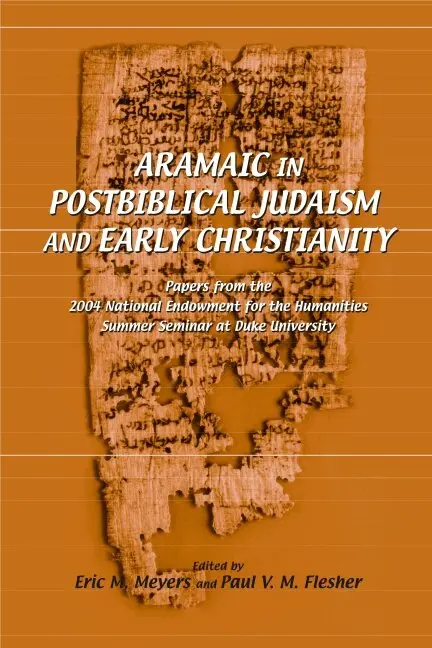
Aramaic in Postbiblical Judaism and Early Christianity
Papers from the 2004 National Endowment for the Humanities Summer Seminar at Duke University
Inbunden, Engelska, 2010
649 kr
Skickas inom 11-20 vardagar
From the 700s B.C.E. to the late 300s B.C.E., Aramaic was the international language of the ancient Near East. With the arrival of Alexander the Great in the 300s, Greek supplanted Aramaic, but Aramaic did not disappear. Although it gradually broke apart into dialects, in many regions of the former Persian Empire, Aramaic became the lingua franca of peoples in the regions of Palestine, Syria, and Mesopotamia. As a result, a wealth of important works were written in Aramaic and have survived, from apocryphal and rabbinic texts to numerous translations of Scripture (targumim) and liturgical texts, as well as legal documents, letters, and inscriptions. In the decades following the destruction of Jerusalem and its Temple in 70 C.E. and the failure of the Bar Kokhba Revolt in 135, large numbers of Jews migrated from Palestine to Babylonia. One of the three dialects of Aramaic used in Babylonia eventually formed the linguistic basis for the Babylonian Talmud, along with Hebrew.In Syria and northern Mesopotamia, Aramaic also developed into an important local language called Syriac. As Christianity began to grow, especially after its legalization under Constantine in the fourth century, Syriac took on a new role. While most Christians in the Mediterranean world adopted Latin and/or Greek for religious purposes, those in Syria used Syriac, and it played a major role in the formation of Christianity in the lands nearest its origins during its first millennium. The churches translated Scripture into Syriac, as well as using the language for commentaries, sermons, and liturgical works.The essays in this fine volume came into being during a six-week residential seminar in the summer of 2004 held at Duke University and directed by the editors. The seminar focused on Aramaic in postbiblical Judaism and early Christianity and was sponsored by the National Endowment for the Humanities. The important essays included here were written as a result of that seminar. Most were written in residence, and all were done in discussion with the seminar’s participants and stellar faculty, which in addition to Eric Meyers and Paul Flesher included Lucas Van Rompay, Michael Sokoloff, Douglas Gropp, Tina Shepardson, and Hayim Lapin. The essays are arranged in engaging three sections: Awakening Sleeping Texts, the Details of Language, and Recasting: Making Old Texts New.
725 kr
Skickas inom 11-20 vardagar
The value and significance of the targums - translations of the Hebrew Bible into Aramaic, the language of Palestinian Jews for centuries following the Babylonian Exile - lie in their approach to translation: within a typically literal rendering of a text, they incorporate extensive exegetical material, additions, and paraphrases. These alterations reveal important information about Second Temple Judaism, its interpretation of its bible, and its beliefs.This remarkable survey introduces critical knowledge and insights that have emerged over the past forty years, including targum manuscripts discovered this century and targums known in Aramaic but only recently translated into English. Prolific scholars Flesher and Chilton guide readers in understanding the development of the targums, their relationship to the Hebrew Bible, their dates, their language, their place in the history of Christianity and Judaism, and their theologies and methods of interpretation.