Paula A. Desmond - Böcker
Visar alla böcker från författaren Paula A. Desmond. Handla med fri frakt och snabb leverans.
4 produkter
4 produkter
915 kr
Skickas inom 10-15 vardagar
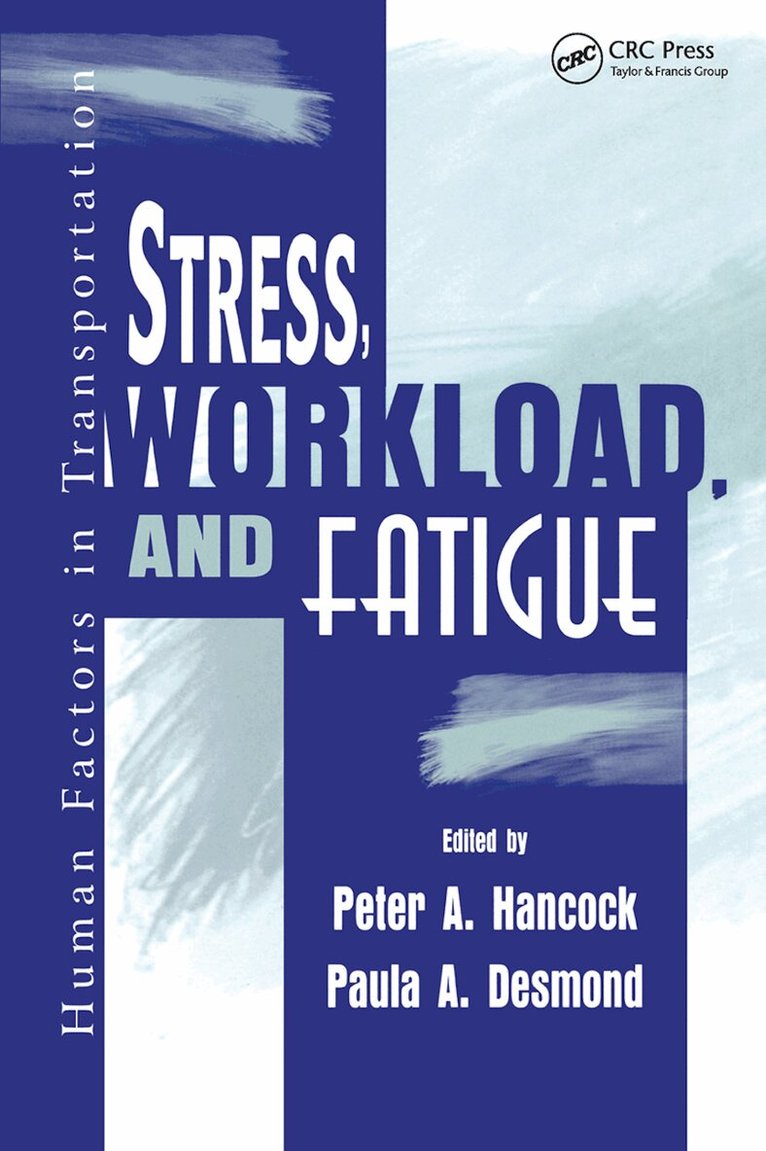
The purpose of this volume is to seek out, describe, and explain the shared commonalities of stress, fatigue, and workload. To understand and predict human performance response, we have to reach beyond the sterile, information-processing models to incorporate the emotive, affective, or more generally, energetic aspects of cognition. These facets of behavior surface most readily when the individual acts under stress, is faced by significant cognitive workload, or is in the grip of fatigue. However, energetic characteristics are pervasive and exert a vital and ubiquitous influence, even when they are not obviously in play as in extreme circumstances. Indeed, one cannot hope to understand behavior without their inclusion and integration into models and theories. This text addresses such theoretical questions as one of its main thrusts. However, in addition to the drive for scientific understanding, there are requirements in our progressively more utilitarian society which generate the need for a more fundamental understanding of this particular topic.
2 155 kr
Skickas inom 10-15 vardagar
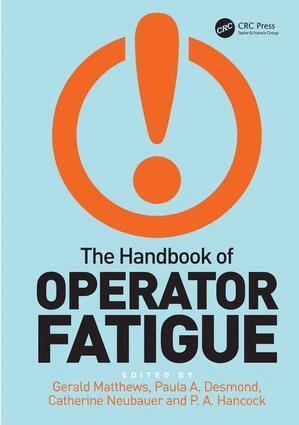
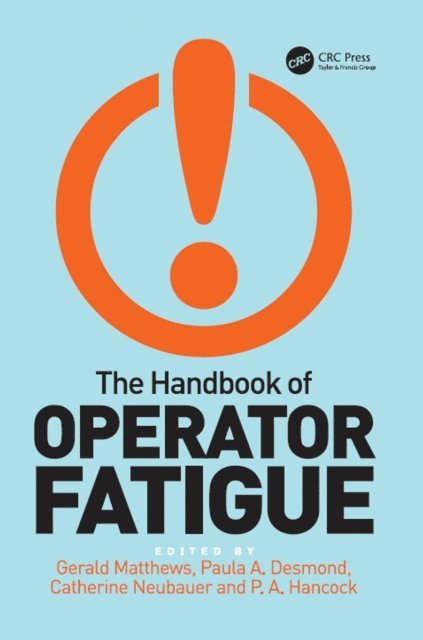
Fatigue is a recognized problem in many facets of the human enterprise. It is not confined to any one area of activity but enters all situations in which humans have to perform for extended intervals of time. Most problematic are the circumstances in which obligatory action is continuous and the results of failure are evidently serious or even catastrophic. Therefore, the modern media especially highlights fatigue-related failures in industries such as transportation, materials processing and healthcare. It can be, and indeed is, no coincidence that most of the spectacular failures in process control that have resulted in the world's largest industrial accidents have occurred in the small hours of the morning when the circadian rhythm is lowest and operator fatigue itself peaks. While there have been legislative efforts made at state, federal and international levels to regulate working hours of employees, the appropriate implementation of such legislation is still a long way off. The Handbook of Operator Fatigue provides a comprehensive account of the subject to serve as the definitive reference work for researchers, students and practitioners alike. The volume features 30 chapters written by experts from around the world to address each important facet of fatigue, including: the scale of the fatigue problem (Section I), the nature of fatigue (Section II), how to assess fatigue (Section III), the impact of fatigue on health (Section IV), fatigue in the workplace (Section V), the neurological basis of fatigue (VI), sleep disorders (VII), and the design of countermeasures to fatigue (VIII).
2 878 kr
Skickas inom 10-15 vardagar
The purpose of this volume is to seek out, describe, and explain the shared commonalities of stress, fatigue, and workload. To understand and predict human performance response, we have to reach beyond the sterile, information-processing models to incorporate the emotive, affective, or more generally, energetic aspects of cognition. These facets of behavior surface most readily when the individual acts under stress, is faced by significant cognitive workload, or is in the grip of fatigue. However, energetic characteristics are pervasive and exert a vital and ubiquitous influence, even when they are not obviously in play as in extreme circumstances. Indeed, one cannot hope to understand behavior without their inclusion and integration into models and theories. This text addresses such theoretical questions as one of its main thrusts. However, in addition to the drive for scientific understanding, there are requirements in our progressively more utilitarian society which generate the need for a more fundamental understanding of this particular topic.
861 kr
Skickas inom 10-15 vardagar
Fatigue is a recognized problem in many facets of the human enterprise. It is not confined to any one area of activity but enters all situations in which humans have to perform for extended intervals of time. Most problematic are the circumstances in which obligatory action is continuous and the results of failure are evidently serious or even catastrophic. Therefore, the modern media especially highlights fatigue-related failures in industries such as transportation, materials processing and healthcare. It can be, and indeed is, no coincidence that most of the spectacular failures in process control that have resulted in the world's largest industrial accidents have occurred in the small hours of the morning when the circadian rhythm is lowest and operator fatigue itself peaks. While there have been legislative efforts made at state, federal and international levels to regulate working hours of employees, the appropriate implementation of such legislation is still a long way off. The Handbook of Operator Fatigue provides a comprehensive account of the subject to serve as the definitive reference work for researchers, students and practitioners alike. The volume features 30 chapters written by experts from around the world to address each important facet of fatigue, including: the scale of the fatigue problem (Section I), the nature of fatigue (Section II), how to assess fatigue (Section III), the impact of fatigue on health (Section IV), fatigue in the workplace (Section V), the neurological basis of fatigue (VI), sleep disorders (VII), and the design of countermeasures to fatigue (VIII).