Paula Meth - Böcker
Visar alla böcker från författaren Paula Meth. Handla med fri frakt och snabb leverans.
4 produkter
4 produkter
2 711 kr
Skickas inom 10-15 vardagar
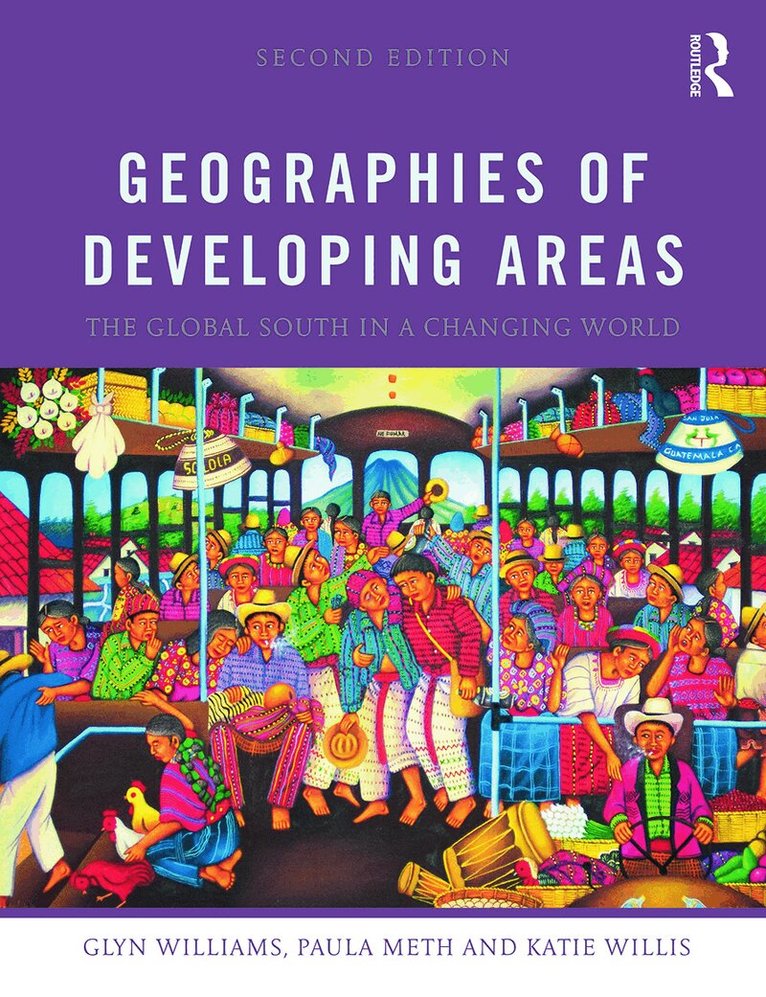
Geographies of Developing Areas is a thought provoking and accessible introductory text, presenting a fresh view of the Global South that challenges students' pre-conceptions and promotes lively debate. Rather than presenting the Global South as a set of problems, from rapid urbanization to poverty, this book focuses on the diversity of life in the South, and looks at the role the South plays in shaping and responding to current global change. The core contents of the book integrate 'traditional' concerns of development geographers, such as economic development and social inequality, with aspects of the global South that are usually given less attention, such as cultural identity and political conflict.This edition has been fully updated to reflect recent changes in the field and highlight issues of security, risk and violence; environmental sustainability and climate change; and the impact of ICT on patterns of North-South and South-South exchange. It also challenges students to think about how space is important in both the directions and the outcomes of change in the Global South, emphasizing the inherently spatial nature of political, economic and socio-cultural processes. Students are introduced to the Global South via contemporary debates in development and current research in cultural, economic and political geographies of developing areas. The textbook consider how images of the so-called 'Third World' are powerful, but problematic. It explores the economic, political and cultural processes shaping the South at the global scale and the impact that these have on people's lives and identities. Finally, the text considers the possibilities and limitations of different development strategies.The main arguments of the book are richly illustrated through case study material drawn from across the Global South as well as full colour figures and photos. Students are supported throughout with clear examples, explanations of key terms, ideas and debates, and introductions to the wider literature and relevant websites in the field. The pedagogical features of the book have been further developed through discussion questions and activities that provide focused tasks for students' research, including investigation based around the book's case studies, and in-depth exploration of debates and concepts it introduces.
1 208 kr
Skickas inom 10-15 vardagar
Geographies of Developing Areas is a thought provoking and accessible introductory text, presenting a fresh view of the Global South that challenges students' pre-conceptions and promotes lively debate. Rather than presenting the Global South as a set of problems, from rapid urbanization to poverty, this book focuses on the diversity of life in the South, and looks at the role the South plays in shaping and responding to current global change. The core contents of the book integrate 'traditional' concerns of development geographers, such as economic development and social inequality, with aspects of the global South that are usually given less attention, such as cultural identity and political conflict.This edition has been fully updated to reflect recent changes in the field and highlight issues of security, risk and violence; environmental sustainability and climate change; and the impact of ICT on patterns of North-South and South-South exchange. It also challenges students to think about how space is important in both the directions and the outcomes of change in the Global South, emphasizing the inherently spatial nature of political, economic and socio-cultural processes. Students are introduced to the Global South via contemporary debates in development and current research in cultural, economic and political geographies of developing areas. The textbook consider how images of the so-called 'Third World' are powerful, but problematic. It explores the economic, political and cultural processes shaping the South at the global scale and the impact that these have on people's lives and identities. Finally, the text considers the possibilities and limitations of different development strategies.The main arguments of the book are richly illustrated through case study material drawn from across the Global South as well as full colour figures and photos. Students are supported throughout with clear examples, explanations of key terms, ideas and debates, and introductions to the wider literature and relevant websites in the field. The pedagogical features of the book have been further developed through discussion questions and activities that provide focused tasks for students' research, including investigation based around the book's case studies, and in-depth exploration of debates and concepts it introduces.
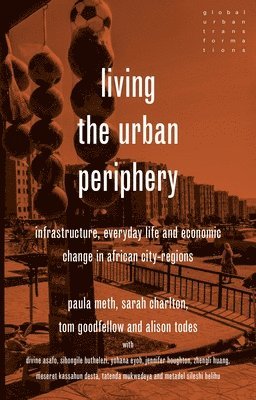
Living the urban periphery
Infrastructure, everyday life and economic change in African city-regions
Inbunden, Engelska, 2024
1 886 kr
Skickas inom 3-6 vardagar
The edges of cities are increasingly understood as places of dynamism and change, but there is little research on African urban peripheries, the nature of building, growth, investment and decline that is shaping them and how these are lived. This co-authored monograph draws on findings from an extensive comparative study on Ethiopia and South Africa, in conversation with a related study on Ghana. It examines African urban peripheries through a dual focus on the experiences of living in these changing contexts, alongside the logics driving their transformation. Through its conceptualisation and application of five ‘logics of periphery’, it offers unique, contextually-informed insights into the generic processes shaping urban peripheries, and the variable ways in which these are playing out in contemporary Africa for those living the peripheries.This electronic version has been made freely available under a Creative Commons (CC BY-NC-ND) licence, thanks to the support of the Economic and Social Research Council (ESRC).
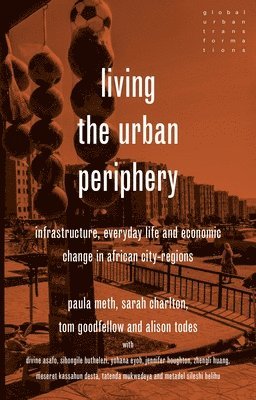
Living the urban periphery
Infrastructure, everyday life and economic change in African city-regions
Häftad, Engelska, 2026
346 kr
Kommande
The edges of cities are increasingly understood as places of dynamism and change, but there is little research on African urban peripheries, the nature of building, growth, investment and decline that is shaping them and how these are lived. This co-authored monograph draws on findings from an extensive comparative study on Ethiopia and South Africa, in conversation with a related study on Ghana. It examines African urban peripheries through a dual focus on the experiences of living in these changing contexts, alongside the logics driving their transformation. Through its conceptualisation and application of five ‘logics of periphery’, it offers unique, contextually-informed insights into the generic processes shaping urban peripheries, and the variable ways in which these are playing out in contemporary Africa for those living the peripheries.This electronic version has been made freely available under a Creative Commons (CC BY-NC-ND) licence, thanks to the support of the Economic and Social Research Council (ESRC).