Pelin Kıvrak – författare
Visar alla böcker från författaren . Handla med fri frakt och snabb leverans.
3 produkter
3 produkter
Inbunden, Engelska, 2024
1 393 kr
Skickas inom 5-8 vardagar
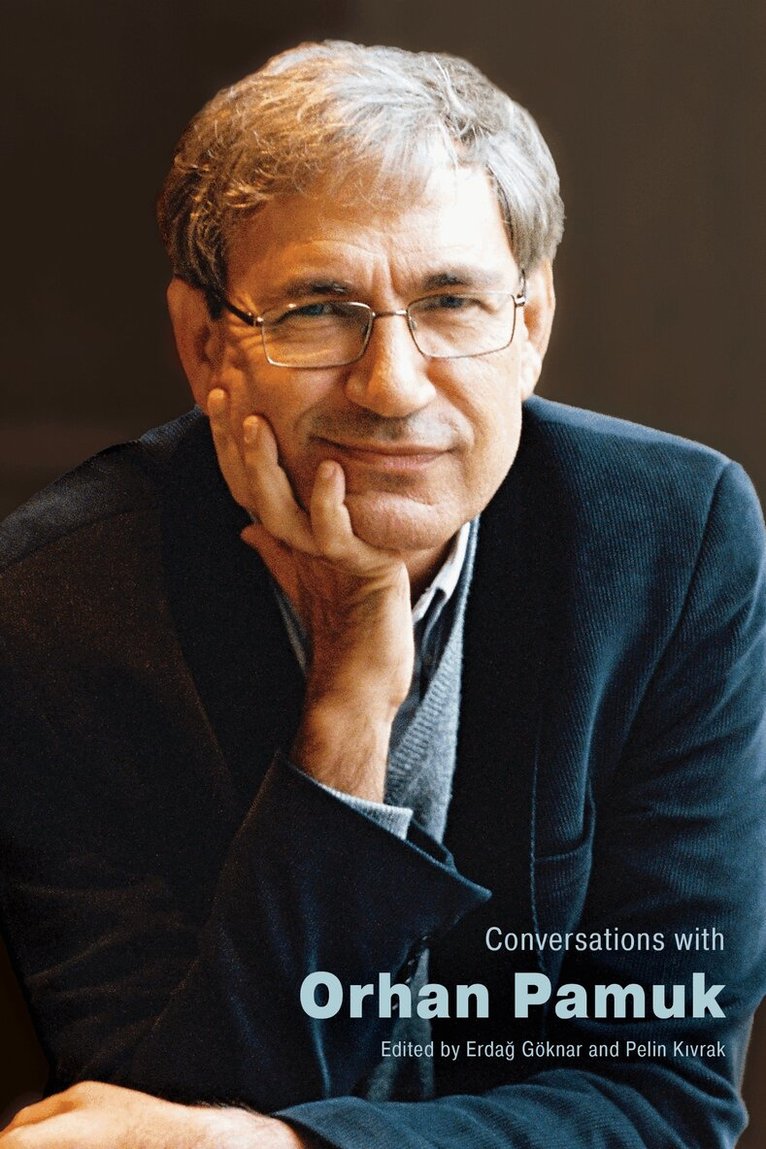
In over thirty interviews ranging from 1982 until 2022, Conversations with Orhan Pamuk reveals a writer of intense literary and political engagement. Nobel Laureate Orhan Pamuk (b. 1952) is a foremost practitioner of the global novel today. His work, informed by Turkish and world literary canons, has been translated into over sixty languages and sold over fifteen million copies globally.This volume presents an alternative literary history that traces the dominant themes of the author’s oeuvre. As the interviews show, Pamuk’s work makes allusions to literary texts from Eastern and Western traditions in a hybrid manner. Furthermore, Pamuk writes on the fault line between historical and literary idioms, playing with genres like a painter does with colors, interweaving romance, detective story, murder mystery, mythology, and autobiography. The interviews establish that a Pamuk novel is predicated on methodical research, at times archival and scholarly, investigative and journalistic, or ethnographic. One could say the Pamuk novel is method. His fictions are constructed through intricate clockwork and delve into, for example, specialized knowledge of an Ottoman historical era, Islamic miniature painting, coups, museums, Istanbul street vendors, conspiracy, and plagues. Pamuk’s interviews, in turn, are necessarily instructive and edifying as much as they are entertaining, opening windows onto the novelist's everyday life, craft, and process.
Häftad, Engelska, 2024
370 kr
Skickas inom 5-8 vardagar
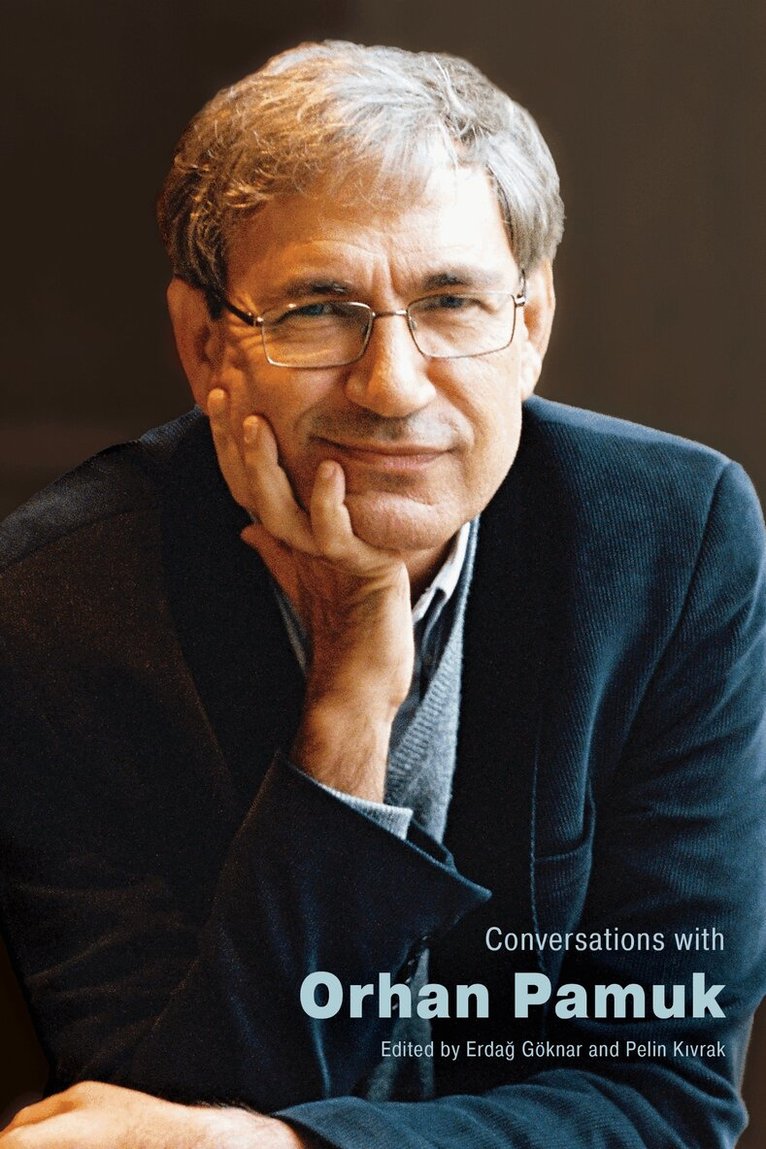
In over thirty interviews ranging from 1982 until 2022, Conversations with Orhan Pamuk reveals a writer of intense literary and political engagement. Nobel Laureate Orhan Pamuk (b. 1952) is a foremost practitioner of the global novel today. His work, informed by Turkish and world literary canons, has been translated into over sixty languages and sold over fifteen million copies globally.This volume presents an alternative literary history that traces the dominant themes of the author’s oeuvre. As the interviews show, Pamuk’s work makes allusions to literary texts from Eastern and Western traditions in a hybrid manner. Furthermore, Pamuk writes on the fault line between historical and literary idioms, playing with genres like a painter does with colors, interweaving romance, detective story, murder mystery, mythology, and autobiography. The interviews establish that a Pamuk novel is predicated on methodical research, at times archival and scholarly, investigative and journalistic, or ethnographic. One could say the Pamuk novel is method. His fictions are constructed through intricate clockwork and delve into, for example, specialized knowledge of an Ottoman historical era, Islamic miniature painting, coups, museums, Istanbul street vendors, conspiracy, and plagues. Pamuk’s interviews, in turn, are necessarily instructive and edifying as much as they are entertaining, opening windows onto the novelist's everyday life, craft, and process.
Inbunden, Engelska, 2026
642 kr
Kommande
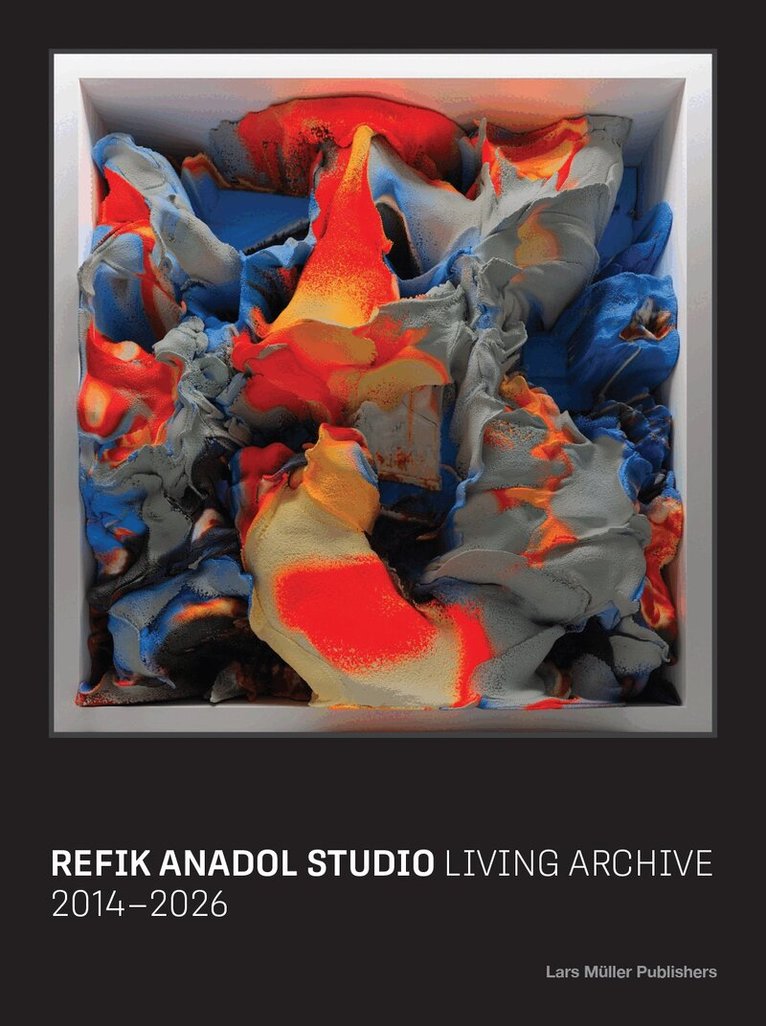
Over the past decade, Refik Anadol Studio has redefined the possibilities of media art at the intersection of aesthetics, data and machine intelligence. Since its founding in 2014, the studio has pioneered the use of custom artificial intelligence models trained on vast datasets drawn from nature, urban life and cultural memory to create generative realities that merge art, architecture, science and technology. From weather patterns and ocean currents to city archives, museum collections and brain scans, the studio transforms raw data into monumental visual experiences that expand the vocabulary of contemporary art. This book offers the first comprehensive chronicle of this trajectory, tracing more than ten years of innovation in data sculpture, AI-driven visualization and large-scale immersive installations. The publication situates the studio’s projects within a wider cultural and technological history and features essays by leading figures in architecture, media art and artificial intelligence, as well as reflections from researchers and museum collaborators closely involved in the realization of these projects. Conceived as both a record and a projection, the book captures the evolution of a practice that is both technologically speculative and deeply humanistic.