Per-Olof Wickman – författare
796 kr
Skickas inom 10-15 vardagar
2 185 kr
Skickas inom 10-15 vardagar
796 kr
Skickas inom 10-15 vardagar
2 117 kr
Skickas inom 10-15 vardagar
2 117 kr
Skickas inom 10-15 vardagar
633 kr
Kommande
883 kr
Läs direkt efter köp
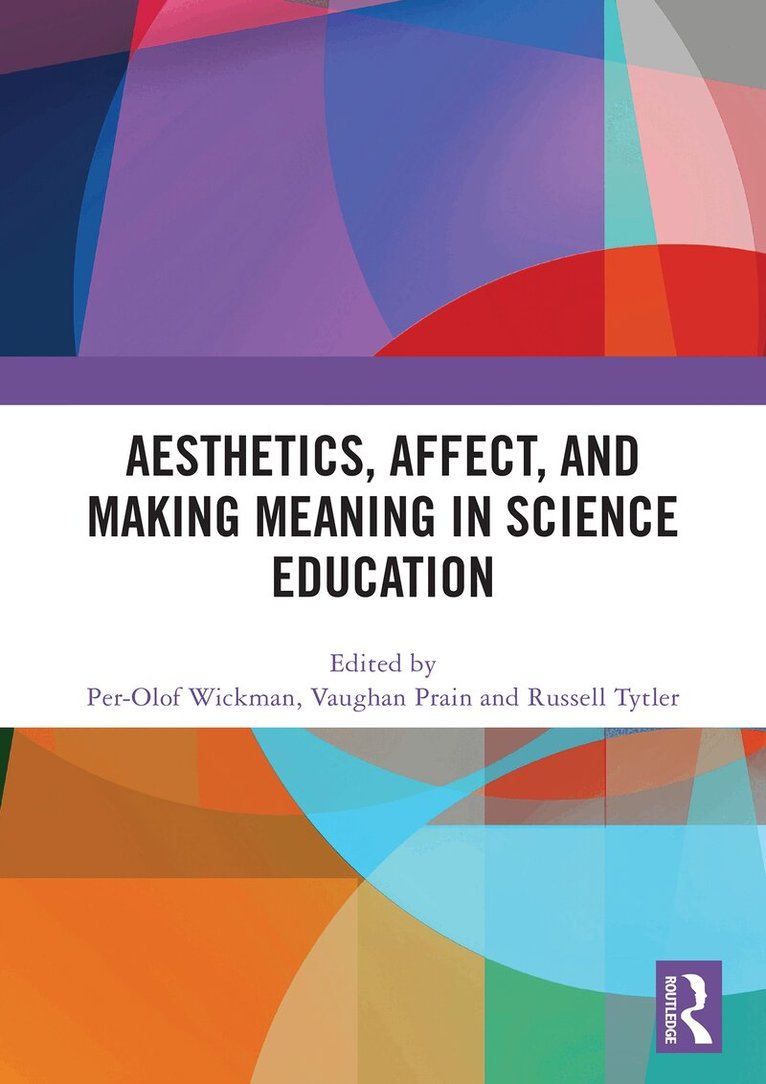
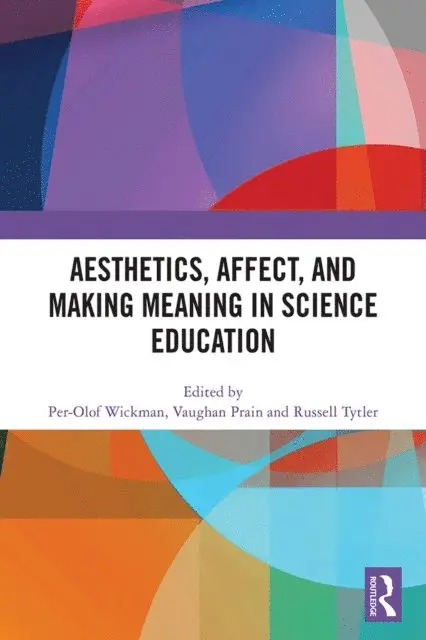
This book offers novel approaches, theoretical insights and results on the development of students’ and teachers’ interest in science as situated learning. It argues for the importance of the affective and emotional dimensions of teaching and learning in STEM classrooms in parallel to the cognitive dimensions.
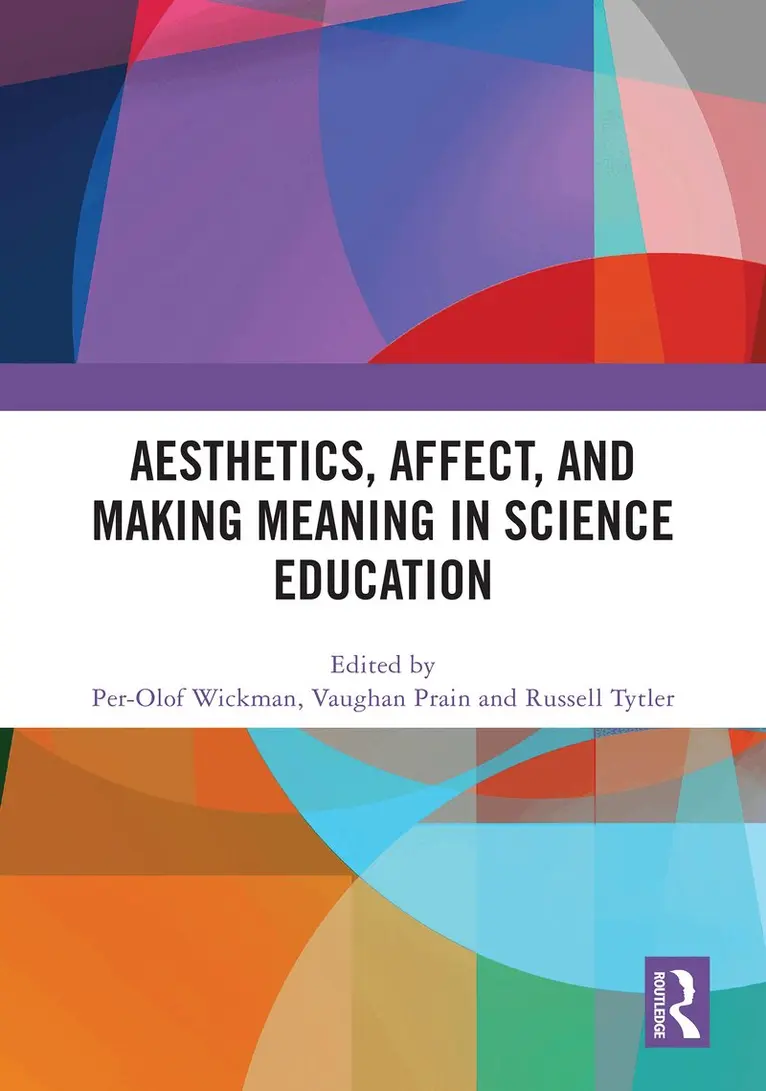
Contributions to this book examine aesthetics, aesthetic judgement, and aesthetic experience in science education from the perspectives of researchers and practitioners and make a case for integrating aesthetics and affective experiences in science education teaching and learning research and practice. They explore how an aesthetics of science can empirically be observed to take shape through classroom interactions and how such interactions influence learning and how science is valued in aesthetic terms in relation to other practices. The research studies featured in this book span from preschool to undergraduate students, and also include a theoretical contribution reviewing and synthesising the methodological contributions to this volume. They draw on recent theoretical, methodological and empirical advances on the role of aesthetic experience for learning science. These new developments are used to investigate how a disciplinary aesthetics of science can be developed and can meet that of other subjects, and how these various aesthetic practices may be generatively dovetailed for the benefit of learning science and developing an interest in science. This book''s contribution extends beyond the fields of science education research. Its insights can assist policymakers, instructional designers, and teacher educators in considering emotional aspects of learning and values more generally when implementing strategies to foster meaning-making alongside sense-making. It was originally published as a special issue of the International Journal of Science Education.
883 kr
Läs direkt efter köp
This book offers novel approaches, theoretical insights and results on the development of students’ and teachers’ interest in science as situated learning. It argues for the importance of the affective and emotional dimensions of teaching and learning in STEM classrooms in parallel to the cognitive dimensions.
Contributions to this book examine aesthetics, aesthetic judgement, and aesthetic experience in science education from the perspectives of researchers and practitioners and make a case for integrating aesthetics and affective experiences in science education teaching and learning research and practice. They explore how an aesthetics of science can empirically be observed to take shape through classroom interactions and how such interactions influence learning and how science is valued in aesthetic terms in relation to other practices. The research studies featured in this book span from preschool to undergraduate students, and also include a theoretical contribution reviewing and synthesising the methodological contributions to this volume. They draw on recent theoretical, methodological and empirical advances on the role of aesthetic experience for learning science. These new developments are used to investigate how a disciplinary aesthetics of science can be developed and can meet that of other subjects, and how these various aesthetic practices may be generatively dovetailed for the benefit of learning science and developing an interest in science. This book''s contribution extends beyond the fields of science education research. Its insights can assist policymakers, instructional designers, and teacher educators in considering emotional aspects of learning and values more generally when implementing strategies to foster meaning-making alongside sense-making. It was originally published as a special issue of the International Journal of Science Education.
915 kr
Läs direkt efter köp
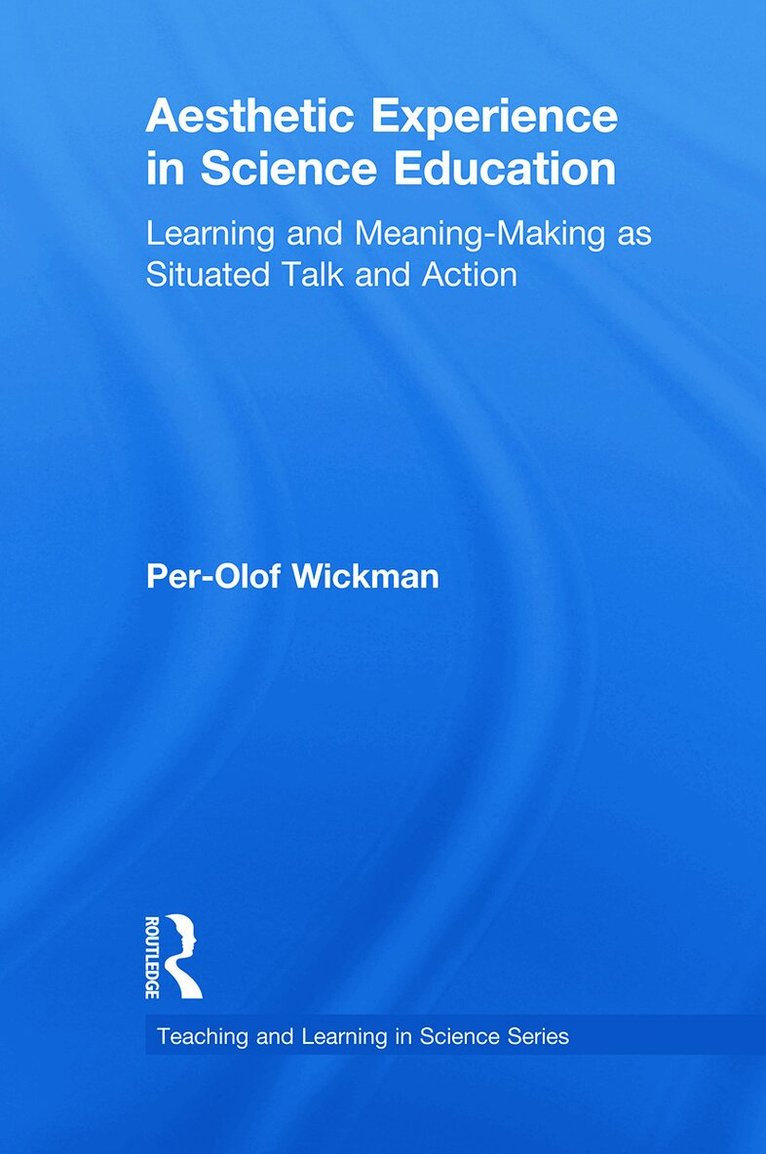
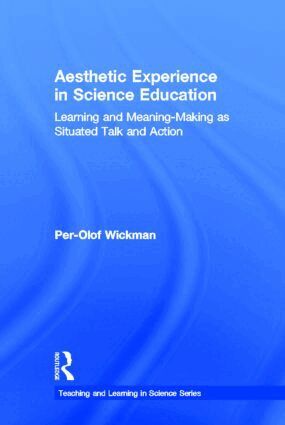
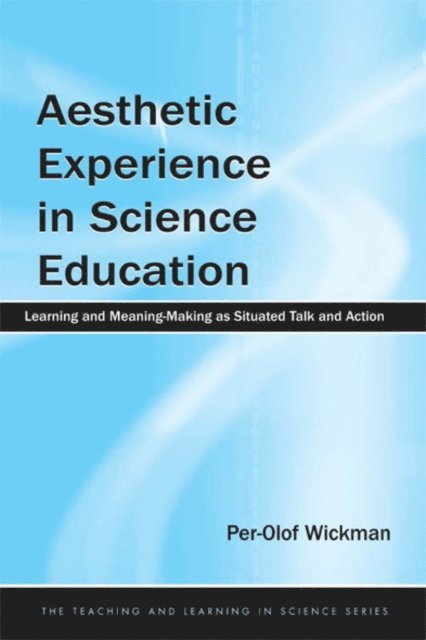
This book examines the role of aesthetic experience in learning science and in science education from the perspective of knowledge as action and language use. The theoretical underpinnings are based on the writings of John Dewey and Ludwig Wittgenstein. In their spirit aesthetics is examined as it appears in the lives of people and how it relates to the activities in which they are involved.Centered around an empirical analysis of how students and their teachers use aesthetic language and acts during laboratory and field work, the book demonstrates that aesthetics is something that is constantly talked about in science class and that these aesthetic experiences are intimately involved in learning science. These empirical findings are related to current debates about the relation between aesthetics and science, and about motivation, participation, learning and socio-cultural issues in science education. This book features:*an empirical demonstration of the importance and specific roles of aesthetic experiences in learning science;*a novel contribution to the current debate on how to understand motivation, participation and learning; and*a new methodology of studying learning in action.Part I sketches out the theoretical concepts of Wickman''s practical epistemology analysis of the fundamental role of aesthetics in science and science education. Part II develops these concepts through an analysis of the use of aesthetic judgments when students and teachers are talking in university science classes. Part III sums up the general implications of the theoretical underpinnings and empirical findings for teaching and learning science. Here Wickman expands the findings of his study beyond the university setting to K-8 school science, and explicates what it would mean to make science education more aesthetically meaningful.Wickman''s conclusions deal to a large extent with aesthetic experience as individual transformation and with people''s prospects for participation in an activity such as science education. These conclusions have significance beyond science teaching and learning that should be of concern to educators generally. This book is intended for educational researchers, graduate students, and teacher educators in science education internationally, as well as those interested in aesthetics, philosophy of education, discourse analysis, socio-cultural issues, motivation, learning and meaning-making more generally.
923 kr
Läs direkt efter köp
This book examines the role of aesthetic experience in learning science and in science education from the perspective of knowledge as action and language use. The theoretical underpinnings are based on the writings of John Dewey and Ludwig Wittgenstein. In their spirit aesthetics is examined as it appears in the lives of people and how it relates to the activities in which they are involved.Centered around an empirical analysis of how students and their teachers use aesthetic language and acts during laboratory and field work, the book demonstrates that aesthetics is something that is constantly talked about in science class and that these aesthetic experiences are intimately involved in learning science. These empirical findings are related to current debates about the relation between aesthetics and science, and about motivation, participation, learning and socio-cultural issues in science education. This book features:*an empirical demonstration of the importance and specific roles of aesthetic experiences in learning science;*a novel contribution to the current debate on how to understand motivation, participation and learning; and*a new methodology of studying learning in action.Part I sketches out the theoretical concepts of Wickman''s practical epistemology analysis of the fundamental role of aesthetics in science and science education. Part II develops these concepts through an analysis of the use of aesthetic judgments when students and teachers are talking in university science classes. Part III sums up the general implications of the theoretical underpinnings and empirical findings for teaching and learning science. Here Wickman expands the findings of his study beyond the university setting to K-8 school science, and explicates what it would mean to make science education more aesthetically meaningful.Wickman''s conclusions deal to a large extent with aesthetic experience as individual transformation and with people''s prospects for participation in an activity such as science education. These conclusions have significance beyond science teaching and learning that should be of concern to educators generally. This book is intended for educational researchers, graduate students, and teacher educators in science education internationally, as well as those interested in aesthetics, philosophy of education, discourse analysis, socio-cultural issues, motivation, learning and meaning-making more generally.
915 kr
Läs direkt efter köp
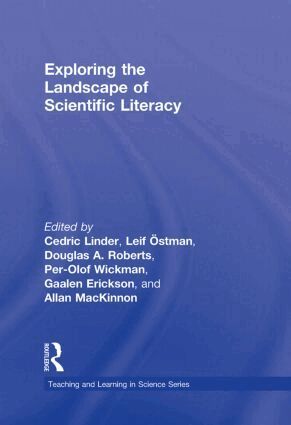
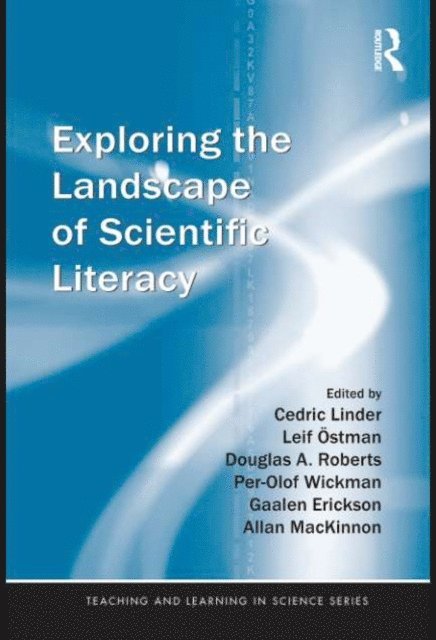
Scientific literacy is part of national science education curricula worldwide. In this volume, an international group of distinguished scholars offer new ways to look at the key ideas and practices associated with promoting scientific literacy in schools and higher education. The goal is to open up the debate on scientific literacy, particularly around the tension between theoretical and practical issues related to teaching and learning science. Uniquely drawing together and examining a rich, diverse set of approaches and policy and practice exemplars, the book takes a pragmatic and inclusive perspective on curriculum reform and learning, and presents a future vision for science education research and practice by articulating a more expansive notion of scientific literacy.
915 kr
Läs direkt efter köp
Scientific literacy is part of national science education curricula worldwide. In this volume, an international group of distinguished scholars offer new ways to look at the key ideas and practices associated with promoting scientific literacy in schools and higher education. The goal is to open up the debate on scientific literacy, particularly around the tension between theoretical and practical issues related to teaching and learning science. Uniquely drawing together and examining a rich, diverse set of approaches and policy and practice exemplars, the book takes a pragmatic and inclusive perspective on curriculum reform and learning, and presents a future vision for science education research and practice by articulating a more expansive notion of scientific literacy.
863 kr
Skickas
Svar på frågorna
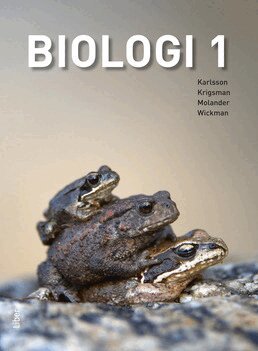
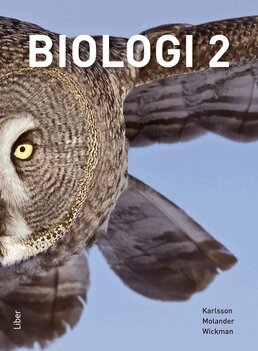
Biologi för gymnasieskolan täcker kurs 1 och 2 i biologi. Ett evolutionärt perspektiv präglar innehållet i böckerna. Texterna är resonerande och rika på exempel, så att läsaren lättare förstår biologiska mekanismer. Varje avsnitt inleds med en översikt och avslutas med frågor och en begreppskarta. I slutet av böckerna finns ordförklaringar. Läromedlet är ett utmärkt val för dem som satsar på fortsatta studier i medicin, biologi eller andra naturvetenskapliga ämnen. I serien ingår också lärarhandledningar och onlineböcker.
Utmärkande dragUtförliga texter med möjlighet till både urval och fördjupningInledande översikt i början av varje avsnittSammanfattningar i form av begreppskartor
Biologi 1Biologi 1 inleds med ekologi, som sedan naturligt glider över i hållbar utveckling. Cellers byggnad förbereder sedan för Cellens genetik med genteknik och Individens genetik, som lägger grunden för evolutionskapitlet. I kapitlen Etologi och beteendeekologi samt Organismernas släktskap och ekologi utforskas livets mångfald både i beteenden och former. Innehållet är omfattande vilket ger möjlighet till urval och fördjupning. Finns även som Onlinebok.
LärarhandledningarnaVi har gemensamma lärarhandledningar till våra två biologiserier. Dessa finns som nedladdningsbara filer och innehåller följande:kommentarer till delområdena i kurserna Biologi 1 och Biologi 2.teoretiska och praktiska övningarlaborationermikroskoperingsförslag (bara i lärarhandledningen till Biologi 2)svar på frågorna i böckerna
Materialet motsvarar ca 350 A4-sidor i Biologi 1-handledningen och ca 450 A4-sidor i Biologi 2-handledningen.
Om författarnaPer-Olof Wickman är professor i didaktik vid Institutionen för utbildningsvetenskap med inriktning mot matematik och naturvetenskap vid Stockholms universitet. Hans forskning om lärande i naturvetenskapliga ämnen är internationellt uppmärksammad. Blev ordförande i Skolforskningsnämnden 2015.
889 kr
Skickas
Biologi för gymnasieskolan täcker kurs 1 och 2 i biologi. Ett evolutionärt perspektiv präglar innehållet i böckerna. Texterna är resonerande och rika på exempel, så att läsaren lättare förstår biologiska mekanismer. Varje avsnitt inleds med en översikt och avslutas med frågor och en begreppskarta. I slutet av böckerna finns ordförklaringar. Läromedlet är ett utmärkt val för dem som satsar på fortsatta studier i medicin, biologi eller andra naturvetenskapliga ämnen. I serien ingår också lärarhandledningar och onlineböcker.Biologi för gymnasieskolan täcker kurs 1 och 2 i biologi. Ett evolutionärt perspektiv präglar innehållet i böckerna. Texterna är resonerande och rika på exempel, så att läsaren lättare förstår biologiska mekanismer. Varje avsnitt inleds med en översikt och avslutas med frågor och en begreppskarta. I slutet av böckerna finns ordförklaringar. Läromedlet är ett utmärkt val för dem som satsar på fortsatta studier i medicin, biologi eller andra naturvetenskapliga ämnen. I serien ingår också lärarhandledningar och onlineböcker.Läs merUtmärkande drag- Utförliga texter med möjlighet till både urval och fördjupning- Inledande översikt i början av varje avsnitt- Sammanfattningar i form av begreppskartorBiologi 1Biologi 1 inleds med ekologi, som sedan naturligt glider över i hållbar utveckling. Cellers byggnad förbereder sedan för Cellens genetik med genteknik och Individens genetik, som lägger grunden för evolutionskapitlet. I kapitlen Etologi och beteendeekologi samt Organismernas släktskap och ekologi utforskas livets mångfald både i beteenden och former. Innehållet är omfattande vilket ger möjlighet till urval och fördjupning. Finns även som Onlinebok.Biologi 2I första kapitlet fördjupas teorin om cellen, och det omfattar nu även genteknik. Kapitlet om växter och svampar ger en överblick av dessa organismers anatomi och fysiologi. I det mycket omfattande kapitlet Människans fysiologi beskrivs alla organsystem, men fokus ligger på immunförsvaret och nervsystemet. Livsstil och hälsa betonas också. I kapitlet Livscykler beskrivs hur olika organismer klarar fortplantningen, och i sista kapitlet, som är helt nytt, tas olika aspekter på sex och kärlek upp. Innehållet är omfattande vilket medger urval, fördjupning och breddning. Finns även som Onlinebok.LärarhandledningarnaVi har gemensamma lärarhandledningar till våra två biologiserier. Dessa finns som nedladdningsbara filer och innehåller följande:- kommentarer till delområdena i kurserna Biologi 1 och Biologi 2.- teoretiska och praktiska övningar- laborationer- mikroskoperingsförslag (bara i lärarhandledningen till Biologi 2)- svar på frågorna i böckernaMaterialet motsvarar ca 350 A4-sidor i Biologi 1-handledningen och ca 450 A4-sidor i Biologi 2-handledningen.Om författarnaPer-Olof Wickman är professor i didaktik vid Institutionen för utbildningsvetenskap med inriktning mot matematik och naturvetenskap vid Stockholms universitet. Hans forskning om lärande i naturvetenskapliga ämnen är internationellt uppmärksammad. Blev ordförande i Skolforskningsnämnden 2015.