Per Strömbäck – författare
Visar alla böcker från författaren Per Strömbäck. Handla med fri frakt och snabb leverans.
3 produkter
3 produkter
E-bok
Svenska, 201279 kr
Läs direkt efter köp
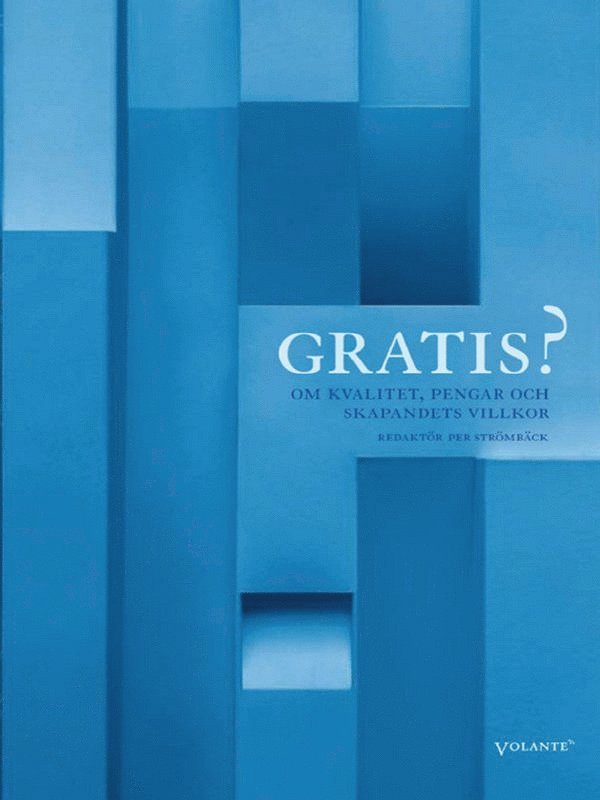
"Det har skrivits spaltmeter om internet, fildelning och upphovsrätt, inte minst på webben", säger Tobias Nielsén, kulturekonom och förläggare. "Men diskussionen har ofta varit polariserad, fastlåst som ett skyttegravskrig. Det är hög tid komma vidare och undersöka marken mellan skyttegravarna. Därför är "Gratis?" en viktig bok." Den här essäsamlingen vill lägga bort utropstecknen och tala bortom särintressen. Därför sätter vi ett frågetecken efter "gratis". Hur ska filmer, dataspel, musik och litteratur bekostas om eller när dagens regelverk slås ut? Vad är värt att skydda och till vilket pris?
E-bok
Svenska, 201299 kr
Läs direkt efter köp
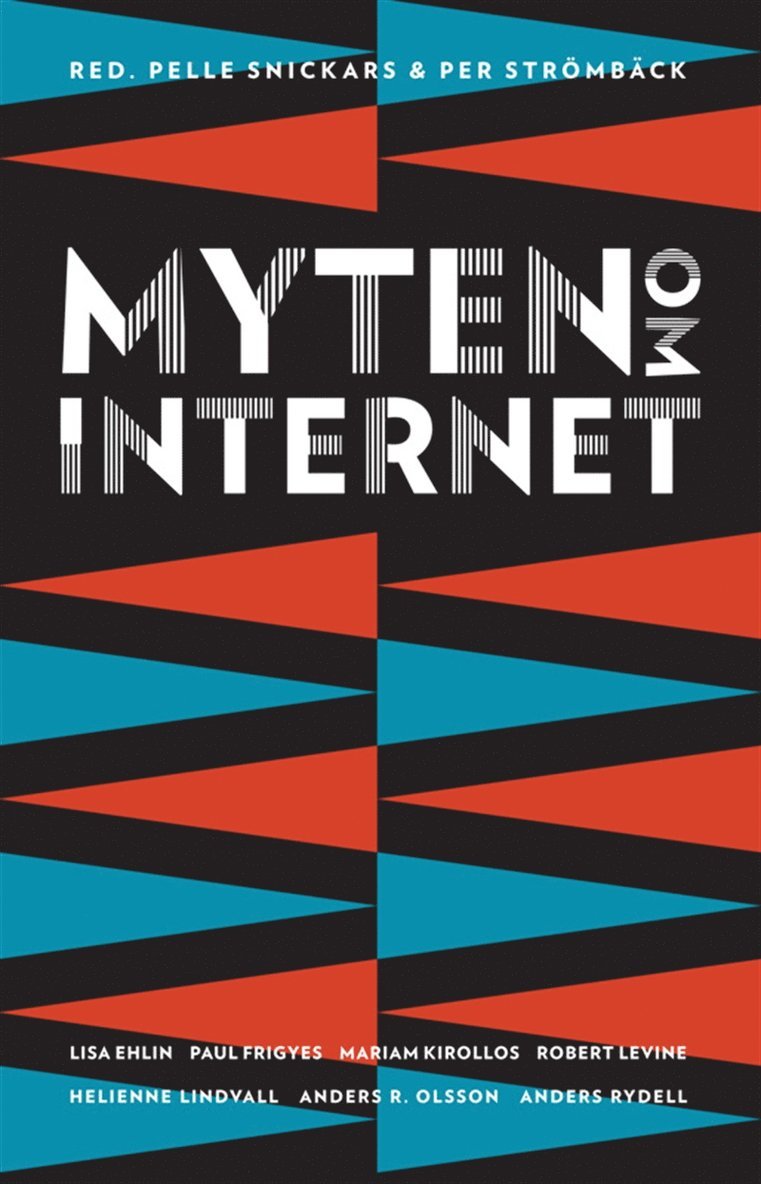
Vilken funktion hade egentligen sociala medier under den arabiska våren? Vilka är den digitala underklassen? Och hur har en handfull teknikföretag i Silicon Valley lyckats sprida ryktet om sig själva som de främsta förespråkarna för kunskap och yttrandefrihet? Internet och vår användning av det förknippas med begrepp som öppenhet, delaktighet och frihet. Men på vems villkor? Internet är på ett plan öppet och fritt, men lika mycket är det skapat av offentliga regleringar, teknik och affärsintressen. I ”Myten om internet” har redaktörerna Pelle Snickars och Per Strömbäck samlat såväl svenska som internationella journalister, författare, forskare och aktivister för att granska några av de myter som skapats i den ständigt aktuella debatten om internet. Bland skribenterna märks egyptiska Mariam Kirollos, aktivist och doktorand, som starkt ifrågasätter hyllningarna av sociala mediers roll i den arabiska våren, och Robert Levine, amerikansk författare och journalist, som utkom med den mycket uppmärksammade boken ”Free Ride” 2011.
E-bok
Engelska79 kr
Läs direkt efter köp
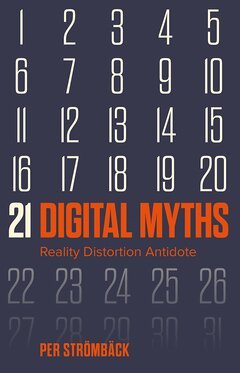
Reality distortion field—originally a phrase used to describe Apple founder Steve Jobs magnetic charisma and ability to convince people of his vision, often seemingly against better judgement. Today, the reality distortion field seems to have expanded from Jobs himself, encompassing many of the Silicon Valley companies and its leaders. Their gospel is enthralling: you can have it all, free communication, free entertainment, on-demand transport, a global audience for your creative expression. There is no charge and in fact you help make the world a better place by digital consumption. Play our cards right, we can live forever and fix death.If that sounds too good to be true, its because it is. These are not necessarily lies, because the people who say them believe most of it. But theyre myths, false conceptions that we have accepted as true. The myths are disseminated through the media, classic or social, by NGOs, internet activists, policy-makers, you and me. The mystery is not why they exist or how they came about. The mystery is how we came to accept them, integrate them into our understanding of the digital world, and how our governments made them the foundation of their digital policies. Such is the power of the reality distortion field. This books ambition is no less than to be the reality distortion antidote.*Per Strömbäck has spent his working life in digital fields, first as a webmaster in the early days of the Web in the mid-1990s and then in the games industry for two decades, as a game developer, publisher and industry representative. Per Strömbäck is the editor of two anthologies and author of one previous book on digital topics (all in Swedish) and the founder of the tech policy forum Netopia.eu. Per Strömbäck divides his time between Stockholm and Brussels.