Peter Ache – författare
Visar alla böcker från författaren Peter Ache. Handla med fri frakt och snabb leverans.
3 produkter
3 produkter
Inbunden, Engelska, 2008
1 620 kr
Skickas inom 10-15 vardagar
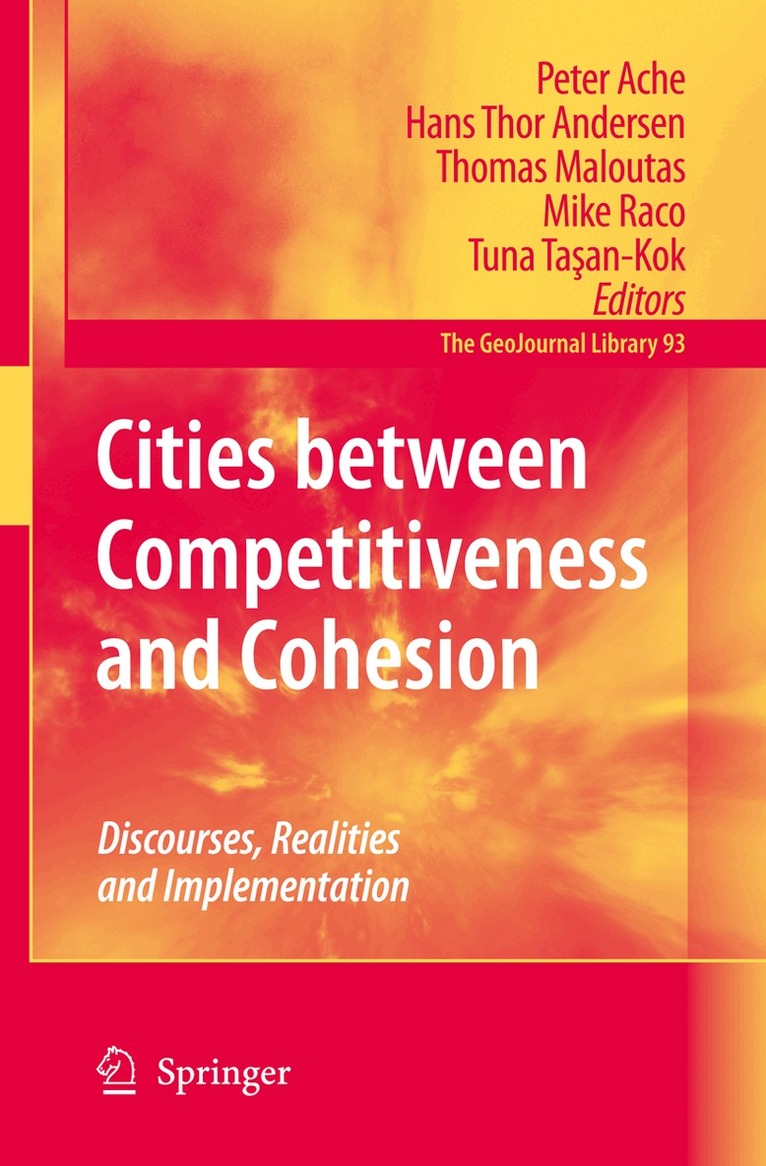
European cities have for decades found themselves in a phase of important changes. Concomitantly multi-level and multi-actor policy processes have unfolded in the EU. Sub-national governments are facing new challenges as their manufacturing industry withers away, still more responsibility for matching the globalisation ch- lenges such as welfare, employment and general social improvements are tra- ferred from national to sub-national levels. This raises speci?c governance problems for city regions in their attempt to meet the demand from the emerging knowled- based society. Yet, no city or city region exists in a vacuum; they are all embedded in national settings with speci?c structures and traditions as well as different p- ceptions of challenges, needs and solutions. It appears that a general, neoliberal discourse has conquered the political agenda during the last one or two decades: That economic regeneration requires increasing competitiveness achieved by - forced stress on knowledge intensive industries, which itself needs more and better education. However, the implementation of such a strategy has many forms and the realities are often quite a step from the intended outcome. During the last three years, a group of about forty people has met regularly across Europe to develop the ideas as originally presented in the Memorandum of Und- standing, setting the agenda for the analysis of preconditions, strategies and o- comes among different cities in their effort to reconcile welfare and growth.
E-bok
PDF, Engelska, 20081 977 kr
Läs direkt efter köp
European cities have for decades found themselves in a phase of important changes. Concomitantly multi-level and multi-actor policy processes have unfolded in the EU. Sub-national governments are facing new challenges as their manufacturing industry withers away, still more responsibility for matching the globalisation ch- lenges such as welfare, employment and general social improvements are tra- ferred from national to sub-national levels. This raises speci?c governance problems for city regions in their attempt to meet the demand from the emerging knowled- based society. Yet, no city or city region exists in a vacuum; they are all embedded in national settings with speci?c structures and traditions as well as different p- ceptions of challenges, needs and solutions. It appears that a general, neoliberal discourse has conquered the political agenda during the last one or two decades: That economic regeneration requires increasing competitiveness achieved by - forced stress on knowledge intensive industries, which itself needs more and better education. However, the implementation of such a strategy has many forms and the realities are often quite a step from the intended outcome. During the last three years, a group of about forty people has met regularly across Europe to develop the ideas as originally presented in the Memorandum of Und- standing, setting the agenda for the analysis of preconditions, strategies and o- comes among different cities in their effort to reconcile welfare and growth.
Häftad, Engelska, 2010
1 616 kr
Skickas inom 10-15 vardagar
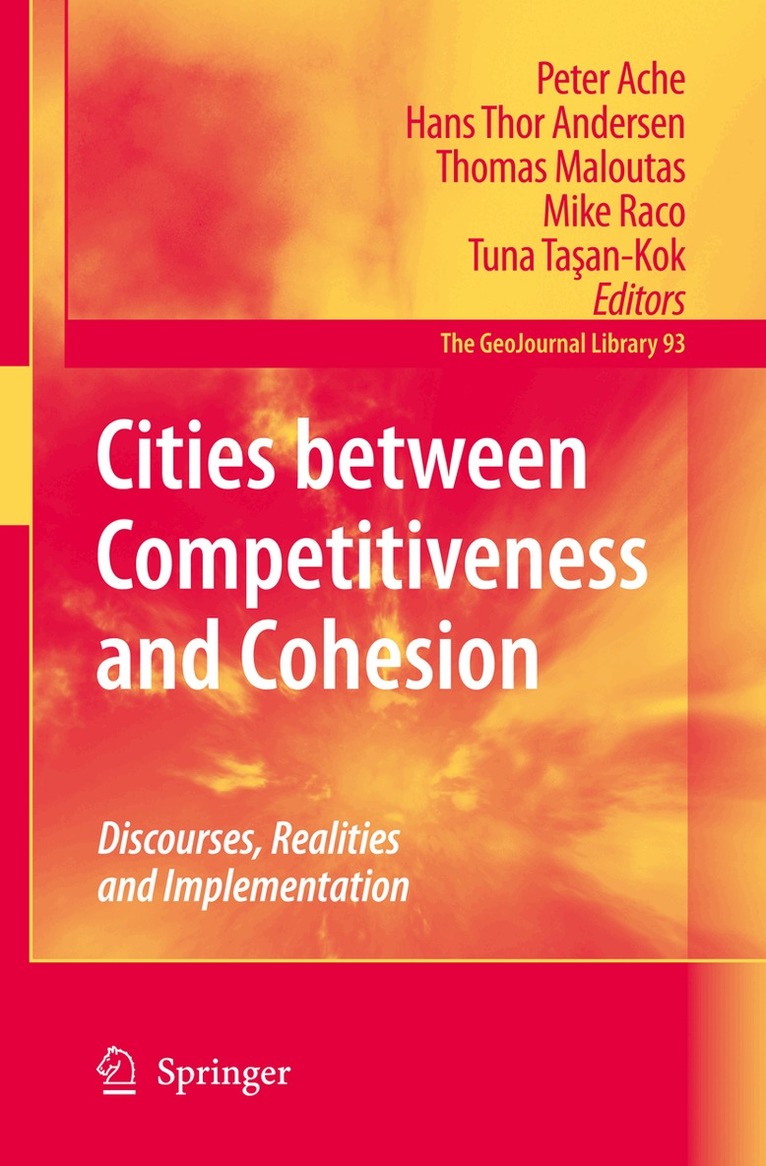
European cities have for decades found themselves in a phase of important changes. Concomitantly multi-level and multi-actor policy processes have unfolded in the EU. Sub-national governments are facing new challenges as their manufacturing industry withers away, still more responsibility for matching the globalisation ch- lenges such as welfare, employment and general social improvements are tra- ferred from national to sub-national levels. This raises speci?c governance problems for city regions in their attempt to meet the demand from the emerging knowled- based society. Yet, no city or city region exists in a vacuum; they are all embedded in national settings with speci?c structures and traditions as well as different p- ceptions of challenges, needs and solutions. It appears that a general, neoliberal discourse has conquered the political agenda during the last one or two decades: That economic regeneration requires increasing competitiveness achieved by - forced stress on knowledge intensive industries, which itself needs more and better education. However, the implementation of such a strategy has many forms and the realities are often quite a step from the intended outcome. During the last three years, a group of about forty people has met regularly across Europe to develop the ideas as originally presented in the Memorandum of Und- standing, setting the agenda for the analysis of preconditions, strategies and o- comes among different cities in their effort to reconcile welfare and growth.