Peter de Goede – författare
Visar alla böcker från författaren Peter de Goede. Handla med fri frakt och snabb leverans.
5 produkter
5 produkter
Häftad, Engelska, 2020
549 kr
Skickas inom 5-8 vardagar
Inbunden, Engelska, 2020
615 kr
Skickas inom 5-8 vardagar
E-bok
Engelska, 2025500 kr
Läs direkt efter köp
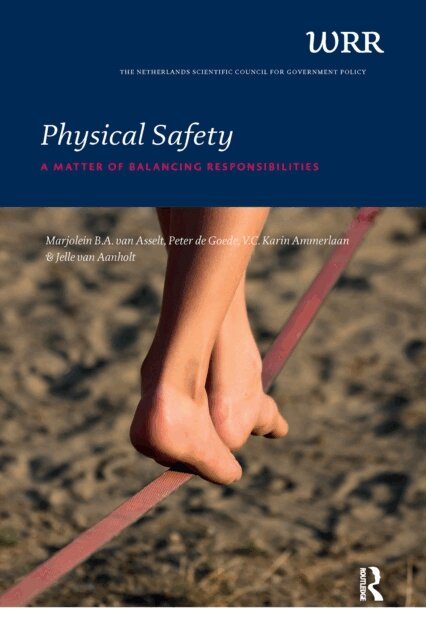
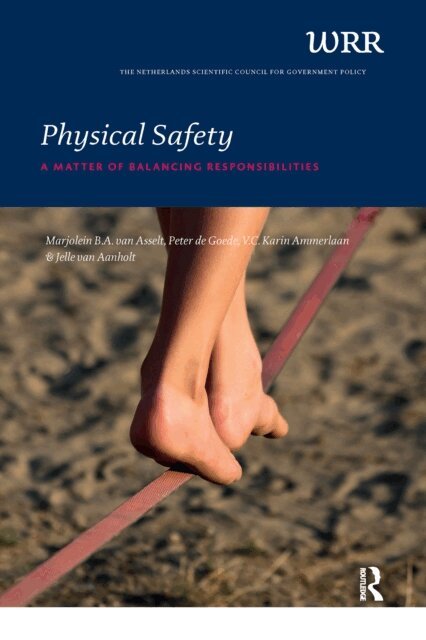
Physical safety is a core task of government. It is neither surprising nor unreasonable for government to be held accountable for hazardous substances, for food safety, for flood protection, for the spread of infectious diseases, or for the risks involved in new technologies. In 2011 the Dutch Ministry of the Interior and Kingdom Relations asked the Scientific Council for Government Policy (WRR) to investigate the scope for the development of a generic risk policy in relation to physical safety. Do citizens and businesses take sufficient responsibility for physical safety? Could the government assume a smaller role, and what part could the business community play in this? In this report the WRR argues that in order to answer these questions a distinction needs to be made between incidents, damage, risk and uncertainty. In addition, the wrr recommends that the thinking about responsibility for safety should not be placed in the perspective of a failing government, but that the central focus should be on the ambition of good governance. Finally, the WRR suggests that thinking about safety from the perspective of damage offers a useful framework for thinking through and reassessing the distribution of responsibilities. Responsibility for preventing, limiting and dealing with damage can only be assigned in advance, not retrospectively.
Inbunden, Engelska, 2020
549 kr
Skickas inom 10-15 vardagar
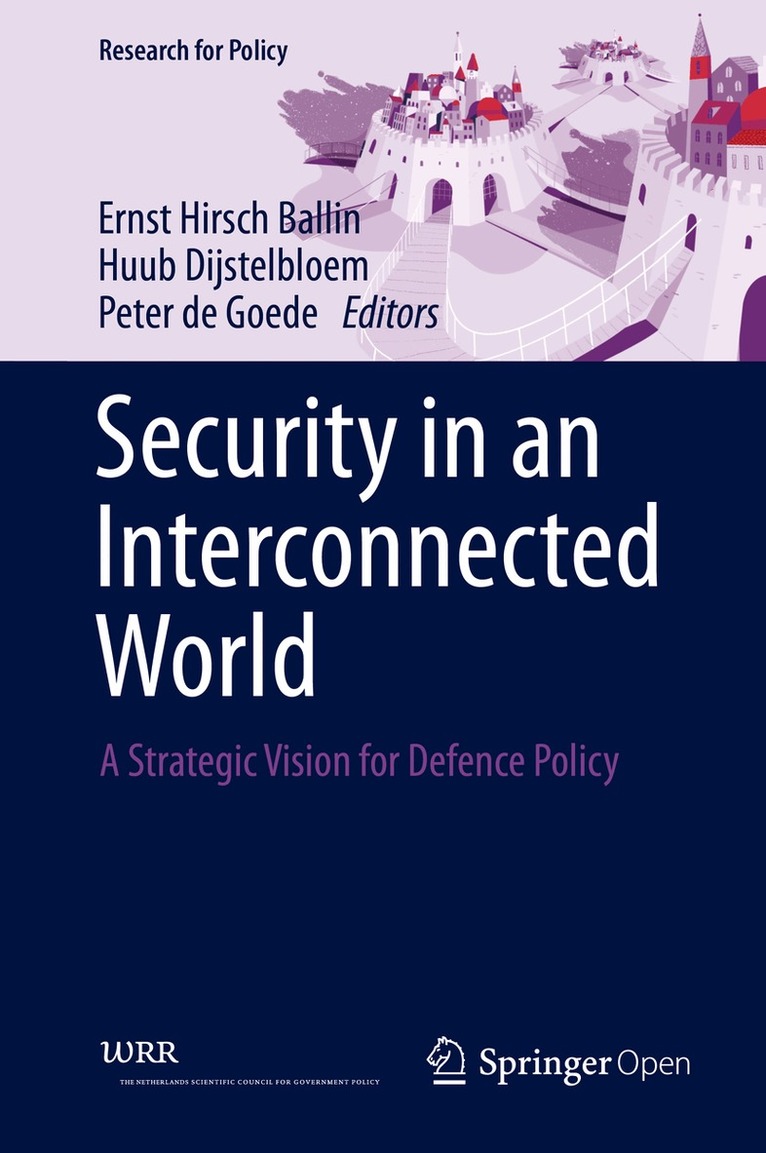
This open access book follows the idea that security policy must be based on strategic analysis. Defence policy and the role of the armed forces can subsequently be determined on the grounds of said analysis. More than ever, internal and external security, and developments both in the Netherlands and abroad are interconnected. The world order is shifting, the cooperation within NATO and the EU is under pressure and the Dutch armed forces are gasping for breath. What is the task of Dutch security and the defence policy? There have been growing calls in the last few years to end the devastating cuts in the defence budget and to invest more in security. The acute threats and conflicts in which the Netherlands are involved have served as a wake-up call. The shooting down of Flight MH17 over Ukraine, the streams of refugees from Syria and other countries, the conflict with Da’esh in Syria and Iraq, and terrorist threats reveal how events in many of the world’s flash-points have a direct or indirect impact on the Netherlands. Conflicts in other countries have a spill-over effect in The Netherlands. This is illustrated by tensions between population groups and the clashes over the Gülen schools after the failed putsch in Turkey on 15 July 2016 and over the constitutional referendum in that country. How do we ensure that any additional funds are not divided amongst the branches of the armed forces without any sense of strategic direction? What should a future-proof security policy that plots the course of defence policy entail? What strategic analyses should lie behind the political choices that are made? This book answers these questions and offers a comprehensive framework addressing among other things human security, national security and flow security.
Häftad, Engelska, 2020
549 kr
Skickas inom 10-15 vardagar
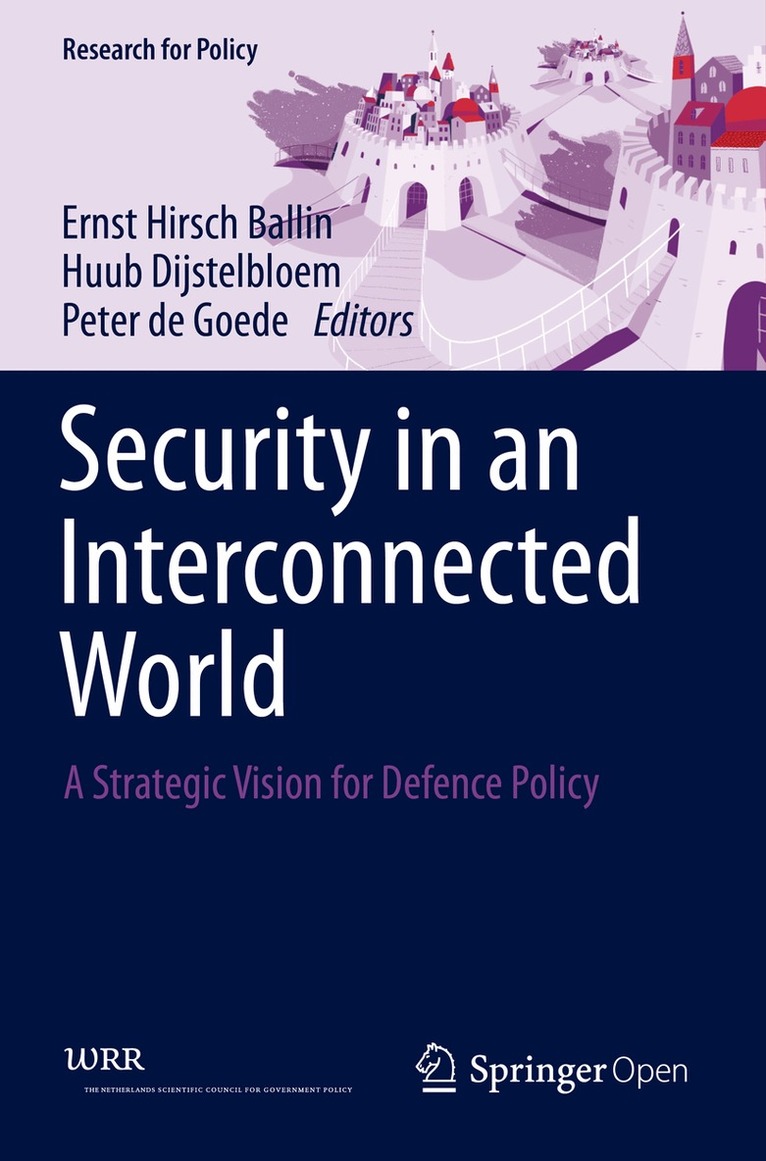
This open access book follows the idea that security policy must be based on strategic analysis. Defence policy and the role of the armed forces can subsequently be determined on the grounds of said analysis. More than ever, internal and external security, and developments both in the Netherlands and abroad are interconnected. The world order is shifting, the cooperation within NATO and the EU is under pressure and the Dutch armed forces are gasping for breath. What is the task of Dutch security and the defence policy? There have been growing calls in the last few years to end the devastating cuts in the defence budget and to invest more in security. The acute threats and conflicts in which the Netherlands are involved have served as a wake-up call. The shooting down of Flight MH17 over Ukraine, the streams of refugees from Syria and other countries, the conflict with Da’esh in Syria and Iraq, and terrorist threats reveal how events in many of the world’s flash-points have a direct or indirect impact on the Netherlands. Conflicts in other countries have a spill-over effect in The Netherlands. This is illustrated by tensions between population groups and the clashes over the Gülen schools after the failed putsch in Turkey on 15 July 2016 and over the constitutional referendum in that country. How do we ensure that any additional funds are not divided amongst the branches of the armed forces without any sense of strategic direction? What should a future-proof security policy that plots the course of defence policy entail? What strategic analyses should lie behind the political choices that are made? This book answers these questions and offers a comprehensive framework addressing among other things human security, national security and flow security.