
Peter J Kuznick – författare
Visar alla böcker från författaren . Handla med fri frakt och snabb leverans.
3 produkter
3 produkter
Häftad, Engelska, 2019
848 kr
Skickas inom 5-8 vardagar
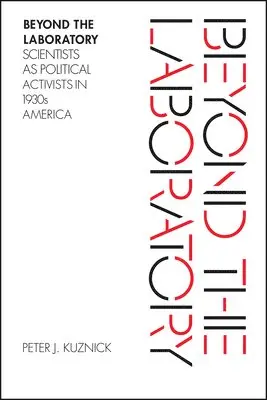
The debate over scientists' social responsibility is a topic of great controversy today. Peter J. Kuznick here traces the origin of that debate to the 1930s and places it in a context that forces a reevaluation of the relationship between science and politics in twentieth-century America. Kuznick reveals how an influential segment of the American scientific community during the Depression era underwent a profound transformation in its social values and political beliefs, replacing a once-pervasive conservatism and antipathy to political involvement with a new ethic of social reform.
E-bok
Engelska, 20191 625 kr
Läs direkt efter köp
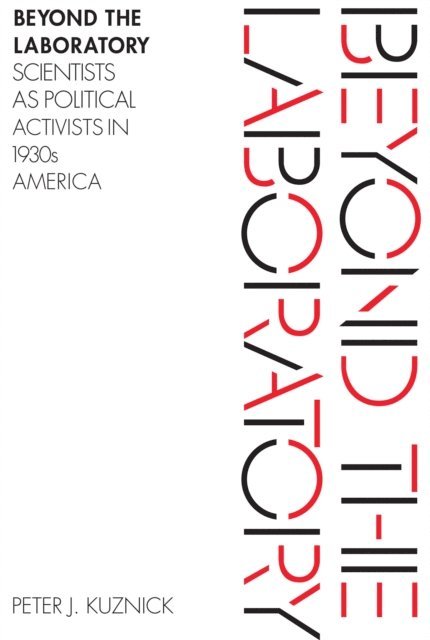
The debate over scientists'' social responsibility is a topic of great controversy today. Peter J. Kuznick here traces the origin of that debate to the 1930s and places it in a context that forces a reevaluation of the relationship between science and politics in twentieth-century America. Kuznick reveals how an influential segment of the American scientific community during the Depression era underwent a profound transformation in its social values and political beliefs, replacing a once-pervasive conservatism and antipathy to political involvement with a new ethic of social reform.
E-bok
Engelska, 2013341 kr
Läs direkt efter köp
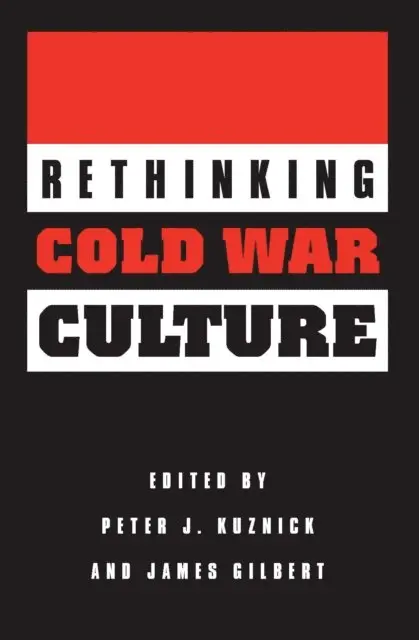
This anthology of essays questions many widespread assumptions about the culture of postwar America. Illuminating the origins and development of the many threads that constituted American culture during the Cold War, the contributors challenge the existence of a monolithic culture during the 1950s and thereafter. They demonstrate instead that there was more to American society than conformity, political conservatism, consumerism, and middle-class values. By examining popular culture, politics, economics, gender relations, and civil rights, the contributors contend that, while there was little fundamentally new about American culture in the Cold War era, the Cold War shaped and distorted virtually every aspect of American life. Interacting with long-term historical trends related to demographics, technological change, and economic cycles, four new elements dramatically influenced American politics and culture: the threat of nuclear annihilation, the use of surrogate and covert warfare, the intensification of anticommunist ideology, and the rise of a powerful military-industrial complex. This provocative dialogue by leading historians promises to reshape readers'' understanding of America during the Cold War, revealing a complex interplay of historical norms and political influences.