Peter Štih – författare
Visar alla böcker från författaren Peter Štih. Handla med fri frakt och snabb leverans.
2 produkter
2 produkter
Inbunden, Engelska, 2024
967 kr
Skickas inom 5-8 vardagar
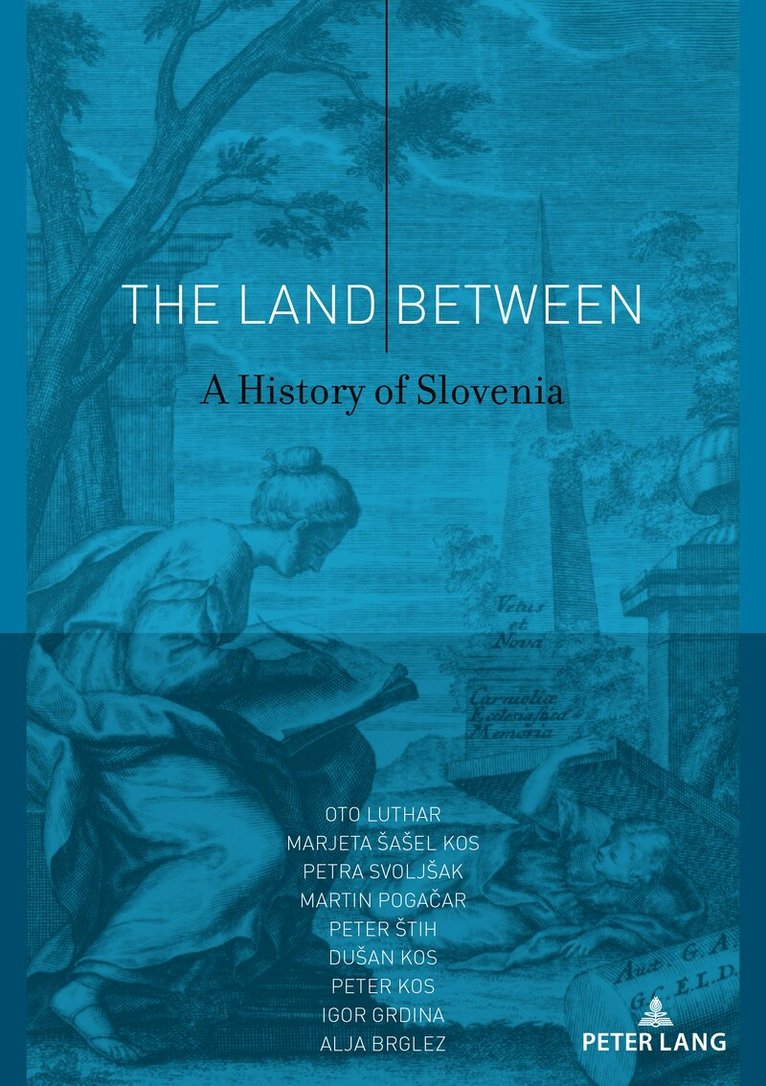
The Land Between is the first concise history of Slovenia and Slovenes written in English by leading scholars from the country. The authors base their arguments on Slovenian, former Yugoslav, and Western sources to provide a comprehensive account of Slovenes’ political, social, economic and cultural history, from early Slav settlements to the present day. The authors focus on Slovenian history but, to their credit, manage to place it in a wider context of empires and states to which Slovenian lands had belonged throughout history. The book will be of use to students of Slovenia and East-Central Europe, to diplomats, journalists, tourists, and anyone interested in this part of the world. It represents a welcome addition to the historiography of Slovenia and former Yugoslavia as well as a unique insight into the state of scholarship in post-1991 Slovenia. Dejan Djokić, historian, National University of Ireland, Maynooth A study which makes the reader feel and understand that since the end of the Cold War there is a new lease of life for Central Europe. The former borderlands between East and West construct their new identities. Slovenia is one of the most successful new democratic societies in the middle of Europe. This book is an excellent history of Slovenia which maps the narrative of a small European people without falling into the traps of national mythmaking. Writing about a small European country with two million inhabitants which crave for Central European, Mediterranean and Balkan traditions at the same time is no simple task. The book makes fine reading for everybody interested in understanding the fascinating and creative complexities in the heart of Europe. Highly recommendable for history lovers and historians alike! Emil Brix, historian and ambassador, Director of the Diplomatische Akademie Wien – Vienna School of International StudiesThe book presents a concise and intelligible history of the Slovenes. The authors take into due consideration the history of the territory between the Eastern Alps and the Pannonian Plain, starting with the period that began long before the first Slavic settlements. Thus, they wish to emphasize that the Slovenes’ ancestors did not settle an empty territory, but rather coexisted with other peoples and cultures ever since their arrival in the Eastern Alps. This has enabled them to build a community shaped by countless influences stemming from a long period of living alongside German, Romance, and South Slav neighbors in a melting pot of languages, cultures, and landscapes. The same reasons have most probably also contributed to the perception of their land as a “land in between.” Constituting a link between Eastern and Western Europe, Slovenia has recently also been increasingly perceived as the meeting point of Central Europe and the Balkans. Today, history still occupies the central position in the life of the Slovenes. The heroic period of emancipation has been completed and the Slovenes will be bracing themselves for a no less turbulent period of challenging “essentialist” notions of identity in order to create a thoroughly open society.
Del 11 - East Central and Eastern Europe in the Middle Ages, 450-1450
Middle Ages between the Eastern Alps and the Northern Adriatic
Select Papers on Slovene Historiography and Medieval History
Inbunden, Engelska, 2010
4 166 kr
Skickas inom 5-8 vardagar
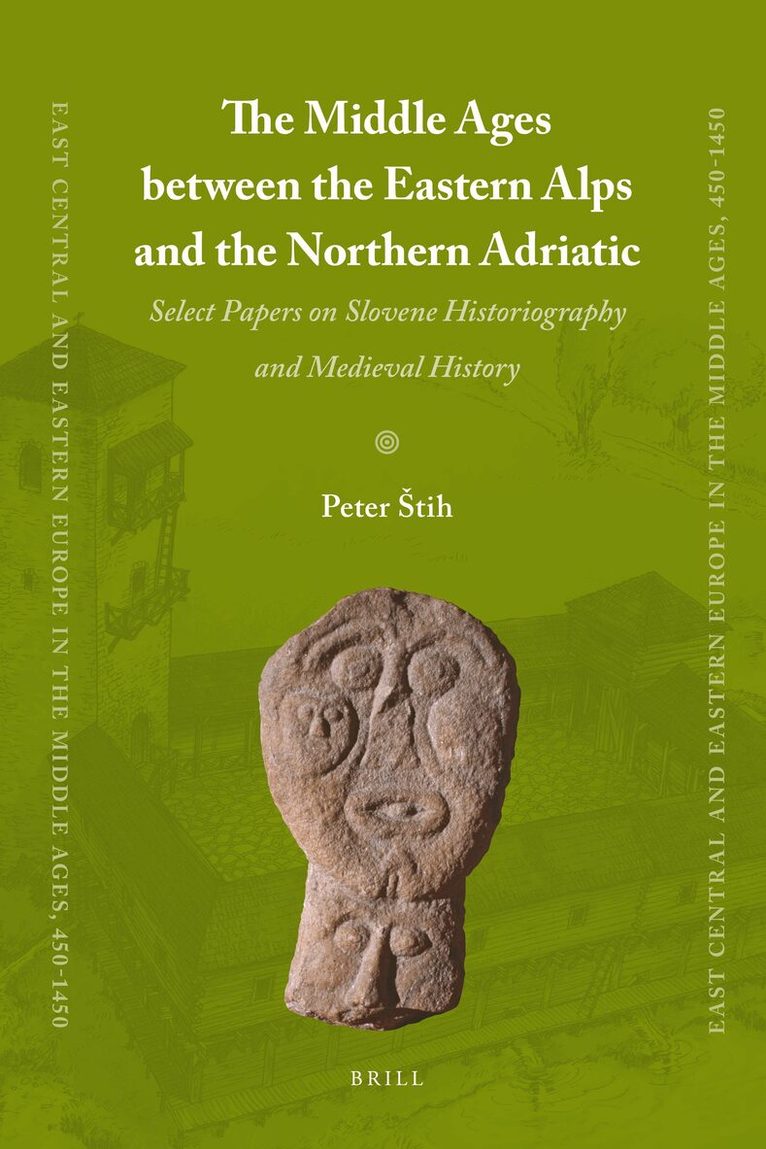
The book deals with the Slovene historiography and history of the Slovene and neighbouring territories in the Middle Ages. It is the first work of its kind published in English. It thus makes the medieval history of this part of Europe and some of its fundamental problems accessible to the widest range of researchers. It contains 18 papers which comply with modern methodological approaches and current trends in historiography and it puts the validity and usefulness of these methods to the test in the case of “Slovene” material and examples. The first part of the book critically examines Slovene historiography, which largely viewed the Middle Ages from a national angle. The second part is dedicated to early medieval history, focussing on issues of Slavic ethnogeneses, society, and political structures. The third part addresses chapters from the history of the Church, the nobility, and the formation of Länder, and also discusses the famous enthronement of the Carinthian dukes.