Philip Bockholt – författare
Visar alla böcker från författaren Philip Bockholt. Handla med fri frakt och snabb leverans.
5 produkter
5 produkter
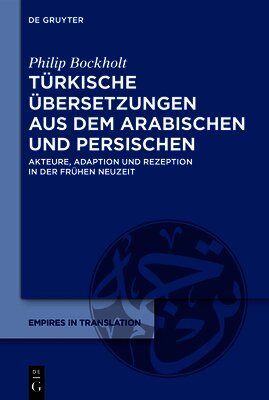
Inbunden, Tyska, 2026
1 573 kr
Skickas inom 5-8 vardagar
E-bok
PDF, Engelska, 2025492 kr
Läs direkt efter köp
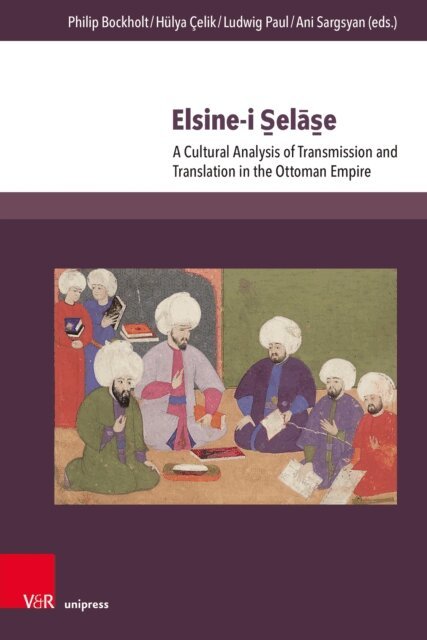
This collection explores the complexities of translation in the Ottoman Empire, examining the intersections of Arabic, Persian, and Turkish (elsine-i s̱elās̱e) that formed the linguistic backbone of Ottoman high culture and literature. The contributors investigate translation practices, cultural exchange, and power relations that shaped the Ottoman intellectual landscape, covering topics such as literary translations, lexicography, and the evolution of Ottoman Turkish as a lingua franca. Focusing on the fifteenth to the nineteenth centuries, the articles reveal the intricate web of linguistic, cultural, and historical forces that influenced translation decisions, authorship, and readership in the Ottoman Empire, shedding new light on the dynamics of cross-cultural communication and knowledge transfer in pre-modern Eurasia.
Del 9 - Transottomanica
Elsine-i S̱elās̱e
A Cultural Analysis of Transmission and Translation in the Ottoman Empire
Inbunden, Engelska, 2025
556 kr
Skickas inom 3-6 vardagar
Del 20 - Iran Studies
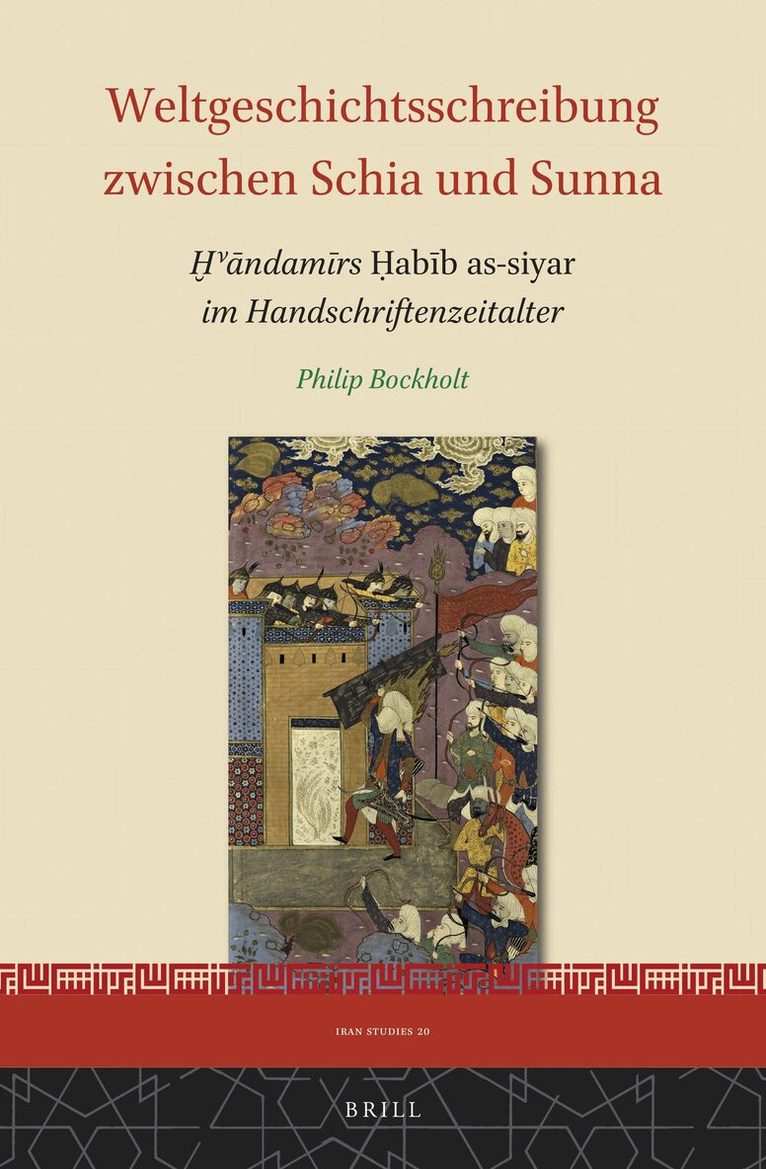
Weltgeschichtsschreibung zwischen Schia und Sunna
Ḫvāndamīrs Ḥabīb as-siyar im Handschriftenzeitalter
Inbunden, Engelska, 2021
2 153 kr
Skickas inom 5-8 vardagar
In Weltgeschichtsschreibung zwischen Schia und Sunna, Philip Bockholt addresses the question of how history was written in the premodern Islamic world, and offers new insights into one of the most important chronicles composed in Persian, Khvāndamīr’s universal history Ḥabīb al-siyar. Taking into account the political events which occurred in Iran and India around 1500, he examines the manuscript tradition of the work, and gives an in-depth analysis of how the author adapted his chronicle to the Shiʿi and Sunni religio-political outlook of his Safavid and Mughal overlords. Making use of new approaches in the fields of history and philology, Philip Bockholt convincingly proves how texts were transmitted and modified for various audiences during premodern times.In Weltgeschichtsschreibung zwischen Schia und Sunna untersucht Philip Bockholt am Beispiel von Ḫvāndamīrs Weltgeschichtschronik Ḥabīb as-siyar, wie Geschichte in der islamischen Vormoderne geschrieben wurde. Vor dem Hintergrund der politischen Umbrüche in Iran und Indien um 1500 analysiert er die intentionale Ebene von Historiografie und zeigt auf, wie ein Historiker sein Werk in verschiedenen Fassungen sowohl für die Safaviden als auch die Moguln an schiitische und sunnitische Kontexte anpasste. Mit der Erforschung der Handschriftentradition eines der am häufigsten kopierten Geschichtswerke der islamischen Welt legt Philip Bockholt die Techniken des Autors offen, die Darstellung von Ereignissen im Sinne des jeweiligen Patrons zu verändern, wodurch Einblicke in den Prozess von Geschichtsschreibung sowie zu Textüberlieferung und Leserschaft im Handschriftenzeitalter möglich werden.
Weltgeschichtsschreibung zwischen Schia und Sunna
Hvandamirs Habib as-siyar im Handschriftenzeitalter
E-bok
PDF, Engelska, 20212 229 kr
Läs direkt efter köp
In Weltgeschichtsschreibung zwischen Schia und Sunna, Philip Bockholt addresses the question of how history was written in the premodern Islamic world, and offers new insights into one of the most important chronicles composed in Persian, Khvandamir's universal history Habib al-siyar. Taking into account the political events which occurred in Iran and India around 1500, he examines the manuscript tradition of the work, and gives an in-depth analysis of how the author adapted his chronicle to the Shi?i and Sunni religio-political outlook of his Safavid and Mughal overlords. Making use of new approaches in the fields of history and philology, Philip Bockholt convincingly proves how texts were transmitted and modified for various audiences during premodern times. In Weltgeschichtsschreibung zwischen Schia und Sunna untersucht Philip Bockholt am Beispiel von Hvandamirs Weltgeschichtschronik Habib as-siyar, wie Geschichte in der islamischen Vormoderne geschrieben wurde. Vor dem Hintergrund der politischen Umbruche in Iran und Indien um 1500 analysiert er die intentionale Ebene von Historiografie und zeigt auf, wie ein Historiker sein Werk in verschiedenen Fassungen sowohl fur die Safaviden als auch die Moguln an schiitische und sunnitische Kontexte anpasste. Mit der Erforschung der Handschriftentradition eines der am haufigsten kopierten Geschichtswerke der islamischen Welt legt Philip Bockholt die Techniken des Autors offen, die Darstellung von Ereignissen im Sinne des jeweiligen Patrons zu verandern, wodurch Einblicke in den Prozess von Geschichtsschreibung sowie zu Textuberlieferung und Leserschaft im Handschriftenzeitalter moglich werden.