Philip J. Deloria – författare
Visar alla böcker från författaren Philip J. Deloria. Handla med fri frakt och snabb leverans.
11 produkter
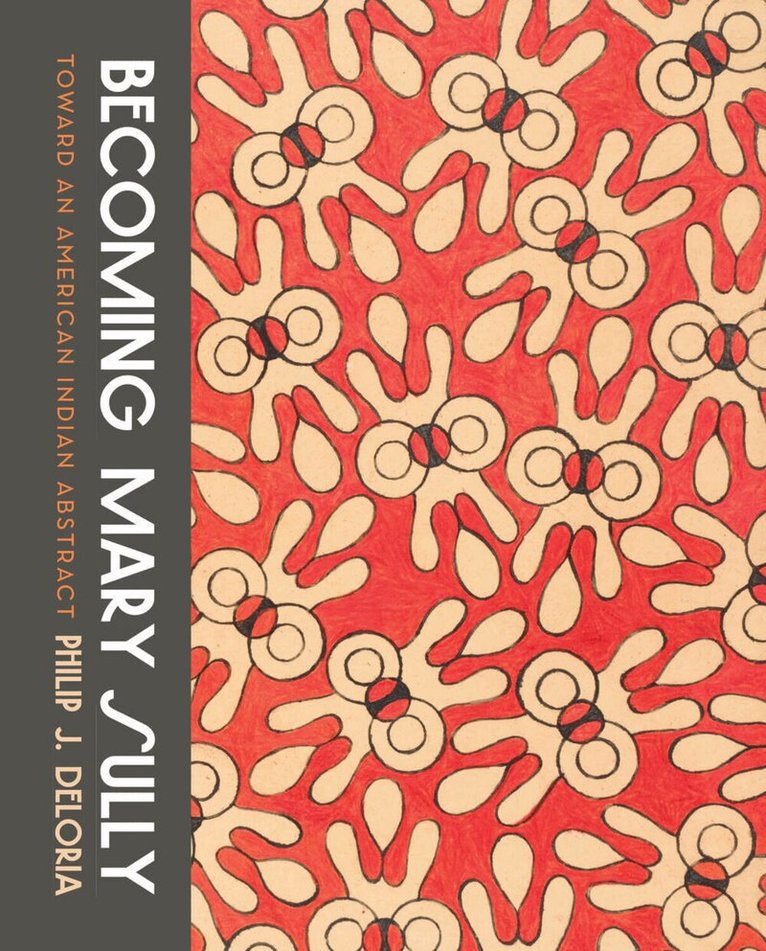
Becoming Mary Sully
Toward an American Indian Abstract
Häftad, 2019
415 kr
Lägg i varukorg
"The moment to savor [Mary Sully]. . . has arrived." —New York TimesDakota Sioux artist Mary Sully was the great-granddaughter of respected nineteenth-century portraitist Thomas Sully, who captured the personalities of America’s first generation of celebrities (including the figure of Andrew …
Becoming Mary Sully
Toward an American Indian Abstract
E-bok, 2019
643 kr
Lägg i varukorg
"The moment to savor [Mary Sully]. . . has arrived." — New York Times Dakota Sioux artist Mary Sully was the great-granddaughter of respected nineteenth-century portraitist Thomas Sully, who captured the personalities of America’s first generation of celebrities (including the figure of Andrew …
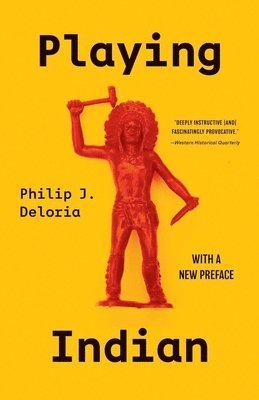
Playing Indian
Häftad, 2022
248 kr
Lägg i varukorg
Philip J. Deloria’s classic exploration of white America’s drive to “play Indian,” from the Boston Tea Party to the New Age “[A] brilliant book. . . . This book reminds us that at least one question about America has been settled. Contrary to the conventional wisdom that prevailed throughout most …
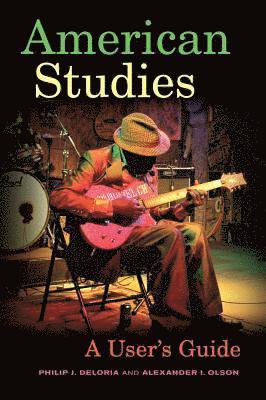
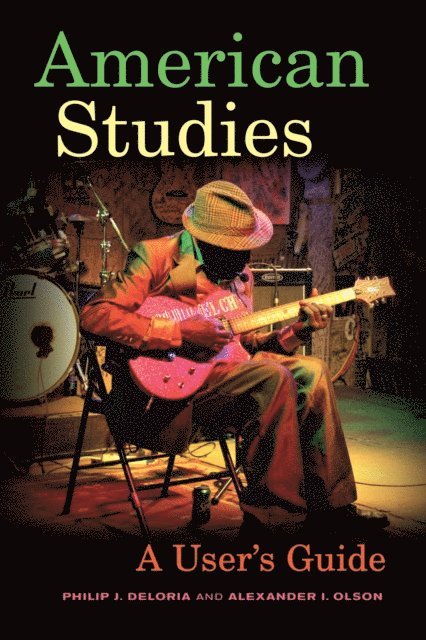
American Studies
A User's Guide
Av Philip J. Deloria, Alexander I. Olson
Häftad, 2017
270 kr
Lägg i varukorg
American Studies has long been a home for adventurous students seeking to understand the culture and politics of the United States. Despite being taught in universities around the world, American Studies has resisted developing a coherent methodology for fear of losing the flexibility and freedom …
American Studies
A User's Guide
Av Philip J. Deloria, Alexander I. Olson
Inbunden, 2017
840 kr
Lägg i varukorg
American Studies has long been a home for adventurous students seeking to understand the culture and politics of the United States. Despite being taught in universities around the world, American Studies has resisted developing a coherent methodology for fear of losing the flexibility and freedom …
American Studies
A User''s Guide
Av Alexander I. Olson, Philip J. Deloria
E-bok, 2017
268 kr
Lägg i varukorg
American Studies has long been a home for adventurous students seeking to understand the culture and politics of the United States. This welcoming spirit has found appeal around the world, but at the heart of the field is an identity crisis. Nearly every effort to articulate an American Studies …
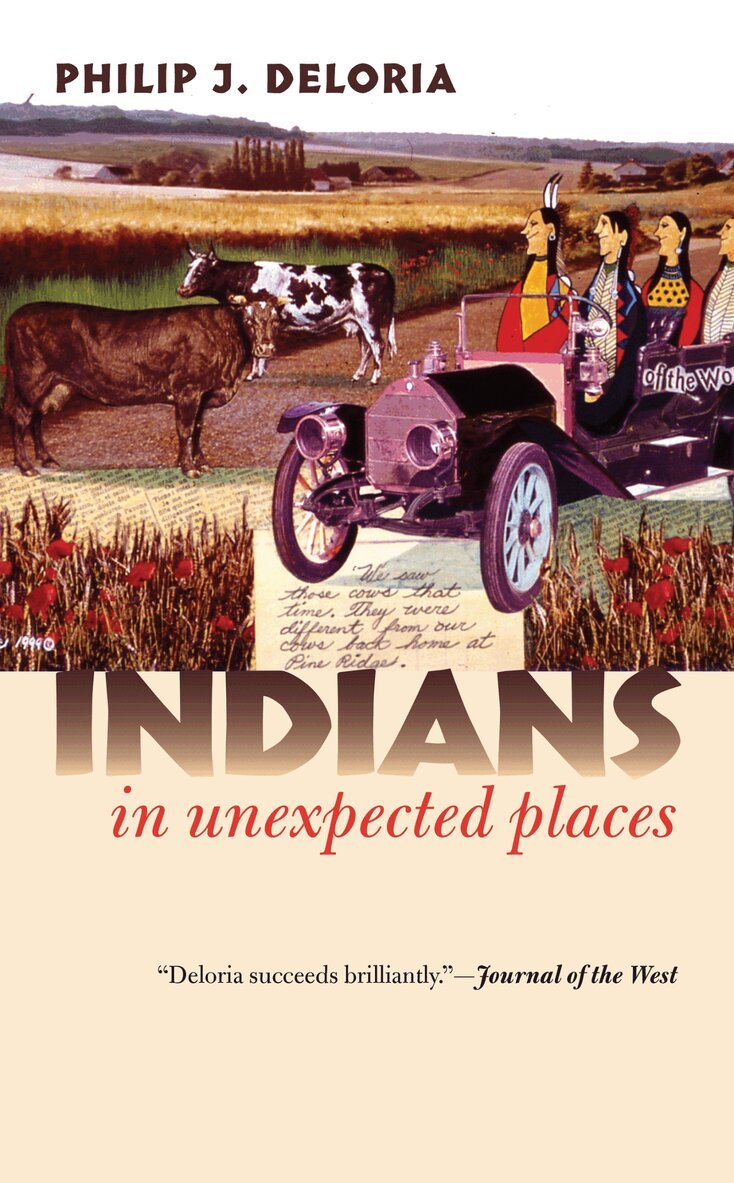
Indians in Unexpected Places
Häftad, 2004
329 kr
Lägg i varukorg
What is Geronimo doing sitting in a Cadillac? Why is an Indian woman in beaded buckskin sitting under a salon hairdryer? Such images startle and challenge our outdated visions of Native America. Philip Deloria's revealing accounts of Indians doing unexpected things - singing opera, driving cars, …
Indians in Unexpected Places
E-bok, 2022
303 kr
Lägg i varukorg
John C. Ewers Book Award Voted one of the ten best books in Native American and Indigenous Studies by the membership of the Native American and Indigenous Studies Association. Despite the passage of time, our vision of Native Americans remains locked up within powerful stereotypes. That’s why some …
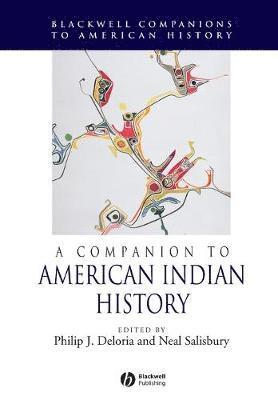
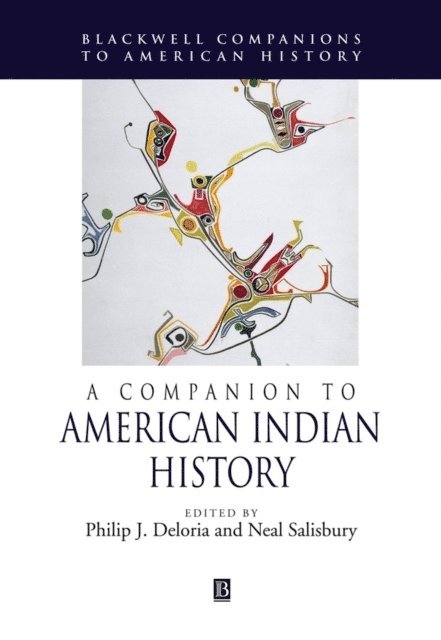
Companion to American Indian History
Av Philip J. Deloria, Neal Salisbury
Häftad, 2004
672 kr
Lägg i varukorg
A Companion to American Indian History captures the thematic breadth of Native American history over the last forty years. Twenty-five original essays by leading scholars in the field, both American Indian and non-American Indian, bring an exciting modern perspective to Native American histories …
Companion to American Indian History
Av Neal Salisbury, Philip J. Deloria
E-bok, 2008
772 kr
Lägg i varukorg
A Companion to American Indian History captures the thematic breadth of Native American history over the last forty years. Twenty-five original essays by leading scholars in the field, both American Indian and non-American Indian, bring an exciting modern perspective to Native American histories …
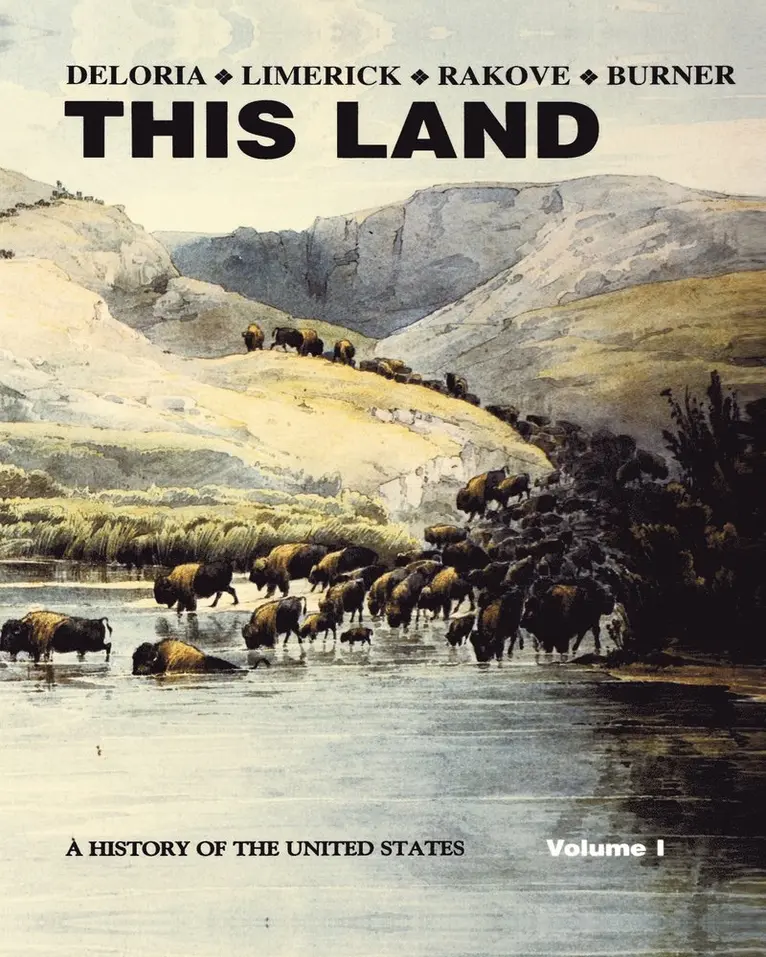
This Land
A History of the United States, Volume 1
Av Philip J. Deloria, Patricia Nelson Limerick m. fl.
Häftad, 2006
831 kr
Lägg i varukorg
Designed for teachers and students of the United States history survey course who prefer a larger measure of social history content, along with all the vital materials in political, diplomatic, legal, and economic history.This four-color text is written by four major American historians. Its …