Philip Rowe – författare
2 063 kr
Läs direkt efter köp
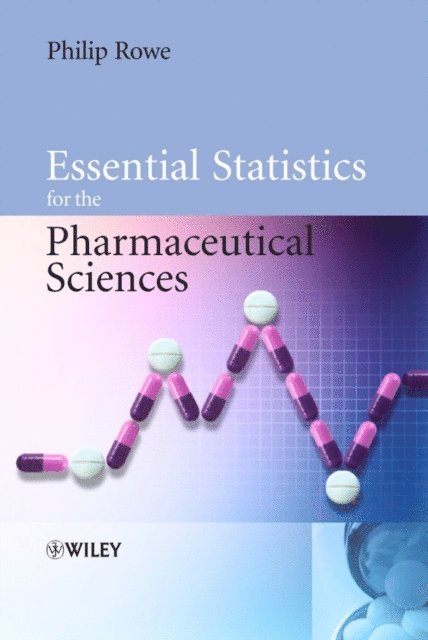
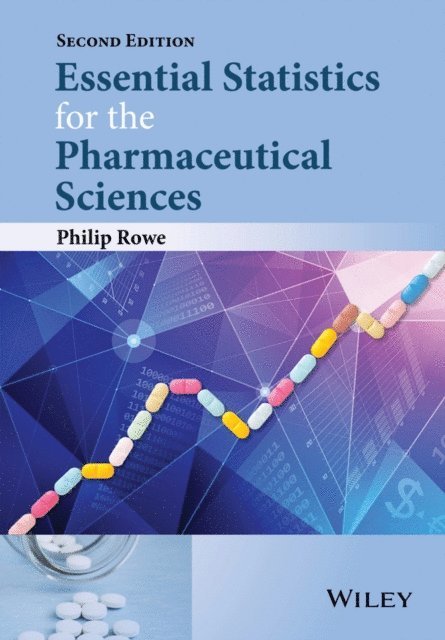
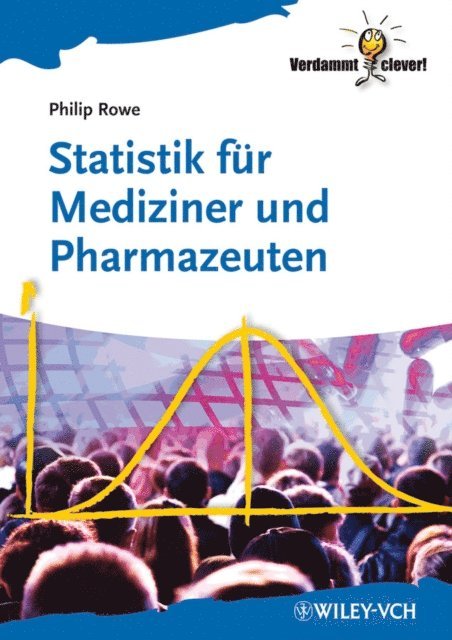
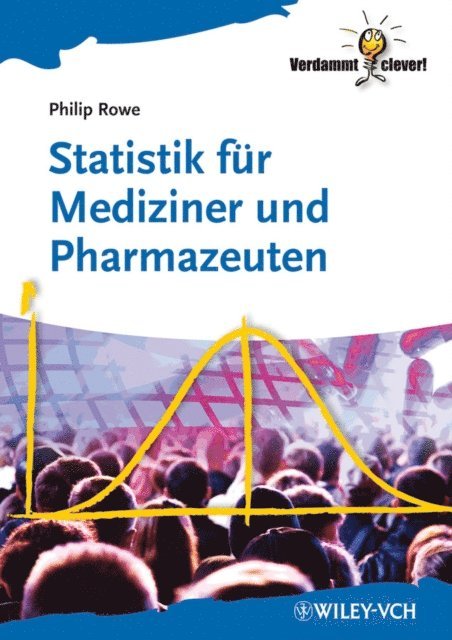
This text is a clear, accessible introduction to the key statistical techniques employed for the analysis of data within this subject area. Written in a concise and logical manner, the book explains why statistics are necessary and discusses the issues that experimentalists need to consider. The reader is carefully taken through the whole process, from planning an experiment to interpreting the results, avoiding unnecessary calculation methodology. The most commonly used statistical methods are described in terms of their purpose, when they should be used and what they mean once they have been performed.
Numerous examples are provided throughout the text, all within a pharmaceutical context, with key points highlighted in summary boxes to aid student understanding.
Essential Statistics for the Pharmaceutical Sciences takes a new and innovative approach to statistics with an informal style that will appeal to the reader who finds statistics a challenge!
This book is an invaluable introduction to statistics for any science student. It is an essential text for students taking biomedical or pharmaceutical-based science degrees and also a useful guide for researchers.
700 kr
Skickas inom 5-8 vardagar
Now in its seventh edition, this reputable textbook is an ideal introduction to the study of human
movement and an excellent reference encouraging and directing further study.
For the first time there is a chapter dedicated to measuring and understanding physical activity,
recognising the importance of this area to many health and sports professionals. More time is spent
explaining the basic principles of biomechanics and the way they can be used to improve practice,
including tissue mechanics and movement analysis techniques.
An Introduction to Human Movement and Biomechanics is the perfect guide for students and
professionals all around the world to consolidate learning and apply to real clinical/sports situation.
Information is given in a clear and accessible way, with case studies, illustrations, textboxes
and practical examples.
670 kr
Skickas inom 5-8 vardagar
2 004 kr
Läs direkt efter köp
Essential Statistics for the Pharmaceutical Sciences is targeted at all those involved in research in pharmacology, pharmacy or other areas of pharmaceutical science; everybody from undergraduate project students to experienced researchers should find the material they need.
This book will guide all those who are not specialist statisticians in using sound statistical principles throughout the whole journey of a research project - designing the work, selecting appropriate statistical methodology and correctly interpreting the results. It deliberately avoids detailed calculation methodology. Its key features are friendliness and clarity. All methods are illustrated with realistic examples from within pharmaceutical science.
This edition now includes expanded coverage of some of the topics included in the first edition and adds some new topics relevant to pharmaceutical research.
a clear, accessible introduction to the key statistical techniques used within the pharmaceutical sciences all examples set in relevant pharmaceutical contexts. key points emphasised in summary boxes and warnings of potential abuses in ‘pirate boxes’. supplementary material - full data sets and detailed instructions for carrying out analyses using packages such as SPSS or Minitab – provided at:https://www.wiley.com/go/rowe/statspharmascience2eAn invaluable introduction to statistics for any science student and an essential text for all those involved in pharmaceutical research at whatever level.
765 kr
Läs direkt efter köp
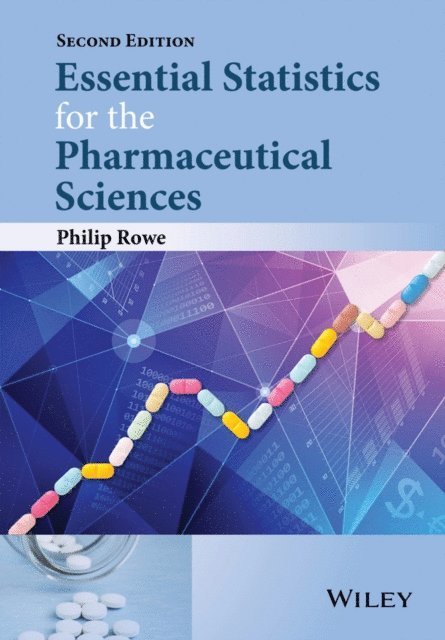
Essential Statistics for the Pharmaceutical Sciences is targeted at all those involved in research in pharmacology, pharmacy or other areas of pharmaceutical science; everybody from undergraduate project students to experienced researchers should find the material they need.
This book will guide all those who are not specialist statisticians in using sound statistical principles throughout the whole journey of a research project - designing the work, selecting appropriate statistical methodology and correctly interpreting the results. It deliberately avoids detailed calculation methodology. Its key features are friendliness and clarity. All methods are illustrated with realistic examples from within pharmaceutical science.
This edition now includes expanded coverage of some of the topics included in the first edition and adds some new topics relevant to pharmaceutical research.
a clear, accessible introduction to the key statistical techniques used within the pharmaceutical sciences all examples set in relevant pharmaceutical contexts. key points emphasised in summary boxes and warnings of potential abuses in ‘pirate boxes’. supplementary material - full data sets and detailed instructions for carrying out analyses using packages such as SPSS or Minitab – provided at:https://www.wiley.com/go/rowe/statspharmascience2eAn invaluable introduction to statistics for any science student and an essential text for all those involved in pharmaceutical research at whatever level.
1 433 kr
Skickas inom 5-8 vardagar
1 645 kr
Läs direkt efter köp
A hands-on guide to using statistics in health research, from planning, through analysis, and on to reporting
A Practical Approach to Using Statistics in Health Research offers an easy to use, step-by-step guide for using statistics in health research. The authors use their experience of statistics and health research to explain how statistics fit in to all stages of the research process. They explain how to determine necessary sample sizes, interpret whether there are statistically significant difference in outcomes between groups, and use measured effect sizes to decide whether any changes are large enough to be relevant to professional practice.
The text walks you through how to identify the main outcome measure for your study and the factor which you think may influence that outcome and then determine what type of data will be used to record both of these. It then describes how this information is used to select the most appropriate methods to report and analyze your data. A step-by-step guide on how to use a range of common statistical procedures are then presented in separate chapters. To help you make sure that you are using statistics robustly, the authors also explore topics such as multiple testing and how to check whether measured data follows a normal distribution. Videos showing how to use computer packages to carry out all the various methods mentioned in the book are available on our companion web site. This book:
• Covers statistical aspects of all the stages of health research from planning to final reporting
• Explains how to report statistical planning, how analyses were performed, and the results and conclusion
• Puts the spotlight on consideration of clinical significance and not just statistical significance
• Explains the importance of reporting 95% confidence intervals for effect size
• Includes a systematic guide for selection of statistical tests and uses example data sets and videos to help you understand exactly how to use statistics
Written as an introductory guide to statistics for healthcare professionals, students and lecturers in the fields of pharmacy, nursing, medicine, dentistry, physiotherapy, and occupational therapy, A Practical Approach to Using Statistics in Health Research:From Planning to Reporting is a handy reference that focuses on the application of statistical methods within the health research context.
1 645 kr
Läs direkt efter köp
A hands-on guide to using statistics in health research, from planning, through analysis, and on to reporting
A Practical Approach to Using Statistics in Health Research offers an easy to use, step-by-step guide for using statistics in health research. The authors use their experience of statistics and health research to explain how statistics fit in to all stages of the research process. They explain how to determine necessary sample sizes, interpret whether there are statistically significant difference in outcomes between groups, and use measured effect sizes to decide whether any changes are large enough to be relevant to professional practice.
The text walks you through how to identify the main outcome measure for your study and the factor which you think may influence that outcome and then determine what type of data will be used to record both of these. It then describes how this information is used to select the most appropriate methods to report and analyze your data. A step-by-step guide on how to use a range of common statistical procedures are then presented in separate chapters. To help you make sure that you are using statistics robustly, the authors also explore topics such as multiple testing and how to check whether measured data follows a normal distribution. Videos showing how to use computer packages to carry out all the various methods mentioned in the book are available on our companion web site. This book:
• Covers statistical aspects of all the stages of health research from planning to final reporting
• Explains how to report statistical planning, how analyses were performed, and the results and conclusion
• Puts the spotlight on consideration of clinical significance and not just statistical significance
• Explains the importance of reporting 95% confidence intervals for effect size
• Includes a systematic guide for selection of statistical tests and uses example data sets and videos to help you understand exactly how to use statistics
Written as an introductory guide to statistics for healthcare professionals, students and lecturers in the fields of pharmacy, nursing, medicine, dentistry, physiotherapy, and occupational therapy, A Practical Approach to Using Statistics in Health Research:From Planning to Reporting is a handy reference that focuses on the application of statistical methods within the health research context.
356 kr
Skickas inom 3-6 vardagar
342 kr
Läs direkt efter köp
342 kr
Läs direkt efter köp
1 412 kr
Tillfälligt slut