Philip Towle – författare
Visar alla böcker från författaren Philip Towle. Handla med fri frakt och snabb leverans.
24 produkter
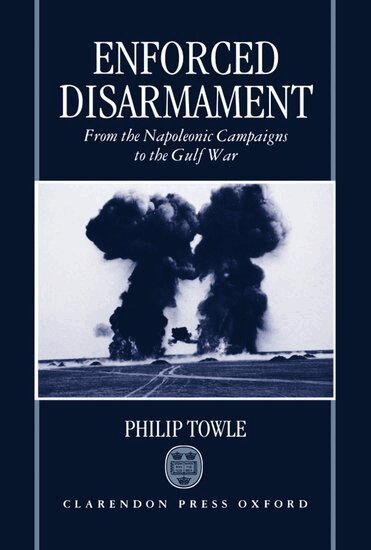
Enforced Disarmament
From the Napoleonic Campaigns to the Gulf War
Av Philip Towle
Inbunden, 1997
3508 kr
Lägg i varukorg
Enforced disarmament has often been ignored by historians, diplomats, and strategic analaysts. Yet the democracies have imposed some measure of disarmament on their enemies after every major victory since 1815. In many cases, forced disarmament was one of the most important, if not the most …
Ethics and the Arms Trade
Av Philip Towle
Inbunden, 1998
121 kr
Lägg i varukorg
The British defence industry is facing greater problems and a more uncertain future than at any time since the 1920s. This concise and accessible title presents an overview of the challenges facing the defence industry and provides a robust and level-headed look at the complicated moral issues …
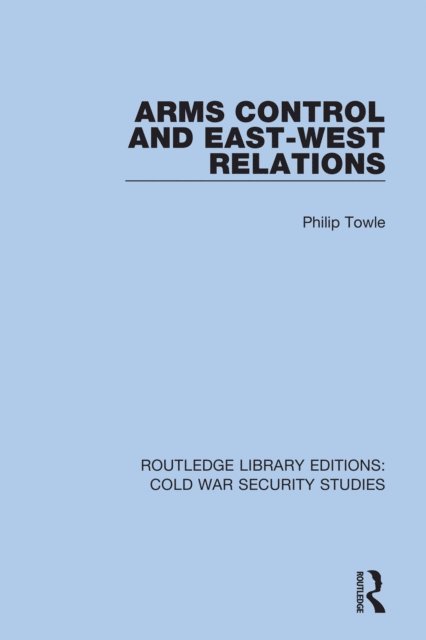
Arms Control and East-West Relations
Av Philip Towle
Inbunden, 2021
1826 kr
Lägg i varukorg
This book, first published in 1983, examines the role that arms control has to play, alongside defence and deterrence, in stabilising East-West relations and reducing tensions during the Cold War. Arms control agreements were designed in the attempt to achieve parity between the nuclear forces of …
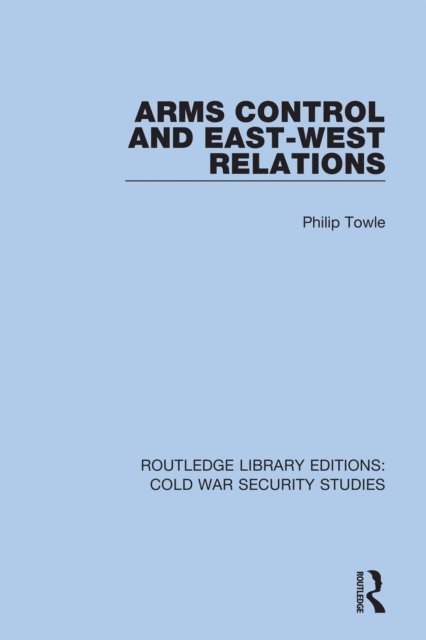
Arms Control and East-West Relations
Av Philip Towle
Häftad, 2022
545 kr
Lägg i varukorg
This book, first published in 1983, examines the role that arms control has to play, alongside defence and deterrence, in stabilising East-West relations and reducing tensions during the Cold War. Arms control agreements were designed in the attempt to achieve parity between the nuclear forces of …
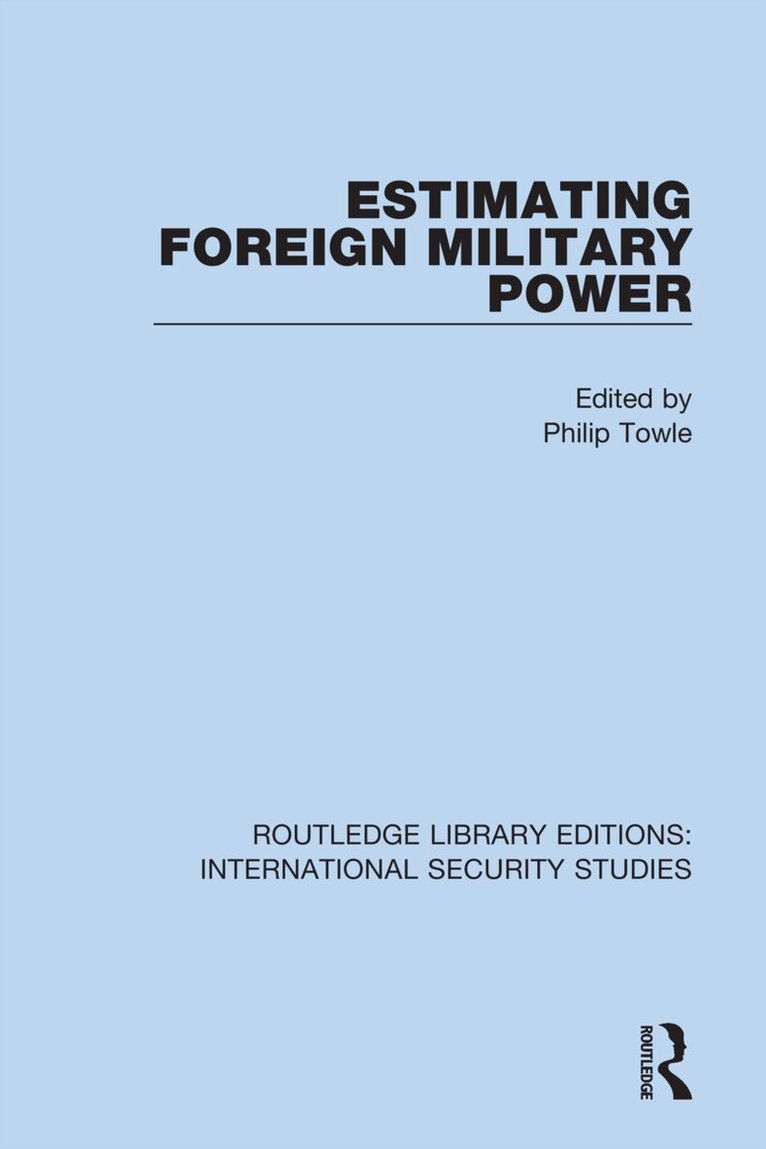
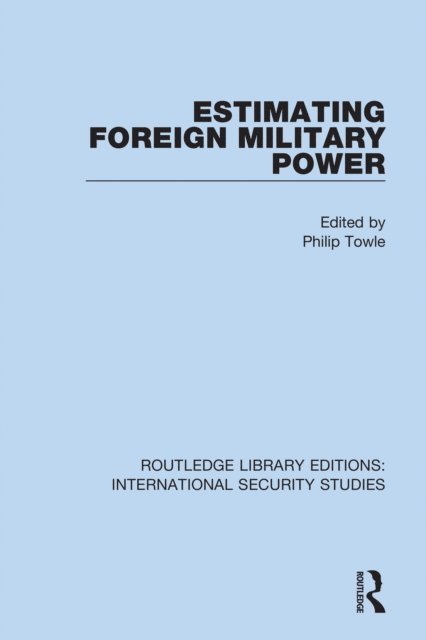
Estimating Foreign Military Power
Av Philip Towle
Inbunden, 2021
1826 kr
Lägg i varukorg
This book, first published in 1982, addresses the problem of assessing the central and regional balance of power. The collection of essays by experts on the different countries looks at the miscalculations about the military power of foreign countries which have been made in the past and the …
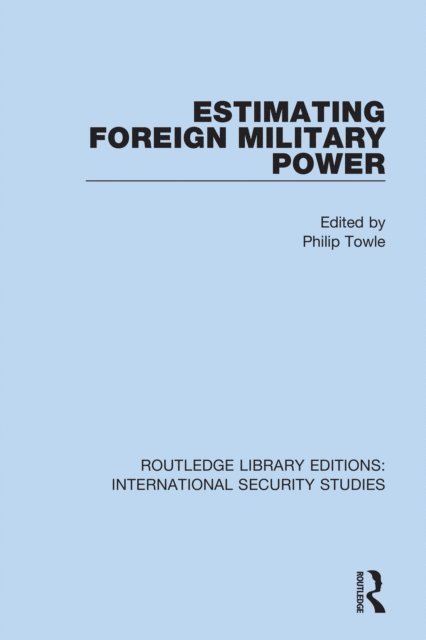
Estimating Foreign Military Power
Av Philip Towle
Häftad, 2022
502 kr
Lägg i varukorg
This book, first published in 1982, addresses the problem of assessing the central and regional balance of power. The collection of essays by experts on the different countries looks at the miscalculations about the military power of foreign countries which have been made in the past and the …
Democracy and Peace Making
Negotiations and Debates 1815-1973
Av Philip Towle
Inbunden, 2000
2585 kr
Lägg i varukorg
Democracy and Peace Making is an invaluable and up-to-date account of the process of peace making, which draws on the most recent historical thinking. It surveys the post-war peace settlements of the nineteenth and twentieth centuries, including:* the Vienna congress of 1815* the Treaty of …
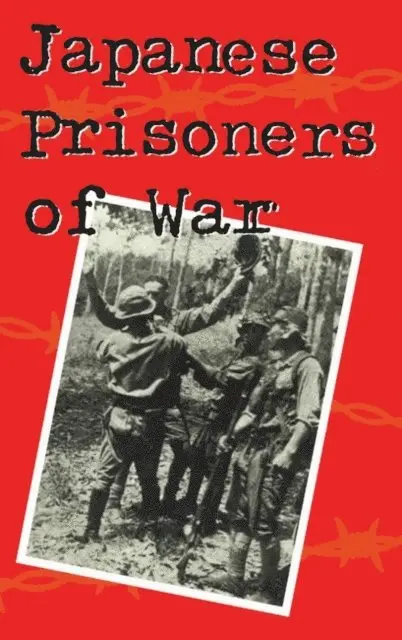
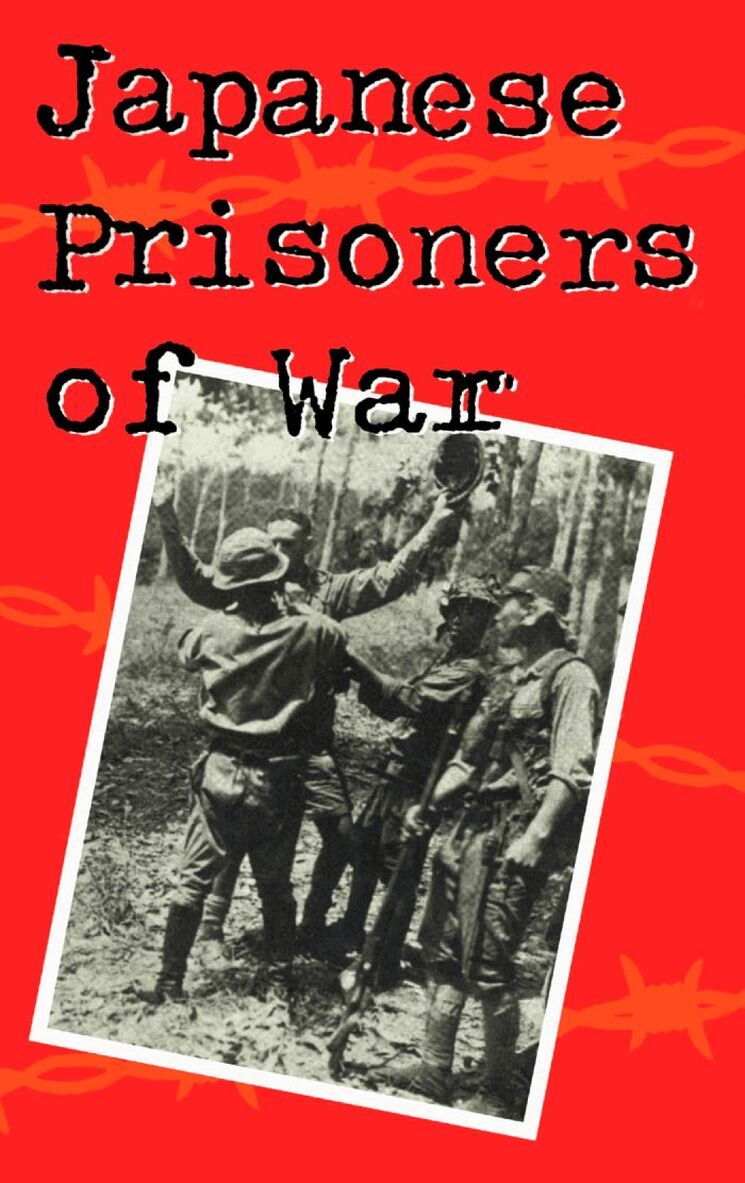
Japanese Prisoners of War
Av Philip Towle
E-bok, 1999
1204 kr
Lägg i varukorg
During World War II the Japanese were stereotyped in the European imagination as fanatical, cruel, almost inhuman - an image reflected in most books and films about prisoner of war in the Far East. While the Japanese certainly treated those they captured badly, behaving far worse to Chinese and …
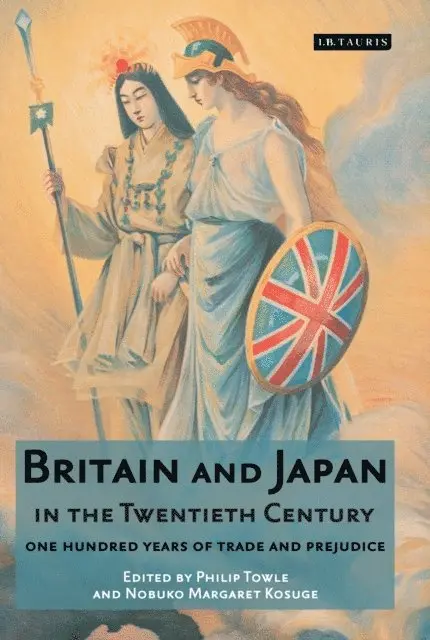
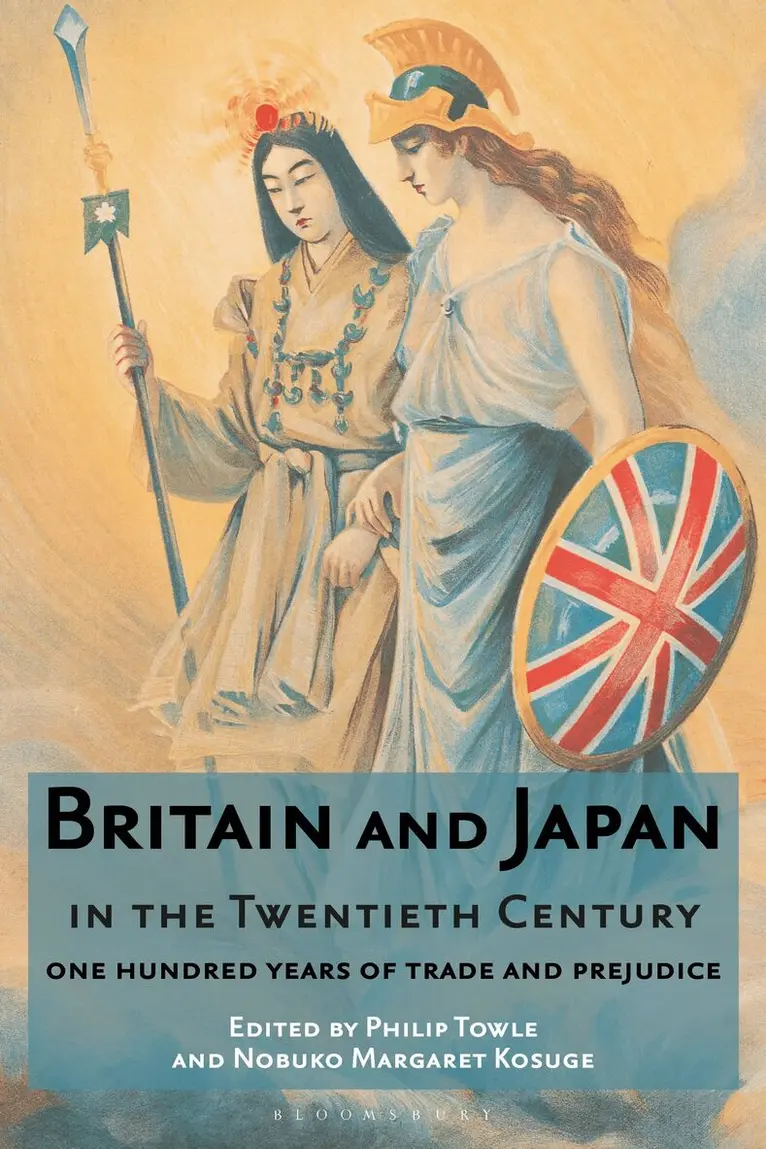
Britain and Japan in the Twentieth Century
One Hundred Years of Trade and Prejudice
Av Philip Towle, Nobuko Margaret Kosuge
E-bok, 2007
530 kr
Lägg i varukorg
After the horrors of World War II in Asia - not least the systematic appalling mistreatment of Allied prisoners-of-war by the Japanese military - few would have predicted that Britain's relationship with Japan would flourish into a booming partnership of economic interdependence by the start of the …
Arms Control and East-West Relations
Av Philip Towle
E-bok, 2021
627 kr
Lägg i varukorg
This book, first published in 1983, examines the role that arms control has to play, alongside defence and deterrence, in stabilising East-West relations and reducing tensions during the Cold War. Arms control agreements were designed in the attempt to achieve parity between the nuclear forces of …
Arms Control and East-West Relations
Av Philip Towle
E-bok, 2021
627 kr
Lägg i varukorg
This book, first published in 1983, examines the role that arms control has to play, alongside defence and deterrence, in stabilising East-West relations and reducing tensions during the Cold War. Arms control agreements were designed in the attempt to achieve parity between the nuclear forces of …
Estimating Foreign Military Power
Av Philip Towle
E-bok, 2021
589 kr
Lägg i varukorg
This book, first published in 1982, addresses the problem of assessing the central and regional balance of power. The collection of essays by experts on the different countries looks at the miscalculations about the military power of foreign countries which have been made in the past and the …
Estimating Foreign Military Power
Av Philip Towle
E-bok, 2021
589 kr
Lägg i varukorg
This book, first published in 1982, addresses the problem of assessing the central and regional balance of power. The collection of essays by experts on the different countries looks at the miscalculations about the military power of foreign countries which have been made in the past and the …
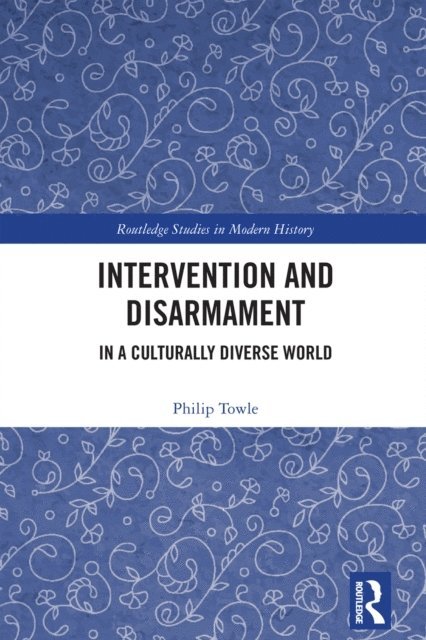
Intervention and Disarmament
In a Culturally Diverse World
Av Philip Towle
E-bok, 2022
746 kr
Lägg i varukorg
In this book, some of Philip Towle’s major contributions are brought together to shed light on the Cold War and its aftermath. Topics include the build-up of chemical and nuclear weapons, the attack on New York’s World Trade Center in 2001, intervention in overseas conflicts and the role of the …
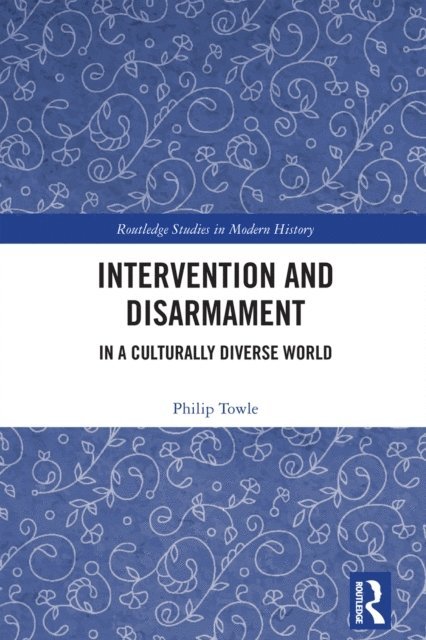
Intervention and Disarmament
In a Culturally Diverse World
Av Philip Towle
E-bok, 2022
762 kr
Lägg i varukorg
In this book, some of Philip Towle’s major contributions are brought together to shed light on the Cold War and its aftermath. Topics include the build-up of chemical and nuclear weapons, the attack on New York’s World Trade Center in 2001, intervention in overseas conflicts and the role of the …
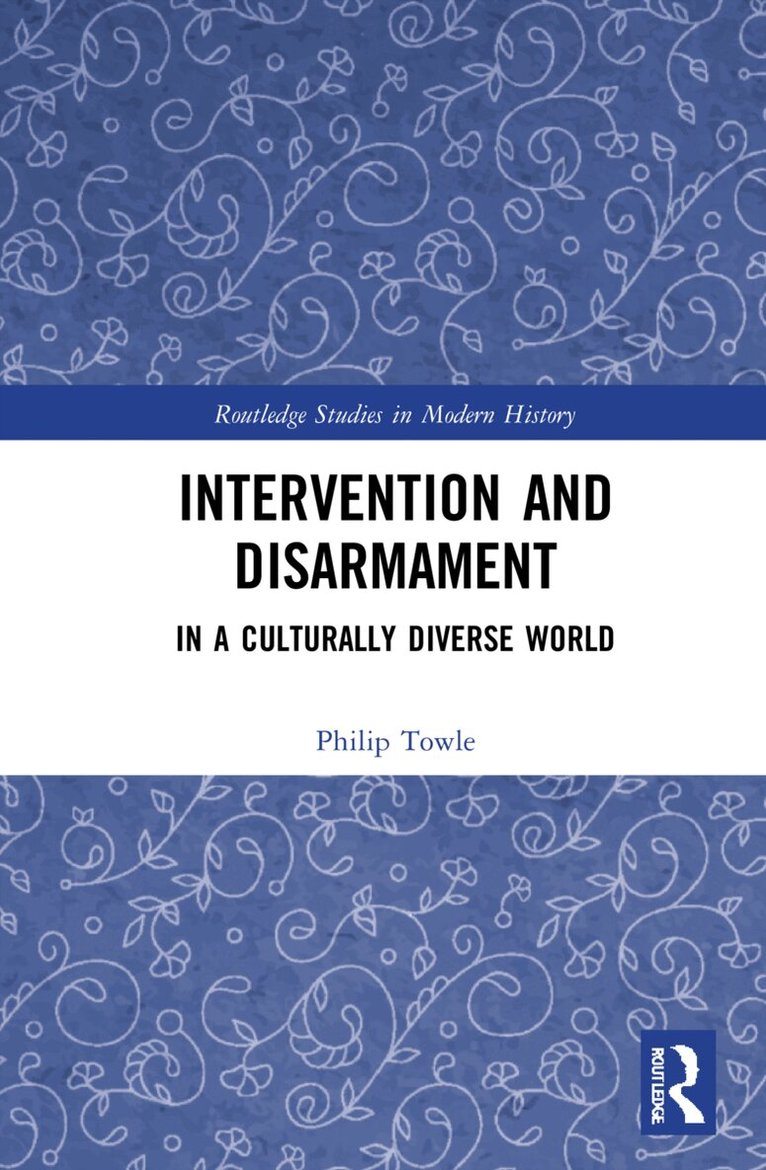
Intervention and Disarmament
In a Culturally Diverse World
Av Philip Towle
Inbunden, 2022
2585 kr
Lägg i varukorg
In this book, some of Philip Towle’s major contributions are brought together to shed light on the Cold War and its aftermath. Topics include the build-up of chemical and nuclear weapons, the attack on New York’s World Trade Center in 2001, intervention in overseas conflicts and the role of the …
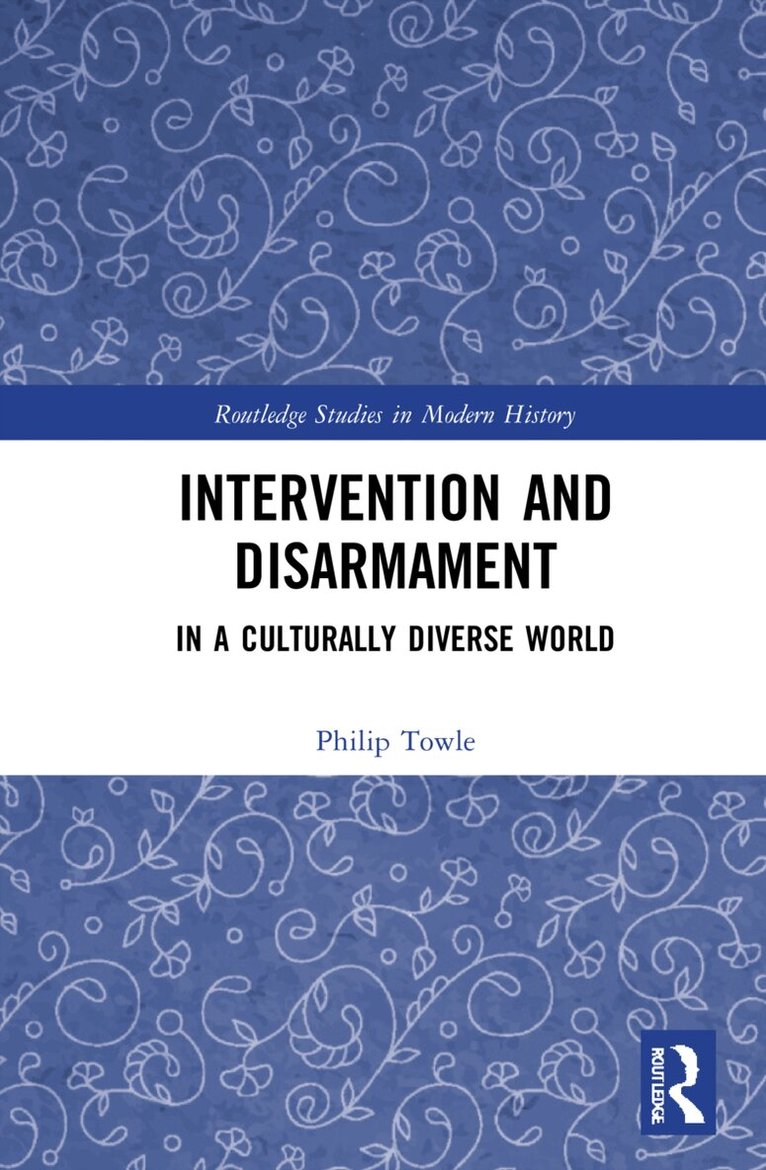
Intervention and Disarmament
In a Culturally Diverse World
Av Philip Towle
Häftad, 2024
667 kr
Lägg i varukorg
In this book, some of Philip Towle’s major contributions are brought together to shed light on the Cold War and its aftermath. Topics include the build-up of chemical and nuclear weapons, the attack on New York’s World Trade Center in 2001, intervention in overseas conflicts and the role of the …
Democracy and Peace Making
Negotiations and Debates 1815-1973
Av Philip Towle
E-bok, 2004
927 kr
Lägg i varukorg
Democracy and Peace Making is an invaluable and up-to-date account of the process of peace making, which draws on the most recent historical thinking. It surveys the post-war peace settlements of the nineteenth and twentieth centuries, including: * the Vienna congress of 1815 * the Treaty of …
Democracy and Peace Making
Negotiations and Debates 1815-1973
Av Philip Towle
E-bok, 2004
927 kr
Lägg i varukorg
Democracy and Peace Making is an invaluable and up-to-date account of the process of peace making, which draws on the most recent historical thinking. It surveys the post-war peace settlements of the nineteenth and twentieth centuries, including: * the Vienna congress of 1815 * the Treaty of …
Democracy and Peace Making
Negotiations and Debates 1815-1973
Av Philip Towle
Häftad, 2016
786 kr
Lägg i varukorg
Democracy and Peace Making is an invaluable and up-to-date account of the process of peace making, which draws on the most recent historical thinking. It surveys the post-war peace settlements of the nineteenth and twentieth centuries, including:* the Vienna congress of 1815* the Treaty of …
Britain and Japan in the Twentieth Century
One Hundred Years of Trade and Prejudice
Av Philip Towle, Nobuko Margaret Kosuge
Häftad, 2020
487 kr
Lägg i varukorg
After the horrors of World War II in Asia - not least the systematic appalling mistreatment of Allied prisoners-of-war by the Japanese military - few would have predicted that Britain's relationship with Japan would flourish into a booming partnership of economic interdependence by the start of the …
Japanese Prisoners of War
Av Philip Towle, Phillip Towle m. fl.
Inbunden, 1999
1098 kr
Lägg i varukorg
During World War II the Japanese were stereotyped in the European imagination as fanatical, cruel, almost inhuman - an image reflected in most books and films about prisoner of war in the Far East. While the Japanese cetainly treated those they captured badly, behaving far worse to Chinese and …
History, Empathy and Conflict
Heroes, Victims and Victimisers
Av Philip Towle
Inbunden, 2018
566 kr
Lägg i varukorg
This book argues that popular culture has been transformed in a silent revolution from emphasising history’s heroes to its victims. While city squares and stations were named in the nineteenth century after military victories, now the equivalent airports are named after the victims of violence. …
History, Empathy and Conflict
Heroes, Victims and Victimisers
Av Philip Towle
E-bok, 2018
755 kr
Lägg i varukorg
This book argues that popular culture has been transformed in a silent revolution from emphasising history’s heroes to its victims. While city squares and stations were named in the nineteenth century after military victories, now the equivalent airports are named after the victims of violence. …