Philipp Nielsen – författare
864 kr
Skickas inom 5-8 vardagar
938 kr
Läs direkt efter köp
938 kr
Läs direkt efter köp
2 244 kr
Skickas inom 10-15 vardagar
613 kr
Skickas inom 10-15 vardagar
708 kr
Läs direkt efter köp
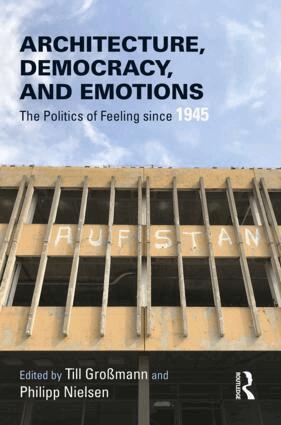
After 1945 it was not just Europe’s parliamentary buildings that promised to house democracy: hotels in Turkey and Dutch shopping malls proposed new democratic attitudes and feelings. Housing programs in the United Kingdom, the United States, and the Soviet Union were designed with the aim of creating new social relations among citizens and thus better, more equal societies. Architecture, Democracy, and Emotions focuses on these competing promises of consumer democracy, welfare democracy, and socialist democracy. Spanning from Turkey across Eastern and Western Europe to the United States, the chapters investigate the emotional politics of housing and representation during the height of the Cold War, as well as its aftermath post-1989.
The book assembles detailed research on how the claims and aspirations of being "democratic" influenced the affects of architecture, and how these claims politicized space. Architecture, Democracy, and Emotions contributes to the study of Europe’s "democratic age" beyond Cold War divisions without diminishing political differences. The combination of an emotional history of democracy with an architectural history of emotions distinguishes the book’s approach from other recent investigations into the interconnection of mind, body, and space.
702 kr
Läs direkt efter köp
After 1945 it was not just Europe’s parliamentary buildings that promised to house democracy: hotels in Turkey and Dutch shopping malls proposed new democratic attitudes and feelings. Housing programs in the United Kingdom, the United States, and the Soviet Union were designed with the aim of creating new social relations among citizens and thus better, more equal societies. Architecture, Democracy, and Emotions focuses on these competing promises of consumer democracy, welfare democracy, and socialist democracy. Spanning from Turkey across Eastern and Western Europe to the United States, the chapters investigate the emotional politics of housing and representation during the height of the Cold War, as well as its aftermath post-1989.
The book assembles detailed research on how the claims and aspirations of being "democratic" influenced the affects of architecture, and how these claims politicized space. Architecture, Democracy, and Emotions contributes to the study of Europe’s "democratic age" beyond Cold War divisions without diminishing political differences. The combination of an emotional history of democracy with an architectural history of emotions distinguishes the book’s approach from other recent investigations into the interconnection of mind, body, and space.
1 960 kr
Skickas inom 3-6 vardagar
314 kr
Läs direkt efter köp
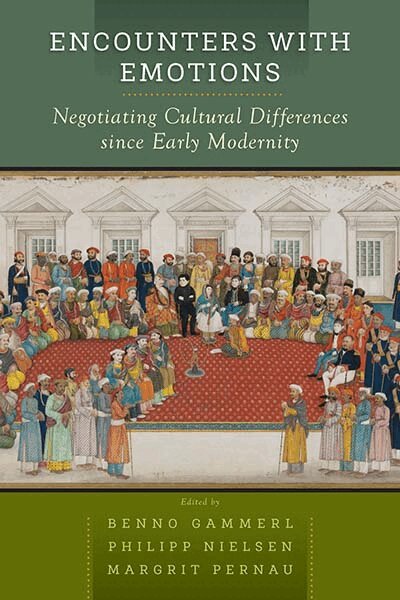
Spanning Europe, Asia and the Pacific, Encounters with Emotions investigates experiences of face-to-face transcultural encounters from the seventeenth century to the present and the emotional dynamics that helped to shape them. Each of the case studies collected here investigates fascinating historiographical questions that arise from the study of emotion, from the strategies people have used to interpret and understand each other’s emotions to the roles that emotions have played in obstructing communication across cultural divides. Together, they explore the cultural aspects of nature as well as the bodily dimensions of nurture and trace the historical trajectories that shape our understandings of current cultural boundaries and effects of globalization.
381 kr
Skickas
565 kr
Skickas inom 10-15 vardagar
453 kr
Skickas inom 10-15 vardagar
2 130 kr
Skickas inom 5-8 vardagar
2 172 kr
Läs direkt efter köp
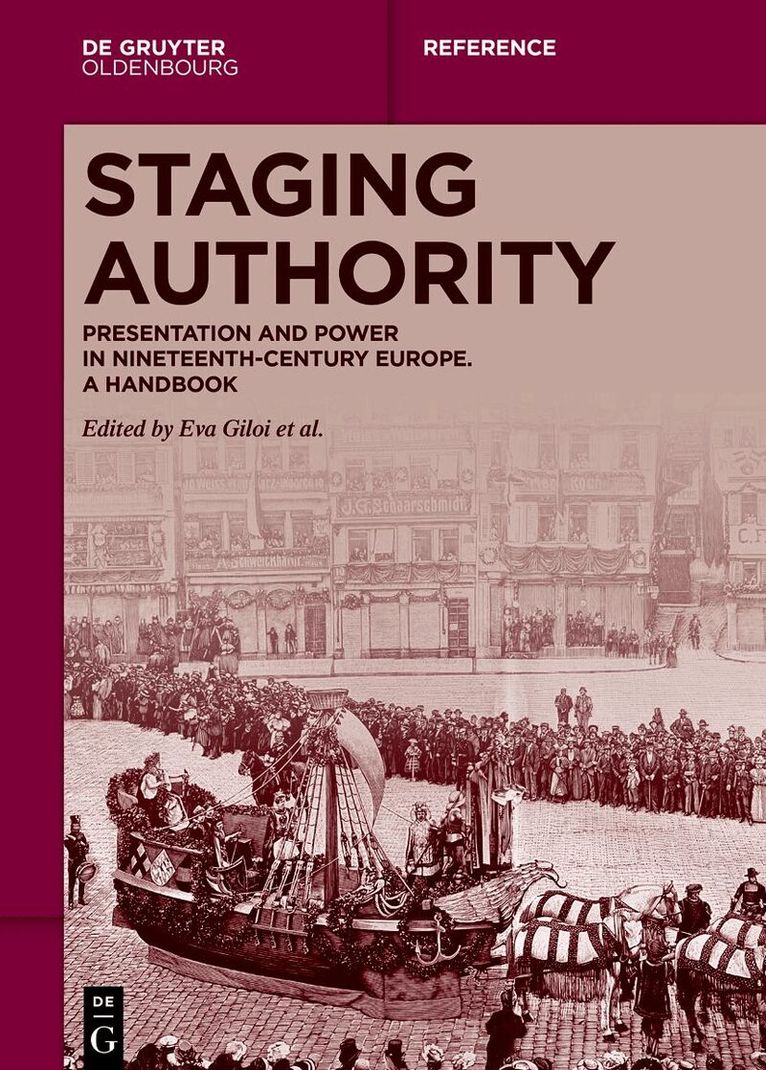
Staging Authority: Presentation and Power in Nineteenth-Century Europe is a comprehensive handbook on how the presentation, embodiment, and performance of authority changed in the long nineteenth century. It focuses on the diversification of authority: what new forms and expressions of authority arose in that critical century, how traditional authority figures responded and adapted to those changes, and how the public increasingly participated in constructing and validating authority. It pays particular attention to how spaces were transformed to offer new possibilities for the presentation of authority, and how the mediatization of presence affected traditional authority. The handbook’s fourteen chapters draw on innovative methodologies in cultural history and the aligned fields of the history of emotions, urban geography, persona studies, gender studies, media studies, and sound studies.
2 153 kr
Läs direkt efter köp
Staging Authority: Presentation and Power in Nineteenth-Century Europe is a comprehensive handbook on how the presentation, embodiment, and performance of authority changed in the long nineteenth century. It focuses on the diversification of authority: what new forms and expressions of authority arose in that critical century, how traditional authority figures responded and adapted to those changes, and how the public increasingly participated in constructing and validating authority. It pays particular attention to how spaces were transformed to offer new possibilities for the presentation of authority, and how the mediatization of presence affected traditional authority. The handbook’s fourteen chapters draw on innovative methodologies in cultural history and the aligned fields of the history of emotions, urban geography, persona studies, gender studies, media studies, and sound studies.