Philippe Caresse - Böcker
Visar alla böcker från författaren Philippe Caresse. Handla med fri frakt och snabb leverans.
4 produkter
4 produkter
266 kr
Kommande
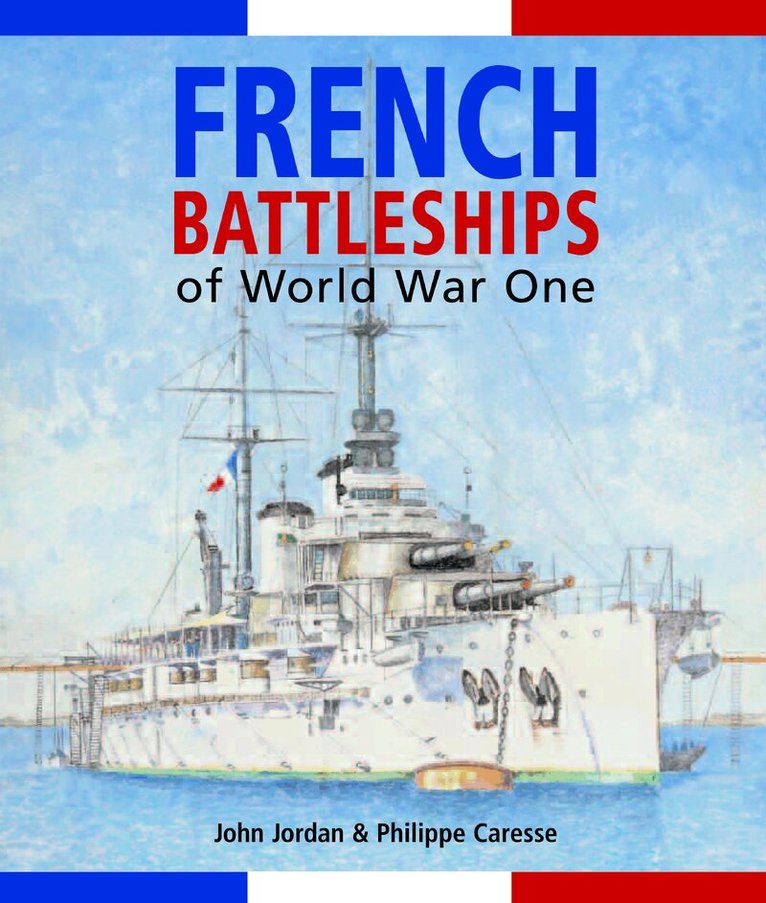
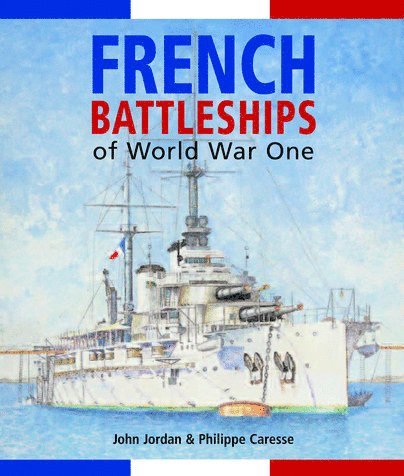
When war broke out in August 1914 France had only two dreadnoughts in service, with a second pair running trials. The main body of the elite Armée Navale was made up of the eleven battleships of the Patrie and Danton classes, both of which were intermediate designs with two main gun calibres. Older ships included survivors of the notorious Flotte d’echantillons ('fleet of samples') of the 1890 programme and their successors designed during the 1890s.This book traces the development of French battleships from 1890 to 1922, and also covers the extensive modifications made to the survivors during the interwar period. The structure follows that of previous books in this highly successful series, with Part I by John Jordan devoted to design, followed by historical chapters by Philippe Caresse covering 1900 to 1945. It is liberally illustrated throughout with line drawings and labelled schematics, plus photographs from the extensive Caresse collection, many of which are previously unpublished.This is the most comprehensive account of these ships published in English or in French, and is destined be the standard reference for many years to come.
409 kr
Tillfälligt slut
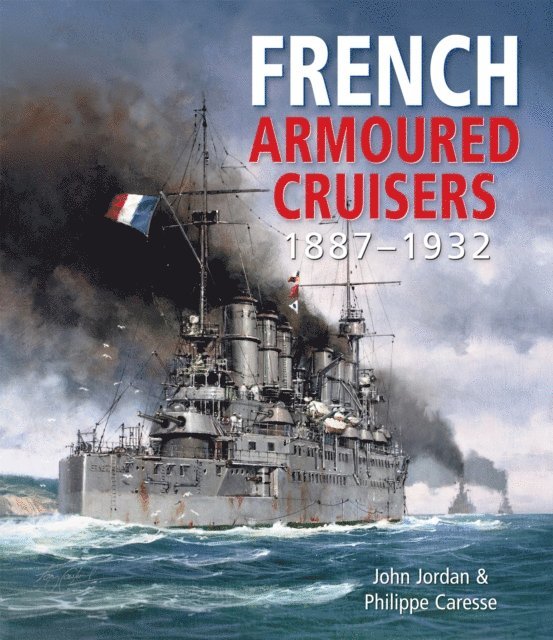
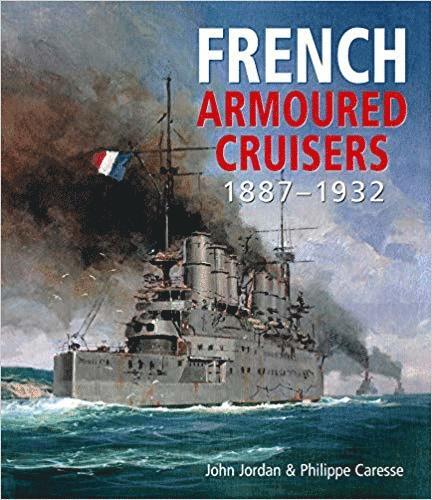
Of all the threats faced by the Royal Navy during the first years of the twentieth century, the one which stood out was the risk to Britain's sea lines of communication posed by France's armoured cruisers. Fast, well-armed and well-protected, these ships could have evaded any attempted blockade of the French ports and, supported by a worldwide network of overseas bases, could potentially have caused havoc on the trade routes. Between 1898 and 1901 the French laid down thirteen ships, and completed nine in 1903-4 alone.This book has as its subject the French armoured cruisers built from the late 1880s until shortly before the outbreak of the Great War, beginning with the revolutionary Dupuy-de-L me, the world's first modern armoured cruiser, and ending with the impressive six-funnelled Edgar Quinet and Waldeck-Rousseau. The primary focus of the book is on the technical characteristics of the ships. Detailed and labelled drawings based on the official plans are provided by John Jordan, and each individual class of ship is illustrated by photographs from the extensive personal collection of Philippe Caresse. The technical section is followed by a history in two parts, covering the Great War (1914-18) and the postwar years, during which the surviving ships saw extensive deployment as station' cruisers overseas and as training ships. This is the most comprehensive account published in English or in French, and is destined be the standard reference for many years to come.
761 kr
Skickas
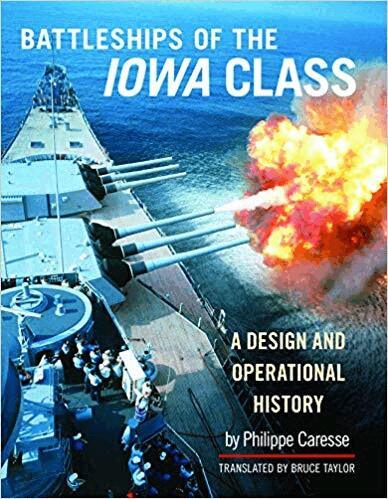
The four battleships of the Iowa class, the crowning achievement of US battleship construction, had exceptionally long careers and each in their way left a distinctive mark not only on the US Navy but on naval history at large. Built as the ultimate American battleship and designed to engage the major units of the Japanese and German fleets, the class were commissioned in the closing stages of World War II, the beginning of half a century of service during which individual units saw action in the Korean War, the Vietnam War, the Lebanese Civil War and finally the Gulf War. As such these vessels are symbolic of the primacy of US seapower during the Cold War, and the preservation of all four of these mighty vessels as museum ships is testament not only to their enduring fascination, but also to the immense technical, financial, military and political resources wielded by the United States during the second half of the twentieth century. This superb new book includes a general introduction providing the context and design history of the entire class; detailed and extensively illustrated information on specifications, equipment and modifications; and comprehensive coverage of the construction, career, operations and preservation of each unit. The author covers all the significant events in the life of each ship, including Missouri in Tokyo Bay, New Jersey off Vietnam and Lebanon, Wisconsin's collision with the destroyer Eaton, the Iowa turret explosion and many others. Lavishly illustrated with more than 600 photos (many in colour), 35 spectacular CG artworks and six maps, this beautifully produced work is the ultimate volume on the ultimate battleship class and a fitting souvenir of these four ships, now all preserved for posterity. AUTHOR: Philippe Caresse was born into a naval family in 1964 and joined the French Navy in 1982, serving in the destroyer d'Estrees. He has published an extensive range of ship monographs on the French, German, US, and Japanese navies from the late-nineteenth century to the Second World War, and is co-author with John Jordan of a series of volumes on French warships, including French Battleships of World War One, all published by Seaforth. He is the harbormaster of a marina on the Cote d'Azur. 600 colour and b/w photographs, 35 CG drawings, 6 maps
421 kr
Tillfälligt slut
When war broke out in August 1914 France had only two dreadnoughts in service, with a second pair running trials. The main body of the elite Arm e Navale was made up of the eleven battleships of the _Patrie_ and _Danton_ classes, both of which were intermediate designs with two main gun calibres. Older ships included survivors of the notorious _Flotte d echantillons_ ('fleet of samples') of the 1890 programme and their successors designed during the 1890s. This book traces the development of French battleships from 1890 to 1922, and also covers the extensive modifications made to the survivors during the interwar period. The structure follows that of previous books in this highly successful series, with Part I by John Jordan devoted to design, followed by historical chapters by Philippe Caresse covering 1900 to 1945\. It is liberally illustrated throughout with line drawings and labelled schematics, plus photographs from the extensive Caresse collection, many of which are previously unpublished. This is the most comprehensive account of these ships published in English or in French, and is destined be the standard reference for many years to come.