Phillip B. Roos – författare
692 kr
Läs direkt efter köp
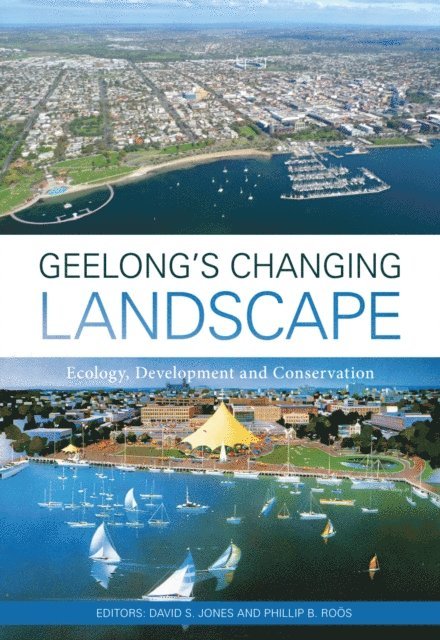
Geelong''s Changing Landscape offers an insightful investigation of the ecological history of the Geelong and Bellarine Peninsula region. Commencing with the penetrating perspectives of Wadawurrung Elders, chapters explore colonisation and post-World War II industrial development through to the present challenges surrounding the ongoing urbanisation of this region.
Expert contributors provide thoughtful analysis of the ecological and cultural characteristics of the landscape, the impact of past actions, and options for ethical future management of the region. This book will be of value to scientists, engineers, land use planners, environmentalists and historians.
Winner, Planning Institute of Australia Awards for Planning Excellence 2020 (Victoria): Cutting Edge Research and TeachingShortlisted, 2020 Victorian Community History Awards: Collaborative Community History Award
1 722 kr
Läs direkt efter köp
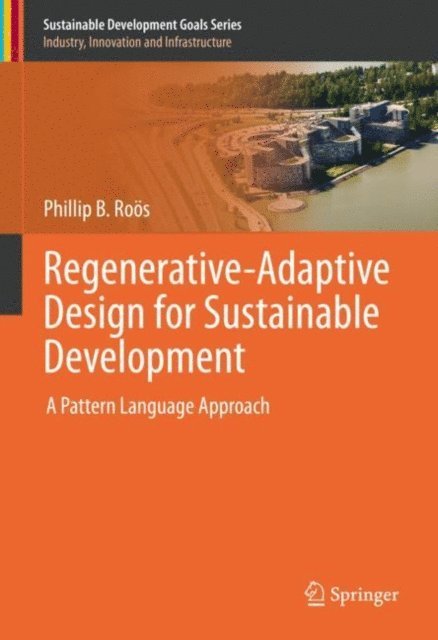
In this book, the author tests a regenerative-adaptive pattern language theory towards investigating the possibilities of a holistic, integrated design and planning method for sustainable development that incorporates the principles of regenerative design, as well as an adaptive pattern language that re-establishes our wholeness with nature, and considers the vulnerabilities of a changing landscape. The book examines an integral approach to contemporary theories of planning and design that explores the human-nature relationship patterns in social and spatial interconnections, between people and their natural environments. The interconnectedness of human and natural systems is used to scaffold possible solutions to address key environmental and sustainability issues that specifically address the need for patterns of behaviour that acknowledge the duality of ‘man and nature’.
In 12 chapters, the book presents a holistic, regenerative-adaptive pattern language that encapsulates how communities can better appreciate landscape change under future climate effects, and acknowledges the importance to adapt to patterns of change of place and the environment and therefore inform the communities’ responses for sustainable development. The application of the regenerative-adaptive pattern language was tested along the Great Ocean Road region of the Victorian coast in Australia. The concluding chapters argues that for human settlements and cities to be resilient and sustainable, we must understand the interconnected patterns of human-built environments and natural systems, and how we function in a social-spatial dimension with these. The book is intended for practitioners and academic scholars with interest in sustainable development, regenerative design, pattern languages, biophilia, settlement planning, and climate change adaptation.