Phillip Thomas Tucker – författare
Visar alla böcker från författaren Phillip Thomas Tucker. Handla med fri frakt och snabb leverans.
62 produkter
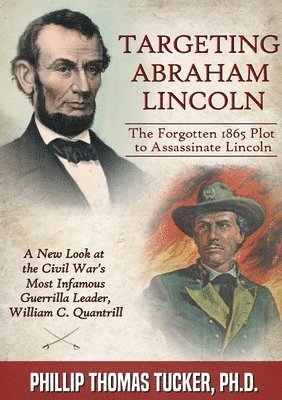
Targeting Abraham Lincoln
The Forgotten 1865 Plot to Assassinate Lincoln
Häftad, 2018
247 kr
Lägg i varukorg
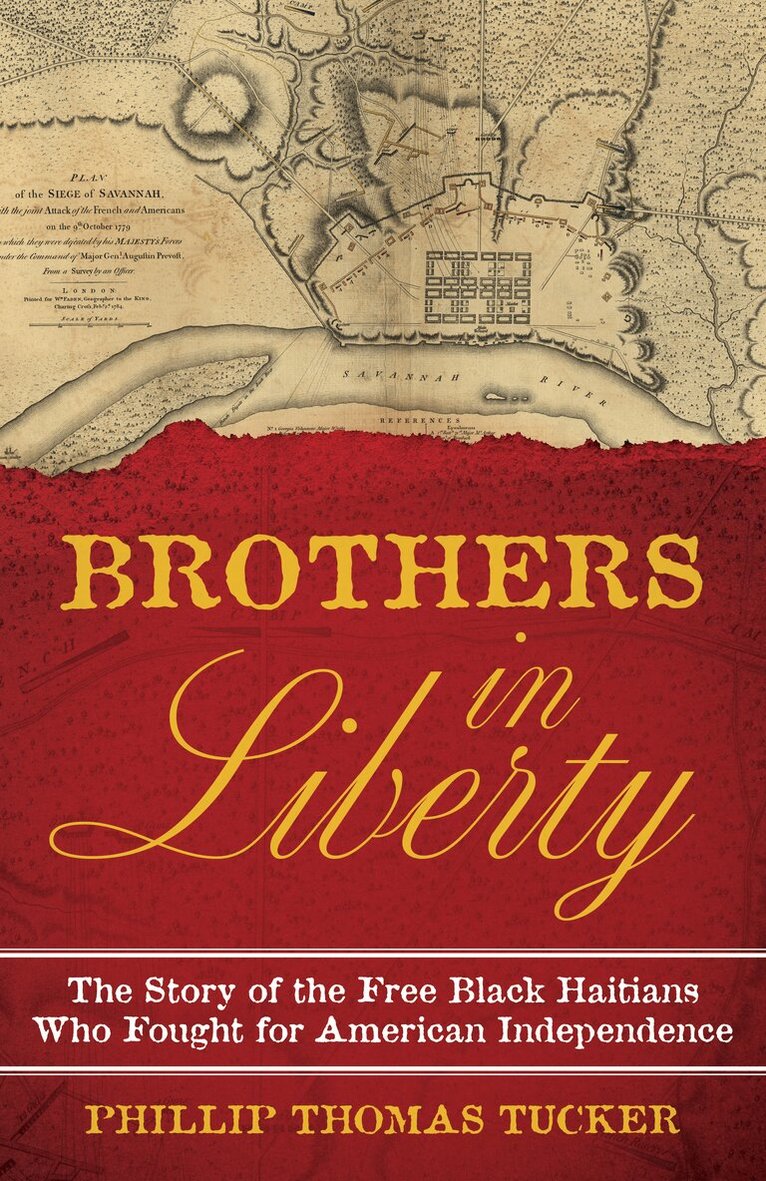
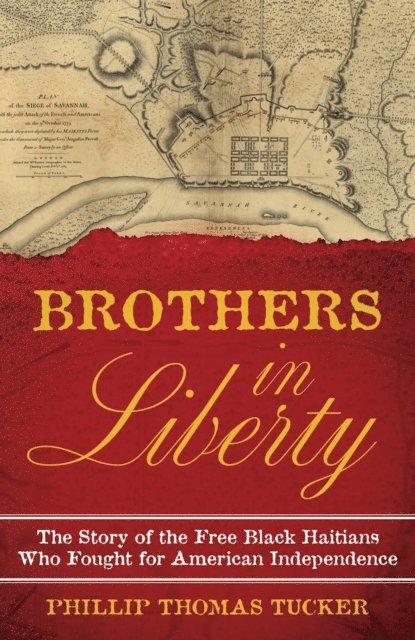
Brothers in Liberty
The Forgotten Story of the Free Black Haitians Who Fought for American Independence
Inbunden, 2023
450 kr
Lägg i varukorg
After failing to defeat the Continental Army in New England, New York, New Jersey, and Pennsylvania during the first half of the Revolutionary War, British generals decided to turn south, where they believed they could win the war in a region more heavily populated by Loyalists. In late 1778, a …
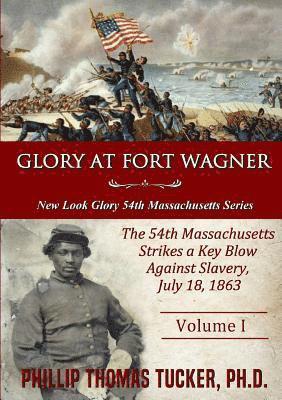
Glory at Fort Wagner
The 54th Massachusetts Strikes a Key Blow Against Slavery
Häftad, 2018
205 kr
Lägg i varukorg
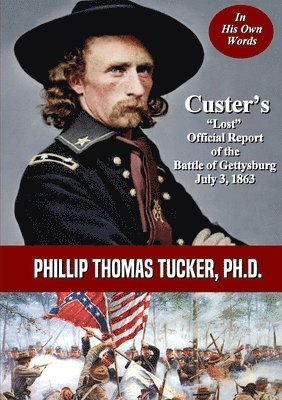
Custer's "Lost" Official Report of the Battle of Gettysburg July 3, 1863
Häftad, 2019
135 kr
Lägg i varukorg
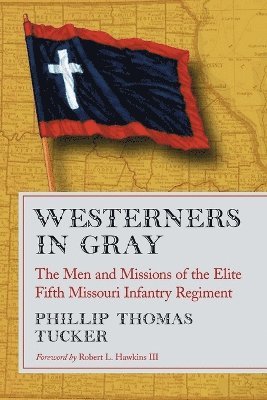
Westerners in Gray
The Men and Missions of the Elite Fifth Missouri Infantry Regiment
Häftad, 2007
384 kr
Lägg i varukorg
Few infantry regiments in the Civil War compiled a more distinguished record than the Fifth Missouri. The unique blending of fiery Irish Confederates from St. Louis with rural pro-Southern Missourians forged an unshakable esprit de corps, making the unit the crack infantry regiment in the western …
Emily D. West and the "Yellow Rose of Texas" Myth
Häftad, 2014
384 kr
Lägg i varukorg
For the first time, the true story of "The Yellow Rose of Texas" is told in full, revealing a host of new insights and perspectives on one of America's most popular stories. For generations, the Yellow Rose of Texas has been one of America's most popular western myths, growing larger over time and …
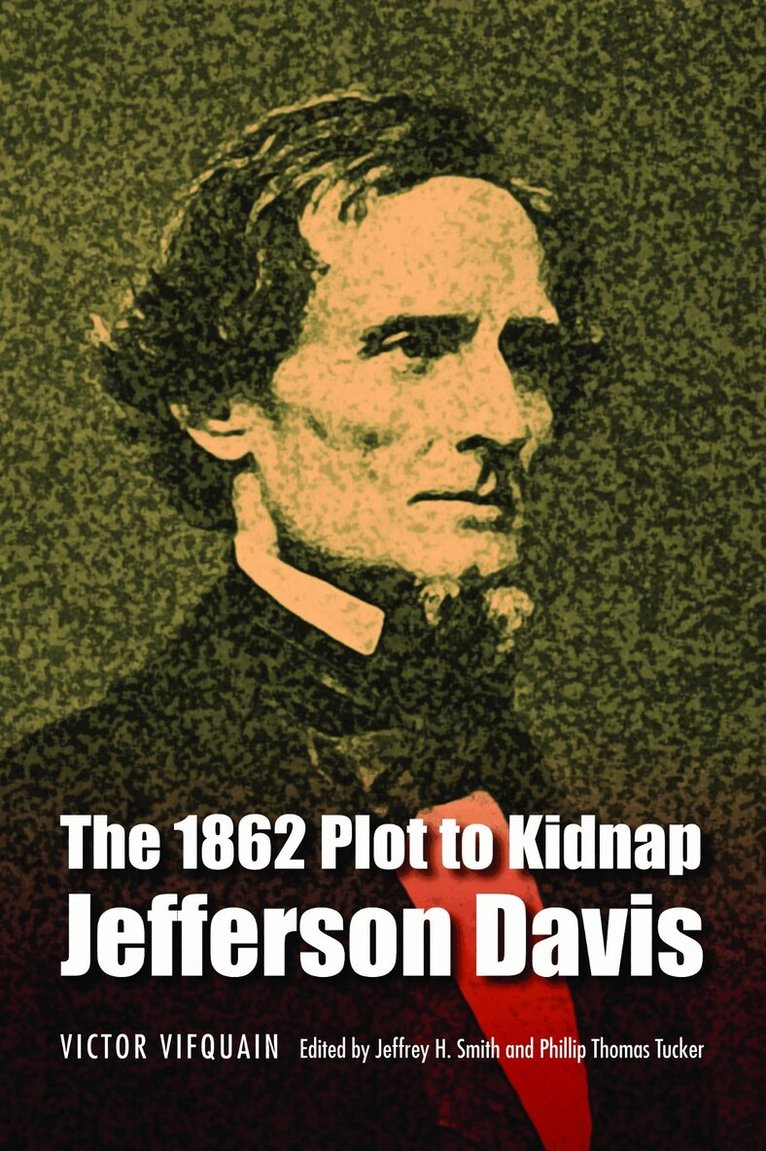
1862 Plot to Kidnap Jefferson Davis
Av Victor Vifquain, Jeffrey H. Smith m. fl.
Häftad, 2005
283 kr
Lägg i varukorg
Victor Vifquain's memoir is an engaging, firsthand account of a bold attempt to kidnap the president of the Confederate States of America. Archived for nearly a century, the chronicle of this previously unknown and daring plot has been brought to light by historians Jeffrey H. Smith, Vifquain's …
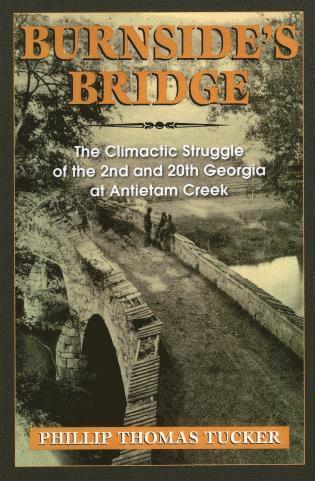
Burnside'S Bridge
The Climactic Struggle of the 2nd and 20th Georgia at Antietam Creek
Häftad, 2011
207 kr
Lägg i varukorg
Before the heroic stand of the 20th Maine at Little Round Top, the 2nd and 20th Georgia infantries, led by Brig. Gen. Robert Toombs, held off a veritable Yankee juggernaut and triumphed at Burnside's Bridge on Antietam Creek in 1862. This detailed account profiles the troops whose last stand helped …
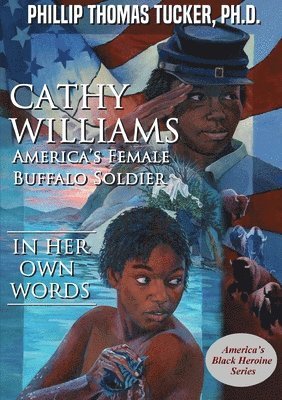
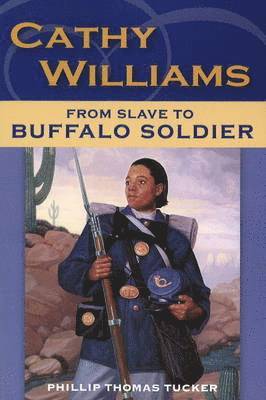
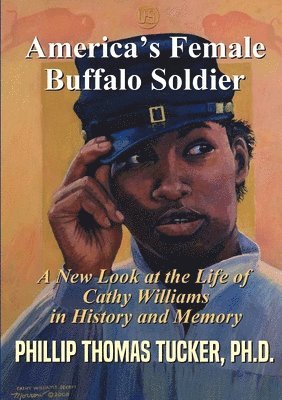
Cathy Williams
From Slave to Buffalo Soldier
Häftad, 2009
267 kr
Lägg i varukorg
Women in the United States military have received more recognition than ever in recent years, but women also played vital roles in battles and campaigns of previous generations. Cathy Williams served as Pvt. William Cathay from 1866 to 1868 with the famed Buffalo Soldiers who patrolled the 900-mile …
Burnside's Bridge
The Climactic Struggle of the 2nd and 20th Georgia at Antietam Creek
E-bok, 2011
205 kr
Lägg i varukorg
Profile of the troops whose last stand helped prevent the destruction of the Army of Northern Virginia, providing Robert E. Lee with yet another chance for a northern invasion .
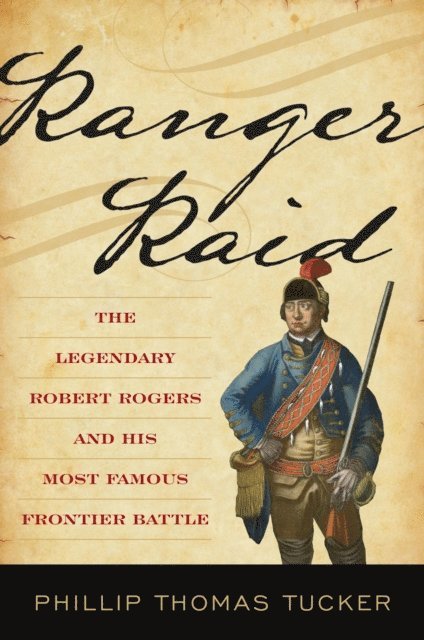
Ranger Raid
The Legendary Robert Rogers and His Most Famous Frontier Battle
E-bok, 2021
386 kr
Lägg i varukorg
A figure of legendary, almost mythic proportions, Robert Rogers is widely considered the father of U.S. Army Rangers. He gained his fame during the French and Indian War, fighting in the American and Canadian wilderness for the British colonies and the English Empire against the French and Indians, …
Brothers in Liberty
The Forgotten Story of the Free Black Haitians Who Fought for American Independence
E-bok, 2023
386 kr
Lägg i varukorg
After failing to defeat the Continental Army in New England, New York, New Jersey, and Pennsylvania during the first half of the Revolutionary War, British generals decided to turn south, where they believed they could win the war in a region more heavily populated by Loyalists. In late 1778, a …
America's Forgotten First War for Slavery and Genesis of The Alamo Volume II
Häftad, 2017
274 kr
Lägg i varukorg